


















Présentation
Fondé en 1997 à Montréal, Ubisoft Montréal est le premier studio de production ouvert par Ubisoft au Canada. Installé dans le quartier du Mile End, il naît avec une équipe d’environ cinquante personnes dans un environnement où l’industrie québécoise du jeu vidéo est encore peu développée. En quelques années, le studio passe de productions relativement modestes à des projets internationaux et devient l’un des principaux centres de création et de production du groupe.
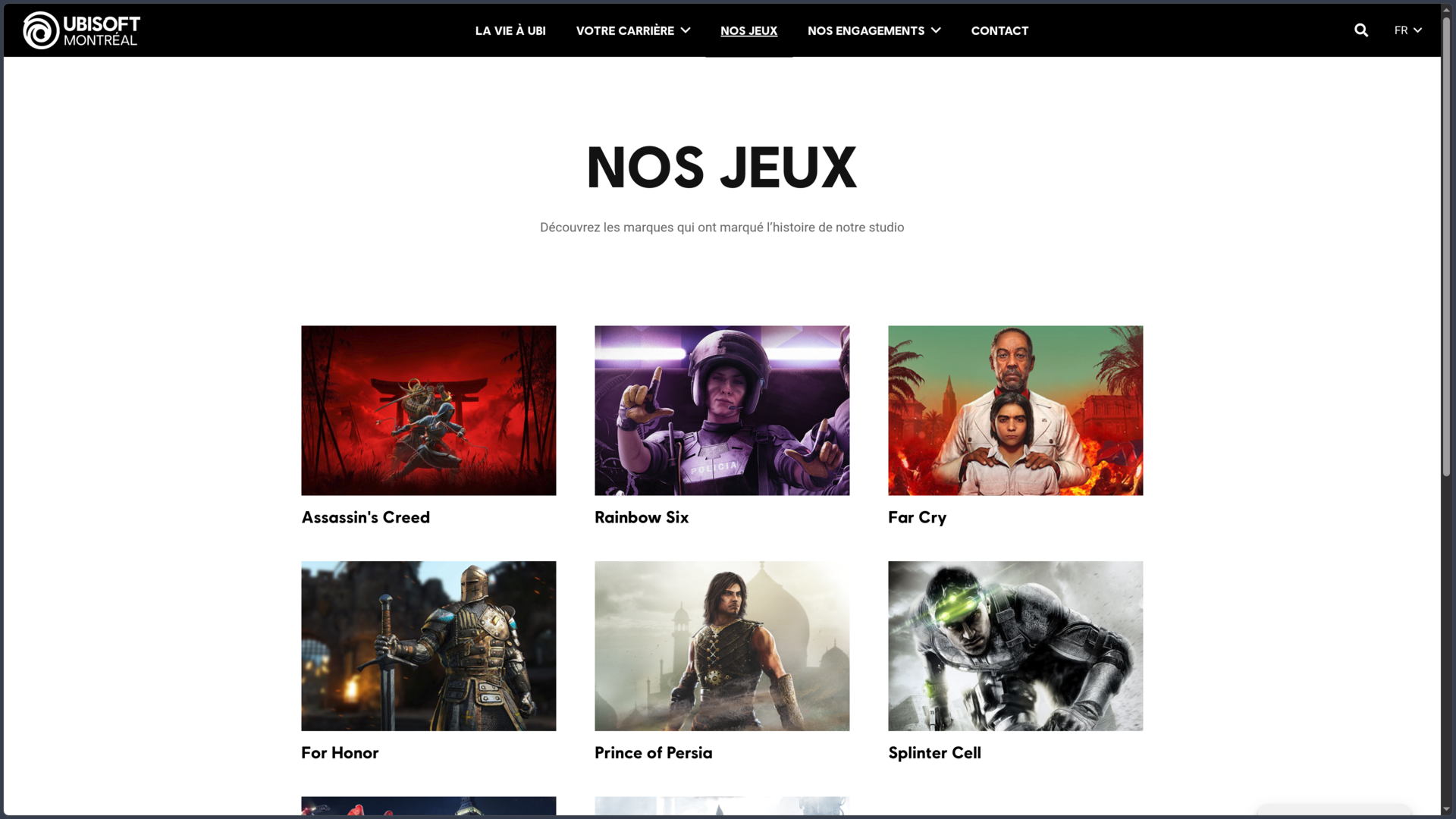
Son histoire est étroitement liée à plusieurs franchises qui ont marqué Ubisoft. Tom Clancy’s Splinter Cell et Prince of Persia: The Sands of Time contribuent au début des années 2000 à établir la réputation du studio. Cette expérience ouvre ensuite la voie à des projets originaux développés à Montréal, notamment Assassin’s Creed, dont le premier épisode paraît en 2007. Watch Dogs et For Honor naissent également au studio, tandis que ses équipes prennent en charge ou contribuent à des séries comme Far Cry et Tom Clancy’s Rainbow Six.
Cette accumulation de propriétés importantes ne doit cependant pas faire d’Ubisoft Montréal une simple liste de franchises. Le studio se distingue surtout par sa transformation. Une équipe relativement compacte est devenue une organisation capable de mener des productions réunissant plusieurs centaines de spécialistes, puis de travailler avec de nombreux autres studios d’Ubisoft. Cette évolution accompagne celle des jeux eux-mêmes : aventures principalement conçues comme des produits finis dans les années 2000, grands mondes ouverts au cours de la décennie suivante, puis expériences développées et entretenues pendant plusieurs années.
Rainbow Six Siege et For Honor illustrent particulièrement cette dernière étape. Ubisoft Montréal doit alors compléter les compétences traditionnelles de développement par des pratiques liées aux opérations en ligne, à l’équilibrage continu, aux données et aux retours des communautés. Le studio n’abandonne pas pour autant les grandes productions narratives ou les univers ouverts ; il apprend à faire coexister plusieurs formes de développement.
Depuis 2025, son organisation s’inscrit également dans la transformation plus large d’Ubisoft. Les équipes montréalaises travaillant sur Assassin’s Creed, Far Cry et Rainbow Six sont intégrées à Vantage Studios, la structure chargée de ces trois franchises. Ubisoft Montréal reste un studio identifiable, mais certaines de ses marques les plus importantes sont désormais développées dans un cadre encore plus directement partagé entre plusieurs implantations.
Histoire
1997 : implanter Ubisoft au Québec
Ubisoft Montréal ouvre ses portes en 1997. Le studio constitue alors la première implantation de production du groupe au Canada. L’équipe initiale compte environ cinquante personnes, souvent jeunes et disposant encore de peu d’expérience professionnelle dans une industrie vidéoludique québécoise elle-même naissante.
Cette situation joue un rôle important dans la culture des premières années. Le studio doit constituer rapidement ses équipes, développer des compétences localement et apprendre à prendre en charge des projets de plus en plus ambitieux. Montréal n’est pas encore l’un des grands centres mondiaux du développement qu’elle deviendra ensuite, et Ubisoft participe directement à l’accélération de cet écosystème.
Les premières productions permettent à l’équipe d’acquérir de l’expérience, mais le véritable changement d’échelle intervient au début des années 2000. Ubisoft Montréal se voit confier des projets capables de donner au studio une identité beaucoup plus forte au sein du groupe.
Splinter Cell et Prince of Persia : la première rupture
En 2002, Ubisoft Montréal développe Tom Clancy’s Splinter Cell. Le jeu introduit Sam Fisher dans une expérience d’infiltration où éclairage, visibilité, gadgets et observation occupent une place centrale. Il montre surtout qu’une équipe encore relativement jeune peut porter une nouvelle propriété destinée au marché international.
L’année suivante, Prince of Persia: The Sands of Time constitue une autre étape déterminante. Ubisoft a récupéré la propriété Prince of Persia et confie au studio montréalais la création d’une nouvelle interprétation de la série. Le projet combine déplacement acrobatique, manipulation du temps, combats et narration au sein d’une aventure conçue autour de la fluidité du personnage et de son environnement.
Ces productions changent la manière dont Ubisoft Montréal est considéré. Le studio n’est plus simplement une implantation canadienne chargée de participer au catalogue du groupe : il démontre sa capacité à reconstruire une propriété existante, créer de nouveaux systèmes et développer des jeux capables de servir ensuite de référence à d’autres équipes.
Cette période fournit également une base humaine et technique pour les projets suivants. Plusieurs développeurs ayant travaillé sur Splinter Cell ou Prince of Persia participent ensuite à d’autres grandes productions du studio. L’expérience accumulée sur le déplacement, la furtivité, les environnements et la construction d’aventures en 3D devient ainsi une matière réutilisable plutôt qu’un savoir-faire isolé dans chaque jeu.
Assassin’s Creed et la création de nouvelles franchises
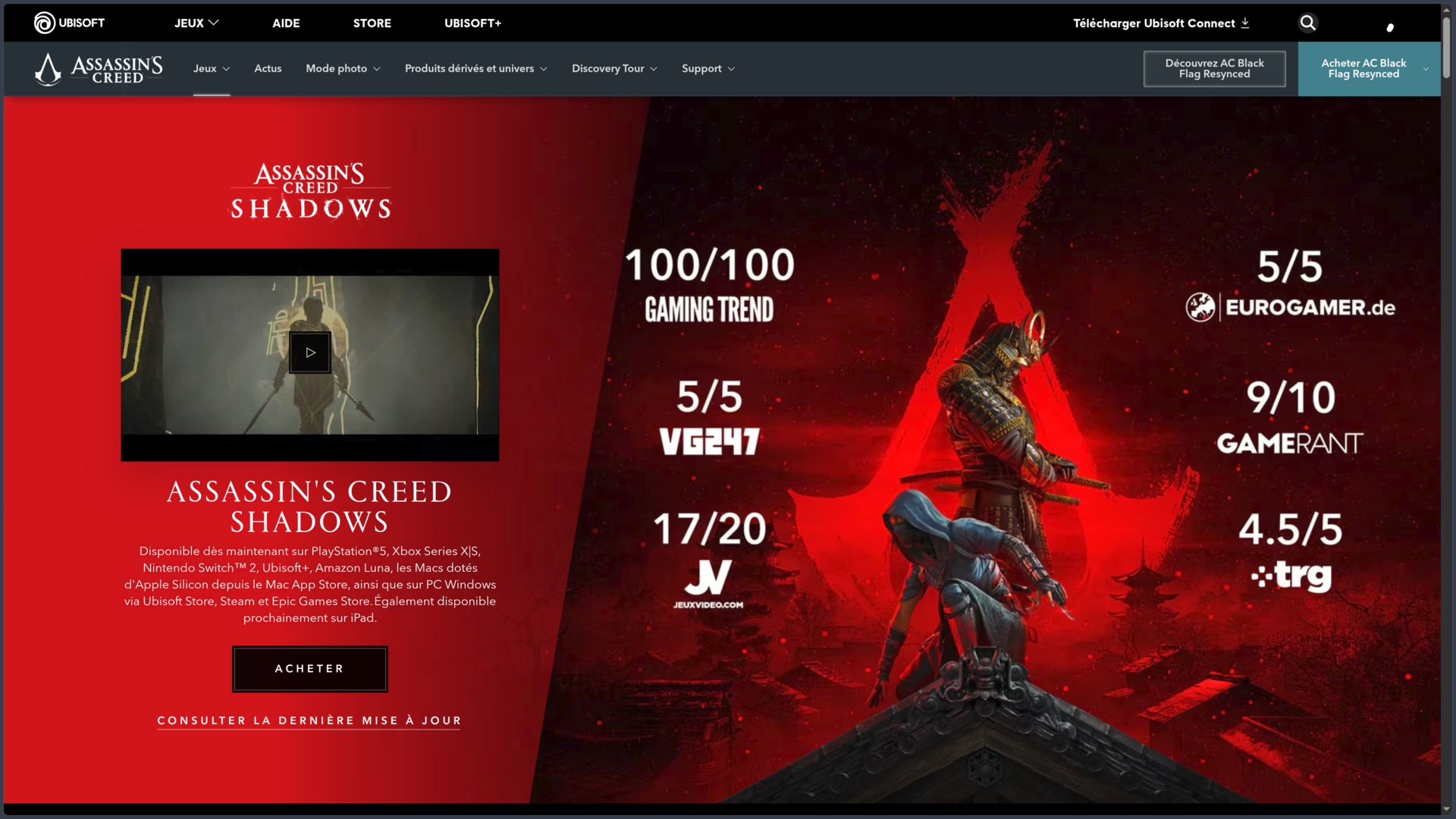
Le changement suivant intervient avec Assassin’s Creed, né au sein d’Ubisoft Montréal et publié en 2007. Le studio passe cette fois d’une réinterprétation de Prince of Persia à la création d’un nouvel univers. Le jeu conserve l’importance donnée au déplacement dans l’espace, mais l’intègre à des villes ouvertes, à une structure historique et à des systèmes d’escalade permettant d’utiliser largement l’architecture.
La série se développe rapidement. Ubisoft Montréal conduit plusieurs des épisodes qui établissent ses principales fondations avant que d’autres studios, notamment Ubisoft Québec, prennent également la direction de certains projets. Assassin’s Creed devient ainsi un exemple précoce d’une évolution importante chez Ubisoft : une franchise née dans un studio particulier peut progressivement devenir une production partagée à l’échelle du groupe.
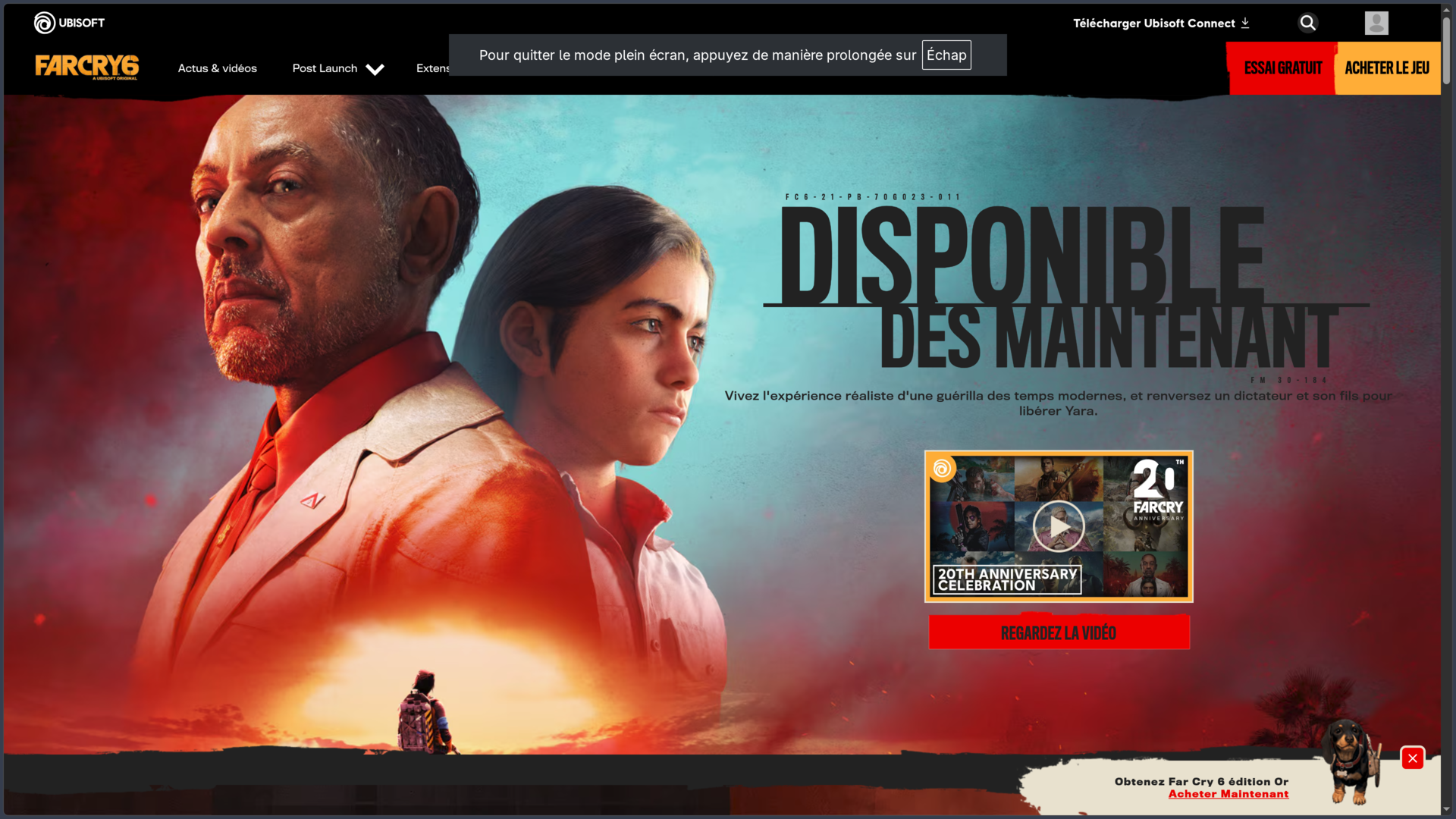
Le studio approfondit parallèlement son expérience des mondes ouverts avec Far Cry 2, puis avec différents épisodes de la série. L’objectif n’est pas de reproduire exactement la structure d’Assassin’s Creed. Les environnements de Far Cry accordent davantage de place aux systèmes, aux affrontements et à l’improvisation, mais ils renforcent l’expérience montréalaise dans la construction de grands espaces capables de proposer plusieurs approches au joueur.
En 2014, Watch Dogs ouvre une autre propriété originale développée à Montréal. La ville contemporaine et connectée devient cette fois une composante directe du gameplay grâce aux possibilités d’interagir avec ses infrastructures numériques. En 2017, For Honor explore encore une direction différente avec un système de combat rapproché construit autour du positionnement, de la garde et de l’affrontement entre plusieurs cultures guerrières.
Ces projets montrent une période durant laquelle Ubisoft Montréal peut simultanément prolonger des franchises établies et proposer de nouvelles propriétés de grande ampleur. Ils contribuent également à agrandir considérablement l’organisation du studio et à rendre les productions de plus en plus interdépendantes avec les autres équipes d’Ubisoft.
Du grand projet au développement continu
Tom Clancy’s Rainbow Six Siege, publié en 2015, représente une transformation différente. Dès sa conception, l’équipe d’Ubisoft Montréal envisage le jeu comme une expérience multijoueur destinée à être soutenue sur le long terme plutôt que comme un titre dont le développement s’arrêterait essentiellement après sa sortie.
Cette décision modifie la relation entre production et public. Les données de jeu, les commentaires de la communauté, les problèmes d’équilibrage et l’ajout régulier de contenu deviennent des éléments permanents du développement. L’équipe doit pouvoir modifier une expérience déjà utilisée quotidiennement tout en préservant les systèmes sur lesquels repose son équilibre.
For Honor adopte à son tour une logique de suivi durable après sa sortie. Les deux jeux contribuent à installer au studio des compétences différentes de celles nécessaires à une aventure principalement solo : infrastructures en ligne, opérations, sécurité, équilibrage et production régulière de contenu deviennent des disciplines qui accompagnent les compétences historiques en programmation, animation, conception et création artistique.
Cette période ne remplace pas complètement le modèle précédent. Ubisoft Montréal continue de participer à des productions importantes issues de franchises historiques, mais sa fonction change progressivement. Un jeu majeur n’est plus nécessairement développé par une équipe isolée dans un seul bâtiment. Les productions sont réparties entre plusieurs studios qui partagent technologies, contenus et responsabilités.
D’un studio majeur à un nœud de production international
Au fil de son développement, Ubisoft Montréal devient un point de connexion important au sein du réseau nord-américain d’Ubisoft. Les studios de Québec, Toronto, Saguenay, Sherbrooke et Winnipeg développent leurs propres expertises, tandis que les grandes productions associent de plus en plus fréquemment plusieurs implantations.
En 2021, Ubisoft annonce par exemple une nouvelle organisation collaborative entre Montréal et Québec pour l’avenir d’Assassin’s Creed. La franchise née à Montréal n’est plus pensée comme une succession de jeux dont la responsabilité passe simplement d’un studio à l’autre. Direction, production et développement peuvent être distribués entre différentes équipes.
Cette évolution est renforcée en 2023 lorsque Montréal devient le pôle de coordination des opérations de production nord-américaines d’Ubisoft. La fonction du studio dépasse alors davantage la réalisation d’un catalogue qui lui serait exclusivement propre : son expérience sert aussi à organiser des productions réparties sur un réseau beaucoup plus vaste.
Une nouvelle étape intervient en 2025 avec le lancement de Vantage Studios. Cette structure regroupe les équipes travaillant sur Assassin’s Creed, Far Cry et Rainbow Six dans plusieurs studios, dont Montréal, Québec, Sherbrooke, Saguenay, Barcelone et Sofia. En 2026, Vantage constitue la première des nouvelles Creative Houses autour desquelles Ubisoft réorganise son portefeuille.
Pour Ubisoft Montréal, ce changement prolonge en réalité une transformation engagée depuis longtemps. Plusieurs des franchises qui ont défini le studio sont nées ou ont grandi entre ses murs, mais leur développement dépend désormais de réseaux de talents distribués. Le rôle de Montréal n’est donc plus uniquement d’être « le studio qui fait Assassin’s Creed » ou « le studio qui fait Rainbow Six » : il participe à des structures où création, production et exploitation sont partagées entre plusieurs équipes.
Ce qui la distingue
Transformer les capacités du personnage en manière d’explorer le monde
Une continuité importante traverse plusieurs périodes d’Ubisoft Montréal : le déplacement et l’environnement sont souvent pensés ensemble. Prince of Persia: The Sands of Time construit ses niveaux autour des capacités acrobatiques du Prince. Assassin’s Creed transpose cette relation dans des villes beaucoup plus ouvertes où façades, toits et monuments deviennent directement praticables.
Cette évolution ne correspond pas simplement au passage de niveaux linéaires vers des cartes plus grandes. Elle modifie la façon dont le joueur lit l’espace. Une architecture peut être observée non seulement comme décor, mais comme ensemble de chemins possibles, de hauteurs, d’obstacles ou de positions avantageuses.
D’autres productions utilisent cette idée différemment. Far Cry privilégie davantage la liberté d’approche dans de grands environnements, tandis que Watch Dogs ajoute à l’espace physique une couche numérique permettant d’agir sur certaines infrastructures. Les mécaniques changent, mais le monde demeure souvent conçu comme quelque chose que le joueur peut comprendre puis utiliser.
Une capacité à faire naître puis partager des franchises
Ubisoft Montréal a créé ou profondément structuré plusieurs propriétés majeures, mais leur évolution montre que le studio ne fonctionne pas comme un gardien exclusif. Assassin’s Creed en constitue l’exemple le plus clair : née à Montréal, la franchise a ensuite été développée sous la direction de différentes équipes tout en conservant une continuité globale.
Cette circulation existe aussi dans d’autres productions. Les grands jeux Ubisoft reposent fréquemment sur du co-développement, avec une équipe principale accompagnée par plusieurs studios spécialisés. Montréal peut être chef de file sur un projet et contributeur sur un autre.
Cette organisation demande un savoir-faire qui dépasse la conception d’un jeu. Il faut partager des technologies, répartir des contenus, maintenir une vision cohérente et permettre à plusieurs équipes de travailler sur une production commune malgré la distance. La croissance du réseau canadien d’Ubisoft a progressivement fait de cette capacité de coordination une composante importante du rôle de Montréal.
Concevoir des jeux capables de changer après leur sortie
Rainbow Six Siege constitue une autre transformation durable. Le projet est pensé dès l’origine pour être entretenu pendant plusieurs années, avec des ajustements de gameplay et du nouveau contenu après son lancement. Cette approche oblige le studio à considérer la sortie non comme la fin de la production, mais comme le début d’une autre phase.
L’expérience accumulée sur Siege et For Honor a développé des pratiques liées au suivi d’un jeu en activité permanente : observer les comportements, ajuster l’équilibre, modifier les systèmes existants et introduire de nouvelles possibilités sans rendre inutilisable ce qui fonctionne déjà.
Cette capacité se distingue de la production traditionnelle d’une suite. Les équipes travaillent continuellement sur la même base, avec une communauté qui utilise immédiatement les modifications. Le développement devient alors un dialogue permanent entre conception initiale et usage réel.
Ubisoft Montréal a ainsi traversé plusieurs modèles de production sans se limiter à un seul : jeux d’aventure en solo, grands mondes ouverts, expériences compétitives et productions maintenues sur le long terme coexistent dans son histoire.
Une place structurante dans l’écosystème québécois
La création d’Ubisoft Montréal en 1997 possède enfin une portée qui dépasse son propre catalogue. Lorsque le studio ouvre, l’industrie québécoise du jeu vidéo est encore limitée. Sa croissance contribue à créer une importante concentration de compétences locales et accompagne l’arrivée ou l’expansion d’autres acteurs du secteur.
Au fil des années, l’écosystème canadien d’Ubisoft s’étend lui-même avec de nouveaux studios à Québec, Toronto, Saguenay, Winnipeg et Sherbrooke. Montréal ne doit pas être confondu avec ces différentes entités, qui possèdent leurs propres équipes et productions, mais son implantation constitue le point de départ historique de cette présence canadienne.
Le studio entretient également des liens avec la formation, la recherche et la communauté locale du jeu vidéo. Cette dimension n’est pas extérieure à son histoire industrielle : une production de grande ampleur nécessite un bassin durable de programmeurs, artistes, concepteurs, animateurs et spécialistes techniques.
Ubisoft Montréal peut ainsi être compris à la fois comme un créateur de jeux et comme l’un des acteurs ayant participé à la transformation de Montréal et du Québec en important centre international de développement vidéoludique.
À savoir
- Ubisoft Montréal est fondé en 1997 et constitue le premier studio canadien d’Ubisoft.
- L’équipe initiale compte environ cinquante personnes et s’installe dans le quartier du Mile End à Montréal.
- Tom Clancy’s Splinter Cell, publié en 2002, est l’une des premières productions qui installent la réputation internationale du studio.
- Prince of Persia: The Sands of Time, développé à Montréal et publié en 2003, constitue une étape importante avant la création de nouvelles propriétés par l’équipe.
- Assassin’s Creed naît chez Ubisoft Montréal et son premier épisode paraît en 2007.
- Le studio est également à l’origine de Watch Dogs et For Honor et a joué un rôle majeur dans les séries Far Cry et Rainbow Six.
- Rainbow Six Siege est conçu dès l’origine comme une expérience multijoueur soutenue sur le long terme, faisant évoluer durablement les pratiques de production du studio.
- À partir de 2021, l’avenir d’Assassin’s Creed s’organise davantage autour d’une collaboration entre plusieurs studios plutôt que d’une succession de productions isolées.
- Depuis 2025, les équipes montréalaises travaillant sur Assassin’s Creed, Far Cry et Rainbow Six font partie de Vantage Studios, la Creative House chargée de ces trois franchises.