

Overview
Omega Force is a Japanese video game development studio founded in 1996 within Koei, now part of the Koei Tecmo group. It is best known for creating and developing the Dynasty Warriors, Samurai Warriors and Warriors Orochi series, which helped popularise the musou genre, characterised by spectacular battles against large numbers of enemies.
Its games combine real-time combat, characters with distinct abilities and large-scale battlefields. Historical settings play a central role in its catalogue, particularly China's Three Kingdoms period and Japan's Sengoku era. The studio has also developed tactical action games, hunting titles and experiences combining action with role-playing mechanics.
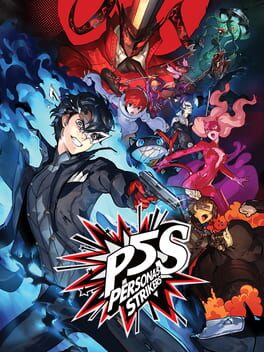
Over the years, Omega Force has become a development partner for several major Japanese franchises. Its collaborations include One Piece: Pirate Warriors (2012), Hyrule Warriors (2014), Dragon Quest Heroes (2015), Fire Emblem Warriors (2017) and Persona 5 Strikers (2020).
With Wild Hearts (2023), Dynasty Warriors: Origins (2025) and Pokémon Pokopia (2026), the studio continues to expand its catalogue while exploring gameplay approaches beyond its established historical action series.
History
1996-2003 — Foundation and the birth of Dynasty Warriors
Omega Force was established in 1996 as an internal development team at Koei, a publisher then primarily associated with historical strategy and simulation games. Its creation reflected the company's ambition to diversify into more action-oriented experiences.
Its first game, Dynasty Warriors (1997), was released for PlayStation. Unlike the later instalments that would define the franchise, it was a one-on-one fighting game featuring characters inspired by China's Three Kingdoms period.
In 1999, Omega Force developed WinBack: Covert Operations for Nintendo 64. This third-person action and shooting game featured a cover-based combat system, demonstrating the studio's early experimentation with different gameplay styles.
The decisive turning point came with Dynasty Warriors 2 (2000), released for PlayStation 2. Abandoning the original fighting-game format, it introduced battlefields populated by large numbers of soldiers, allowing players to control an officer capable of defeating entire groups of enemies.
This approach established the foundation of the musou genre. Dynasty Warriors 3 (2001) and Dynasty Warriors 4 (2003) expanded the formula with additional characters, scenarios and combat systems.
2004-2011 — Expansion of the Warriors franchises
In 2004, Omega Force launched Samurai Warriors, bringing the principles of Dynasty Warriors to feudal Japan during the conflicts between rival warlords. The game developed its own identity through Japanese historical figures and missions featuring varied objectives.
Both major franchises continued to evolve with Dynasty Warriors 5 (2005), Samurai Warriors 2 (2006) and Dynasty Warriors 6 (2007).
In 2007, Dynasty Warriors: Gundam applied large-scale combat mechanics to the giant robots of the Gundam franchise. This collaboration marked an important stage in the studio's work with intellectual properties beyond Koei's own catalogue.
That same year, Warriors Orochi brought together characters from Dynasty Warriors and Samurai Warriors in a shared fantasy setting. Its sequel, Warriors Orochi 2 (2008), expanded this crossover of characters and mythological elements.
These productions strengthened Omega Force's expertise in action games featuring powerful heroes battling vast armies, while allowing the studio to experiment within a recognisable gameplay framework.
2012-2019 — Collaborations with major Japanese franchises
From 2012 onward, Omega Force increasingly worked on adaptations of manga, anime and video game franchises.
One Piece: Pirate Warriors (2012) brought Eiichiro Oda's characters into an action game built around musou mechanics. Meanwhile, Dynasty Warriors 8 (2013) continued the development of the studio's central historical franchise.
In 2014, Omega Force collaborated with Team Ninja and Nintendo on Hyrule Warriors, combining the world of The Legend of Zelda with the combat systems of the Warriors series. The game incorporated Zelda's familiar characters, locations and items into large-scale battles.
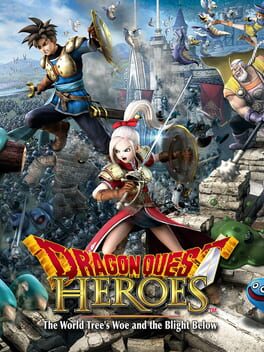
The studio subsequently developed Dragon Quest Heroes: The World Tree's Woe and the Blight Below (2015), combining action combat with role-playing elements from the Dragon Quest universe.
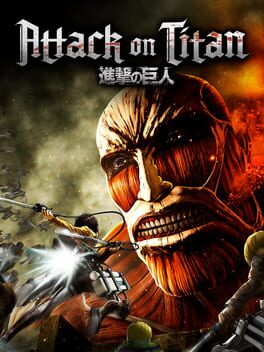
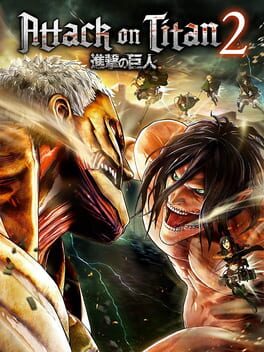
With Attack on Titan (2016) and Attack on Titan 2 (2018), Omega Force adapted Hajime Isayama's manga through three-dimensional movement mechanics and battles against Titans. These systems differed considerably from those found in traditional Warriors games.
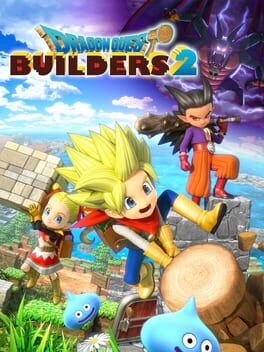
The studio also contributed to Fire Emblem Warriors (2017) and the development of Dragon Quest Builders 2 (2018), which combines exploration, construction and role-playing.
This period demonstrated Omega Force's ability to adapt its technology and gameplay systems to the requirements of substantially different franchises.
2020-2026 — New approaches and diversification
In 2020, Omega Force developed Hyrule Warriors: Age of Calamity, set in the world of The Legend of Zelda: Breath of the Wild. That same year, Persona 5 Strikers, developed in collaboration with Atlus, combined real-time combat, narrative progression and role-playing mechanics inspired by Persona 5.
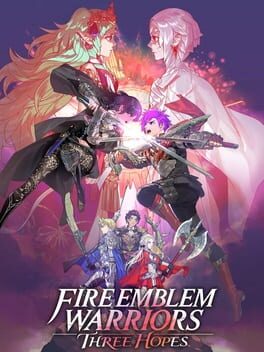
The studio returned to Nintendo's franchises with Fire Emblem Warriors: Three Hopes (2022), presenting an alternative storyline connected to Fire Emblem: Three Houses.
In 2023, Omega Force developed Wild Hearts, published by Electronic Arts under its EA Originals label. The hunting action game features battles against giant creatures known as Kemono and introduces Karakuri, structures that players can build during exploration and combat.
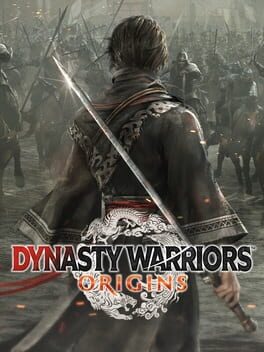
With Dynasty Warriors: Origins (2025), the studio returned to the foundations of its historical action franchise. The game follows an original protagonist through the conflicts of the Three Kingdoms, featuring densely populated battlefields and a greater emphasis on the movement and progression of armies.
In 2026, Omega Force participated in the development of Pokémon Pokopia, a collaborative project involving Koei Tecmo, Game Freak and The Pokémon Company. Released for Nintendo Switch 2, the game focuses on building, environmental customisation and everyday life alongside Pokémon.
This production illustrates another side of the studio, far removed from the large-scale combat that originally established its reputation.
Distinctive Features
Development of the musou genre
Omega Force helped establish the principles of modern musou games: a powerful playable character, hundreds of enemies, opposing officers, tactical objectives and large-scale battles. Popularised by Dynasty Warriors 2, this formula remains the studio's defining contribution to action gaming.
Battles inspired by history and fiction
The Dynasty Warriors and Samurai Warriors series draw from Chinese and Japanese history, while Warriors Orochi combines these traditions with mythology. Omega Force uses these settings to create battles involving historical and legendary characters.
Expertise in adapting established franchises
Omega Force collaborates with publishers and intellectual property holders including Nintendo, Bandai Namco, Square Enix and Atlus. Its adaptations generally preserve the characters and visual identities of their source material while introducing combat systems shaped by the studio's experience.
Experimentation beyond the Warriors series
From WinBack to Wild Hearts, as well as Attack on Titan, Dragon Quest Builders 2 and Pokémon Pokopia, Omega Force has explored shooting, aerial movement, hunting, construction and simulation mechanics. These projects extend its activities beyond traditional musou games.
Key Facts
- Founded: 1996, in Japan, within Koei.
- Parent group: Koei Tecmo.
- First game: Dynasty Warriors (1997), originally a one-on-one fighting game.
- Modern musou foundations: Dynasty Warriors 2 (2000), introducing large-scale battles.
- Other major historical series: Samurai Warriors, launched in 2004.
- Franchise crossover: Warriors Orochi (2007), bringing together characters from both historical series.
- Collaborations: Nintendo, Bandai Namco, Square Enix, Atlus and Electronic Arts.
- Adapted franchises: One Piece, The Legend of Zelda, Dragon Quest, Attack on Titan, Fire Emblem and Persona.
- Hunting action game: Wild Hearts (2023), developed with support from EA Originals.
- Return to the series' roots: Dynasty Warriors: Origins (2025).
- Pokémon project: Pokémon Pokopia (2026), co-developed with Game Freak and The Pokémon Company.
- Status: active development studio within Koei Tecmo.