Overview
Mana Books is a French publisher founded in 2017, originally specializing in publications devoted to video games.
The label belongs to AC Media, a French publishing group that also includes Ki-oon, specializing in manga, and Lumen, mainly devoted to imaginative literature.
Mana Books was created around a fairly precise idea: giving video games a larger place within French publishing.
Rather than limiting itself to practical guides, the publisher sought from the beginning to treat video games as a cultural universe capable of generating artbooks, encyclopedias, comics, novels, essays, illustrated books and documentary publications.
Its first releases in 2017 immediately established this direction.
Final Fantasy opened the catalog with a French edition of Memorial Ultimania, while publications devoted to Silent Hill, Overwatch and Bloodborne also appeared during the first months.
Mana Books therefore quickly built its identity around partnerships with major Japanese and Western video game companies.
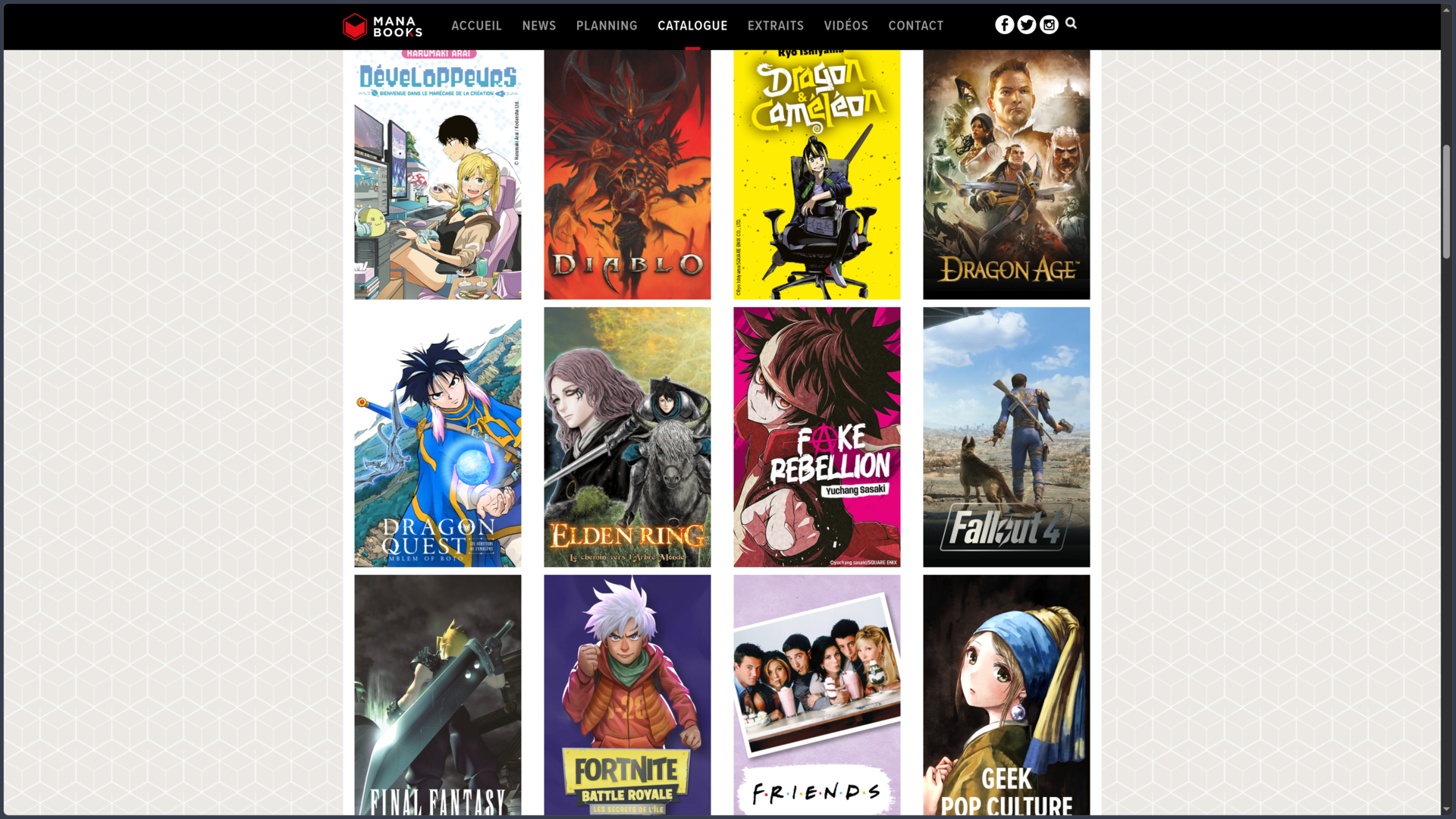
Over the years, the catalog has welcomed universes linked notably to Square Enix, FromSoftware, Bandai Namco, Blizzard, Ubisoft, Riot Games, Atlus, Sega, Sony, Microsoft and various international publishers specializing in licensed publications.
This approach allows Mana Books to explore the same property from several angles.
A universe such as Final Fantasy, for example, can be represented through encyclopedias, artbooks, manga and novels.
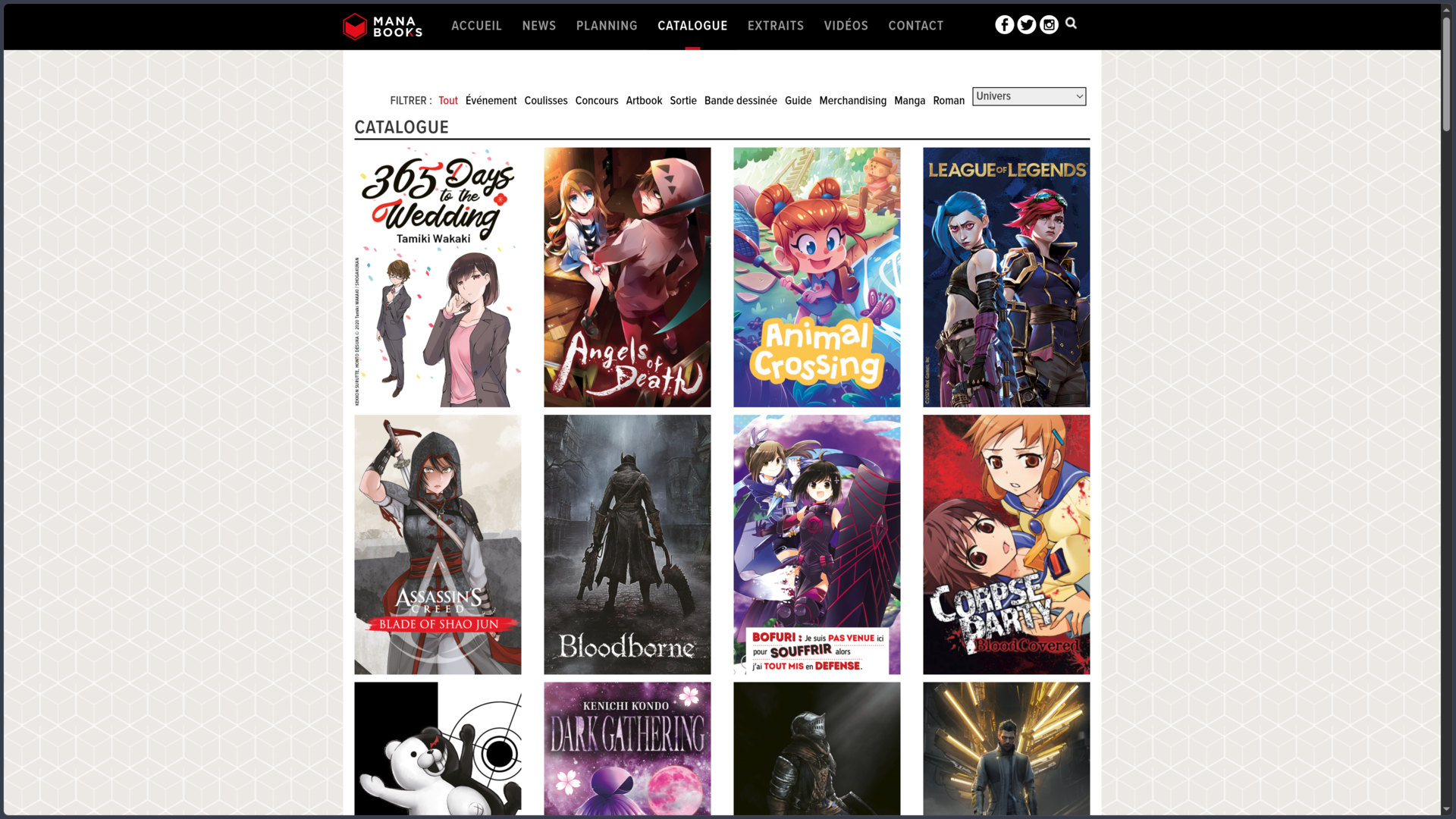
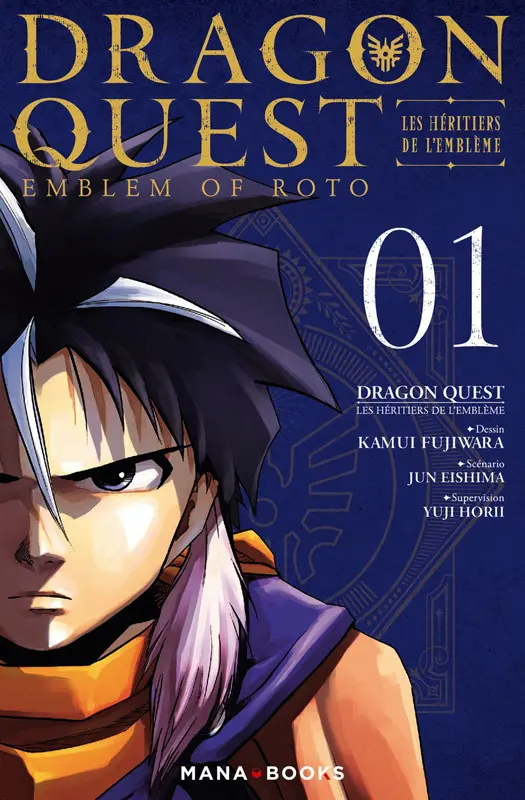
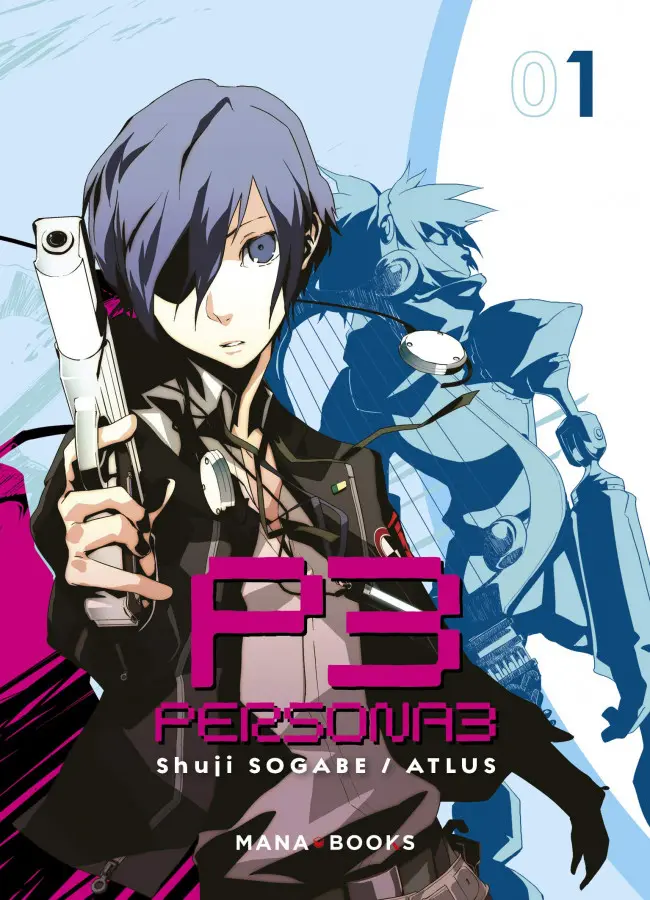
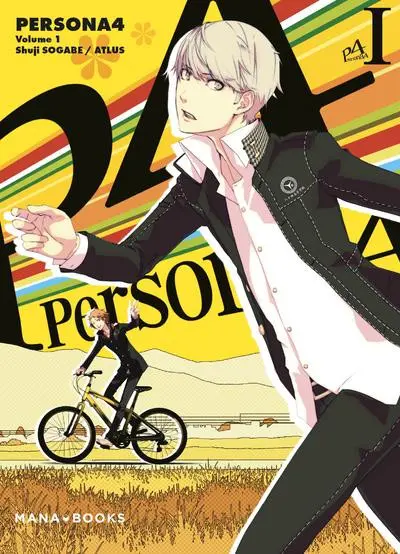
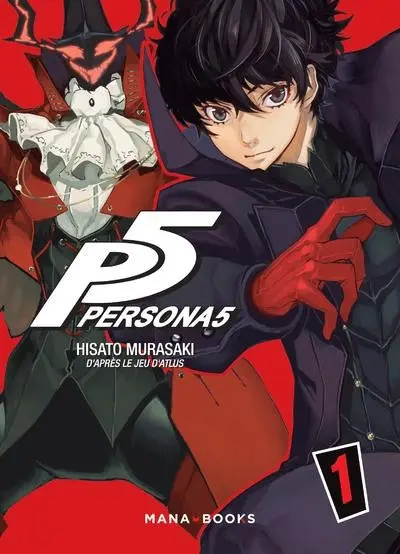
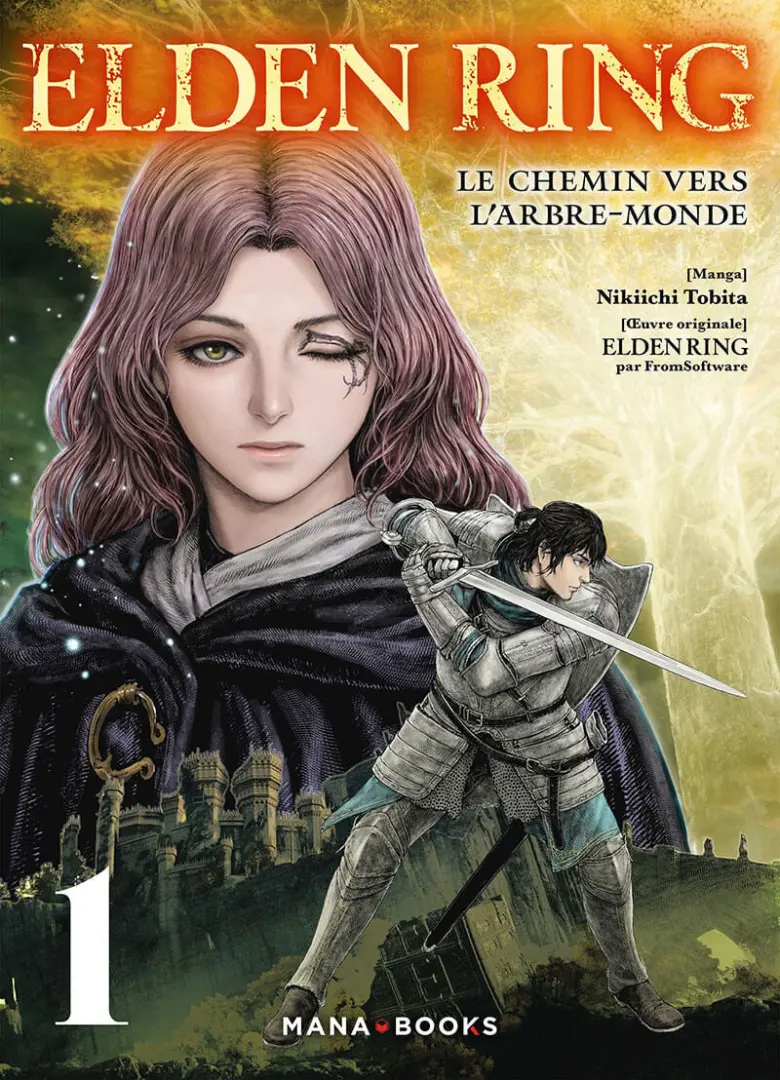
Other properties such as Assassin’s Creed, Overwatch, Elden Ring, Dark Souls, Persona, Genshin Impact, God of War and League of Legends also appear across a variety of formats.
The objective is therefore not simply to adapt a game into book form.
A significant part of the catalog instead seeks to document the creative process and extend fictional universes: concept art, visual research, development archives, spin-off stories, original narratives and texts devoted to the industry allow readers to explore what exists around the game itself.
Mana Books also developed a line of essays devoted to video games.
The publication of Jason Schreier’s Blood, Sweat, and Pixels in 2018 notably opened this documentary branch focused on the behind-the-scenes realities of game development.
Books such as Press Reset and Ask Iwata later continued this approach by focusing on developers, studios and the history of the industry.
The catalog gradually expanded beyond video games alone.
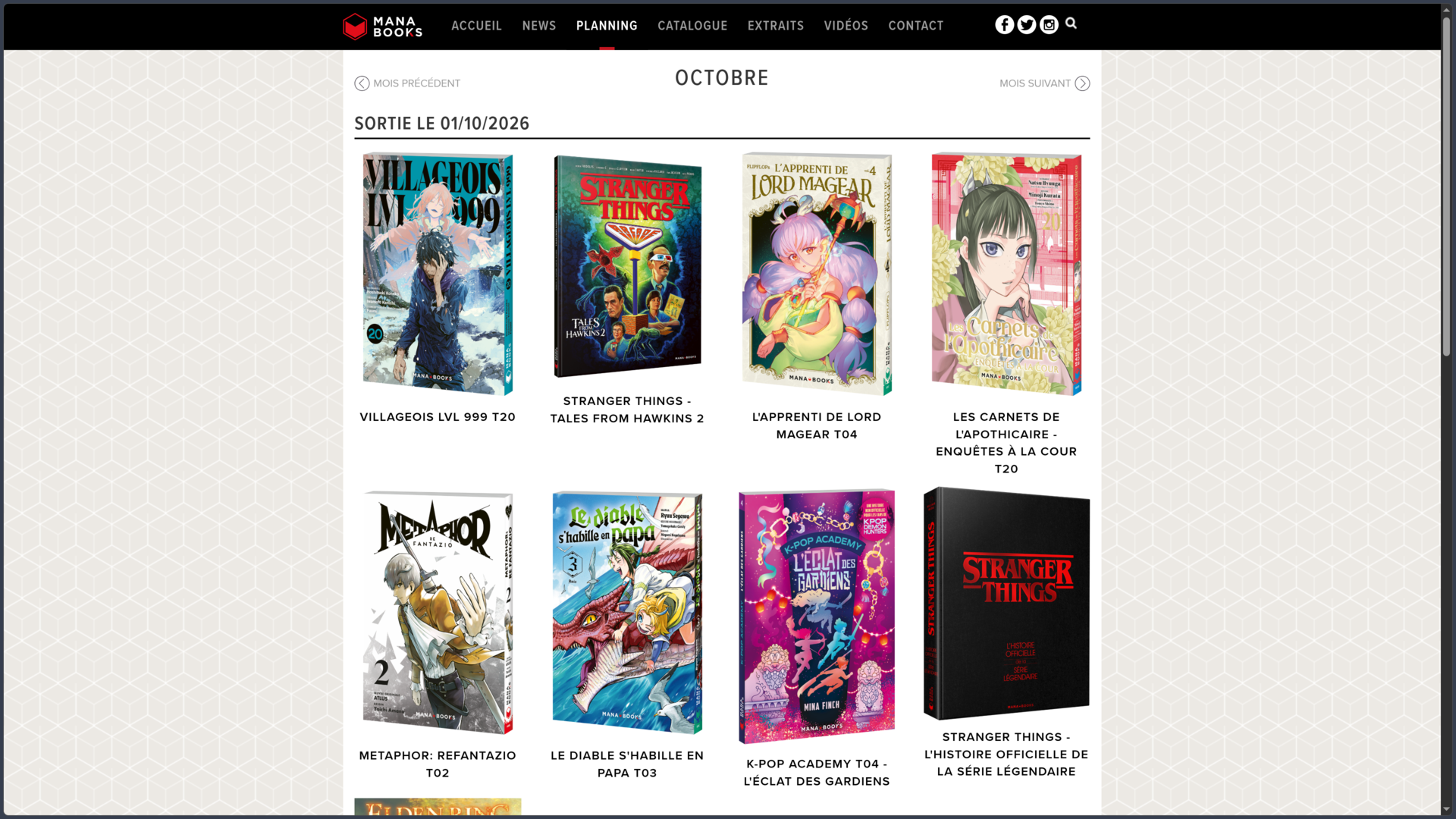
Properties originating from television series and other areas of pop culture, such as Stranger Things and Arcane, joined the publisher’s lineup.
Manga also took on an increasingly important role.
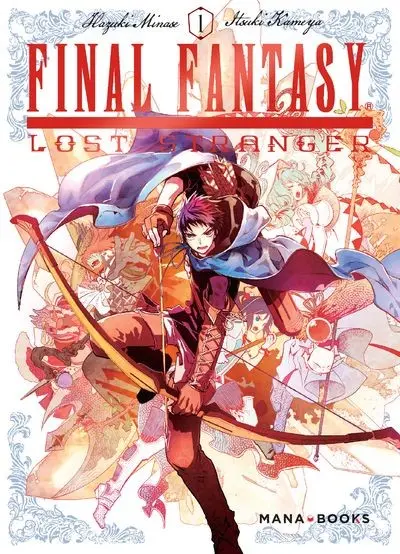
The first manga published by Mana Books was Final Fantasy Lost Stranger in 2018, which at the time remained perfectly consistent with its video game positioning.
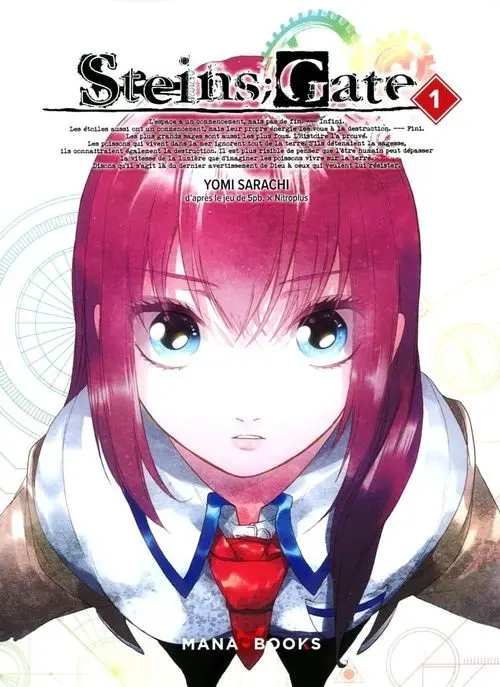
The manga line then diversified and gradually welcomed works no longer necessarily connected to a video game.
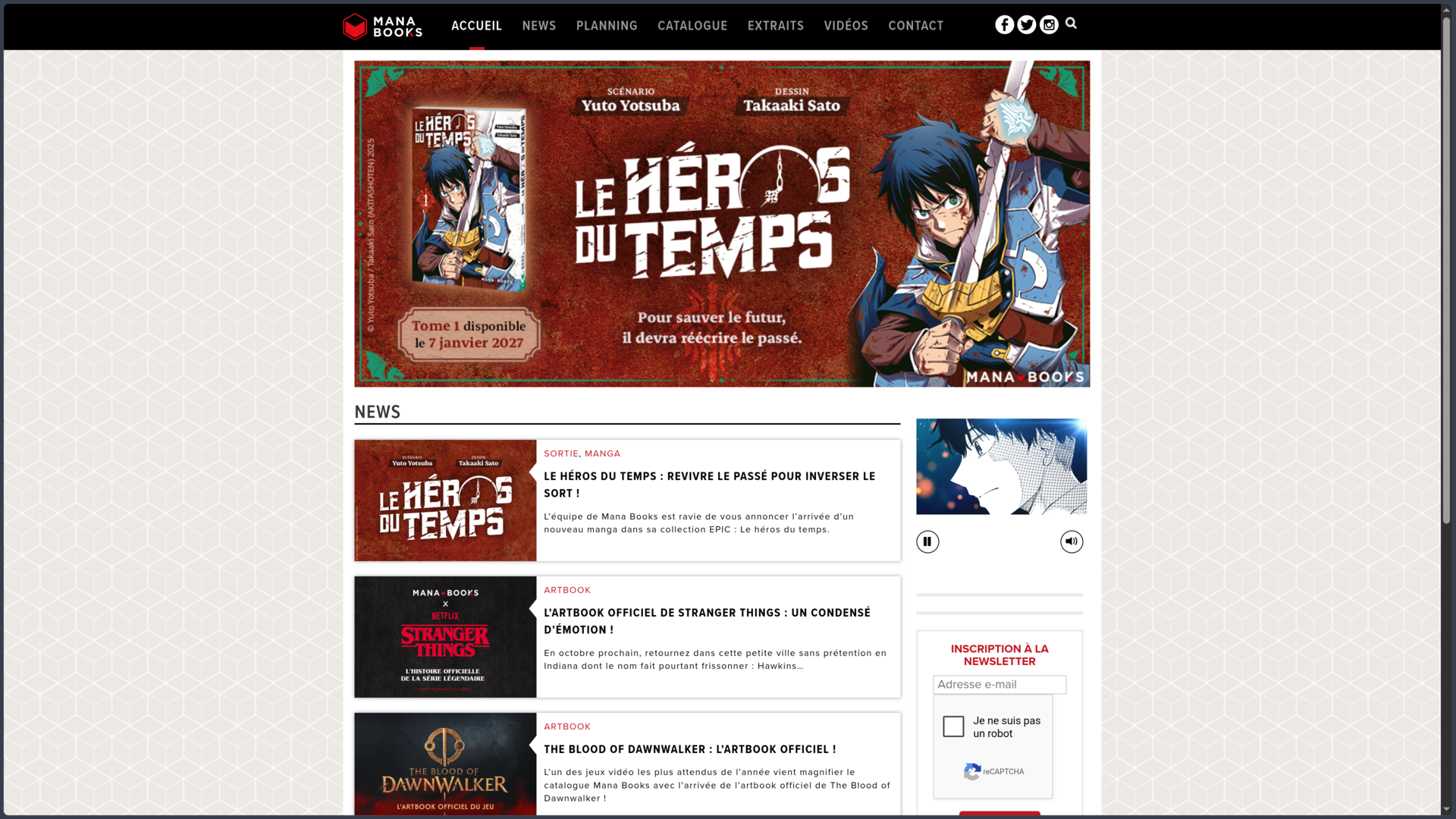
This evolution led Mana Books to structure its manga catalog around five collections: PIXEL, EPIC, LMAO, XOXO and CRYPT.
PIXEL preserves the publisher’s historical connection to video games, while the other collections make it possible to explore adventure and isekai, comedy, romance, slice of life and horror.
Mana Books therefore remains identifiable through its video game origins, but its current activity now extends far beyond books devoted only to gaming.
The publisher now operates as a meeting point between video games, manga, animation, television series and popular culture, while maintaining an important place for official editions and major international properties.
History
2017 — A publisher built around video games
Mana Books was launched in 2017 at the initiative of Ahmed Agne, co-founder of Ki-oon.
The project started from a simple observation: while video games occupied a considerable place in cultural practices, their universe was still relatively underrepresented within specialized French publishing.
Mana Books was therefore conceived as a label capable of publishing several types of works around the medium.
Its first book was released on October 5, 2017 with Final Fantasy: Official Encyclopedia Memorial Ultimania.
The launch was immediately accompanied by other major properties.
Silent Hill, Overwatch and Bloodborne allowed the catalog to combine Japanese and Western games, artbooks, comics and documentary publications from its very first year.
Mana Books’ identity was therefore already present from the beginning: treating video games not as a single category of books, but as a source capable of feeding several editorial formats.
2018-2020 — Manga, essays and the multiplication of formats
In 2018, Mana Books quickly developed new directions.
Final Fantasy Lost Stranger became the first manga published by the company.
The title remained directly linked to a major video game property, but opened a category that would later become much more important.
That same year, Blood, Sweat, and Pixels introduced another essential component of the catalog: essays and documentary works devoted to video game development.
Mana Books also published numerous artbooks and official works connected to universes such as Mass Effect, Metal Gear Solid, Dragon Age, God of War, Persona, Sekiro and Sonic.
This period gradually reinforced one of the publisher’s major characteristics: equal interest in games themselves and in their artistic and technical production.
Concept art, preparatory illustrations, developer commentary and production documents therefore became just as important as narrative adaptations.
2020-2023 — From a gaming publisher to a pop culture catalog
At the beginning of the 2020s, Mana Books continued to expand the number of properties represented.
The universes of League of Legends, Genshin Impact, Elden Ring, Hogwarts Legacy and new productions linked to Final Fantasy strengthened the video game side of the catalog.
At the same time, the catalog began to welcome more works originating from other areas.
Stranger Things notably became an important property through several comics and official books.
The boundary between video games and popular culture therefore became less rigid.
Mana Books retained its gaming DNA, but increasingly presented itself more broadly as a publisher devoted to pop culture.
Manga followed the same evolution.
After adaptations directly connected to video games, new independent series gradually joined the catalog.
2023 and beyond — Structuring the manga line and diversification
At the end of 2023, Mana Books announced the creation of five collections designed to structure its manga line.
PIXEL brings together titles linked to virtual worlds and video game properties.
EPIC focuses on adventure, fantasy and isekai.
LMAO welcomes comedies.
XOXO is devoted to romance and slice of life.
CRYPT groups together horror-oriented works.
This organization marks an important evolution.
Manga is no longer only an extension of video game properties: it now forms an autonomous editorial branch with its own genres and readership.
Mana Books does not abandon its origins, however.
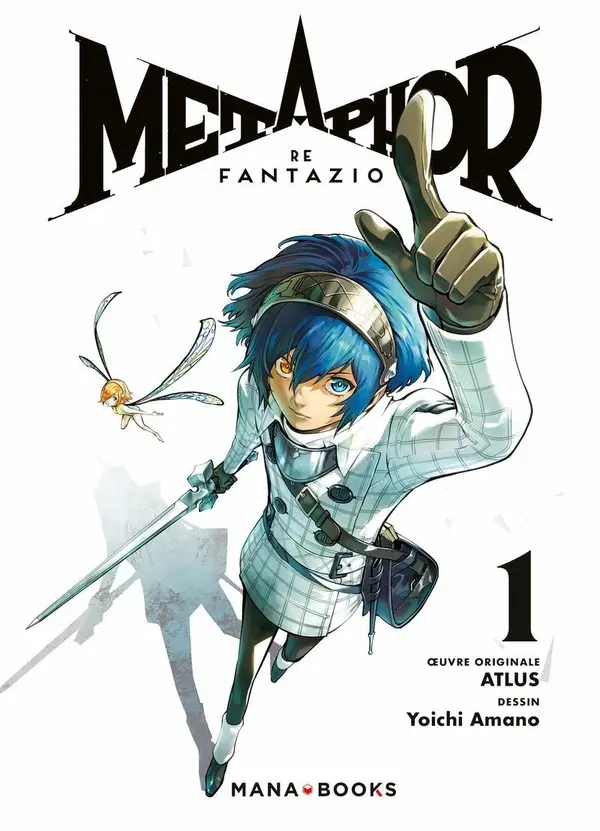
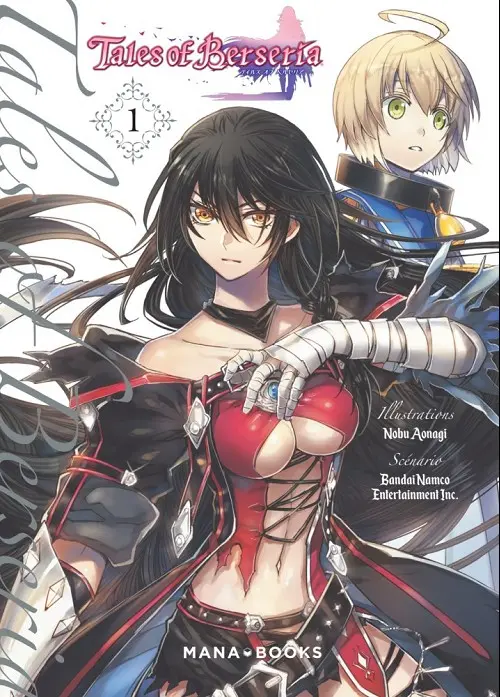
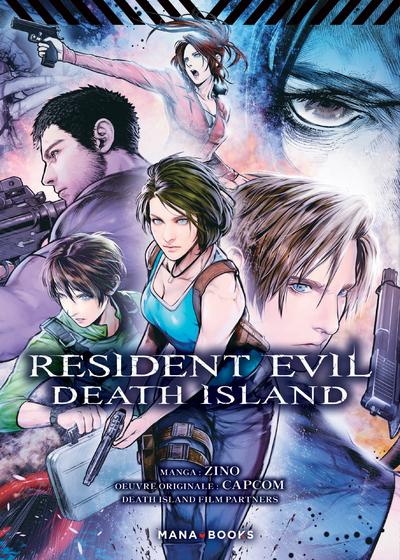
The PIXEL collection directly maintains the connection with video games, while manga based on properties such as Dark Souls, Assassin’s Creed, Persona, Resident Evil and Metaphor: ReFantazio continue to connect the two universes.
This relationship can even go beyond simply translating an existing work.
With Dark Souls Redemption, Mana Books develops an official original creation produced in collaboration with Bandai Namco, written by Julien Blondel and illustrated by Shonen.
The publisher therefore takes a direct role in creating new stories around video game properties.
In 2026, this approach remains at the heart of the catalog.
Mana Books continues to publish artbooks and official works linked to major productions such as Genshin Impact, Minecraft, Assassin’s Creed, Arcane and The Blood of Dawnwalker, while simultaneously developing new manga series and novels.
What sets it apart
Treating video games as a full publishing subject
Mana Books was founded around a relatively precise specialization: publishing around video games rather than simply producing game guides.
This difference structures its catalog.
A game can lead to an artbook devoted to its artistic direction, an encyclopedia exploring its universe, a comic expanding its story or a novel extending certain characters.
The publisher therefore treats video games in the same way cinema or literature can be treated: as creative works with their own authors, archives, universes and extensions.
Multiplying formats around the same culture
The Mana Books catalog is intentionally difficult to reduce to a single category of books.
Artbooks, manga, comics, novels, essays, encyclopedias and illustrated publications coexist.
This diversity allows readers to rediscover a familiar property through several forms.
It also allows the publisher to work with very different contributors: development studios, video game publishers, manga artists, novelists, journalists, illustrators and television producers.
What connects these publications is therefore not their format, but their belonging to the same culture of contemporary entertainment.
A strong presence of official publications
Mana Books builds a significant part of its identity around official publications produced with license holders.
Artbooks and encyclopedias notably provide access to documents originating directly from studios: character research, environment concepts, illustrations, commentary and production archives.
This dimension distinguishes such publications from books that simply analyze a work.
The catalog often seeks to offer a direct extension of the original universe.
Connecting video games and manga
The relationship between video games and manga has now become one of Mana Books’ most visible characteristics.
It began naturally with titles directly derived from video game properties such as Final Fantasy Lost Stranger.
But the manga line gradually became much broader.
The creation of the PIXEL, EPIC, LMAO, XOXO and CRYPT collections makes it possible to preserve the branch devoted to gaming while giving the other genres their own identity.
Mana Books can therefore publish within the same catalog an adaptation of Dark Souls, a romance, a horror series and an artbook devoted to a major video game without completely losing the coherence of its brand.
Moving from translation to creation
Mana Books does not operate only as the French publisher of books created abroad.
Some projects are developed directly with license holders.
Dark Souls Redemption is an important example of this evolution: the manga is an official original creation designed with Bandai Namco and initially produced by Mana Books.
The publisher therefore moves from the role of localizer and distributor to that of creator of new licensed content.
This ability opens another way of extending video game universes beyond their original medium.
Good to know
- Mana Books was founded in France in 2017 at the initiative of Ahmed Agne.
- The label belongs to AC Media, a publishing group that also includes Ki-oon and Lumen.
- Mana Books’ first publication, Final Fantasy: Official Encyclopedia Memorial Ultimania, was released on October 5, 2017.
- The publisher has historically specialized in video games and the pop culture publications associated with them.
- Its catalog includes artbooks, comics, manga, novels, essays, encyclopedias and other illustrated publications.
- Final Fantasy Lost Stranger, published in 2018, was the first manga added to the Mana Books catalog.
- Since 2023, the manga line has been organized into five collections: PIXEL, EPIC, LMAO, XOXO and CRYPT.
- Mana Books works with many major properties including Final Fantasy, Dark Souls, Elden Ring, Persona, Assassin’s Creed, Genshin Impact, Overwatch, League of Legends and Stranger Things.
- With Dark Souls Redemption, the publisher also develops official original creations directly connected to video game properties.
- In 2026, Mana Books still belongs to the independent French group AC Media.