










Overview
Kodansha is a Japanese publishing house founded in 1909 in Tokyo by Seiji Noma.
Its history extends far beyond manga.
Novels, essays, reference works, children’s literature, news magazines, fashion, photography, illustrated books and comics have successively contributed to building a company that became one of Japan’s leading publishing groups.
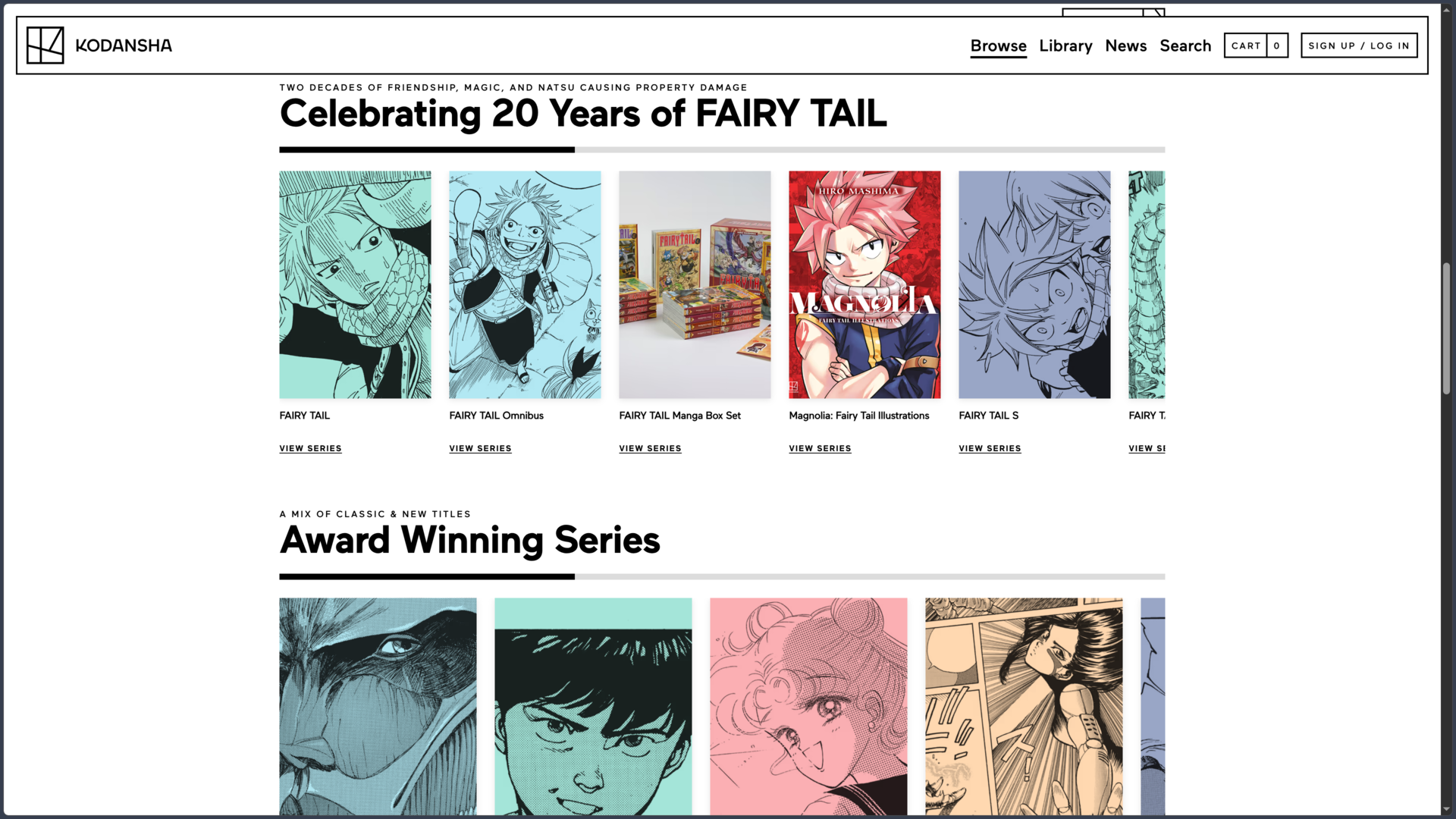
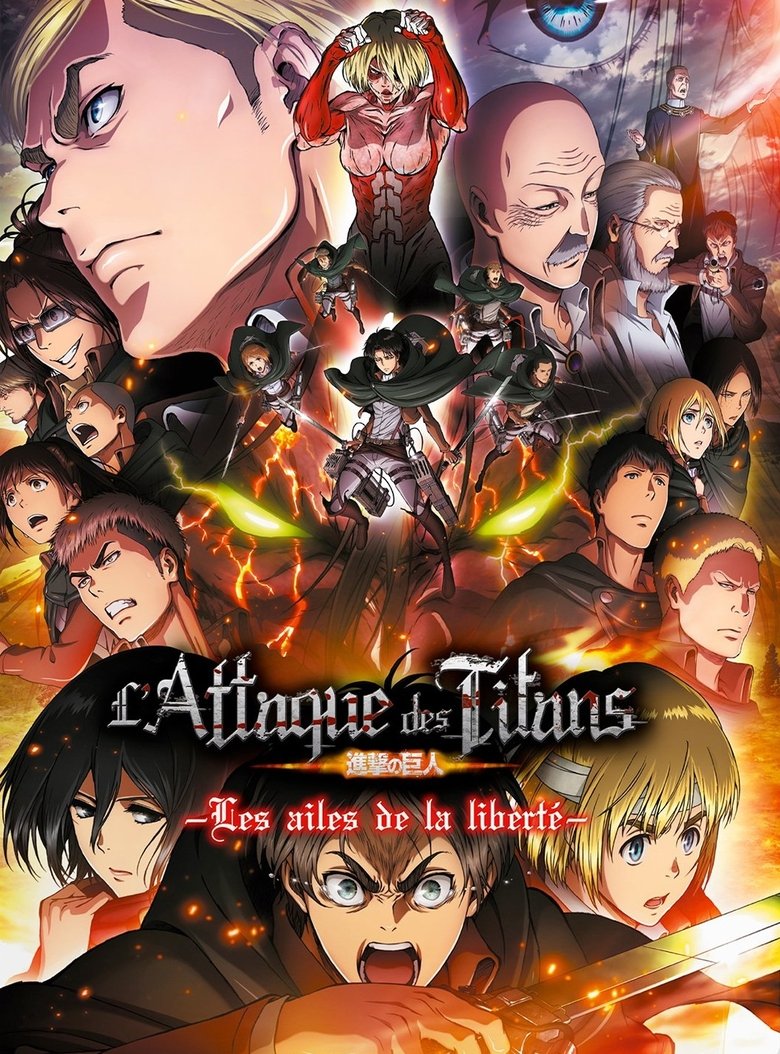
Internationally, however, its name is now especially associated with works such as Akira, The Ghost in the Shell, Sailor Moon, Cardcaptor Sakura, Initial D, Fairy Tail, L’Attaque des Titans, The Seven Deadly Sins, Tokyo Revengers, Blue Lock, Vinland Saga, Witch Hat Atelier and Hajime no Ippo.
These titles do not come from a single magazine.
That is precisely one of Kodansha’s essential characteristics.
The publishing house operates through several specialized editorial departments, able to publish manga aimed at very different audiences, publication rhythms and sensibilities.
Nakayoshi, created in 1954, became one of the major historical magazines aimed at young female readers.
Throughout its history, it notably hosted Sailor Moon by Naoko Takeuchi and Cardcaptor Sakura by CLAMP.
Weekly Shonen Magazine, launched in 1959, is one of the major pillars of Japanese shōnen manga.
Its historical catalogue includes Ashita no Joe, Hajime no Ippo, Fairy Tail, The Seven Deadly Sins, Tokyo Revengers, Blue Lock and many other series.
Kodansha simultaneously developed publications aimed at an older readership.
Young Magazine notably hosted Akira by Katsuhiro Otomo and Initial D by Shuichi Shigeno, while The Ghost in the Shell by Masamune Shirow appeared in 1989 in a supplement within this editorial environment.
Morning developed a particularly broad adult line, ranging from social or professional narratives to historical fiction, everyday life and experimentation.
Afternoon, for its part, became another major space for seinen and notably hosted works such as Vinland Saga, Witch Hat Atelier and Blue Period.
These titles are joined by Monthly Shonen Magazine, Bessatsu Shonen Magazine, Monthly Shonen Sirius and several digital platforms.
L’Attaque des Titans by Hajime Isayama therefore began in Bessatsu Shonen Magazine in 2009, not in Weekly Shonen Magazine.
This organization is important for PANACHES CULTURE.
Saying that a work is “published by Kodansha” identifies the publishing house.
The serialization magazine then indicates the specific editorial department and environment in which the work was created or developed.
Kodansha’s role does not simply consist of printing volumes once the manga are finished.
As with other major Japanese publishers operating through serialization, editorial teams work with mangaka during the creative process, organize the regular publication of chapters, support the development of series and later collect those chapters into volumes.
Kodansha has also long developed awards and systems for discovering new creators.
The Kodansha Manga Award, created in 1977, recognizes works published across different areas of manga.
Even today, the teams behind Weekly Shonen Magazine, Young Magazine, Morning, Afternoon, Monthly Shonen Magazine and Sirius take part in systems designed to find new creators.
This editorial relationship does not mean, however, that Kodansha itself creates every adaptation of its works.
L’Attaque des Titans is created by Hajime Isayama.
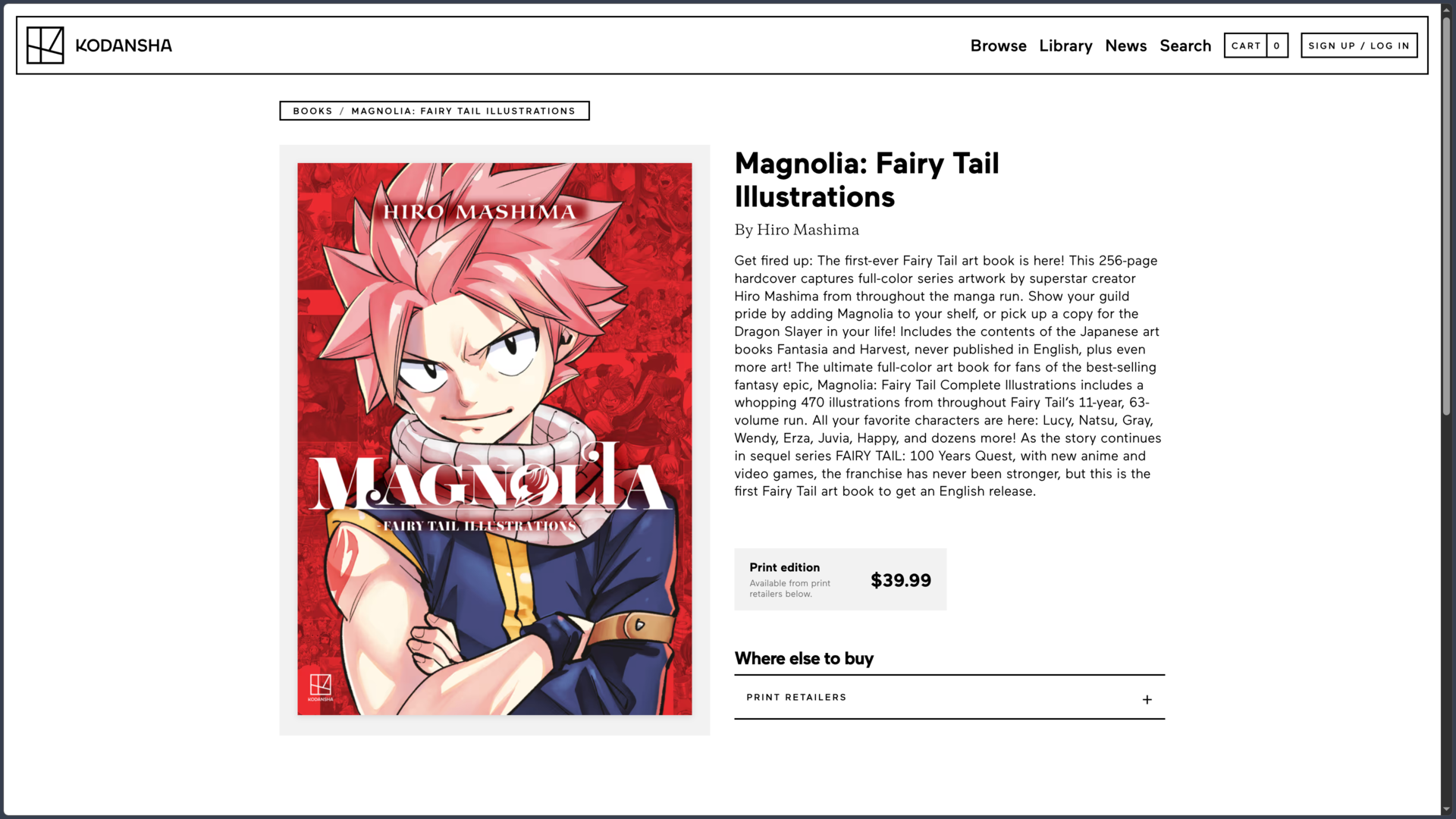
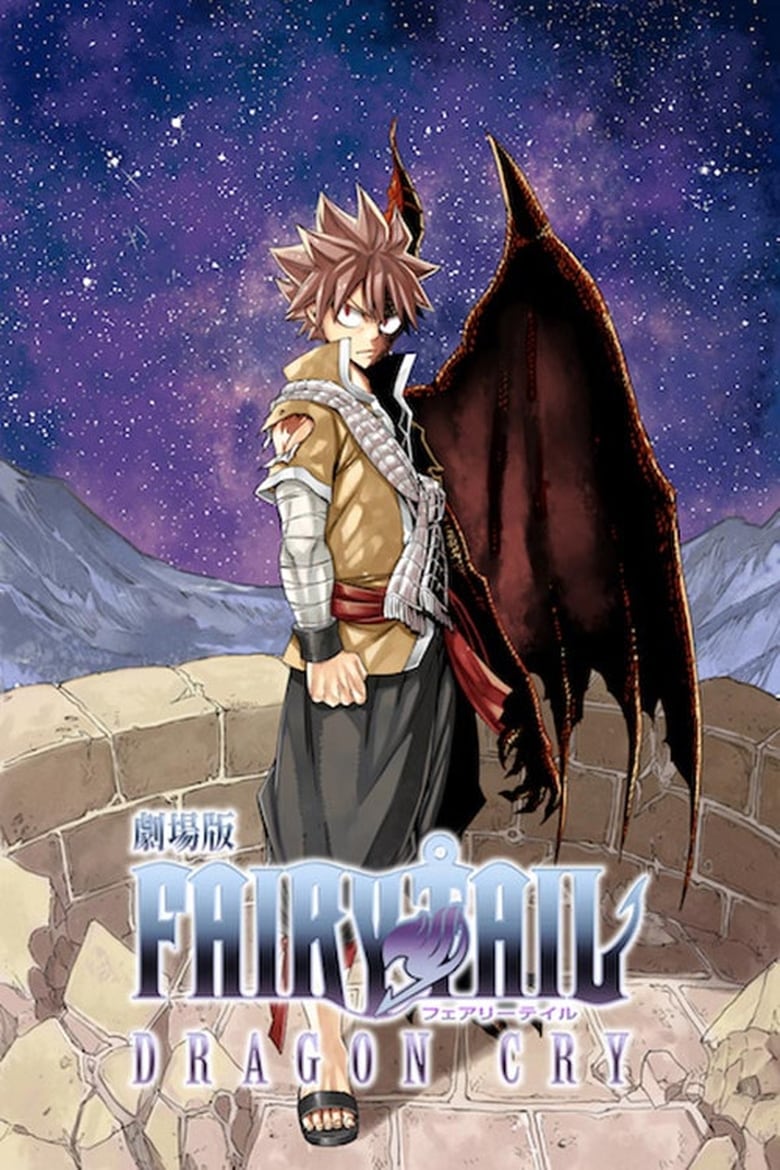
Fairy Tail is created by Hiro Mashima.
Blue Lock is written by Muneyuki Kaneshiro and drawn by Yusuke Nomura.
Kodansha acts as their Japanese publisher and participates in the exploitation of their rights.
But anime, films, series, games and merchandise then involve other companies: animation studios, producers, broadcasters, manufacturers and developers.
An anime adapted from a Kodansha manga therefore does not become a direct production of the publishing house simply because the original work belongs to its editorial catalogue.
This distinction is all the more important because several Kodansha properties have developed considerable international careers.
Akira, serialized from 1982 onward, became one of the foundational works of Japanese cyberpunk, and its animated adaptation contributed greatly to its global distribution.
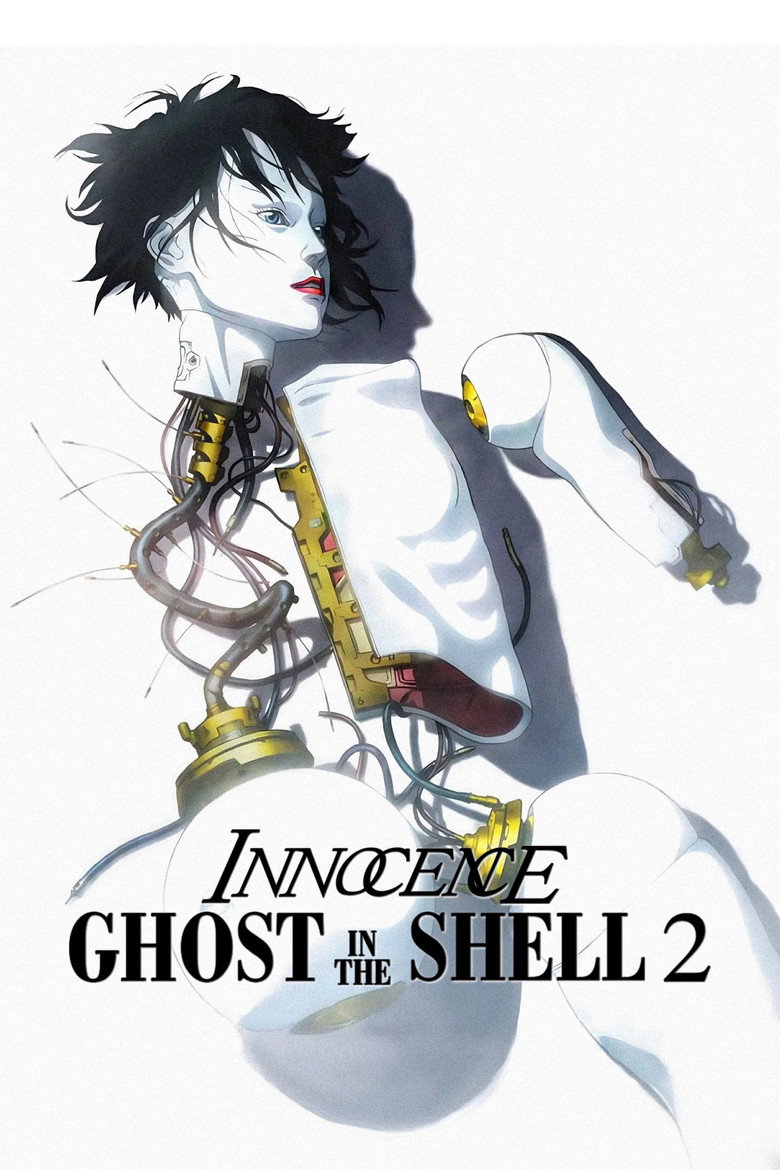
The Ghost in the Shell, published from 1989 within the Young Magazine environment, later developed several generations of anime, films and series.
Sailor Moon became a major international franchise originating from Nakayoshi in the early 1990s.
L’Attaque des Titans surpassed 100 million copies printed worldwide in 2019.
Fairy Tail, Tokyo Revengers, Blue Lock and other series in turn built significant international audiences.
But Kodansha remains a general publishing house.
This dimension is visible from its origins.
Seiji Noma did not found the company to publish manga, which obviously did not yet occupy the industrial position it would gain several decades later.
His project initially revolved around magazines, the transmission of knowledge, popular education and entertainment.
The historic motto “omoshirokute tame ni naru”, which can be understood as the idea of offering something both interesting and useful, became a lasting editorial principle from the 1910s onward.
Literature and nonfiction therefore occupy a central place in Kodansha’s history.
The literary magazine Gunzō was launched in 1946.
The publishing house has published numerous Japanese and foreign writers.
Totto-chan: The Little Girl at the Window by Tetsuko Kuroyanagi became one of Japan’s major publishing phenomena from 1981 onward.
Norwegian Wood by Haruki Murakami is also among the major books published by Kodansha.
The company simultaneously developed paperback collections, scientific works, dictionaries, general-interest magazines, weekly press and fashion magazines such as ViVi.
This diversity explains Kodansha’s current positioning.
The company now presents its activities as covering comics, novels, culture and knowledge, journalism, fashion, children’s picture books, animation and video games, with a growing desire to extend its content beyond books.
International development is now one of the major parts of this transformation.
Kodansha first participated in the Frankfurt Book Fair in 1962, then created Kodansha International in 1963.
The company established a subsidiary in China in 2005 and then Kodansha USA Publishing in 2008.
The latter publishes manga in English, as well as novels, essays, practical books and works devoted to Japanese culture.
It should not be confused with Kodansha Ltd.
Kodansha Ltd. is the original Japanese publisher. Kodansha USA Publishing is its North American subsidiary, responsible notably for English-language publishing.
In 2011, Kodansha also invested in Vertical, strengthening its publishing activity in North America.
In 2013, the publishing house simultaneously distributed twelve manga series through Crunchyroll in around 180 countries, marking an important step toward international digital publication close to the Japanese release schedule.
The transformation continued with various Japanese digital platforms such as Magazine Pocket and COMIC DAYS.
Then, in May 2023, Kodansha launched K MANGA, its official manga reading service.
The platform began in the United States with around 400 titles, including roughly sixty offered in simultaneous publication with Japan.
L’Attaque des Titans, Tokyo Revengers, Fairy Tail, Blue Lock, Rent-A-Girlfriend, Witch Hat Atelier and The Ghost in the Shell are part of the service environment.
K MANGA marks an important evolution: Kodansha no longer simply licenses its rights to foreign publishers.
The publishing house can also establish a direct digital relationship with some international readers.
This logic complements, rather than necessarily replacing, local publishers responsible for print editions or translations in different territories.
In 2026, Kodansha Ltd. remains based in Otowa, Bunkyo, Tokyo.
The company is led by Yoshinobu Noma, the seventh president in its history.
More than a century after Seiji Noma, the company therefore retains a particularly broad model: developing works within specialized editorial departments, publishing them across several formats, organizing their rights and then supporting them as they move from the Japanese market toward global distribution.
History
1909: Seiji Noma founds Dai Nippon Yuben Kai
In November 1909, Seiji Noma founded a company in Tokyo called Dai Nippon Yuben Kai.
The project was initially closely connected to public speaking and the transmission of knowledge.
Seiji Noma considered publishing a way of allowing a broad public to access education, culture and knowledge useful in everyday life.
In 1910, the company launched the magazine Yuben.
This first activity established the model around which Kodansha would develop: creating identifiable magazines aimed at specific audiences and capable of bringing together information, education and entertainment.
1911: the Kodansha name appears
In 1911, Seiji Noma created Kodansha and launched Kodan Club.
The term “kodan” refers to a Japanese tradition of oral storytelling.
The current company nevertheless considers 1909 its founding year, since it represents the direct continuity of Dai Nippon Yuben Kai.
This distinction explains why two dates appear when tracing the history of the name.
1909 corresponds to the founding of the current company; 1911 to the appearance of Kodansha within its editorial development.
1916: “interesting and useful” becomes an editorial principle
In 1916, Kodansha launched Omoshiro Club.
Seiji Noma then formulated the idea that would become one of the publishing house’s historical principles: offering content that was both interesting and useful.
This formula endured through the company’s transformations.
It helps explain why Kodansha has always brought together popular entertainment, literature, journalism, educational works and, later, manga.
The publishing house therefore did not build its identity around a single genre, but around different ways of telling stories and transmitting knowledge.
1924: King reaches a mass audience
In 1924, Kodansha launched the magazine King.
The title later became the first Japanese magazine to exceed one million copies.
This success confirmed the company’s ability to operate on a mass scale.
By the mid-1920s, Kodansha already owned several magazines aimed at different readers.
The editorial segmentation that would later characterize its manga magazines therefore existed long before their appearance.
1925: Dai Nippon Yuben Kai and Kodansha are brought together
In 1925, the company adopted the name Dai Nippon Yuben Kai Kodansha.
By this period, its range of magazines already covered several audiences and subjects.
Kodansha became one of the central players in Japanese periodical publishing.
Manga was still only one component among others within illustrated media and popular entertainment.
The publishing house’s economic strength primarily relied on general-interest magazines.
The 1930s-1940s: diversification and war
Kodansha continued to grow during the 1930s.
Its historic headquarters in Otowa, Tokyo, was completed in 1934.
The wartime period, however, imposed a deeply constrained environment on Japanese publishing.
Like other major players in the sector, Kodansha participated in a publishing system subject to the demands and controls of the militarized state.
The publishing house now recognizes this period as a difficult part of its history.
After 1945, it had to reposition its activity within postwar Japan.
1946: Gunzō strengthens literature
In 1946, Kodansha launched the literary magazine Gunzō.
The publication became one of Japan’s major spaces devoted to contemporary literature.
The role of Gunzō is a reminder that Kodansha never became a company devoted solely to manga.
Literature and written creation remained durably present alongside popular magazines.
1954: Nakayoshi opens a major space for female-oriented manga
In 1954, Kodansha launched Nakayoshi.
The magazine gradually became one of Japan’s major publications aimed at young female readers.
Across generations, its catalogue contributed to the transformations of shōjo manga.
Decades later, Sailor Moon and then Cardcaptor Sakura became two of the internationally best-known works to emerge from this environment.
Nakayoshi also demonstrates that Kodansha’s manga history did not begin with shōnen.
The publishing house developed several readerships in parallel.
1958: the company permanently adopts the Kodansha name
In 1958, Dai Nippon Yuben Kai Kodansha took the current name Kodansha Ltd.
This simplification accompanied a new phase in the history of the publishing house.
Postwar Japan was experiencing strong economic growth and mass publishing was entering a new era.
Kodansha was about to launch one of the magazines that would durably structure its manga activity.
1959: the birth of Weekly Shonen Magazine
In 1959, the company’s fiftieth anniversary year, Kodansha launched Weekly Shonen Magazine as well as the general-interest weekly Weekly Gendai.
The new manga magazine became one of the major titles in the Japanese sector.
It quickly published works able to accompany several generations of readers.
Star of the Giants and then Ashita no Joe notably contributed to its historical development.
The publication later became home to series such as Hajime no Ippo, Fairy Tail, The Seven Deadly Sins, Tokyo Revengers and Blue Lock.
The 1960s: internationalization and editorial diversification
Kodansha participated in the Frankfurt Book Fair for the first time in 1962.
In 1963, it created Kodansha International.
That same year, the publishing house also launched Blue Backs, a popular science collection.
In 1964, Kodansha Gendai Shinsho appeared, devoted to accessible works on society, the humanities and culture.
These initiatives reveal two lasting directions.
Kodansha sought to distribute its content beyond Japan while strengthening its general and educational publishing activity.
1971-1977: paperbacks and recognition of manga
In 1971, the publishing house launched its Kodansha Bunko paperback collection.
Paperbacks became another important part of its activity.
In 1977, Kodansha created the Kodansha Manga Award.
The prize accompanied the growing recognition of manga as a major publishing form.
Over time, different categories made it possible to distinguish works aimed at several audiences.
The award also became a visibility tool for the publishing house’s vast manga catalogue.
1980-1982: Young Magazine and Akira
At the beginning of the 1980s, Kodansha strengthened its manga activity aimed at young adults with Young Magazine.
In 1982, Katsuhiro Otomo began Akira there.
The series developed a futuristic Tokyo marked by politics, violence, science, youth and bodily transformation.
Its graphic and narrative ambition quickly gave it a distinctive place.
The animated adaptation made a few years later further strengthened its international reach.
Akira gradually became one of the most influential Japanese cyberpunk works and one of the global symbols of the Kodansha catalogue.
The 1980s: developing several seinen spaces
The growth of adult manga did not rely solely on Young Magazine.
Kodansha also developed Morning and Afternoon, whose editorial lines allowed them to welcome very different narratives.
These publications gave significant space to longer, social, historical, everyday or experimental stories.
Over time, they became the starting point for numerous acclaimed works.
This plurality prevented Kodansha from depending on a single manga model.
1989: The Ghost in the Shell joins the Young Magazine environment
In 1989, Masamune Shirow published The Ghost in the Shell in Young Magazine Kaizokuban, a supplement linked to the Young Magazine environment.
The work combines cybercrime, artificial intelligence, bodily augmentation, digital networks and questions of identity.
Its numerous animated adaptations subsequently developed a much broader international universe.
As with Akira, however, the original editorial work and its adaptations must be distinguished.
Kodansha publishes the manga.
The films and series are produced by other production structures.
The 1990s: Sailor Moon, Initial D and mass circulation
The 1990s brought several major works to very different areas of the publishing house.
Sailor Moon by Naoko Takeuchi transformed the Nakayoshi catalogue and became an international franchise.
Initial D by Shuichi Shigeno developed a car-racing culture within Young Magazine that would extend far beyond manga.
Cardcaptor Sakura by CLAMP in turn joined Nakayoshi.
On the Weekly Shonen Magazine side, the magazine’s circulation reached a historical peak.
In 1997, a double issue had a print run of 4.4 million copies.
Kodansha demonstrated that it could compete at the highest level of the Japanese market while spreading its successes across several editorial departments.
The 2000s: Fairy Tail and a new generation of franchises
In 2006, Fairy Tail by Hiro Mashima joined the catalogue.
The series became one of Weekly Shonen Magazine’s major international successes.
Kodansha simultaneously developed several new magazines, including Monthly Shonen Sirius from 2005 onward.
The digital market also began gradually transforming reading habits.
The publishing house then prepared a strategy combining Japanese publication, international licensing and electronic distribution.
2008: the creation of Kodansha USA Publishing
In 2008, Kodansha founded Kodansha USA Publishing in the United States.
The objective was to strengthen direct English-language publishing and distribution of the publishing house’s content.
The subsidiary publishes manga, but also novels and different categories of Japanese books translated into English.
This structure does not replace Kodansha Ltd.
It acts as its publishing relay in the North American market.
A work such as L’Attaque des Titans therefore remains a Japanese Kodansha publication even when its English edition carries the Kodansha USA name.
2009: L’Attaque des Titans begins in Bessatsu Shonen Magazine
In 2009, Hajime Isayama began L’Attaque des Titans in Bessatsu Shonen Magazine.
The series gradually became one of Kodansha’s greatest international successes.
Its animated adaptation considerably accelerated its global reach.
In 2019, Kodansha announced that the manga had surpassed 100 million copies printed worldwide.
This success also demonstrated that the publishing house could create a global franchise outside Weekly Shonen Magazine.
2011: Yoshinobu Noma becomes president and Vertical joins the North American environment
In 2011, Yoshinobu Noma became Kodansha’s seventh president.
That same year, the company invested in Vertical, a North American publisher specializing notably in Japanese works.
The international strategy gradually became more direct.
Kodansha no longer wanted to work only through occasional licenses.
It developed structures capable of publishing its works over the long term in several markets.
2013: publishing simultaneously on an international scale
In 2013, Kodansha made twelve manga titles simultaneously available on Crunchyroll, with distribution announced in around 180 countries.
This operation represented an important step.
It reduced the delay between Japanese publication and official international reading.
The system anticipated the simulpublication strategies that would become much more important during the following decade.
Japanese digital publishing becomes a new editorial space
Kodansha gradually developed several digital platforms.
Magazine Pocket notably extends the Shonen Magazine environment.
COMIC DAYS brings together other editorial departments and works.
Palcy also develops an offering aimed at other audiences.
These services are not used only to reproduce print magazines.
They can host their own series, experiment with new publication rhythms and allow works to find readers directly on smartphones.
The historical logic of the magazine therefore evolves into a hybrid ecosystem between print and digital.
2017-2022: Tokyo Revengers, Blue Lock and renewal of the catalogue
New works allow Kodansha to continue renewing itself.
Tokyo Revengers becomes one of the major modern successes of Weekly Shonen Magazine.
Blue Lock in turn develops an approach to sports manga built around individual competition, striker development and a strong visual identity.
Other titles from different editorial departments, such as Witch Hat Atelier, Blue Period, That Time I Got Reincarnated as a Slime and Rent-A-Girlfriend, illustrate the contemporary diversity of the catalogue.
Kodansha thus continues to produce major series without depending on a single magazine or genre.
2023: K MANGA creates a direct connection with international readers
On May 10, 2023, Kodansha launched K MANGA.
It was the company’s first manga distribution service directly operated outside Japan on this scale.
At its American launch, around 400 titles were offered.
Around 60 series were expected to receive chapters published simultaneously with Japan.
The selection included both historical works and contemporary series.
The service notably offered L’Attaque des Titans, Tokyo Revengers, Fairy Tail, The Ghost in the Shell, Blue Lock, Rent-A-Girlfriend and several creations from Magazine Pocket or other Kodansha editorial departments.
Kodansha today
In 2026, Kodansha Ltd. remains based in Otowa, Bunkyo, Tokyo, where the company maintains its historic headquarters.
Yoshinobu Noma is its representative president.
The publishing house continues to present its activity as general publishing covering manga, novels, culture and knowledge, journalism, fashion and children’s publishing, while giving increasing importance to digital publishing, rights, audiovisual adaptations and video games.
Its international activity now operates on several levels.
Kodansha publishes the original works in Japan.
Subsidiaries such as Kodansha USA Publishing develop local editions.
Licensed partners work in other languages and territories.
Services such as K MANGA simultaneously allow direct distribution of certain content.
This layering summarizes the evolution of the publishing house: an early 20th-century magazine publisher that became a global manager of catalogues and cultural properties without ceasing to be, first and foremost, a publishing house.
What sets it apart
A manga publishing house built on a much older editorial culture
Kodansha existed for almost half a century before the launch of Weekly Shonen Magazine.
Its organization around specialized magazines, identified audiences and autonomous editorial teams was therefore not born with modern manga.
It came from a press culture built from the first decades of the 20th century.
Manga was later integrated into this model and eventually became one of its most important forms of expression.
This historical depth distinguishes Kodansha from a publisher created directly around comics.
Not depending on a single flagship magazine
Kodansha has several major entry points into manga.
Weekly Shonen Magazine is an essential pillar, but it does not summarize the publishing house.
Nakayoshi represents a long shōjo tradition.
Young Magazine hosts a major part of seinen.
Morning and Afternoon develop their own editorial cultures.
Bessatsu Shonen Magazine, Monthly Shonen Magazine and Sirius further complete this structure.
This organization allows Kodansha to produce successes simultaneously in extremely different sectors.
Bringing Akira, Sailor Moon and L’Attaque des Titans together in the same catalogue
The diversity of its works illustrates Kodansha’s range.
Akira uses science fiction and cyberpunk.
Sailor Moon belongs to a shōjo and magical girl tradition.
Hajime no Ippo builds a long-running sports series.
Fairy Tail develops adventure fantasy.
L’Attaque des Titans combines action, war, fantasy and politics.
Blue Lock renews football manga.
Witch Hat Atelier develops yet another graphic and narrative sensibility.
These works do not follow the same audience or editorial logic, but they can all emerge within the same publishing house because of the diversity of its editorial departments.
Supporting creators instead of simply acquiring finished products
The Japanese serialization system places the publisher very close to the creative process.
Editors follow series, discuss projects with creators, organize publication rhythms and work on the way projects meet their audience.
Kodansha’s current systems for new mangaka bring together teams from Weekly Shonen Magazine, Monthly Shonen Magazine, Sirius, Young Magazine, Morning and Afternoon.
This organization shows that the search for new works remains integrated into the publishing house’s everyday operation.
Remaining generalist despite an international image dominated by manga
For a foreign reader, Kodansha often immediately evokes L’Attaque des Titans or Akira.
In Japan, its history is much broader.
The publishing house publishes novels, essays, scientific works, news magazines, fashion, children’s picture books and practical books.
It possesses a long literary tradition and major paperback collections.
This generalist activity allows Kodansha to move between popular culture, literature, information and the transmission of knowledge from its origins onward.
Turning adaptation rights into an extension of publishing without confusing different professions
Major Kodansha works often have multimedia careers.
Anime, films, live-action series, games, merchandise and events can multiply their audiences.
Kodansha participates in these developments through rights management and various partnerships.
But the publishing house is not automatically the studio that produces these adaptations.
A Kodansha manga, its anime and its video game may involve several different companies.
This distinction is essential for correctly mapping works and their entities within PANACHES CULTURE.
Gradually moving from international licensing to direct publishing
For a long time, international distribution of Japanese manga relied mainly on licensed foreign publishers.
Kodansha still largely uses this model.
But the creation of Kodansha USA Publishing in 2008, international simulpublication in 2013 and then K MANGA in 2023 show an evolution.
The publishing house is now developing several ways to reach readers outside Japan directly.
It can therefore simultaneously act as original publisher, licensor, local publisher through subsidiaries and operator of a digital platform.
Maintaining print and digital as complementary environments
Kodansha has not replaced its major magazines with applications.
Weekly Shonen Magazine, Young Magazine, Morning, Afternoon and other publications continue to exist.
At the same time, Magazine Pocket, COMIC DAYS, Palcy and K MANGA develop other forms of publication.
Some series can come from print.
Others can be born directly online.
Platforms can also offer chapters simultaneously across several markets.
Digital publishing therefore becomes an extension of the editorial structure rather than simply an additional reading format.
Clearly distinguishing Kodansha from Kodansha USA Publishing
This separation is essential within PANACHES CULTURE.
Kodansha Ltd. is the Japanese publishing house founded in 1909.
Kodansha USA Publishing is a subsidiary created in 2008 for the North American market.
A Japanese manga such as L’Attaque des Titans or Blue Lock should be linked to Kodansha as its original publisher.
Its English edition can then be linked to Kodansha USA when that specific publication needs to be documented.
The two entities are connected, but they do not perform exactly the same role.
Good to know
- Kodansha was founded in Tokyo in November 1909 by Seiji Noma, initially under the name Dai Nippon Yuben Kai; the Kodansha name appeared in its editorial development in 1911.
- In 1925, the company adopted the name Dai Nippon Yuben Kai Kodansha before officially becoming Kodansha Ltd. in 1958.
- The publishing house’s historical motto is based on the idea of offering content that is both “interesting and useful,” a principle formulated from the 1910s onward.
- Nakayoshi was launched in 1954 and became one of Kodansha’s major shōjo magazines, notably hosting Sailor Moon and Cardcaptor Sakura throughout its history.
- Weekly Shonen Magazine was created in 1959 and has published different generations of series including Hajime no Ippo, Fairy Tail, The Seven Deadly Sins, Tokyo Revengers and Blue Lock.
- The Young Magazine environment is notably associated with Akira, Initial D and The Ghost in the Shell, while Morning and Afternoon develop other traditions of manga aimed at adult readers.
- Kodansha created the Kodansha Manga Award in 1977, a historical prize devoted to different categories of manga.
- L’Attaque des Titans began in 2009 in Bessatsu Shonen Magazine; Kodansha announced in 2019 that the series had surpassed 100 million copies printed worldwide.
- Kodansha USA Publishing was founded in 2008: it is Kodansha’s North American subsidiary and should not be confused with the original Japanese publishing house.
- In 2013, Kodansha simultaneously published twelve manga through Crunchyroll in around 180 countries, an important stage in its international digital distribution strategy.
- K MANGA was launched on May 10, 2023 as an official manga service directly operated by Kodansha; its American launch included around 400 titles, with roughly sixty in simultaneous publication.
- In 2026, Kodansha Ltd. remains an active Japanese publishing house based in Otowa, Tokyo, led by Yoshinobu Noma, with activities covering print publishing, manga, literature, periodicals, digital publishing, rights, adaptations and international development.