


















Overview
Epic, also known as Epic Records, is an American record label founded in 1953 by Columbia Records. Initially devoted to jazz, classical music and selected popular music releases, it gradually became one of the major names in the international recording industry. Today, it is part of Sony Music Entertainment.
Its history is particularly associated with Michael Jackson. The label released Off the Wall (1979), Thriller (1982), Bad (1987) and Dangerous (1991), supporting a defining period in the evolution of pop music. Epic also developed an international catalogue featuring artists including Jean-Jacques Goldman and Shakira.
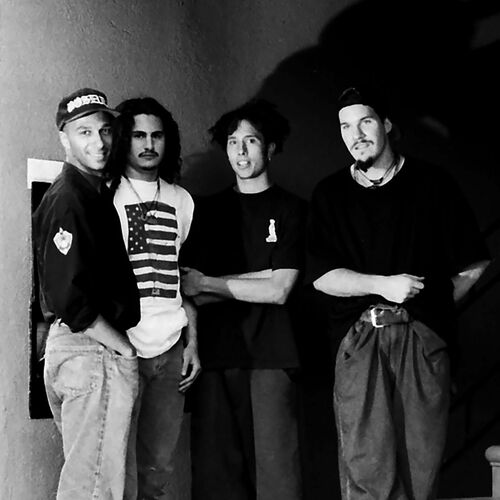
During the 1990s and 2000s, the label established a significant presence in alternative rock, metal and hip-hop through releases by Rage Against the Machine, Korn, Incubus and Oasis. It subsequently supported a new generation of artists, including Future and Travis Scott, whose albums contributed to the development of contemporary rap and trap music.
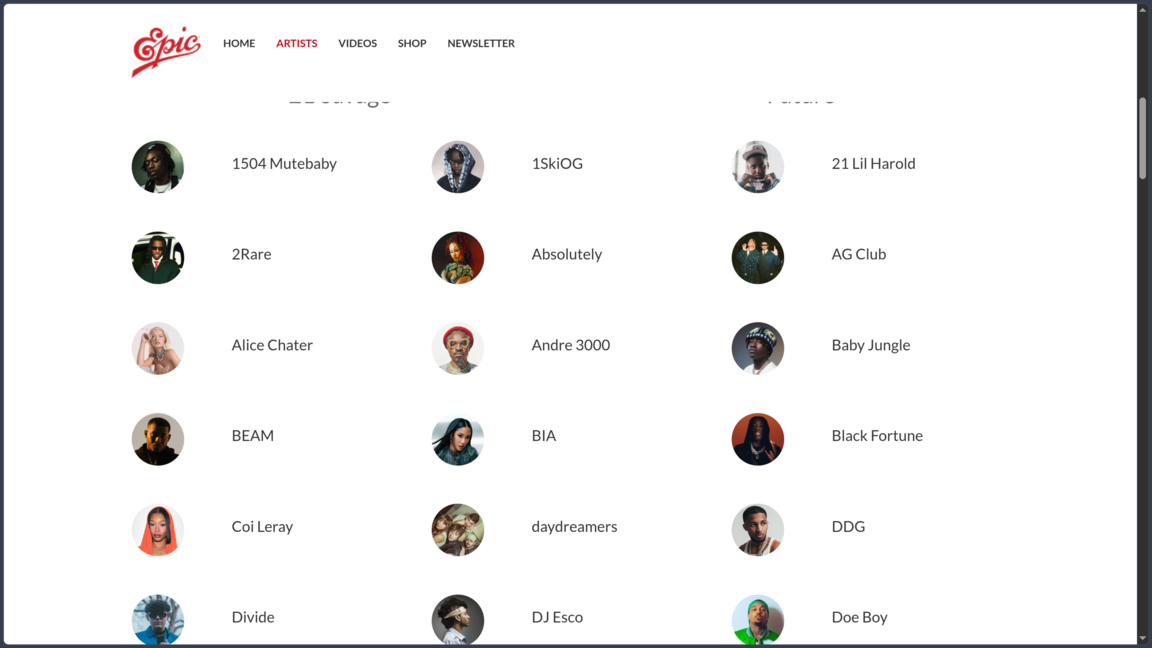
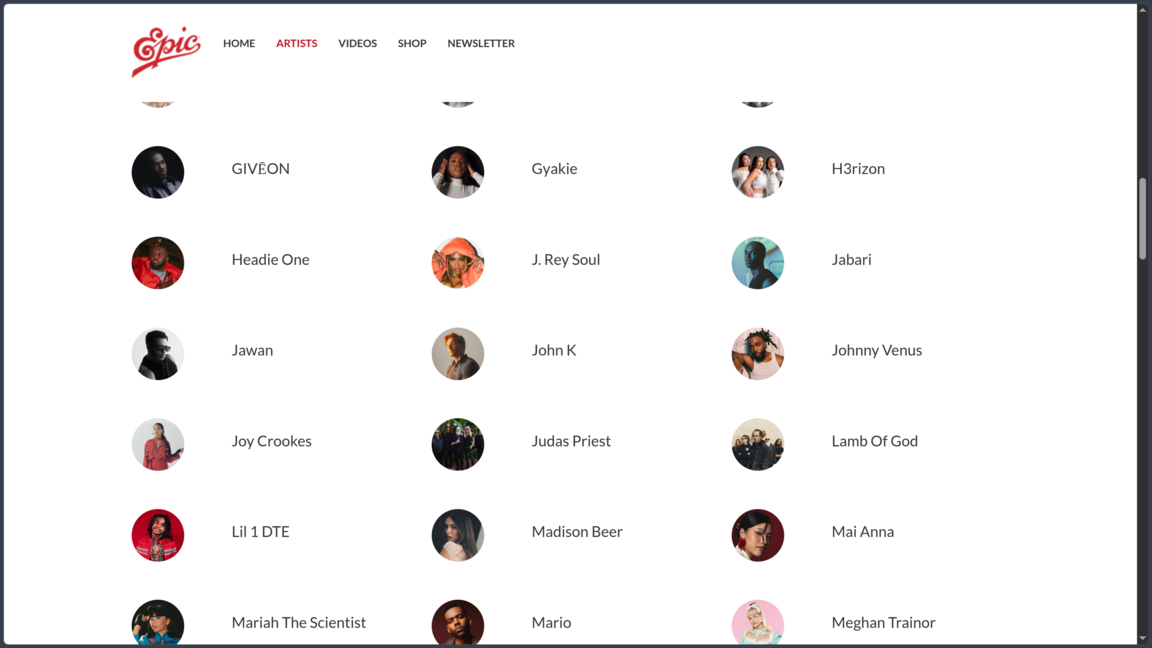
Epic works with several partner record companies and maintains an international presence. Its catalogue now spans musical styles ranging from pop and rock to urban and Latin music.
History
1953-1978 — Origins within Columbia Records
Epic Records was established in 1953 by Columbia Records, then part of the CBS group. The new label was created to market recordings that did not necessarily fit Columbia's principal artistic identity.
Its early activities included jazz, classical music and traditional popular music. Epic also distributed European recordings, particularly productions from Philips, and worked with performers previously associated with Okeh Records.
During the 1960s and 1970s, the label progressively expanded into rock and pop. Its catalogue included artists such as Donovan, The Yardbirds, Jeff Beck, Sly and the Family Stone, and REO Speedwagon, depending on the period and territory.
This diversification transformed Epic into a general-purpose label capable of developing artists across several musical genres. It also prepared the company for international expansion and a larger role in the changing popular music industry.
1979-1991 — Michael Jackson and international expansion
The partnership with Michael Jackson marked a decisive turning point in Epic's history. In 1979, the label released Off the Wall, produced by Quincy Jones and combining disco, funk, soul and pop.
In 1982, Thriller achieved extraordinary worldwide success. Featuring songs such as Billie Jean, Beat It and Thriller, it became the best-selling album in recorded music history according to widely recognised sales estimates and certifications. Its music videos also helped transform music promotion and the role of visual imagery in the recording industry.
The collaboration continued with Bad (1987) and Dangerous (1991), confirming Epic's importance in Michael Jackson's international career.
During the same period, the label worked with European artists. In France, Jean-Jacques Goldman released his early albums under the Epic name, including Jean-Jacques Goldman (1981), Minoritaire (1982) and Positif (1984).
In 1988, Sony acquired CBS's recorded music operations. Epic subsequently became part of the Japanese group, whose music division adopted the Sony Music Entertainment name in 1991.
1992-2009 — Alternative rock, metal and international pop
During the 1990s, Epic significantly expanded its rock and metal catalogue. Rage Against the Machine released albums including Evil Empire (1996), The Battle of Los Angeles (1999) and Renegades (2000), combining heavy rock, rap and political lyrics.
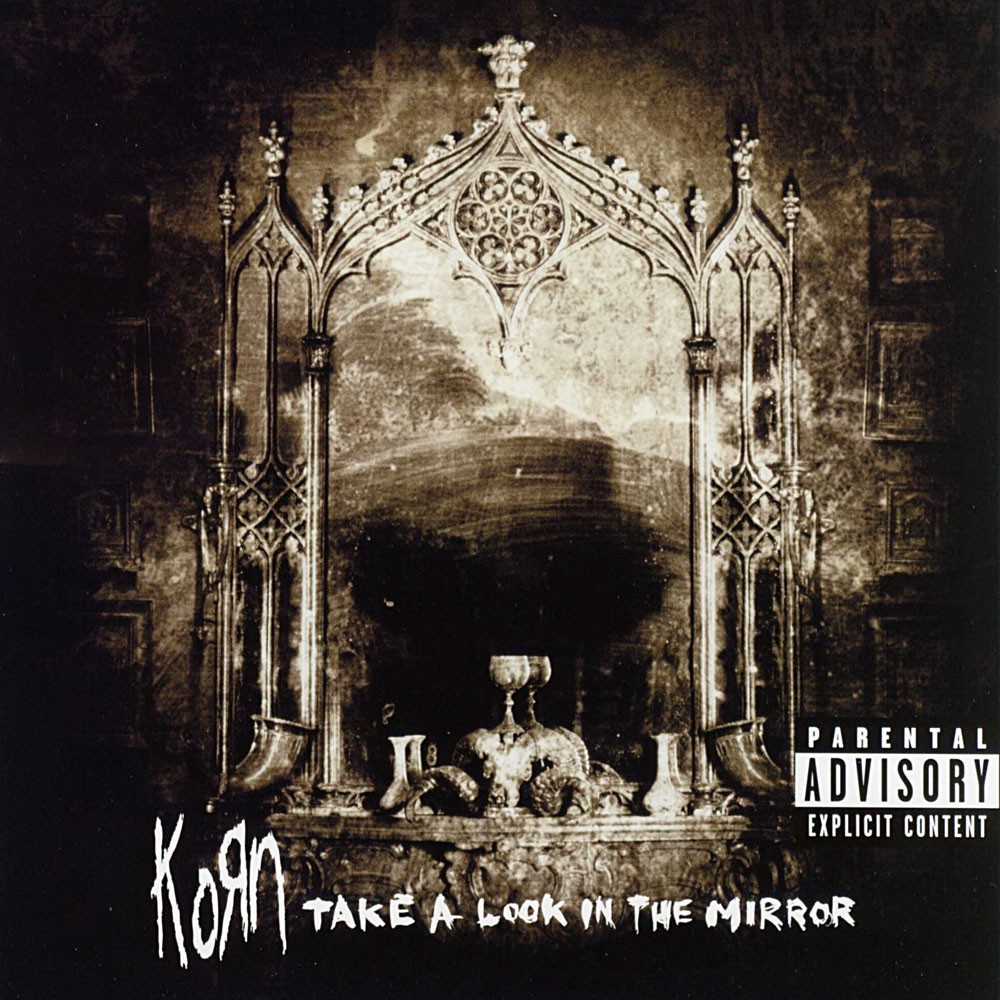
Through its partnership with Immortal Records, the label supported the emergence of nu metal with Korn. Albums including Korn (1994), Life Is Peachy (1996), Follow the Leader (1998) and Issues (1999) helped popularise the genre. Epic also worked with Incubus on releases such as S.C.I.E.N.C.E. (1997), Make Yourself (1999) and Morning View (2001).
At the same time, the label maintained a strong presence in international pop. Shakira developed her career with Pies descalzos (1995) and Dónde están los ladrones? (1998), before achieving worldwide recognition with Laundry Service (2001). Her albums Fijación oral, vol. 1 and Oral Fixation, Vol. 2 (2005) demonstrated her ability to move between Spanish-language and English-language repertoires.
Michael Jackson also continued his association with Epic, notably through HIStory: Past, Present and Future, Book I (1995) and Invincible (2001).
In 2004, the establishment of Sony BMG Music Entertainment combined Sony and Bertelsmann's recording operations. Four years later, Sony acquired BMG's remaining stake, bringing Epic back under Sony Music's sole ownership.
2010-2026 — Contemporary hip-hop and new leadership
From the 2010s onward, Epic strengthened its position in American hip-hop. The label worked with Future on albums including DS2 (2015), EVOL (2016), FUTURE (2017) and HNDRXX (2017), which contributed to the development of modern trap music.
Travis Scott also expanded his catalogue through partnerships involving Grand Hustle, Cactus Jack and Epic. Rodeo (2015), Birds in the Trap Sing McKnight (2016), ASTROWORLD (2018) and UTOPIA (2023) illustrate this relationship.
The label continued releasing material connected to its historical catalogue, including Michael Jackson's posthumous albums Michael (2010) and Xscape (2014). This period also saw the release of We Got It from Here... Thank You 4 Your Service (2016), the final studio album by A Tribe Called Quest.
In 2014, Sylvia Rhone became president of Epic Records, before being appointed chairwoman and CEO in 2019. Under her leadership, the label continued expanding into rap, R&B and international pop.
Recent releases include WE DON'T TRUST YOU and WE STILL DON'T TRUST YOU (2024), collaborative projects by Future and Metro Boomin, and Future's The Real Me (2026).
Following Sylvia Rhone's departure in 2025, Sony Music appointed Ezekiel Lewis chairman and CEO of Epic Records on March 30, 2026. Previously responsible for the label's artistic development, he took charge of a company whose roster includes Future, Travis Scott, 21 Savage and several emerging international artists.
Distinctive Features
A major role in pop music history
The collaboration between Epic, Michael Jackson and Quincy Jones produced several landmark albums in popular music. Thriller occupies a particularly important place in recording history, both for its commercial success and the cultural impact of its music videos.
A catalogue embracing changes in rock music
Epic supported the development of alternative rock, metal and nu metal during the 1990s and 2000s. Releases by Rage Against the Machine, Korn and Incubus illustrate this diversity, encompassing styles ranging from rap metal to electronic experimentation.
A strong international presence
The label developed artists across multiple language markets, notably Jean-Jacques Goldman in France and Shakira in Latin America and internationally. Editions and distribution agreements may differ between countries.
Partnerships with specialised music companies
Epic works with various partner labels and companies, including Immortal Records, Freebandz, Grand Hustle and Cactus Jack. These partnerships allow different musical repertoires to develop while benefiting from Sony Music's distribution and promotional resources.
Key Facts
- Founded: 1953, in the United States, by Columbia Records.
- Early genres: jazz, classical music and traditional pop.
- Historic parent group: CBS, followed by Sony from 1988.
- Landmark album: Michael Jackson's Thriller (1982).
- French catalogue: Jean-Jacques Goldman's early albums released under Epic.
- Rock and metal: Rage Against the Machine, Korn and Incubus.
- International pop: Shakira and her Spanish-language and English-language albums.
- Contemporary hip-hop: Future and Travis Scott, including releases through their associated labels.
- Recent historical leadership: Sylvia Rhone, president from 2014 and chairwoman and CEO from 2019 to 2025.
- Current leadership: Ezekiel Lewis, appointed chairman and CEO in March 2026.
- Recent release: Future's The Real Me (2026).
- Status: active record label within Sony Music Entertainment.