





Overview
CBS was an American record label established in 1962 to distribute recordings from the CBS Records group internationally. Its creation reflected a particular situation in the music industry: the American company owned Columbia Records but could not freely use that brand in numerous countries where the trademark rights belonged to EMI.
The CBS name consequently became especially prominent in Europe and other international markets. The label worked with American and British artists while also developing national catalogues. Its releases covered rock, punk, chanson, soul, country and popular music.
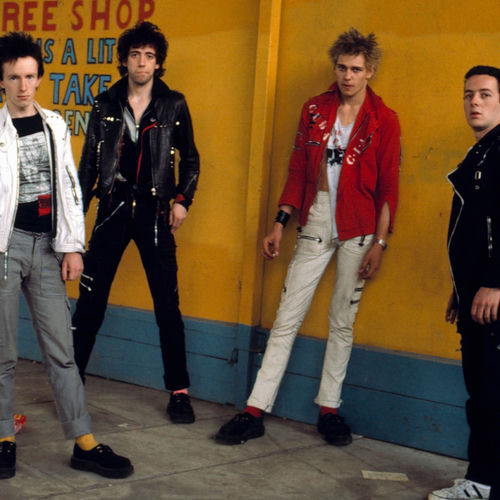
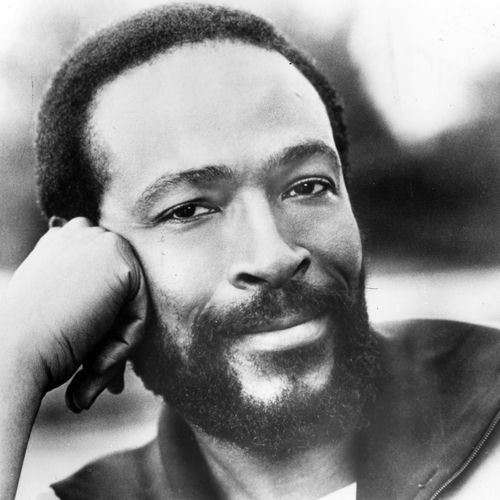
Recordings associated with CBS include albums by The Clash, particularly The Clash (1977), London Calling (1979) and Combat Rock (1982). In France, the label worked with Francis Cabrel, from Les Murs de poussière (1977) to Sarbacane (1989). Its catalogue also included international editions of recordings by Johnny Cash, Marvin Gaye, Bob Dylan and Bruce Springsteen.
Acquired by Sony in 1988 alongside CBS's recorded music operations, the label was gradually phased out at the end of 1990. From 1991 onward, Columbia was reintroduced across most international markets, while CBS Records became Sony Music Entertainment.
History
1962-1976 — Establishing an international brand
In 1938, Columbia Broadcasting System acquired American Record Corporation, whose operations included Columbia Records. The group subsequently expanded its American recording business while seeking a stronger international presence.
By the early 1960s, use of the Columbia name presented trademark difficulties in several countries, including the United Kingdom. In 1962, CBS therefore launched its own international label to distribute recordings outside its principal North American markets.
The brand gradually expanded in Europe, particularly following the acquisition of British distributor Oriole Records in 1964. Its activities combined the distribution of American recordings with the development of local artists.
This arrangement allowed Columbia and other CBS-related catalogues to reach new audiences while establishing a recognisable international recording identity.
1977-1982 — The Clash and French-language music
In 1977, The Clash released their debut album under the CBS name in the United Kingdom. The band became one of the leading groups in British punk before incorporating reggae, ska, dub and rhythm and blues influences.
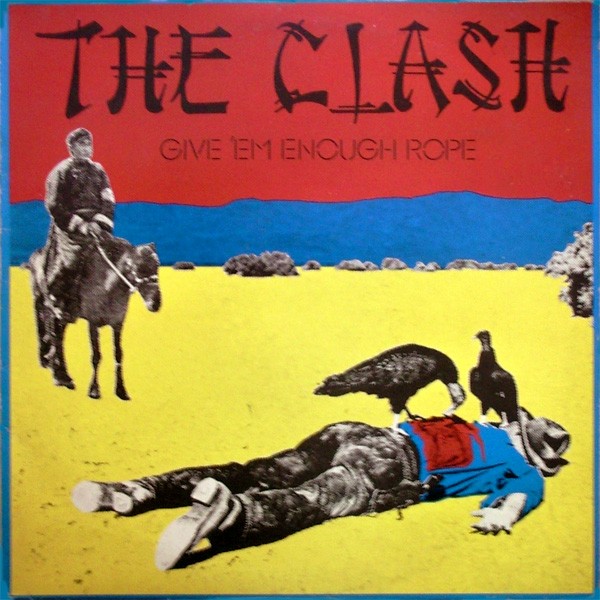
Give 'Em Enough Rope (1978), London Calling (1979), Sandinista! (1980) and Combat Rock (1982) documented this evolution. Their CBS releases became an important part of the label's British identity, while some American editions appeared through Epic Records.
In France, CBS supported Francis Cabrel's early career with Les Murs de poussière (1977), followed by Les Chemins de traverse (1979). The singer gradually developed a songwriting style combining French chanson, folk and acoustic influences.
Meanwhile, American recordings appeared under the CBS name in international markets. One example was Marvin Gaye's Midnight Love (1982), released on Columbia in the United States. This difference between editions illustrates the label's territory-based operations.
1983-1990 — Final releases and the Sony acquisition
During the 1980s, CBS continued releasing rock, country and chanson recordings. Its catalogue included international editions by Johnny Cash, Bruce Springsteen and Bob Dylan, while Francis Cabrel continued with Photos de voyages (1985) and Sarbacane (1989).
Bruce Springsteen's Tunnel of Love (1987), released on Columbia in the United States, also appeared under CBS in certain international territories. Different brand names reflected regional distribution and trademark arrangements.
In January 1988, Sony completed its acquisition of CBS Records. The Japanese company gained control of a major international recording business and its associated labels, but permission to use the CBS name was limited to a transitional period.
In 1990, Sony acquired the international rights to the Columbia brand from EMI, subject to exceptions in certain territories. This enabled the CBS imprint to be phased out.
Since 1991 — Replacement by Columbia and catalogue preservation
On January 1, 1991, CBS Records Inc. became Sony Music Entertainment. The CBS label was progressively replaced by Columbia in most international markets, with historical exceptions including Japan and Spain.
Artists previously distributed through CBS continued their recording careers within Sony's different organisations. Earlier recordings were also reissued through Columbia, Legacy Recordings and other Sony labels.
CBS therefore remains an important name in recording history, although it no longer operates as the international imprint it was between 1962 and 1990.
Distinctive Features
A brand created because of territorial trademark rights
CBS emerged directly from the existence of two separate Columbia recording brands. Its international use enabled the American group to distribute music in countries where EMI held the Columbia trademark.
A particularly diverse musical catalogue
The label brought together punk and rock performers such as The Clash, singer-songwriters such as Francis Cabrel and American figures in country, soul and rock. This diversity reflected the international scope of its operations.
Different editions across territories
The same album could carry the CBS name in Europe and Columbia or Epic in North America. These differences are essential to understanding recording credits and distinguishing a release label from its distribution company.
The transition to Sony Music
The disappearance of CBS did not mean the disappearance of its catalogue. Sony's acquisition and the international return of Columbia primarily changed the commercial identity and organisation of its recorded music operations.
Key Facts
- Label established: 1962, by the CBS group.
- Country of origin: United States, with predominantly international operations.
- Name: derived from Columbia Broadcasting System.
- Reason for the CBS imprint: Columbia trademark rights were held by EMI in several countries.
- British rock: The Clash, particularly London Calling (1979).
- French chanson: Francis Cabrel, from Les Murs de poussière (1977) to Sarbacane (1989).
- International editions: including Johnny Cash, Marvin Gaye, Bob Dylan and Bruce Springsteen.
- Sony acquisition: completed in January 1988.
- End of the brand: 1990.
- Successor: primarily Columbia from 1991 onward.
- Catalogue: preserved and reissued within Sony Music Entertainment.