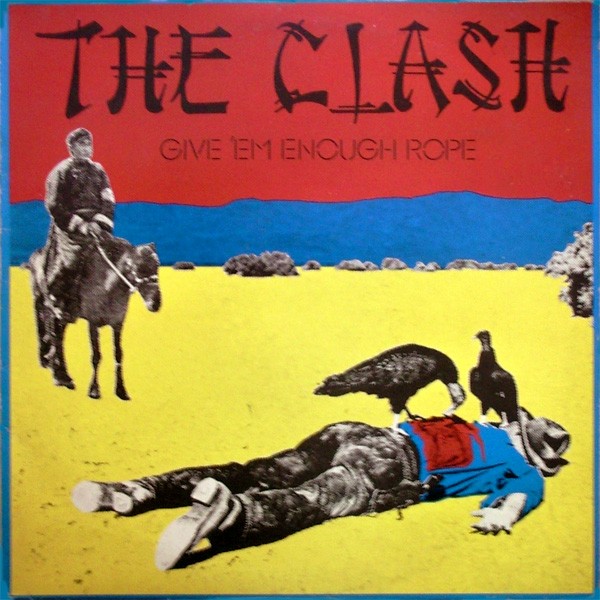
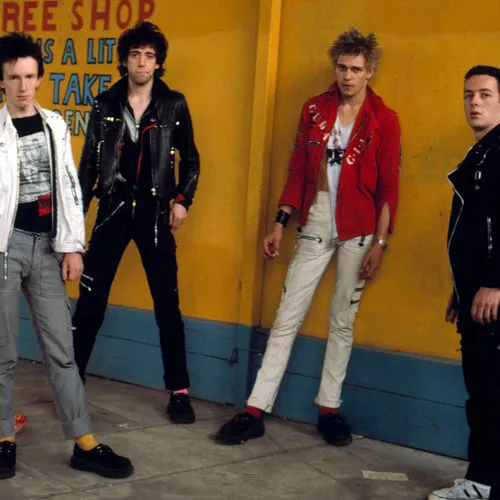
The Clash was a British punk rock band formed in London in 1976. Featuring Joe Strummer, Mick Jones, Paul Simonon and Topper Headon, the group developed politically engaged music that moved beyond punk by incorporating reggae, ska, dub and rockabilly. Albums such as London Calling, Sandinista! and Combat Rock reflect this musical diversity. With songs including London Calling, Should I Stay or Should I Go and Rock the Casbah, the band left a lasting mark on rock history.
Details
- Type
- Music
- Countries
- 🇬🇧 United Kingdom
- Genres
- Rock, Punk rock, Post-punk
- Albums
- 6
Synopsis
The Clash
Glossary terms: Album, Bass (voice), Blues, Drum kit / drums, Fundamental, Funk, Hip-hop, Politics, Punk rock, Reggae, Rhythm, Rock, Song, Story
Line-up
Band members (9)
-

-

-
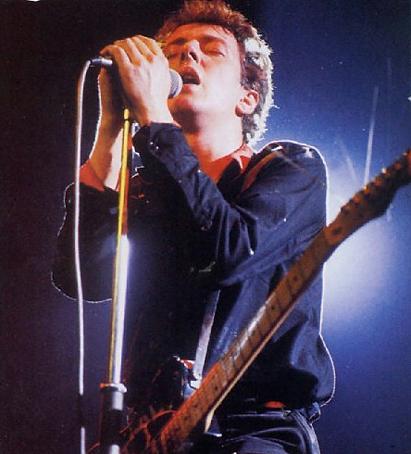
1976–1986
-
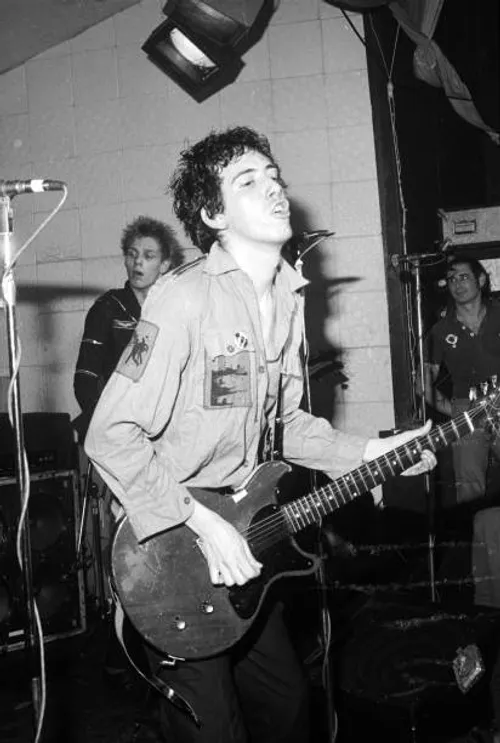
1976–1983
-

-

1976–1986
-
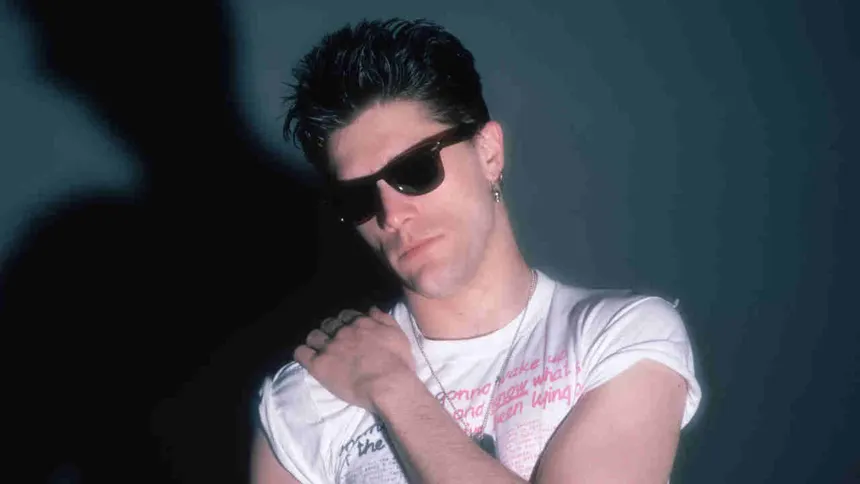
1983–1985
-

1976–1983
-
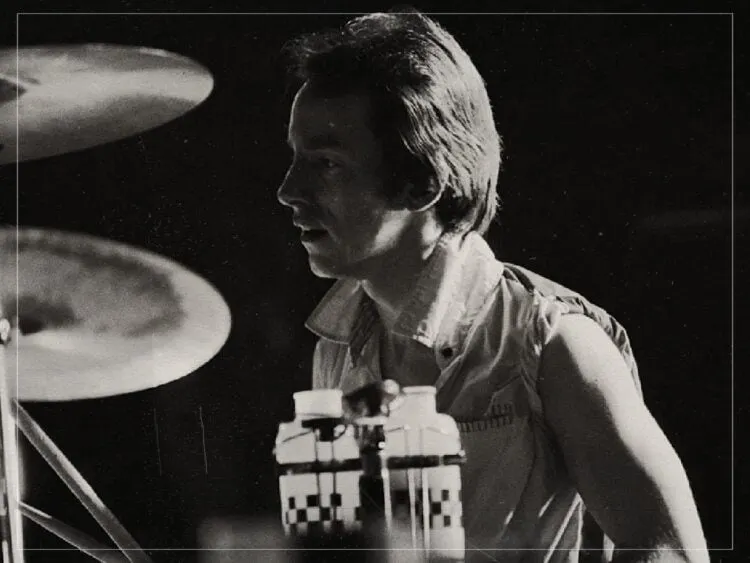
1977–1982
Trailer
Watch the trailer
Overview
Presentation
The Clash was a British band formed in London in 1976 during the emergence of punk rock. Featuring Joe Strummer on vocals and guitar, Mick Jones on guitar, Paul Simonon on bass and, from 1977, Topper Headon on drums, the group developed an energetic and politically engaged sound. Its debut album, The Clash (1977), included White Riot and London's Burning.
Following Give 'Em Enough Rope (1978), The Clash considerably expanded its musical approach with London Calling (1979). This double album combined punk, reggae, rockabilly and rhythm and blues, particularly on London Calling, The Guns of Brixton and Train in Vain. The triple album Sandinista! (1980) continued this experimentation by incorporating dub, funk and hip-hop influences.
In 1982, Combat Rock brought the band international success with Should I Stay or Should I Go and Rock the Casbah. Internal tensions subsequently led to the departures of Topper Headon and Mick Jones. After a final album, Cut the Crap (1985), The Clash disbanded in 1986.
Key Takeaways
The Clash stood out for its ability to develop punk music through contact with other musical traditions. Sharp guitars, reggae-influenced bass lines and varied rhythms accompanied lyrics addressing social inequality, racism, political conflicts and urban life.
This musical openness helped connect punk with post-punk and alternative rock. It allowed the group to move beyond the conventions of the first wave of British punk.
Conclusion
The Clash holds a fundamental place in punk rock history. Its combination of political engagement and musical experimentation had a lasting influence on British and international rock.
Did You Know?
- Origins: London, United Kingdom; formed in 1976.
- Classic lineup: Joe Strummer, Mick Jones, Paul Simonon and Topper Headon.
- Original drummer: Terry Chimes, who performed with the band's early lineup.
- Landmark albums: The Clash (1977), London Calling (1979), Sandinista! (1980) and Combat Rock (1982).
- Signature songs: White Riot, London Calling, The Guns of Brixton, Train in Vain, Should I Stay or Should I Go and Rock the Casbah.
- Notable releases: London Calling was a double album, while Sandinista! was released as a triple album.
- Breakup: the band disbanded in 1986 following several lineup changes.
- Recognition: inducted into the Rock & Roll Hall of Fame in 2003, following Joe Strummer's death in 2002.
Link graph
Open in the full graphLoading the graph…
Only the strongest links are shown.
View the list ({count})
Discography
Discography (6)