




Overview
20th Century Animation is the division dedicated to animated cinema within 20th Century Studios.
Founded in 1994, it has gone through several identities as Fox itself evolved.
It began under the name Fox Family Films, became a division focused exclusively on animation in the late 1990s, and then adopted the name 20th Century Fox Animation.
Following The Walt Disney Company’s acquisition of a large portion of 21st Century Fox in 2019, the word “Fox” gradually disappeared from the main acquired film brands.
The division therefore became 20th Century Animation in 2020.
This continuity is important: 20th Century Fox Animation and 20th Century Animation are not two different studios.
They are the same production branch across its changes of name and ownership.
Its operating model is also distinctive.
Unlike Pixar, Walt Disney Animation Studios or DreamWorks Animation, the division has not always relied on a single large facility directly producing all of its films.
It often operates as a development, production and supervision structure, working with different internal studios or external partners.
Two companies played especially important roles in its history: Fox Animation Studios, based in Phoenix around Don Bluth and Gary Goldman, and later Blue Sky Studios, which became the main engine of Fox theatrical animation for nearly two decades.
Fox Animation Studios and Blue Sky Studios should nevertheless remain separate entities.
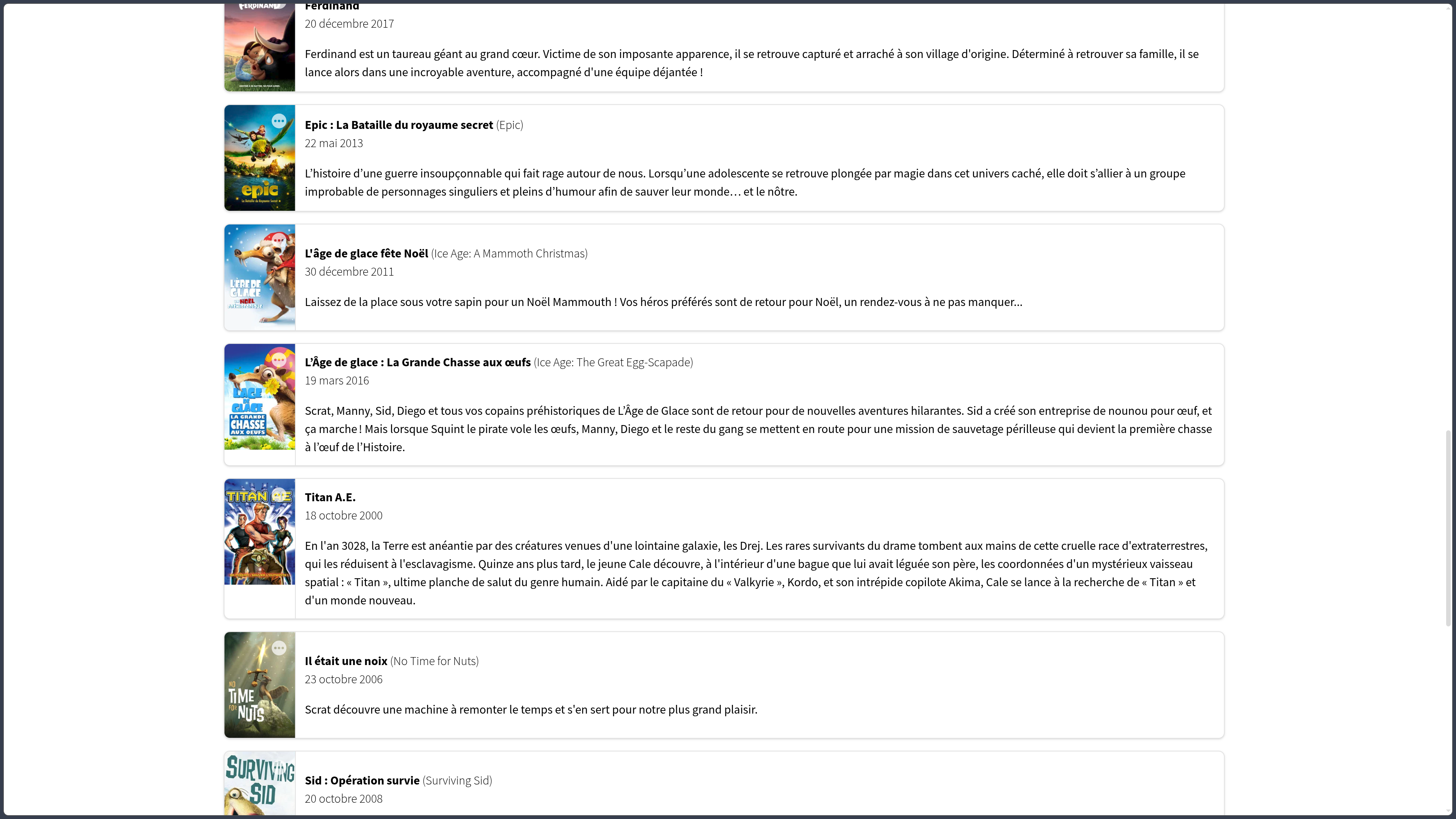
The former notably produced Anastasia and Titan A.E. before closing in 2000.
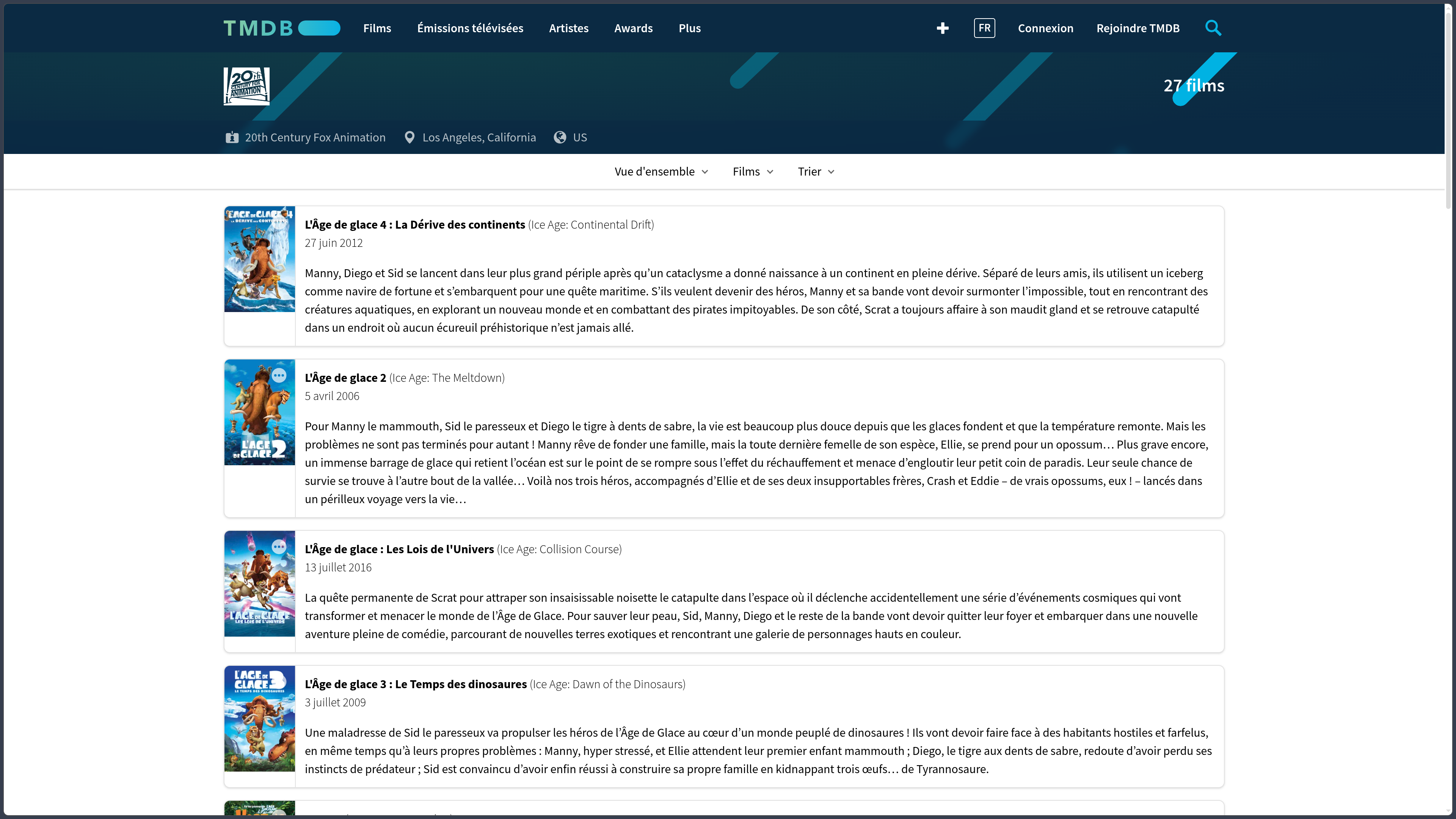
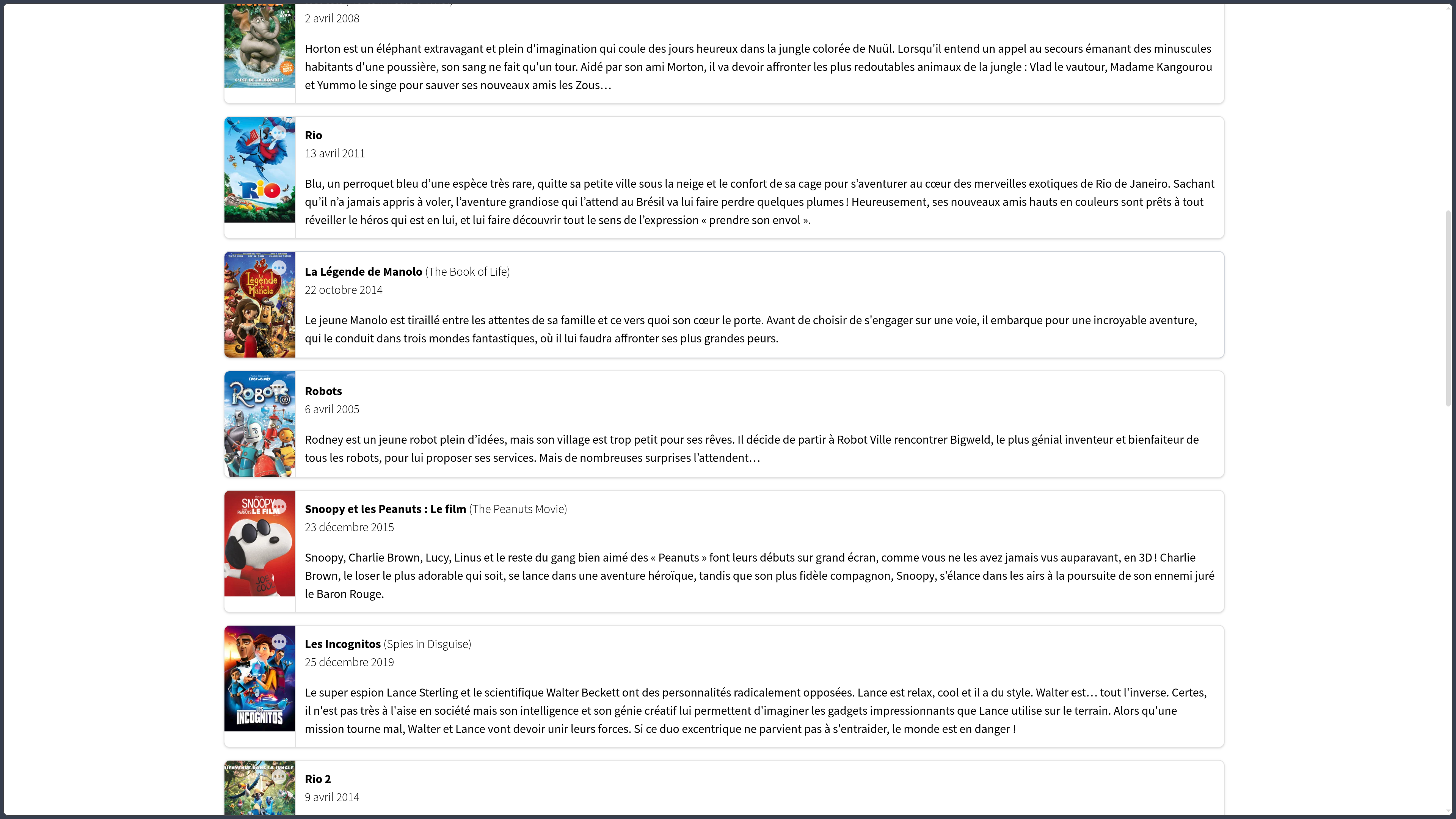
Blue Sky later developed the Ice Age and Rio franchises, as well as films such as Robots, Horton Hears a Who!, Epic, The Peanuts Movie, Ferdinand and Spies in Disguise.
The Fox Animation division also developed or supervised productions made with other partners, including The Simpsons Movie, Fantastic Mr. Fox, The Book of Life and Ron's Gone Wrong.
Following Disney’s acquisition and the closure of Blue Sky Studios in 2021, 20th Century Animation continued operating through a more flexible model.
It can now support family films as well as projects aimed at adult audiences.
Predator: Killer of Killers, released in 2025, illustrates this expansion into much more violent and mature animation.
The division is also preparing the theatrical return of its historic Ice Age franchise with Ice Age: Boiling Point, scheduled for 2027.
History
Before 1994 — A long relationship between Fox and animation
20th Century Fox worked with animation long before it had a dedicated division.
For several decades, the studio distributed or financed various projects produced by outside companies.
Fox notably had historical links with Terrytoons, whose creations included Mighty Mouse.
The studio also participated in the distribution or financing of very different animated feature films.
During the 1970s, Fox notably distributed Wizards by Ralph Bakshi.
It collaborated with Bakshi again on Fire and Ice in 1983, developed with illustrator Frank Frazetta.
These experiences nevertheless remained occasional.
Fox still lacked a structure comparable to Walt Disney Feature Animation.
The early 1990s
The situation changed in the early 1990s.
The spectacular success of Disney animation transformed the economics of the sector.
The Little Mermaid, Beauty and the Beast, Aladdin and later The Lion King demonstrated that a major animated feature could become a worldwide event.
Fox was already involved in several family-oriented or animated projects produced with outside partners.
FernGully: The Last Rainforest was released in 1992.
Once Upon a Forest followed in 1993.
The Pagemaster, combining live action and animation, arrived in 1994.
The company then decided to build a true family and animation operation capable of producing more regularly.
1994 — Fox Family Films
In February 1994, 20th Century Fox created Fox Family Films.
The company was part of a broader reorganization designed to increase and diversify the studio’s film output.
John Matoian initially led the new division.
Its mission extended far beyond animation at that point.
Fox Family Films was expected to produce live-action family films as well as animated projects.
Chris Meledandri, already working at Fox, soon joined the structure and became one of its principal executives.
He would play a major role in the development of Fox animation for more than a decade.
An ambitious animation-studio project
That same year, Fox decided to create a true studio capable of competing with Disney in animated feature films.
The company hired Don Bluth and Gary Goldman.
Both filmmakers already possessed extensive animation experience.
Don Bluth had notably worked at Disney before leaving the studio and developing his own productions.
With Gary Goldman, he had worked on films such as The Secret of NIMH, An American Tail, The Land Before Time and All Dogs Go to Heaven.
Fox offered them the opportunity to build a new animation company.
1994 — Fox Animation Studios in Phoenix
The new studio was established in Phoenix, Arizona.
It was named Fox Animation Studios.
An important distinction therefore appeared from this period onward:
- Fox Family Films was Fox’s production and development division;
- Fox Animation Studios was an animation production studio operating under its control.
Don Bluth and Gary Goldman led the creative side of the Phoenix studio.
Fox invested heavily in the new facility with the stated ambition of competing with Disney in traditional animated features.
Chris Meledandri takes a central role
When John Matoian left the family division for new responsibilities within Fox, Chris Meledandri gradually became the principal executive at Fox Family Films.
His career within the division would have considerable importance.
He notably accompanied the transition from traditional animation to computer-generated imagery and supervised several films that firmly established Fox in global animation.
Many years later, after leaving Fox, he would create Illumination at Universal.
1995-1997 — Fox Family Films remains a family division
During its first years, Fox Family Films did not produce animation exclusively.
The division was associated with various films aimed at family audiences.
It notably participated in productions such as Mighty Morphin Power Rangers: The Movie, Dunston Checks In and Home Alone 3.
Meanwhile, the Phoenix studio continued developing its first major animated feature.
1997 — Anastasia
The result arrived in 1997 with Anastasia, directed by Don Bluth and Gary Goldman.
The film loosely draws on the story of Grand Duchess Anastasia Nikolaevna of Russia and transforms it into a musical and romantic adventure.
Meg Ryan voices Anastasia, John Cusack Dimitri and Christopher Lloyd Rasputin in the original version.
The production adopts several conventions associated with major animated musicals of the 1990s while preserving the graphic style of Bluth and Goldman.
An essential success
Anastasia became the major success Fox had been looking for.
The film performed solidly at the box office and notably received Academy Award nominations for its music.
It demonstrated that Fox could compete in the market for major animated features alongside Disney.
The success encouraged management to strengthen its commitment to animation even further.
It also directly transformed Fox Family Films.
Blue Sky enters the Fox ecosystem
Around the same period, Blue Sky Studios also entered the Fox organization.
In 1997, VIFX, a visual-effects company associated with 20th Century Fox, acquired a majority stake in Blue Sky.
The studio founded by Chris Wedge and several former MAGI employees already possessed extensive expertise in computer imagery and ray tracing.
Blue Sky initially worked mainly on visual effects and character animation.
But the acquisition would later give Fox the company capable of bringing its animation division into the era of fully computer-generated feature films.
1998 — The division refocuses on animation
After the success of Anastasia, Fox decided to devote more of its family division to animation.
In 1998, Fox Family Films gradually left live-action production behind and became a division specifically focused on animated feature films.
The name Fox Animation Studios was briefly used for this Los Angeles-based structure.
This can easily cause confusion because the production studio in Phoenix already carried the same name.
The division subsequently adopted the much more identifiable name 20th Century Fox Animation.
20th Century Fox Animation
Under this new name, the company officially became the principal development and production arm for Fox theatrical animation.
Chris Meledandri remained at its head.
The division considered different forms of production:
- traditional animation;
- computer-generated imagery;
- stop motion;
- hybrid techniques;
- projects made with partner studios.
This diversity would remain an important characteristic of Fox animation.
1999 — Bartok the Magnificent
The world of Anastasia was extended in 1999 with Bartok the Magnificent.
The film focuses on Bartok, the white bat introduced in Anastasia.
It was released directly to video.
The project remained closely tied to the Phoenix studio and to Don Bluth and Gary Goldman.
It became one of the final extensions of this first era of Fox animation.
Fox retains Blue Sky
In 1999, VIFX was sold to Rhythm & Hues.
Fox nevertheless decided to retain Blue Sky Studios.
That choice would prove decisive.
The visual-effects market had become highly competitive and Blue Sky itself went through a period of uncertainty.
But Chris Wedge and his colleagues wanted to move into animated features.
Fox ultimately agreed to give them that opportunity.
2000 — Titan A.E.
Fox Animation Studios in Phoenix placed enormous hopes on Titan A.E., released in 2000.
Directed principally by Don Bluth and Gary Goldman, the film combines traditional animation with computer imagery in a science-fiction setting.
The story takes place after the destruction of Earth and follows a young man who possesses the key to a project capable of giving humanity a new home.
The film clearly attempts to broaden the audience for animated features beyond family comedy and musicals.
The failure of Titan A.E.
The gamble did not work commercially.
Titan A.E. was expensive and failed to attract the audience required to recover its production costs.
The financial situation of the Phoenix studio had already become fragile.
A few days after the film’s release, Fox closed Fox Animation Studios in June 2000.
This closure did not, however, mean the disappearance of 20th Century Fox Animation.
The development and supervision division continued to exist.
This is precisely where the two entities need to be distinguished.
After Phoenix
Following the closure of Don Bluth and Gary Goldman’s studio, Fox had to decide the future of its animation business.
It still owned Blue Sky Studios.
Chris Meledandri, Chris Wedge and producer Lori Forte were then developing a project set during prehistoric times.
Its title was Ice Age.
Fox was initially uncertain about the film’s potential.
The production nevertheless became the project that would save and transform its entire animation operation.
2002 — Ice Age
Ice Age was released in 2002.
Directed by Chris Wedge with Carlos Saldanha as co-director, the film follows the unlikely meeting of Manny, Sid and Diego around a human baby.
Another character appears alongside them: Scrat, obsessed with his acorn.
The film became the first feature produced by Blue Sky Studios.
For 20th Century Fox Animation, it marked the beginning of a new era.
A major strategic transformation
Ice Age became a major international success and received an Academy Award nomination for Best Animated Feature.
Fox finally had a franchise capable of supporting its animation business over the long term.
More importantly, its operating model changed.
Rather than rebuilding a large traditional-animation studio after Phoenix closed, the division now relied heavily on Blue Sky Studios for its main computer-animated productions.
Blue Sky gradually became the essential internal partner of 20th Century Fox Animation.
2005 — Robots
Robots was released in 2005.
Directed by Chris Wedge and Carlos Saldanha, the film builds an entirely mechanical world inhabited by robots.
The setting allowed Blue Sky’s teams to make use of their technical knowledge of surfaces, lighting, reflections and complex digital environments.
The production confirmed that Blue Sky could develop worlds beyond Ice Age.
2006 — Ice Age: The Meltdown
Ice Age: The Meltdown was released in 2006.
The international success of the second film definitively transformed Ice Age into a franchise.
Manny, Sid and Diego became globally recognizable characters.
For 20th Century Fox Animation, this success placed animation among the studio’s most important businesses.
Chris Meledandri and the transformation of Fox Animation
During this period, Chris Meledandri supervised or supported several of Fox’s major animated projects.
His responsibilities notably covered the Ice Age films, Robots and other family productions.
He helped establish a model in which Fox Animation could work both with Blue Sky and with other companies.
This partner-based approach anticipated some of the principles he would later develop at Illumination.
2007 — Chris Meledandri leaves
At the beginning of 2007, Chris Meledandri left 20th Century Fox Animation to join Universal.
There, he would go on to develop the company that became Illumination, behind productions such as Despicable Me and Minions.
His departure marked a major change for the division he had significantly shaped.
Vanessa Morrison became president of 20th Century Fox Animation.
Vanessa Morrison
Vanessa Morrison had already worked at Fox for many years.
She had participated in various family and visual-effects productions.
As head of Fox Animation, she now supervised the development and production of the group’s animated projects.
The division continued its close relationship with Blue Sky while also developing films with other producers and studios.
2007 — The Simpsons Movie
The Simpsons Movie was released in 2007.
The project brought the television series created by Matt Groening to the big screen.
The film was directed by David Silverman and developed with the historic Simpsons teams, Gracie Films and animation companies associated with the series.
20th Century Fox Animation participated within the broader film-production ecosystem of the adaptation.
The film became a huge international success.
It also demonstrated that Fox animation extended beyond Blue Sky.
2008 — Horton Hears a Who!
In 2008, Blue Sky adapted Dr. Seuss with Horton Hears a Who!.
The production sought to translate the highly stylized forms of the original illustrations into computer animation.
The film performed solidly.
It confirmed Fox’s interest in adapting popular properties alongside its original franchises.
2009 — Ice Age: Dawn of the Dinosaurs
Ice Age: Dawn of the Dinosaurs was released in 2009.
The third installment notably introduced Buck and an enormous underground world inhabited by dinosaurs.
Its international success was spectacular.
Ice Age became one of the most important franchises across all of 20th Century Fox, far beyond animation alone.
2009 — Fantastic Mr. Fox
That same year, Fox participated in a very different project with Fantastic Mr. Fox, directed by Wes Anderson.
Adapted from Roald Dahl’s novel, the film was made in stop motion.
Its handmade aesthetic differs radically from Blue Sky’s computer-generated productions.
The project confirmed Fox’s ability to accommodate several animation techniques without imposing a single visual identity.
2011 — Rio
In 2011, Blue Sky launched a second major franchise with Rio.
Directed by Carlos Saldanha, the film follows Blu, a blue macaw raised in the United States who is sent to Brazil to meet Jewel.
The city of Rio de Janeiro, music and Brazilian culture play central roles.
Its success gave Fox Animation another important international property outside Ice Age.
2012 — Ice Age: Continental Drift
Ice Age: Continental Drift continued the franchise in 2012.
The series remained enormously popular worldwide.
By this period, Blue Sky had clearly become the principal animated-feature studio owned by Fox.
But 20th Century Fox Animation remained the higher-level division developing and supervising the group’s animation business.
2013 — Epic
Epic was released in 2013, directed by Chris Wedge.
The film explores a miniature world hidden within a forest.
It allowed Blue Sky to develop a more realistic and naturalistic aesthetic than in its previous productions.
Even without becoming a major franchise, Epic demonstrated a continuing desire to broaden the catalog.
2014 — Rio 2
Rio 2 was released in 2014.
Blu, Jewel and their children leave Rio for the Amazon after the discovery of other blue macaws.
The franchise further develops themes of family and identity.
Rio firmly established itself as Blue Sky’s second major original property.
2014 — The Book of Life
That same year, 20th Century Fox Animation and Reel FX co-produced The Book of Life, directed by Jorge R. Gutierrez and notably produced by Guillermo del Toro.
The film draws strongly on Mexican culture and traditions connected to Día de Muertos.
Its visual style evokes carved wooden figures.
The project differs significantly from Blue Sky’s usual rendering.
It is an excellent example of Fox Animation’s operating model: developing a project under its label while entrusting production to a partner studio.
2015 — The Peanuts Movie
In 2015, Blue Sky adapted Charles M. Schulz’s characters with The Peanuts Movie.
The project presented a particular technical challenge.
Charlie Brown, Snoopy and the other characters are strongly associated with a minimalist 2D drawing style.
The teams developed computer animation capable of preserving Schulz’s graphic logic and posing.
The film was particularly praised for its respect for the original work.
2016 — Ice Age: Collision Course
Ice Age: Collision Course was released in 2016.
It was the fifth main Ice Age feature produced by Blue Sky.
The series had accompanied almost the entire growth of the studio since its move into feature films.
Even as performance declined in certain markets, the franchise remained one of Fox Animation’s major assets.
2017 — Ferdinand
Ferdinand was released in 2017, again through Blue Sky.
Carlos Saldanha directed the adaptation of the famous story about a peaceful bull who refuses to fight.
The film received an Academy Award nomination for Best Animated Feature.
It became one of the last major Blue Sky projects launched before Fox was sold to Disney.
2017 — Leadership changes
That same year, Vanessa Morrison left the direct presidency of Fox Animation to lead a new division focused on family productions.
Fox’s organization evolved again.
The animation operation nevertheless continued developing projects with Blue Sky and outside partners.
This period also corresponded to a desire to diversify production sources further.
The partnership with Locksmith Animation
Fox notably reached an agreement with British studio Locksmith Animation.
The goal was to provide 20th Century Fox Animation with another regular source of computer-animated feature films in addition to Blue Sky.
The situation changed after Disney acquired Fox.
Locksmith later moved to Warner Bros. for its future productions.
One film from the initial agreement nevertheless remained with 20th Century: Ron's Gone Wrong.
2019 — Spies in Disguise
Spies in Disguise was released in December 2019.
The film follows secret agent Lance Sterling, accidentally transformed into a pigeon by young scientist Walter Beckett.
It became the final Blue Sky feature released under the production era inherited from Fox.
By the time it reached theaters, however, the institutional situation had already changed completely.
Fox now belonged to Disney.
2019 — Disney acquires 21st Century Fox
On March 20, 2019, The Walt Disney Company completed its acquisition of a large portion of 21st Century Fox.
The transaction notably included:
- 20th Century Fox;
- Fox Searchlight;
- Fox 2000;
- Fox Family;
- 20th Century Fox Animation;
- Blue Sky Studios;
- and several major television operations.
20th Century Fox Animation therefore joined The Walt Disney Studios.
The division now found itself within a group that already owned Walt Disney Animation Studios and Pixar.
An unprecedented institutional situation
Following the acquisition, Disney now controlled three major strands of American animation history:
- Walt Disney Animation Studios;
- Pixar Animation Studios;
- the Fox Animation and Blue Sky ecosystem.
These structures were not immediately merged.
Blue Sky continued operating.
20th Century Fox Animation also remained identifiable within the inherited Fox organization.
The first visible transformation came the following year.
2020 — The “Fox” name disappears
In January 2020, Disney began removing the word Fox from the principal film brands it had acquired.
20th Century Fox became 20th Century Studios.
Fox Searchlight Pictures became Searchlight Pictures.
The same logic was applied to animation.
20th Century Fox Animation became 20th Century Animation.
This change did not represent a closure followed by the creation of a new entity.
It was a renaming within the continuity of the division founded in 1994.
Why remove “Fox”?
Following the sale of 21st Century Fox, several businesses not acquired by Disney continued operating within the new Fox Corporation.
Disney therefore wanted to distinguish clearly its film studios from the companies still using the Fox name.
The famous “20th Century” name was retained.
The word “Fox” was removed.
The same logic explains the current names 20th Century Studios and 20th Century Animation.
2021 — Blue Sky Studios closes
The most abrupt change came in 2021.
Disney announced in February that Blue Sky Studios would close.
The Covid-19 pandemic had significantly affected the group’s finances.
Disney also already owned Pixar and Walt Disney Animation Studios.
Maintaining a third major internal animated-feature studio became difficult to justify in that context.
Blue Sky permanently ceased operations in April 2021.
20th Century Animation survives Blue Sky
The closure of Blue Sky did not mean the disappearance of 20th Century Animation.
The higher-level division continued to exist.
This distinction is once again essential.
Blue Sky was a true production studio with its own artists and facilities.
20th Century Animation is a development and production structure capable of working with different teams.
It could therefore continue operating without Blue Sky.
2021 — Ron's Gone Wrong
Ron's Gone Wrong was released in 2021.
The film was produced with Locksmith Animation.
The story follows Barney, a socially isolated teenager, and Ron, a connected device intended to become his best friend but whose functions are deeply defective.
The project had been developed under the partnership signed before Disney’s acquisition.
After Locksmith changed partners, Ron's Gone Wrong remained the principal legacy of that collaboration with 20th Century.
2022 — The Bob's Burgers Movie
In 2022, The Bob's Burgers Movie adapted Loren Bouchard’s television series for the big screen.
The film preserved the 2D animation and graphic identity of the series.
Like The Simpsons Movie fifteen years earlier, the project demonstrated 20th Century’s ability to transform an animated television property into a theatrical feature.
It also illustrated 20th Century Animation’s technical diversity after Blue Sky.
The Ice Age legacy remains active
The disappearance of Blue Sky raised an important question: what happens to Ice Age?
The intellectual property did not belong only to the production studio.
It is now part of the assets held by Disney and 20th Century.
The franchise can therefore continue without Blue Sky Studios.
Disney initially developed new productions for streaming.
The Ice Age Adventures of Buck Wild
The Ice Age Adventures of Buck Wild was released on Disney+ in 2022.
The production was developed after Blue Sky’s main era and was not made by the historic studio.
It focuses notably on Buck, Crash and Eddie.
The film clearly illustrates the now-complete separation between the Ice Age franchise and its original studio.
2025 — Predator: Killer of Killers
In 2025, 20th Century animation moved in a radically different direction with Predator: Killer of Killers.
Directed by Dan Trachtenberg with Josh Wassung as co-director, the film uses an anthology structure.
It follows several warriors from different historical periods facing Predators.
The production is intended for adult audiences and received an R rating in the United States.
Animation is no longer necessarily family-oriented
Predator: Killer of Killers represents an interesting shift.
For much of its history, Fox Animation had focused primarily on family productions.
The Predator film demonstrates that 20th Century Animation can now use animation to extend adult franchises from 20th Century Studios.
Its style, violence and target audience differ greatly from Ice Age or Rio.
The division therefore becomes less dependent on a strictly family-oriented definition of animation.
Ice Age returns to theaters
At the same time, Disney decided to bring Ice Age back to the big screen.
In November 2024, at D23 Brazil, Disney and 20th Century Animation announced that a new film was in production.
Ray Romano, John Leguizamo, Denis Leary, Queen Latifah and Simon Pegg are returning to their principal voice roles.
It is the first major Ice Age theatrical feature without Blue Sky Studios.
Ice Age: Boiling Point
The project is titled Ice Age: Boiling Point.
Its release is scheduled for February 5, 2027.
The film is directed by John Donkin and produced by Lori Forte, a historic figure in the franchise since the first Ice Age.
Manny, Sid, Diego, Ellie, Buck, Crash and Eddie are announced among the characters returning for this new adventure.
Scrat also returns.
A distinctive continuity with Blue Sky
The return of Ice Age creates an interesting situation in the history of 20th Century Animation.
The division is continuing a franchise created by a studio that no longer exists.
The new films should therefore not be retroactively attributed to Blue Sky Studios.
The first five main theatrical Ice Age features remain Blue Sky productions.
Ice Age: Boiling Point belongs to the 20th Century Animation under Disney era, without Blue Sky as the historic production studio.
20th Century Animation in 2026
In 2026, 20th Century Animation remains an active division of 20th Century Studios, itself part of The Walt Disney Studios.
It is neither Pixar nor Walt Disney Animation Studios.
Its role is to develop and support animated projects associated with 20th Century, using different production teams or companies depending on the project.
The division now possesses a particularly varied heritage.
It notably includes:
- the legacy of Fox Animation Studios;
- part of the heritage and franchises of Blue Sky Studios;
- collaborations with outside studios;
- adaptations of television series;
- and now animated projects connected to major adult 20th Century franchises.
The announcement of Ice Age: Boiling Point also confirms the banner’s return to theatrical animated features.
What sets it apart
A division rather than a single production studio
The main distinctive feature of 20th Century Animation is its operating model.
Its name may suggest a studio comparable to Pixar or Walt Disney Animation Studios.
Historically, however, its role has been different.
The division develops, finances, produces or supervises animated feature films that can be physically produced by different companies.
Fox Animation Studios, Blue Sky Studios, Reel FX, Locksmith Animation and other partners have all worked within or alongside its ecosystem.
A history built around several studios
The history of 20th Century Animation cannot be reduced to one building or one team.
Its first major era relied on Fox Animation Studios under Don Bluth and Gary Goldman.
The second relied primarily on Blue Sky Studios.
The contemporary period operates more through production partnerships.
This organization explains the remarkable visual diversity of its catalog.
Fox Animation Studios remains a separate entity
Fox Animation Studios should not be merged with 20th Century Animation.
The Phoenix studio has its own history between 1994 and 2000.
It had its own staff and facilities.
Anastasia and Titan A.E. represent its two major theatrical features.
Its closure in 2000 did not close 20th Century Fox Animation, which continued above it.
Blue Sky Studios also remains separate
The same rule applies to Blue Sky Studios.
Blue Sky gradually entered the Fox ecosystem from 1997 onward and became its primary computer-animation studio.
But it retained its own identity.
Ice Age, Robots, Rio, Epic, The Peanuts Movie, Ferdinand and Spies in Disguise are therefore directly tied to Blue Sky while also belonging to the animated catalog supervised and distributed by Fox.
Blue Sky’s closure in 2021 did not close 20th Century Animation.
A wide diversity of techniques
The catalog associated with the division covers almost every major contemporary animation technique.
Anastasia relies primarily on traditional animation.
Titan A.E. combines 2D and digital imagery.
Blue Sky’s films develop 3D animation.
Fantastic Mr. Fox uses stop motion.
The Book of Life uses a digital aesthetic inspired by carved figures.
The Simpsons Movie and The Bob's Burgers Movie continue predominantly 2D television universes.
This diversity is one of the major differences between the division and studios with historically more uniform technical identities.
Ice Age as the main historic franchise
Ice Age occupies a central place in the division’s history.
The first film transformed Blue Sky’s future and gave Fox Animation its first major computer-animated franchise.
The sequels became worldwide successes.
The series then survived Disney’s acquisition and Blue Sky’s closure.
The planned return with Ice Age: Boiling Point demonstrates that the property remains one of 20th Century Animation’s major assets.
A gateway to other 20th Century franchises
The recent period opens a new possibility.
Animation can now be used to explore properties that were not historically associated with family cinema.
Predator: Killer of Killers is the clearest example.
This approach could allow 20th Century Animation to operate as a true cross-franchise animation arm for the broader 20th Century catalog rather than simply as a competitor to Pixar or DreamWorks.
An identity now integrated into Disney
Since 2019, 20th Century Animation has belonged to The Walt Disney Company.
But this integration has not transformed the division into Walt Disney Animation Studios.
The 20th Century brand remains in use to identify productions with their own history, franchises and sometimes a very different editorial positioning from Disney-branded productions.
This distinction is particularly obvious with a film such as Predator: Killer of Killers.
Good to know
- The current 20th Century Animation division was founded in 1994.
- It was originally created under the name Fox Family Films.
- Fox Family Films was established in February 1994 as 20th Century Fox’s family-film division.
- John Matoian was one of its first executives.
- Chris Meledandri quickly joined the division’s leadership.
- Fox Family Films initially produced both live-action family films and animated projects.
- In 1994, Fox hired Don Bluth and Gary Goldman to create a major animation studio.
- That studio was Fox Animation Studios, located in Phoenix, Arizona.
- Fox Animation Studios is a separate entity from the division now known as 20th Century Animation.
- Anastasia was released in 1997.
- The film was directed by Don Bluth and Gary Goldman.
- Anastasia’s success encouraged Fox to strengthen its animation business.
- In 1997, Blue Sky Studios entered the Fox ecosystem through VIFX.
- In 1998, Fox Family Films refocused exclusively on animation.
- The division briefly used the name Fox Animation Studios.
- It then adopted the name 20th Century Fox Animation.
- 20th Century Fox Animation was therefore not a completely new entity created separately in 1998, but an evolution of the division founded in 1994.
- Bartok the Magnificent was released directly to video in 1999.
- Fox retained Blue Sky when VIFX was sold to Rhythm & Hues in 1999.
- Titan A.E. was released in 2000.
- Its commercial failure contributed to the closure of the Phoenix studio.
- Fox Animation Studios closed in June 2000.
- 20th Century Fox Animation nevertheless continued operating after that closure.
- Ice Age was released in 2002.
- It was Blue Sky Studios’ first feature film.
- Ice Age became Fox’s principal animated franchise.
- The film received an Academy Award nomination for Best Animated Feature.
- Robots was released in 2005.
- Ice Age: The Meltdown was released in 2006.
- Chris Meledandri left Fox Animation in 2007 to join Universal.
- He later created Illumination.
- Vanessa Morrison became president of 20th Century Fox Animation in 2007.
- The Simpsons Movie was released in 2007.
- Horton Hears a Who! was released in 2008.
- Ice Age: Dawn of the Dinosaurs was released in 2009.
- Fantastic Mr. Fox, directed by Wes Anderson in stop motion, was also released in 2009.
- Rio was released in 2011.
- Rio became Blue Sky’s second major original franchise.
- Ice Age: Continental Drift was released in 2012.
- Epic was released in 2013.
- Rio 2 was released in 2014.
- The Book of Life was released in 2014.
- The Book of Life was co-produced by Fox Animation and Reel FX.
- The film was directed by Jorge R. Gutierrez.
- The Peanuts Movie was released in 2015.
- Ice Age: Collision Course was released in 2016.
- Ferdinand was released in 2017 and received an Academy Award nomination for Best Animated Feature.
- Fox also entered into a partnership with British studio Locksmith Animation.
- Spies in Disguise was released in December 2019.
- It became the final Blue Sky feature released after Fox’s integration into Disney.
- The Walt Disney Company completed its acquisition of most of 21st Century Fox on March 20, 2019.
- 20th Century Fox Animation then joined The Walt Disney Studios.
- In 2020, Disney removed the word “Fox” from the principal acquired film brands.
- 20th Century Fox Animation became 20th Century Animation.
- The 2020 change was a renaming, not a closure followed by the creation of a new studio.
- 20th Century Animation is therefore the direct continuation of the division founded in 1994.
- Disney closed Blue Sky Studios in April 2021.
- Blue Sky’s closure did not cause the closure of 20th Century Animation.
- Ron's Gone Wrong was released in 2021 under the former partnership with Locksmith Animation.
- The Bob's Burgers Movie was released in 2022.
- New Ice Age productions were developed after Blue Sky disappeared.
- They should not automatically be attributed to Blue Sky Studios.
- Predator: Killer of Killers was released on June 6, 2025.
- The film was directed by Dan Trachtenberg with Josh Wassung as co-director.
- It is an animated film aimed at adults and rated R in the United States.
- Predator: Killer of Killers demonstrates that 20th Century Animation’s activity is no longer limited to family entertainment.
- Ice Age: Boiling Point is currently in production.
- Its theatrical release is scheduled for February 5, 2027.
- The film is directed by John Donkin.
- Lori Forte, a longtime producer of the franchise, is producing the film.
- Ray Romano, John Leguizamo, Denis Leary, Queen Latifah and Simon Pegg are returning to their roles.
- Ice Age: Boiling Point represents the franchise’s first major theatrical return following the closure of Blue Sky Studios.
- 20th Century Animation remains active in 2026.
- It belongs to 20th Century Studios.
- 20th Century Studios belongs to The Walt Disney Studios, within The Walt Disney Company.
- 20th Century Animation, Fox Animation Studios and Blue Sky Studios should remain three separate entities in PANACHES.