Overview
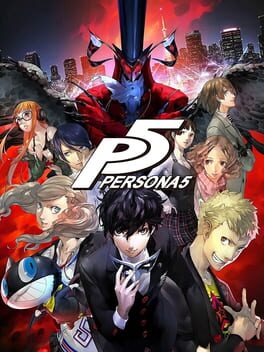
Persona 5 is an RPG developed by P Studio and published by Atlus, Atlus USA and Deep Silver. Released in 2016 for PlayStation 3 and PlayStation 4, it brings the modern Persona formula to Tokyo and builds its adventure around two complementary lives: that of a high school student in everyday life and that of a member of the Phantom Thieves of Hearts.
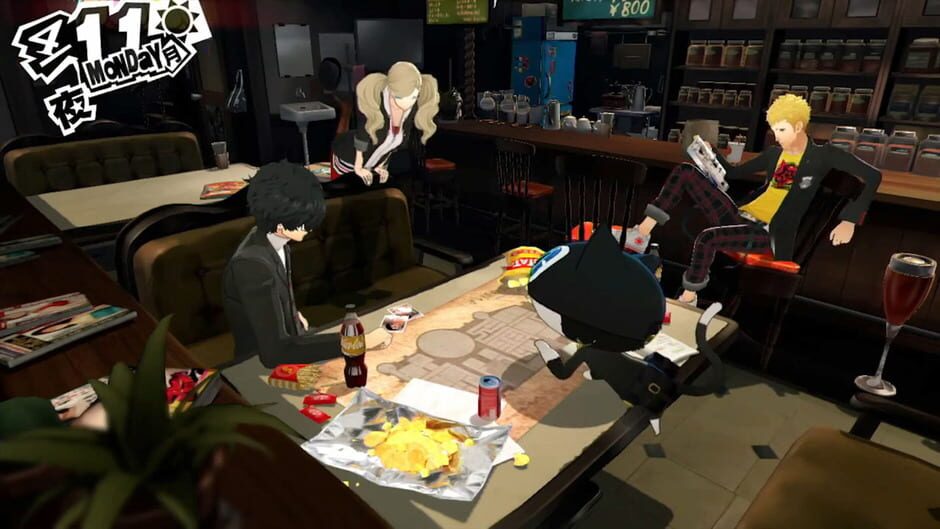
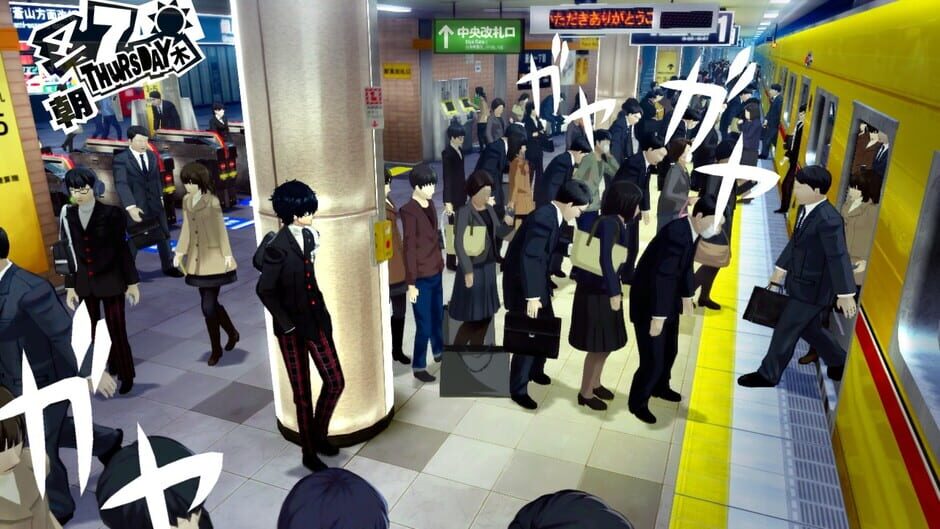
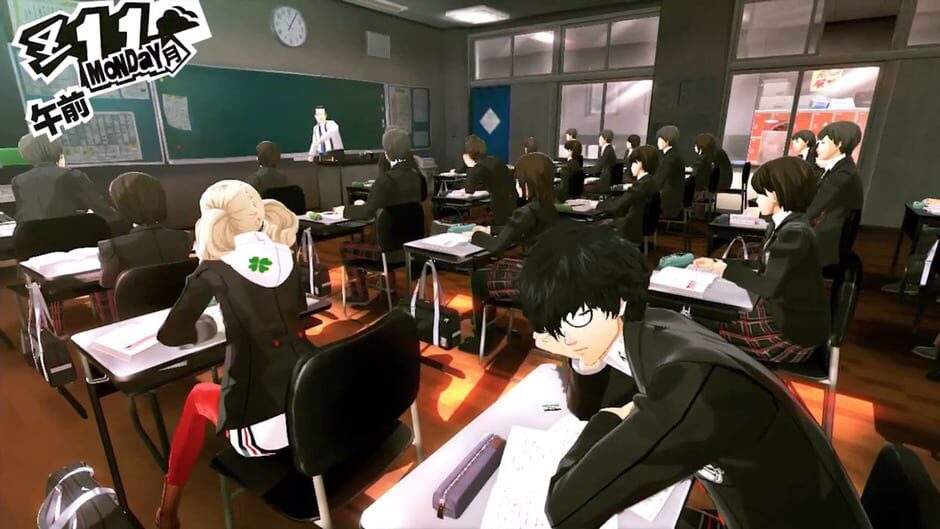
Time is organized through a calendar. During the day, the protagonist attends school, travels through different districts, works, takes part in various activities and meets people who gradually become part of his social circle. These choices consume some of the available time and can improve his social stats.
Relationships take the form of Confidants, an evolution of the Social Link system from earlier installments. Deepening these bonds develops individual character stories while also unlocking abilities and advantages that can be used across other systems in the game.
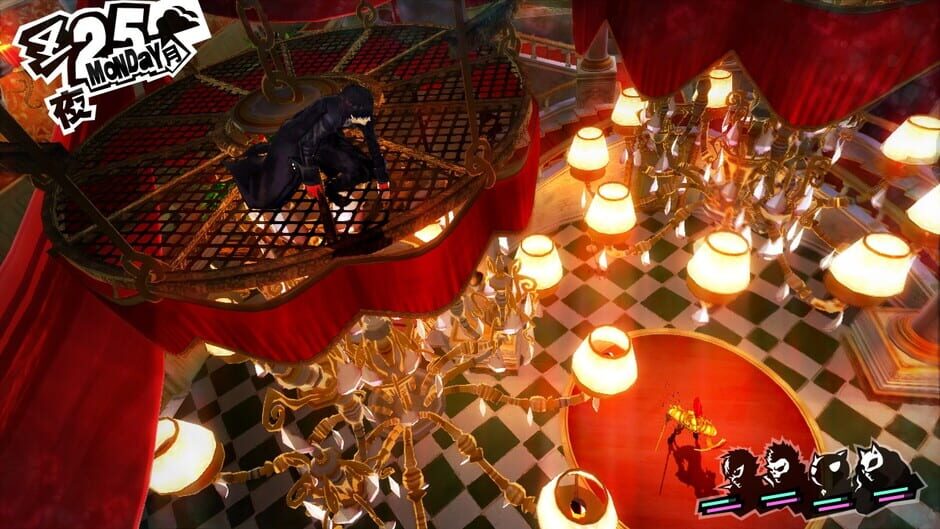
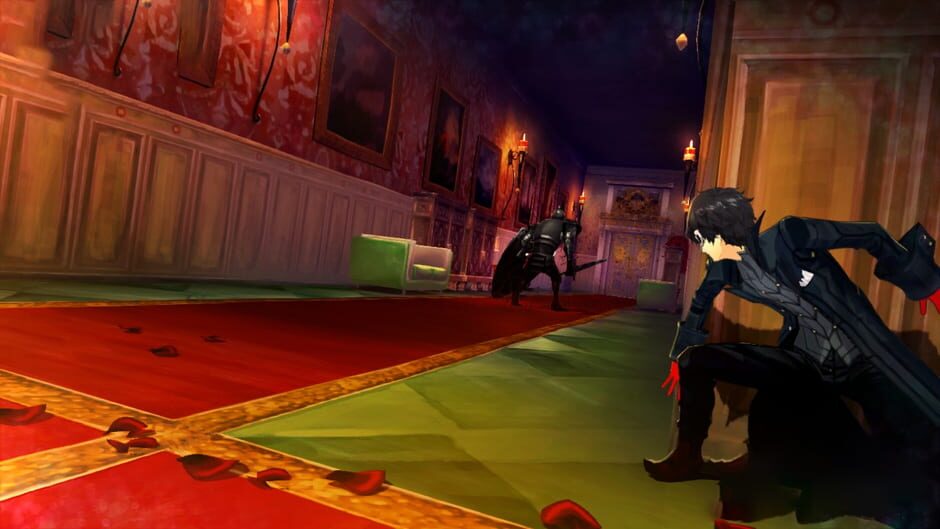
This everyday life alternates with exploration of the Metaverse, a supernatural world connected to human desires. The Phantom Thieves notably explore Palaces, dungeons linked to individuals whose perception of the world has been distorted by their desires.
Each Palace has its own identity, structure and obstacles. Exploration includes an infiltration element: the group can surprise Shadows to begin battles with an advantage, move from cover to cover and use the protagonist’s Third Eye to identify certain interactive elements.
Alongside these story-driven dungeons is Mementos, a large area with a different evolving structure that notably allows the group to complete certain requests outside the main Palaces.
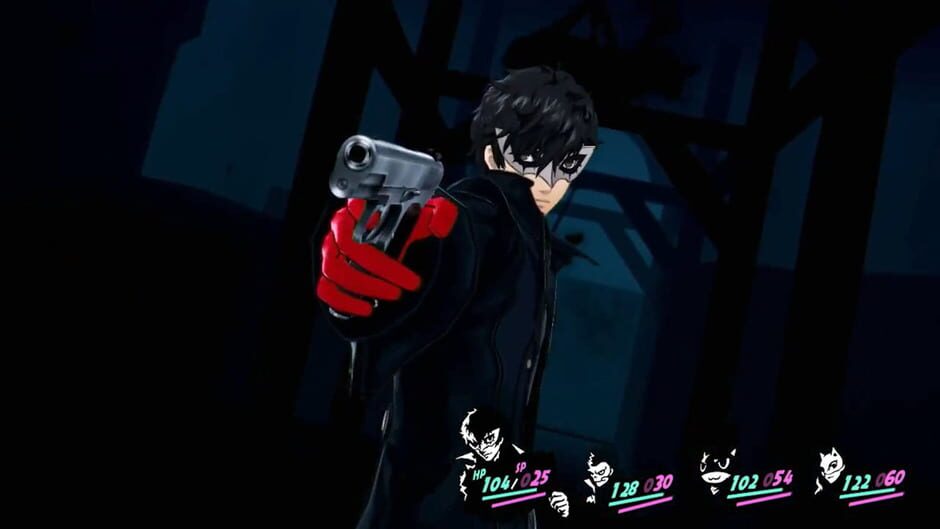
Battles are turn-based. Physical weapons, firearms and Persona skills make it possible to exploit enemy resistances and weaknesses. Hitting a weakness knocks the target down and grants another action, encouraging the player to build attacks around each Shadow’s affinities.
When all enemies are down, the group can trigger a Hold Up. This situation makes it possible to launch an All-Out Attack, but also to negotiate with a Shadow in order to obtain money, items or attempt to convince it to join the protagonist as a new Persona.
The protagonist has a particular ability that allows him to wield multiple Personas. These can be recruited and then fused in the Velvet Room to create new combinations of stats and skills.
The system directly connects the two sides of the game: progressing with Confidants strengthens different possibilities, while everyday activities indirectly prepare the player for future exploration.
Persona 5 is also distinguished by a highly constructed visual identity. Menus, transitions, typography and interfaces all contribute to the presentation and constantly support the Phantom Thieves aesthetic instead of remaining purely functional elements.
The game is a single-player experience and uses the Gamebryo engine.
What to remember
- Persona 5 alternates between everyday life and exploration of the Metaverse, with a calendar that requires the player to organize available time.
- Confidants develop the protagonist’s relationships and unlock different advantages as they progress.
- Palaces are story-driven dungeons linked to the distorted desires of certain individuals.
- Mementos complements this structure with a separate area used notably to complete different requests.
- Exploration includes infiltration and ambush mechanics that allow the group to gain an advantage over Shadows.
- Battles are turn-based and rely heavily on exploiting elemental weaknesses.
- A Hold Up allows the player to choose between an All-Out Attack and different forms of negotiation with Shadows.
- The protagonist can recruit multiple Personas and fuse them in the Velvet Room to gain new abilities.
- Everyday activities, Confidants and combat systems are connected: social progression directly affects certain RPG possibilities.
- The highly stylized interface is an integral part of the game’s visual identity and accompanies both exploration and combat.
Conclusion
Persona 5 develops the series’ everyday-life structure around one central idea: making the life of a high school student coexist with the clandestine activities of the Phantom Thieves.
The calendar, Confidants and movement through Tokyo build the everyday side of the experience, while Palaces, Mementos and turn-based combat form its supernatural counterpart. The two dimensions remain connected through the progression of relationships, social stats and Personas.
The installment also places greater emphasis on infiltration and negotiation with Shadows, while giving each Palace its own identity instead of relying on a single large dungeon.
This structure allows Persona 5 to combine RPG systems, social simulation, dungeon exploration and time management within the same progression.
Good to know
- Developer: P Studio.
- Publishers: Atlus, Atlus USA and Deep Silver.
- Persona 5 was released on September 15, 2016.
- The game is available on PlayStation 3 and PlayStation 4.
- It uses the Gamebryo engine.
- It is a single-player experience.
- Its genres notably include RPG, adventure, comedy, drama, fantasy and mystery.
- Other known titles include P5, Shin Megami Tensei: Persona 5, 女神异闻录5 and 女神異聞錄5.