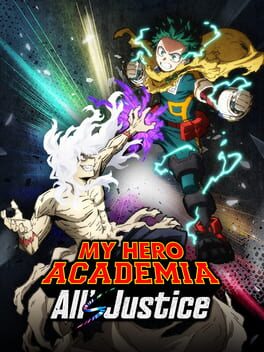
As the conflict between Heroes and Villains reaches its climax, Izuku Midoriya, his classmates from U.A. High and the Pro Heroes face the forces gathered around Tomura Shigaraki and All For One. The Final War scatters the fighters across several fronts and pushes everyone to use their Quirks to their limits. The story mode follows these battles from both Hero and Villain perspectives, leading to the decisive confrontation between One For All and All For One that brings one of My Hero Academia's greatest conflicts to its conclusion.
Video game
2026
Action
Science fiction
Fighting
My Hero Academia: All's Justice
- Bandai Namco Entertainment Publisher
- Byking Inc. Developer
Relive My Hero Academia's Final War through 3-on-3 arena battles where Heroes and Villains unleash their Quirks at full power.
Details
- Type
- Video game
- Release
- 2026-02-05
- Genres
- Action, Science fiction, Fighting
- Platforms
- PlayStation 5, Xbox Series, PC, Nintendo Switch 2
- Engine
- Unreal Engine 5
- Game modes
- Single player, Multiplayer
Synopsis
My Hero Academia: All's Justice
Trailer
Watch the trailer
Overview
Presentation
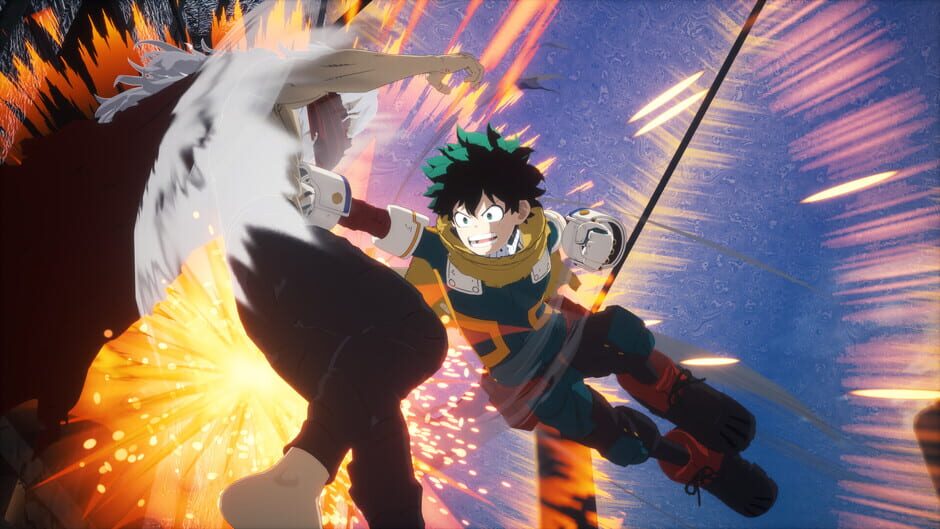
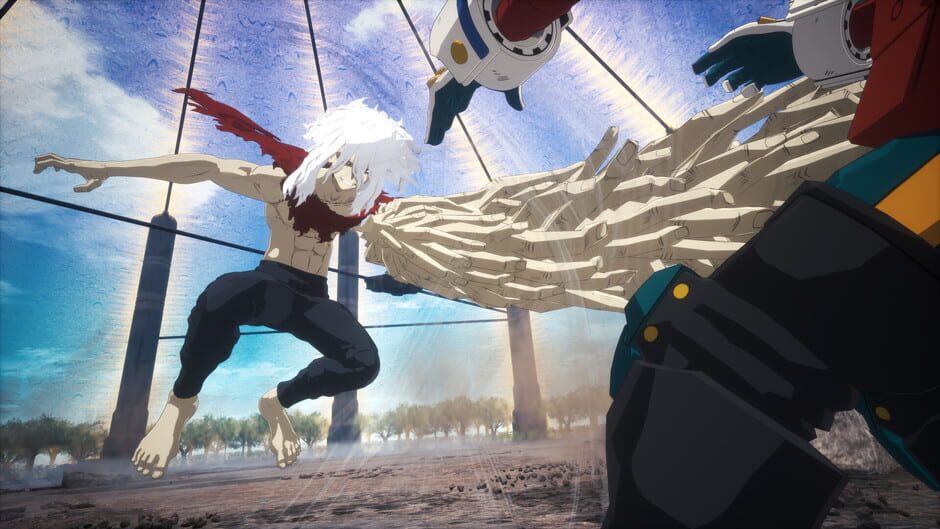
My Hero Academia: All's Justice is a 3D arena fighting game focused mainly on the Final War of My Hero Academia. Players can use U.A. students, Pro Heroes and major Villains across several modes covering both the final battles of the series and earlier confrontations.
Battles are built around teams of up to three characters. Players can switch fighters during combat, extend combos with a teammate or use a defensive switch to regain control of a difficult situation.
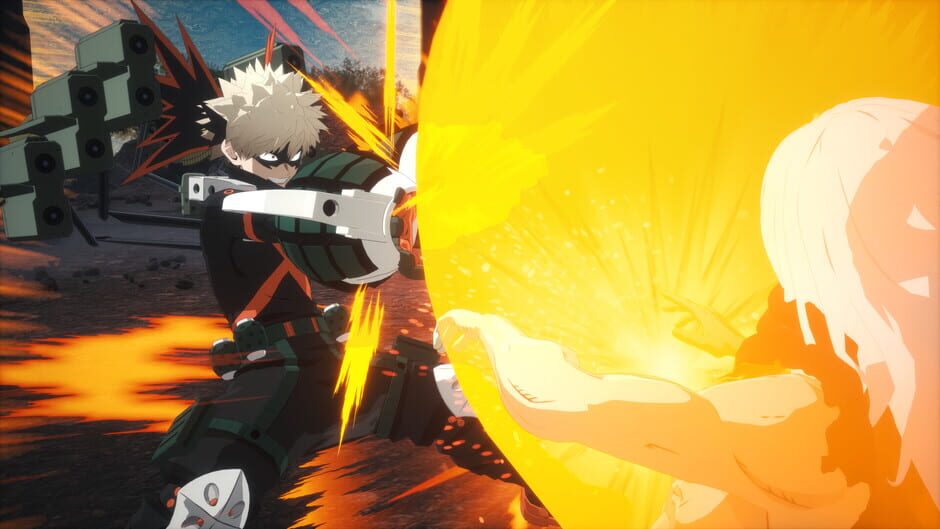
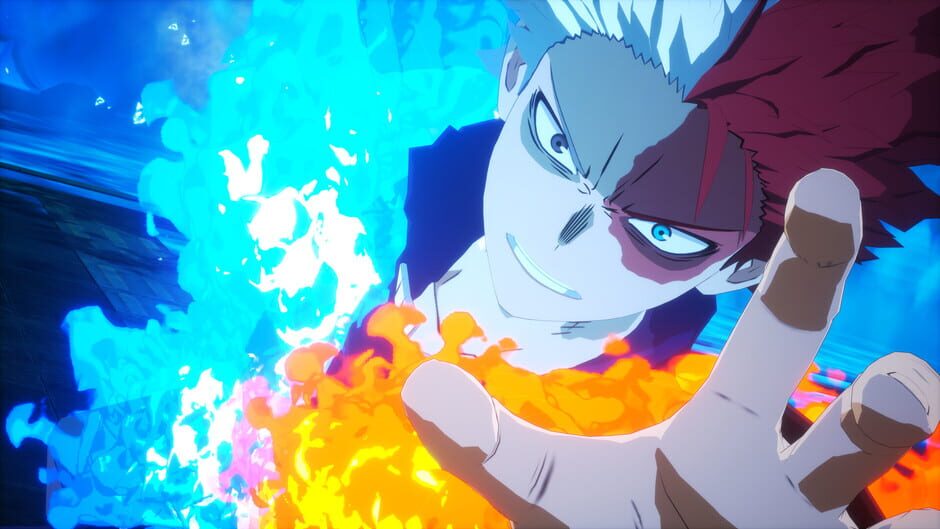
Each character uses techniques based on their own Quirk, with very different playstyles depending on their abilities. Close-range attacks, projectiles, special movement options and control techniques make it possible to build complementary teams.
The combat system revolves around standard attacks, counters, guards, unblockable attacks and dodges. The objective remains to defeat all three members of the opposing team.
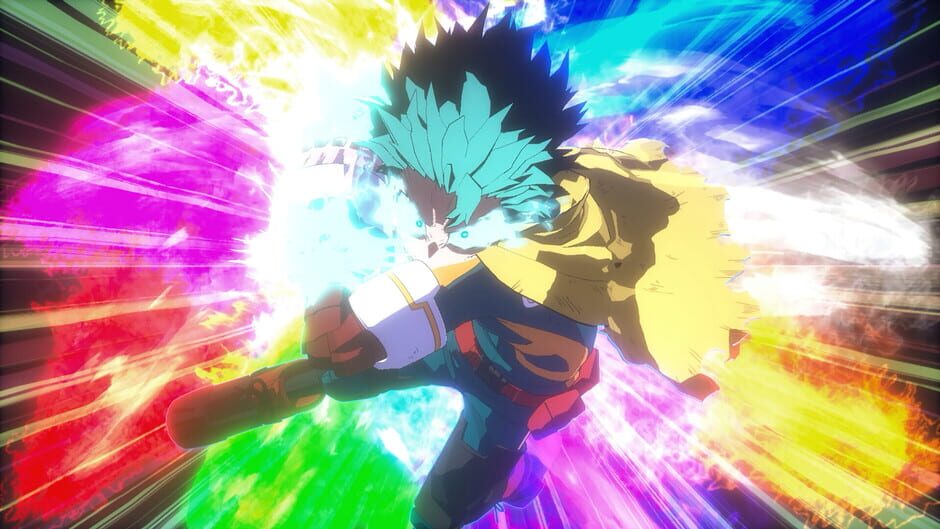
A dedicated gauge can also be used to trigger Plus Ultra Combos, coordinated attacks in which all three members of a team unleash their Quirks during a particularly powerful sequence.
The main new mechanic is Rising. When activated, it temporarily increases offensive power, movement speed and Quirk effectiveness. It can be used to extend pressure or attempt to turn around a disadvantageous situation.
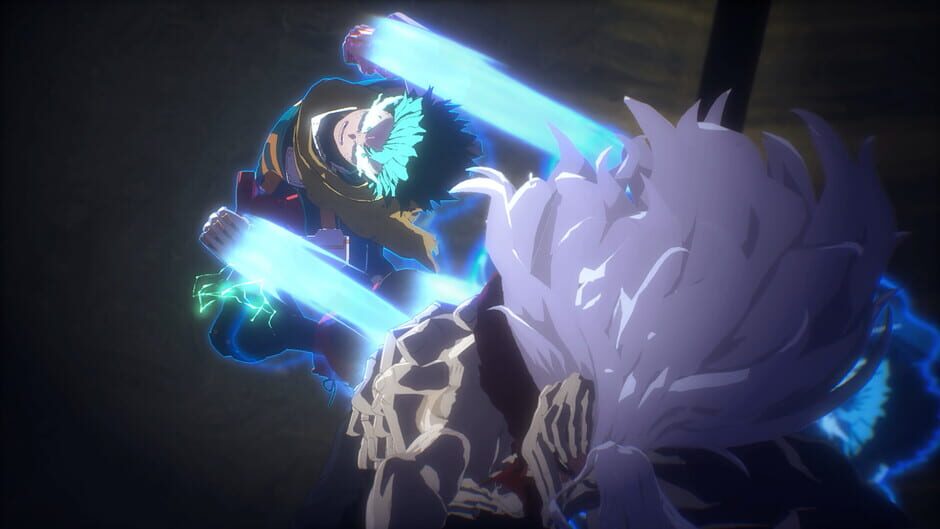
The Story Mode adapts the Final War while alternating between Hero and Villain perspectives. Original cinematic sequences connect the different battles until the central conflict between One For All and All For One.
The Team-Up Mission mode places the player in a virtual environment alongside the students of Class 1-A. It combines combat, exploration and training objectives within a dedicated map.
Completing certain missions can notably unlock Flashback Battles, focused on several iconic fights from the series, as well as the Hero's Diary, which places greater emphasis on the daily lives of the Class 1-A students.
The roster brings together characters from different periods of My Hero Academia, including several in their final or full-power forms used during the Final War.
Key points
- A 3D arena fighting game based on My Hero Academia.
- A campaign focused mainly on the Final War.
- Battles built around teams of three characters.
- The ability to switch fighters during combat.
- Combos and coordinated attacks between teammates.
- Each character uses abilities tied to their own Quirk.
- Plus Ultra Combos bring all three team members together.
- The Rising system temporarily increases power, speed and Quirk effectiveness.
- Story Mode presents both Hero and Villain perspectives.
- Team-Up Mission combines training, exploration and combat with Class 1-A.
- Flashback Battles revisit several iconic fights.
- The roster includes many characters in their most advanced forms.
Conclusion
My Hero Academia: All's Justice builds its identity around team-based battles and the strongest forms reached by the characters near the end of the story.
Mid-battle character switching, team synergies and the Rising system place strong emphasis on team composition, while Plus Ultra Combos directly showcase cooperation between three fighters.
The different modes expand this structure by allowing players to relive the Final War, revisit earlier battles and explore episodes centered on Class 1-A.
Good to know
My Hero Academia: All's Justice was developed by Byking and published by Bandai Namco Entertainment.
The game was released on February 6, 2026 for PlayStation 5, Xbox Series X|S and PC via Steam.
A Nintendo Switch 2 version was released on September 4, 2026.
The game features single-player and PvP battles, with teams of up to three characters.
The Nintendo Switch 2 version notably adds platform-specific features connected to GameShare and GameChat, as well as a mini-game mode made available with the update released alongside its launch.
A Season Pass adds several playable characters after release. These notably include Star and Stripe, Nana Shimura and a new version of Izuku Midoriya.
These characters and updates remain separate from the content available in the original campaign.
This entry focuses on the Final War, 3-on-3 combat, the Rising system and the main modes of My Hero Academia: All's Justice, without detailing every roster member or downloadable content release individually.