Presentation
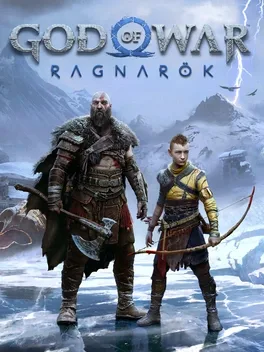
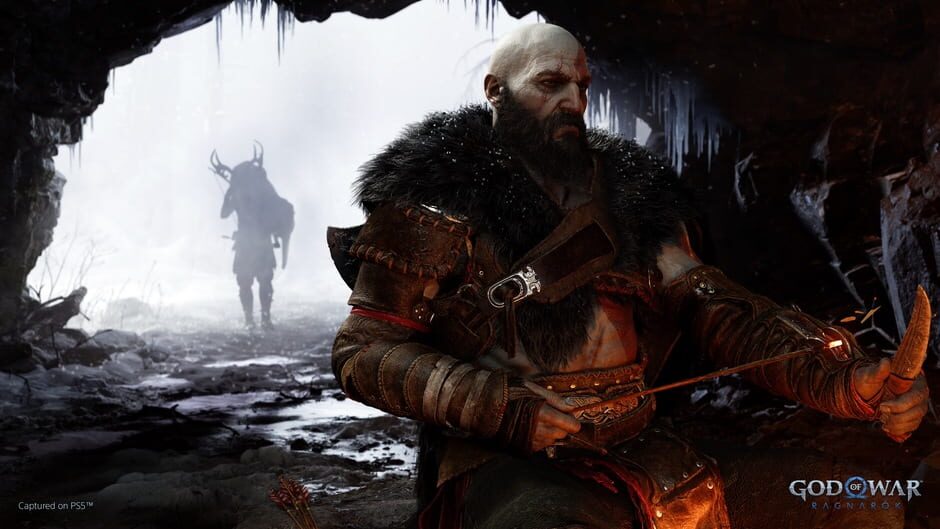
God of War accomplished the hardest part in 2018: transforming Kratos without pretending his past had never existed. God of War Ragnarök wisely chooses not to start that revolution over. Santa Monica Studio takes up the formula established four years earlier, expands it, and uses it to bring closure to this part of the story.
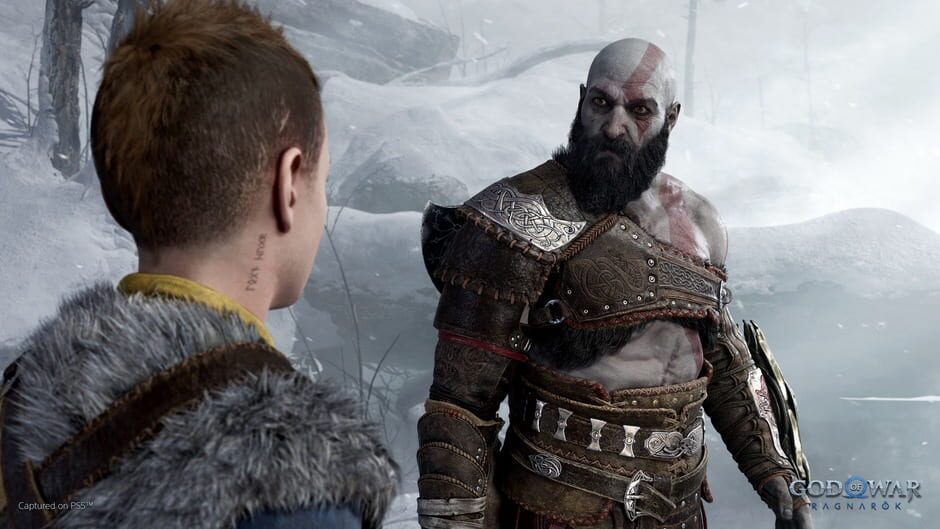
This continuity places the game in a different position from its predecessor. The 2018 episode rested heavily on discovery: new mythology, new relationship between Kratos and Atreus, new camera, new combat system. Ragnarök works more on consequences. Atreus grows up, the prophecies become more pressing, and Kratos must learn that protecting his son does not mean constantly deciding his future.
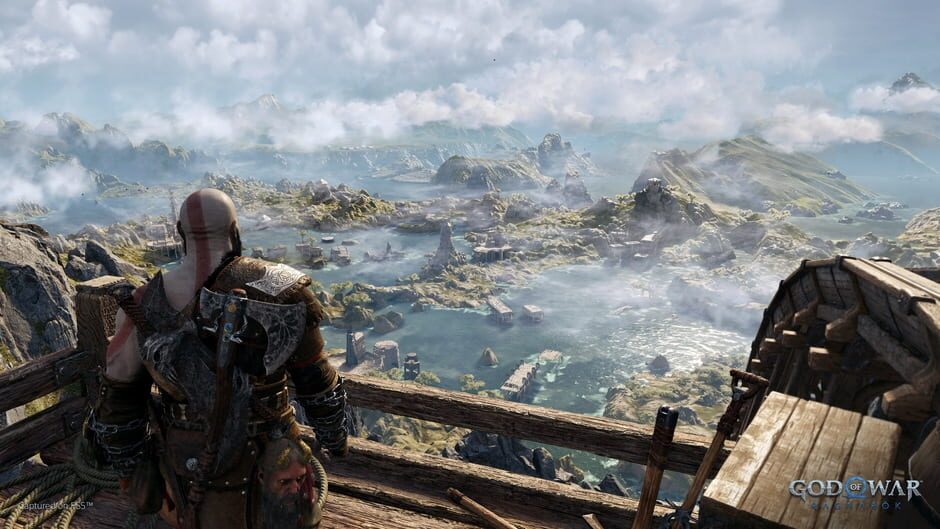
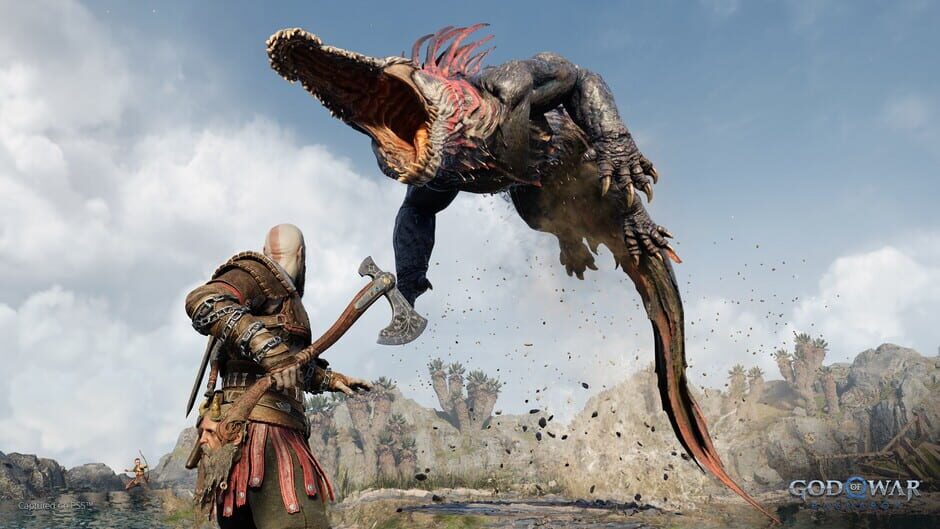
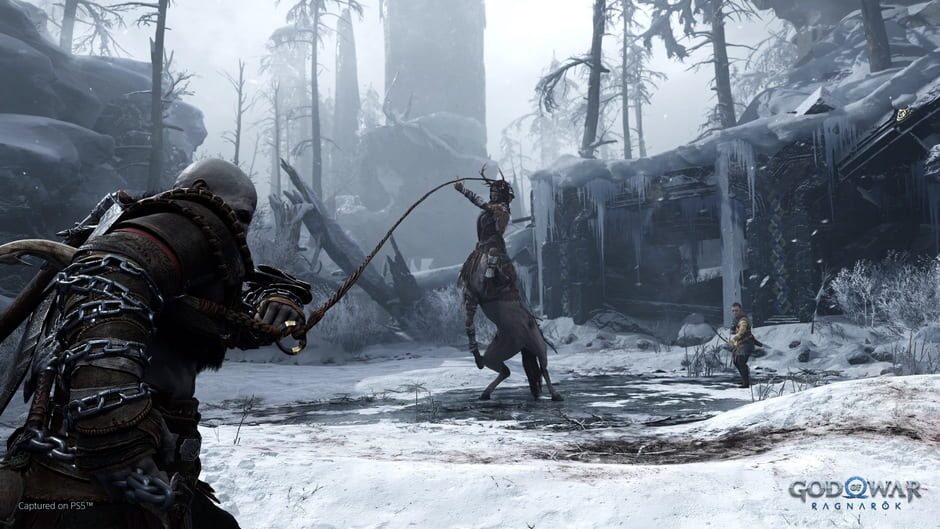
The journey gains considerably in scope. The nine realms now take part in the adventure, with more environments, characters, and situations. Combat keeps the physical closeness established in 2018 while developing weapons, shields, verticality, and the variety of adversaries. Kratos has more options without losing that sense of weight that characterizes every confrontation.
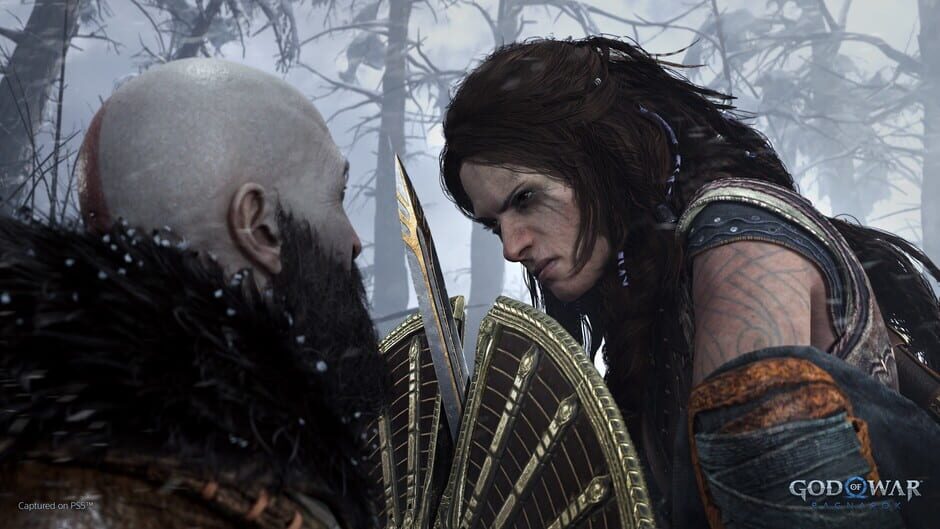
But the mythological scale never fully takes over the characters. The Norse gods, the creatures, and the announced end of the world provide the spectacle; the relationships give the journey its meaning. The conflict between destiny and change thus runs through Atreus as much as Kratos, but also through several characters locked into roles they believe they must keep playing.
Ragnarök therefore remains an adventure about the end of the world, but its true stake is more intimate: knowing whether someone can interrupt the cycles they themselves helped maintain.
Key Takeaways
- Ragnarök directly continues God of War (2018) and depends heavily on the relationships, revelations, and conflicts set up in that episode.
- The formula is broadened rather than replaced, with more realms, enemies, and combat possibilities.
- Kratos and Atreus remain at the center of the story, around parenthood, destiny, and the difficulty of letting the other choose their own path.
- Norse mythology takes on considerable scope, without erasing the intimate dimension that already defined the previous game.
- Accessibility is one of the major evolutions, with many options to adapt controls, readability, navigation, and combat.
Conclusion
God of War Ragnarök largely succeeds because it simply accepts being a sequel. It does not try to artificially manufacture a new break comparable to that of 2018. The shock has passed; now one must live with what it produced.
This approach works particularly well with Kratos. His evolution is no longer a promise contained behind a few silences. He must actually apply what he thought he had learned. The warrior capable of facing gods remains deeply clumsy when it comes to accepting that Atreus may make a decision he would not have chosen himself.
That is probably where Ragnarök finds its finest moments. Combat is richer, the realms more numerous, and the spectacle often impressive, but a conversation between two characters can carry more weight than a mythological creature filling the screen. Kratos becomes interesting precisely because his power does not solve the problems that matter most.
This desire to broaden almost everything has its limit, however. Ragnarök has to conclude many trajectories, develop new characters, and give a place to all the mythological stakes accumulated since 2018. Some sections feel less tense, and the final part gathers many resolutions in a relatively concentrated space. The game gains in richness what it sometimes loses in the simplicity of the previous journey.
This density does not, however, destroy the coherence of the diptych. God of War told the story of a man trying to become something other than what his past had made of him. Ragnarök pushes that transformation further: changing does not simply mean acknowledging one's mistakes, but accepting that the consequences of that change then escape our control.
Kratos cannot prevent Atreus from growing up without precisely reproducing what he is trying to abandon. It is in this contradiction, much more than in the announced apocalypse, that Ragnarök finds its true conclusion.
Good to Know
- God of War Ragnarök was released on November 9, 2022 on PlayStation 4 and PlayStation 5.
- The game is developed by Santa Monica Studio and directed by Eric Williams.
- Bear McCreary returns to compose the music after God of War (2018).
- Ragnarök won six awards at The Game Awards 2022, notably for its narrative, its music, its accessibility, and Christopher Judge's performance.
- The free content God of War Ragnarök: Valhalla, released in 2023, takes the form of an epilogue set after the main adventure.
- A PC version was released in September 2024.