Presentation
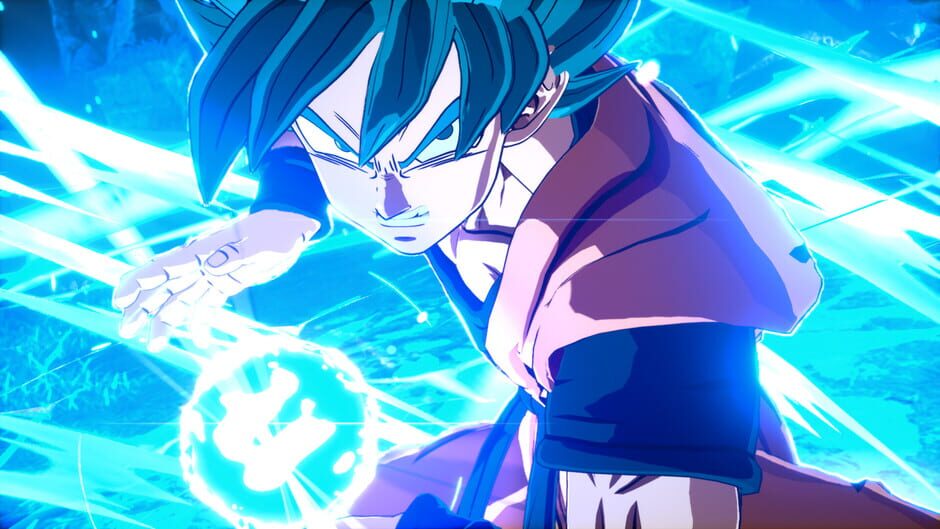
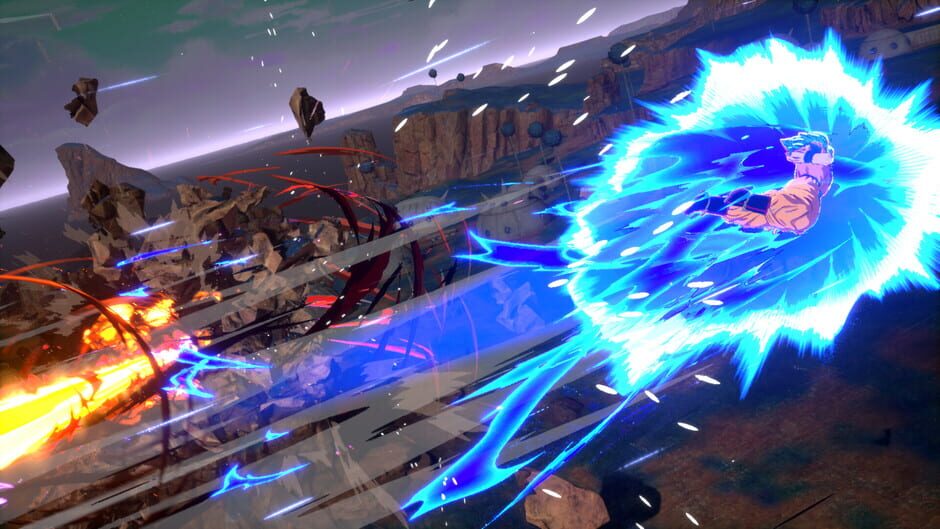
DRAGON BALL: Sparking! ZERO marks the return of the formula known in the West through the Budokai Tenkaichi series. Spike Chunsoft revives large-scale 3D combat rather than the side-on structure of a conventional fighting game. Characters can fly freely, change altitude rapidly, rush across long distances and unleash iconic techniques in arenas large enough to support their scale of power.
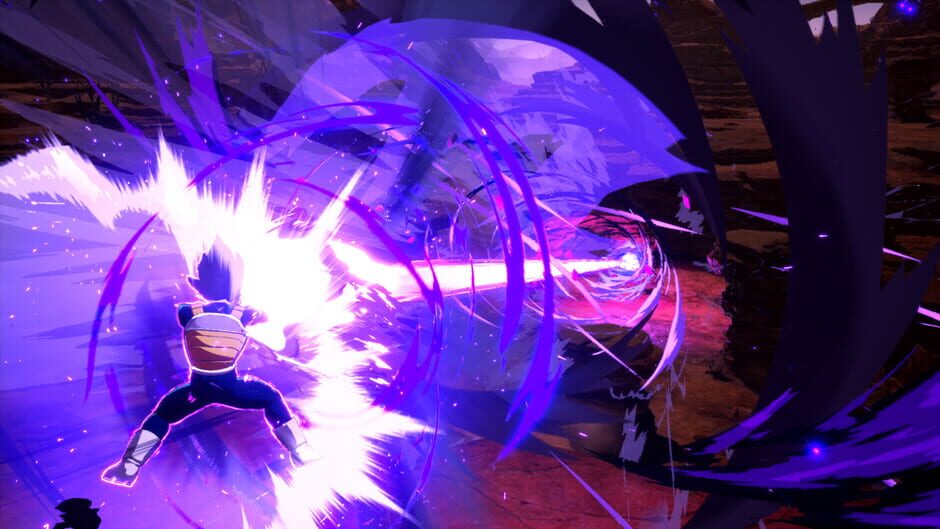
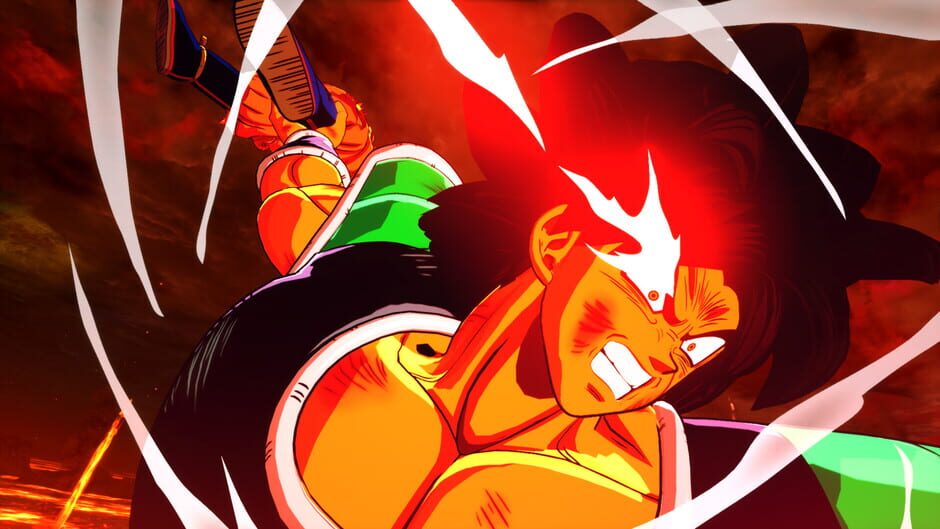
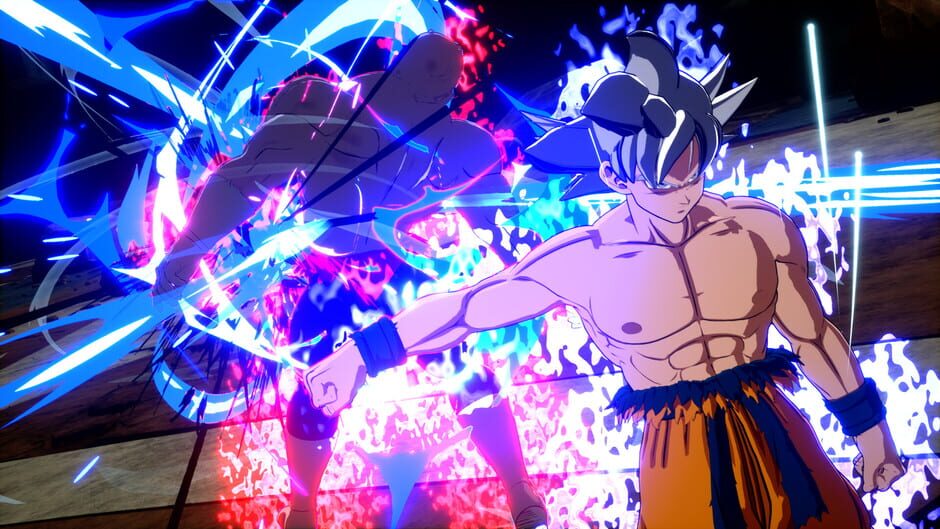
Combat is primarily designed to reproduce the spectacle and rhythm of Dragon Ball. Melee attacks, throws, defensive teleportation, Ki charging, special techniques and ultimate attacks can be chained together, while transformations can directly alter the course of a fight. Beam clashes, high-speed rushes and attacks capable of devastating part of the environment are as important to the game’s identity as its more technical systems.
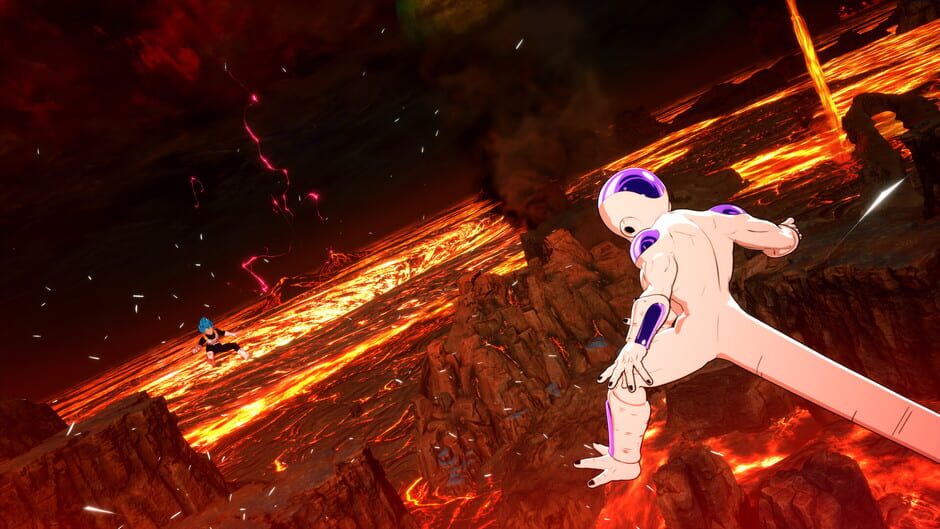
The environments react to the battles. Powerful attacks can destroy parts of the arena, while transformations amplify the visual impact around the fighters. The destruction is not intended as a complex physical simulation; it mainly gives the clashes the scale expected when characters capable of destroying mountains or planets face each other.
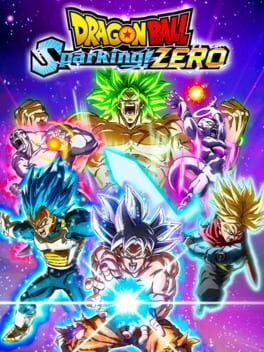
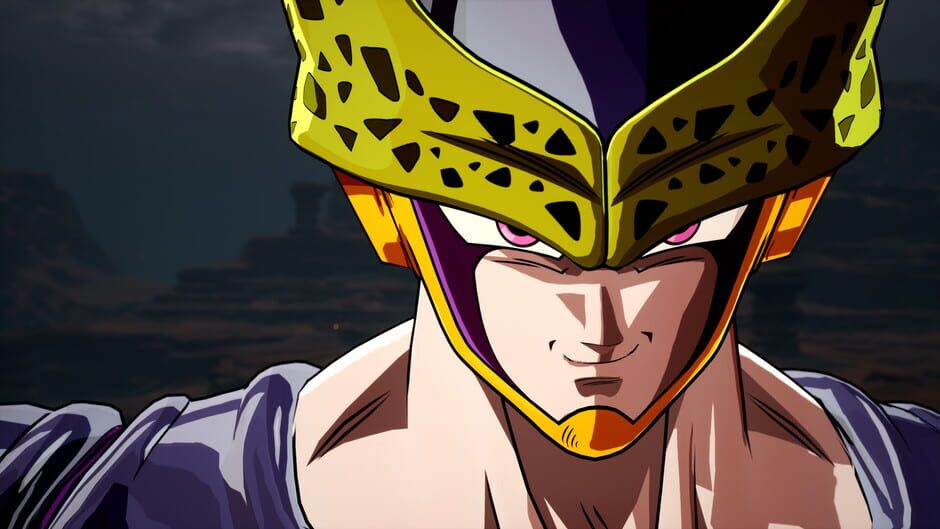
The roster is naturally one of the central pillars of the experience. The base game includes 182 playable fighters and transformations drawn mainly from Dragon Ball Z, Dragon Ball Super, Dragon Ball GT and the films, with a smaller selection from the original Dragon Ball. Several versions of the same character correspond to different periods of the saga and feature their own transformations, techniques or attributes.
This abundance is not designed around perfectly symmetrical competitive balance. Differences in power are part of the concept: controlling Beerus, Gogeta or Broly is deliberately not equivalent to choosing a much weaker fighter. Team battles nevertheless use different parameters to regulate compositions and give more structured matches a clearer framework.
Episode Battle is the main narrative mode. Its eight routes revisit familiar battles through a progression map that connects the different encounters. Special conditions in certain fights can open branching paths that alter later events and sometimes create several alternate episodes around the same character.
This structure fits a franchise whose major events are already widely known. The game does not attempt to retell every scene in full; it focuses on important confrontations and uses branching paths to explore situations that could never happen in the official timeline. The depth of these routes varies depending on the character, since not all of them occupy the same place in the saga.
Custom Battle develops another side of this idea. Players can create their own fights by choosing characters, teams, arenas, rules, victory conditions and events triggered during the battle. Scenes can also be staged before and after the fight using poses, expressions, camera angles, music and predefined text. These creations can then be shared with other players.
The game also includes developer-made Bonus Battles. They use the same tools to create original matchups with their own dialogue, conditions and special rules. They demonstrate what Custom Battle can achieve while providing additional content for players who prefer playing over creating.
Traditional battles remain available in solo and multiplayer, with casual matches, ranked play and different tournament formats. Tournament Mode supports preset rules or custom competitions both online and offline, giving free-form battles a place alongside the more narrative and creative modes.
The size of the roster creates a distinctive learning curve. The fundamentals remain accessible enough for players to quickly perform recognizable attacks, but defensive systems, counters, Ki management, combo routes and movement options require much more understanding. The game therefore offers immediate spectacle while leaving considerable room for mechanical improvement.
This philosophy also explains why Sparking! ZERO does not behave like a conventional competitive fighting game. Much of its appeal comes from the freedom of its matchups, the size of its roster and its willingness to preserve deliberately exaggerated differences in power. This can create imbalance or frustrating situations, but it remains consistent with the heritage of Budokai Tenkaichi and with the fantasy of playing Dragon Ball characters without forcing them into equal strength.
Since launch, the game has continued to expand. Early downloadable content added characters from Dragon Ball Super: Super Hero and Dragon Ball DAIMA. In July 2026, the Super Limit-Breaking NEO expansion added 33 fighters, four stages and the solo Limit Breaker Journey mode on PlayStation 5, Xbox Series X|S and PC, while updates continued to adjust combat systems.
What to remember
- The return of the Budokai Tenkaichi formula through fast, aerial and highly destructive 3D combat.
- A launch roster of 182 playable fighters and transformations covering several major periods of the Dragon Ball universe.
- Episode Battle follows the major conflicts from the perspectives of Goku, Vegeta, Gohan, Piccolo, Future Trunks, Frieza, Goku Black and Jiren.
- Alternate routes make it possible to discover scenarios that diverge from the original timeline.
- Custom Battle lets players create, stage, play and share their own fights with personalized rules and events.
- Versus, ranked and tournament modes complement the narrative and creative content.
- Extensive post-launch content has continued to expand the roster and available modes, including Super Limit-Breaking NEO in 2026.
Conclusion
DRAGON BALL: Sparking! ZERO succeeds above all by recovering what made Budokai Tenkaichi distinct from other adaptations of the franchise. Space, speed and the differences in power between characters matter just as much as mastery of attack strings. The result prioritizes the feeling of embodying the fighters from the anime rather than enforcing strict balance across the entire roster.
This approach works especially well because of the size of the cast and the presentation of the battles. Transformations, ultimate attacks, Ki clashes and environmental destruction give fights a scale that would be difficult to reproduce within the more restrictive rules of a traditional fighting game.
Episode Battle complements this philosophy by treating the familiar story as a playground. Canon events provide the framework, while branching paths allow players to alter their outcomes. Custom Battle pushes that freedom further by handing the creation of matchups and situations directly to the player.
The formula also comes with clear compromises. A roster this large inevitably produces major differences in effectiveness, some narrative routes are much more developed than others, and the importance of defensive mechanics can make higher-level matches demanding once the immediate spectacle wears off. These characteristics nevertheless fit a vision of Dragon Ball in which every fighter was never meant to have exactly the same chances.
More than a simple collection of characters, Sparking! ZERO works as a large combat sandbox built around the Dragon Ball universe. Its appeal comes both from replaying familiar battles and from altering them, bringing together characters separated by different eras or creating confrontations that could never exist in the official timeline.
Good to know
- DRAGON BALL: Sparking! ZERO is developed by Spike Chunsoft and published by Bandai Namco Entertainment.
- The game was released in October 2024 for PlayStation 5, Xbox Series X|S and PC.
- It marks the return of the series known in the West as Dragon Ball Z: Budokai Tenkaichi.
- The base game includes 182 playable fighters and transformations.
- Nintendo Switch and Nintendo Switch 2 versions were released on November 14, 2025.
- Downloadable content has added fighters from Dragon Ball Super: Super Hero and Dragon Ball DAIMA.
- The Super Limit-Breaking NEO expansion, released on July 30, 2026 for PlayStation 5, Xbox Series X|S and PC, adds 33 characters, four stages and the solo Limit Breaker Journey mode; its Switch version is scheduled for later.