Presentation
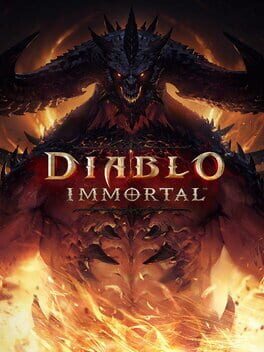
Developed jointly by Blizzard Entertainment and NetEase Games and published by Blizzard Entertainment, Diablo Immortal was released on June 2, 2022 for Android and iOS, while its Windows version launched simultaneously in Open Beta. Wyatt Cheng served as Game Director. The project became both the first Diablo designed from the beginning for mobile devices and the first installment in the franchise built as an MMOARPG.
Its story takes place between Diablo II: Lord of Destruction and Diablo III, roughly five years after the destruction of the Worldstone. This position allows familiar characters to return while developing regions, factions and events that received little attention in the other installments.
Westmarch serves as the primary social hub. Merchants, services, group activities and access to different types of content bring many players together simultaneously. Unlike the mostly private towns or small-party spaces of previous Diablo games, several areas in Immortal are directly designed as shared environments.
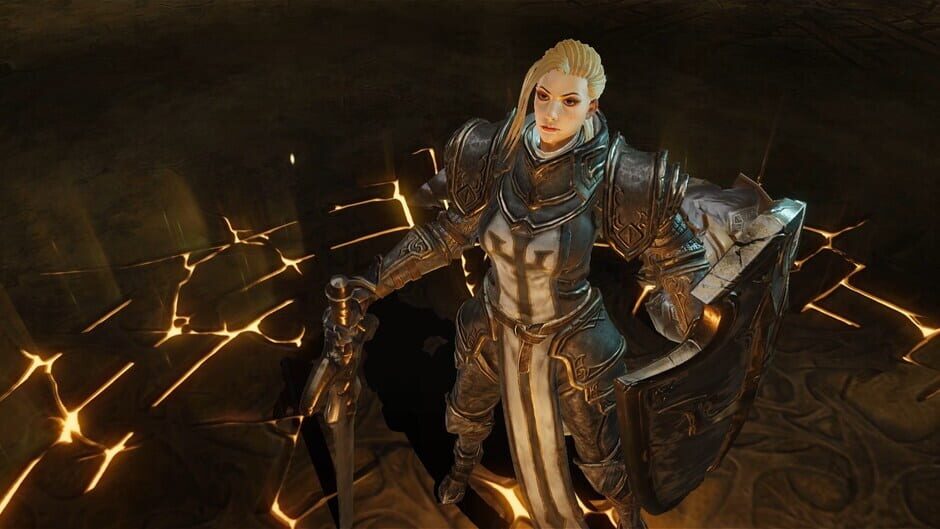
At launch, players can choose from six classes: Barbarian, Crusader, Demon Hunter, Monk, Necromancer and Wizard. Each possesses its own collection of skills, legendary equipment and combat styles. Additional classes would later be introduced through updates, reinforcing the game's live-service structure.
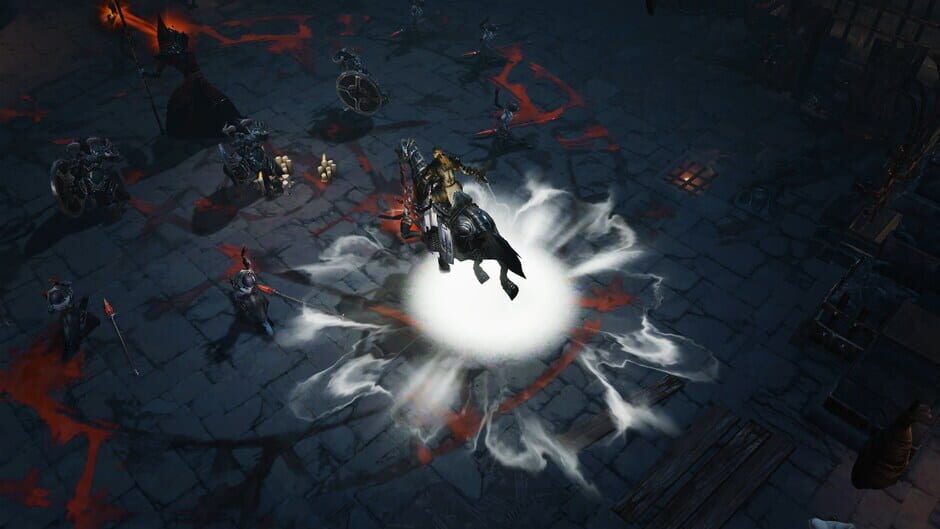
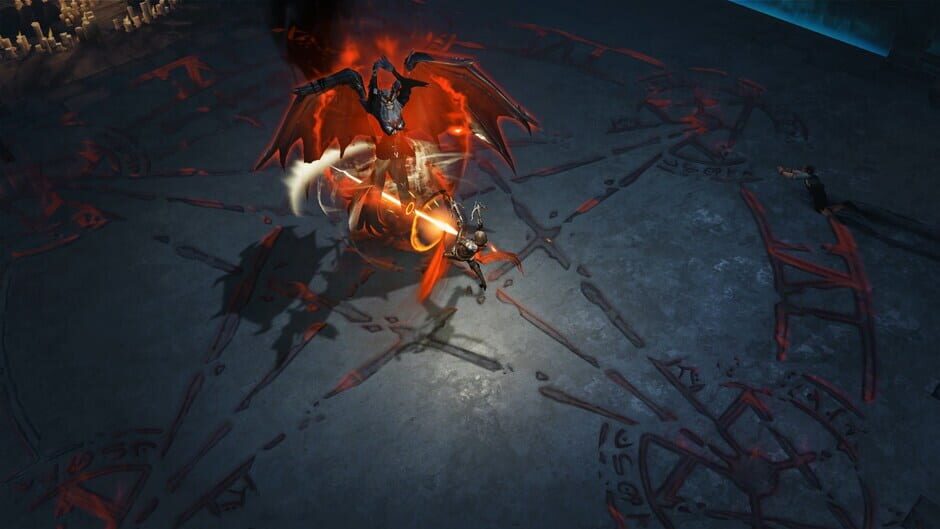
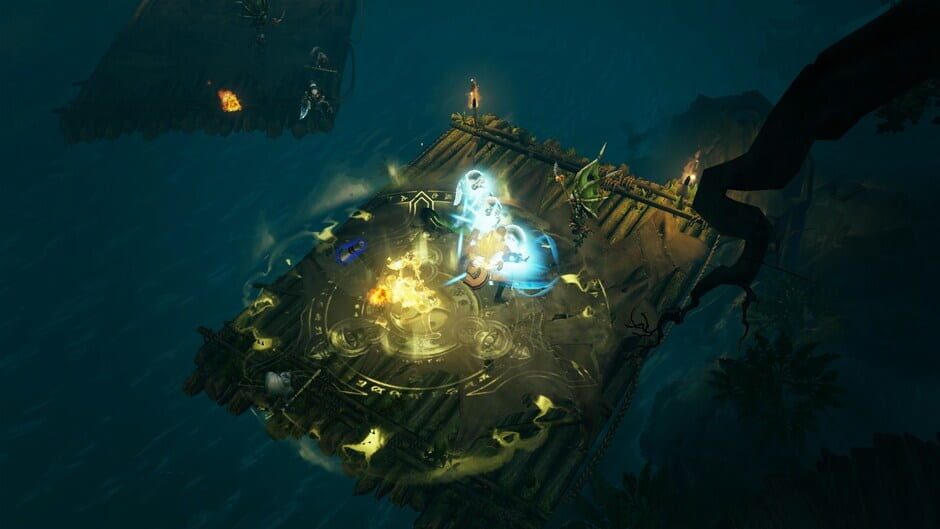
Combat retains Diablo's action RPG foundations while initially adapting them to touchscreens. Characters have a primary attack and several active abilities governed by cooldowns. Mobile movement uses direct virtual controls, while the PC version notably supports mouse and keyboard, WASD movement and controllers.
Legendary items play an important role in character building. Some do more than simply increase statistics: they directly modify the behavior of existing skills by changing their range, effects or function. Equipment therefore becomes closely connected to the abilities a player chooses to emphasize.
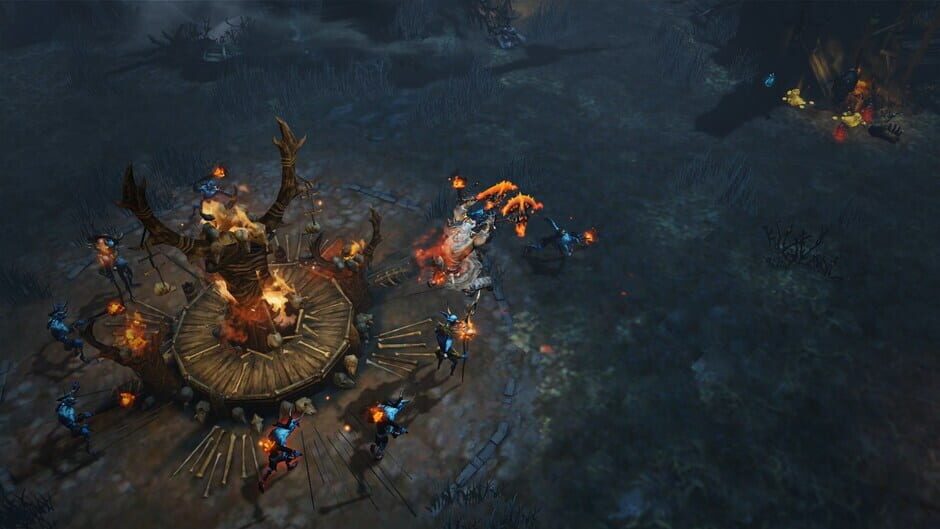
Progression extends far beyond the campaign. Elder Rifts provide short repeatable runs through generated environments and can be modified through the use of Crests. Challenge Rifts instead offer increasingly difficult stages associated with rankings and rewards.
Dungeons provide another major component. They are designed for group play or general progression and feature more structured sequences with objectives and bosses. The Helliquary expands this concept into encounters against particularly powerful demons and encourages the formation of regular groups.
Warbands bring together small groups of players, while clans organize larger communities. Diablo Immortal therefore integrates cooperation directly into its persistent structure rather than restricting multiplayer to temporarily joining another player's game as in Diablo II.
The game also develops a competitive layer through the Cycle of Strife, organized around the Immortals and Shadows. These factions participate in different activities and confrontations that eventually lead to PvP events determining which group holds the dominant position on a server.
Its business model is free-to-play with optional in-game purchases. The game includes a Battle Pass, cosmetic items, different currencies and Crests that can be earned or purchased. Legendary Crests used in Elder Rifts are notably connected to obtaining Legendary Gems, which contribute to character power progression.
Diablo Immortal was ultimately designed as a game receiving regular updates. New zones, stories, classes, equipment, events and systems have been added after launch. Cross-play and cross-progression between mobile and PC allow players to retain the same character and progress across platforms through a Battle.net account.
What to remember
- A story set between Diablo II: Lord of Destruction and Diablo III, centered on fragments of the Worldstone and the threat posed by Skarn.
- The first MMOARPG in the Diablo series, with Westmarch and several activities designed around a shared world populated by many players.
- Six launch classes: Barbarian, Crusader, Demon Hunter, Monk, Necromancer and Wizard, later joined by additional classes.
- Progression combining the campaign, dungeons, Elder Rifts, Challenge Rifts, Helliquary encounters and group activities.
- Major social systems including Warbands, clans, Immortals and Shadows, alongside cooperative and PvP activities.
- A free-to-play model with in-game purchases, combined with continuous development and cross-play with shared progression between mobile and PC.
Conclusion
Diablo Immortal moves the series' formula into a structure very different from the numbered installments. Combat, loot, classes and skills remain immediately recognizable, but they are now integrated into a persistent world designed to support large numbers of players at the same time.
This transformation naturally changes the rhythm of progression. The campaign represents only one part of the experience, supplemented by Rifts, dungeons, Helliquary encounters, faction activities and numerous progression systems designed for repeated play.
The social dimension also becomes far more important. Players no longer simply create temporary multiplayer games: Westmarch, Warbands, clans and the Cycle of Strife are built directly into the organization of the game and its long-term progression.
Its business model further distinguishes Immortal from earlier Diablo titles. Free access makes the game broadly available across mobile and PC, but it comes with in-game purchasing systems connected to certain resources, the Battle Pass and progression mechanics such as Crests and Legendary Gems.
Diablo Immortal therefore occupies a distinctive place within the franchise. It fills an important period in the timeline while experimenting with a massively multiplayer live-service formula intended to evolve across several years rather than remain fixed at the moment of release.
Good to know
- Diablo Immortal was developed jointly by Blizzard Entertainment and NetEase Games and published by Blizzard Entertainment.
- Wyatt Cheng served as Game Director during the development leading to launch.
- The game was released on June 2, 2022 for Android and iOS, with the Windows version launching simultaneously in Open Beta through Battle.net.
- Its story takes place roughly five years after Diablo II: Lord of Destruction and before the events of Diablo III.
- The six classes available at launch were Barbarian, Crusader, Demon Hunter, Monk, Necromancer and Wizard; additional classes were later added through updates.
- Diablo Immortal is the franchise's first MMOARPG and first free-to-play Diablo, with cross-play and shared progression between PC and mobile.
- The game was designed as an evolving service, with Blizzard and NetEase continuing to add new stories, regions, classes, equipment and activities after release.
```