A game is not only watched. It is crossed.
We move through it, hesitate, explore, fail and start again.
An image becomes a space. A rule becomes a sensation. A story becomes a situation in which the player acts, observes, decides or willingly gets lost.
Video games are a strange art because they connect several languages.
Several languages inside one experience
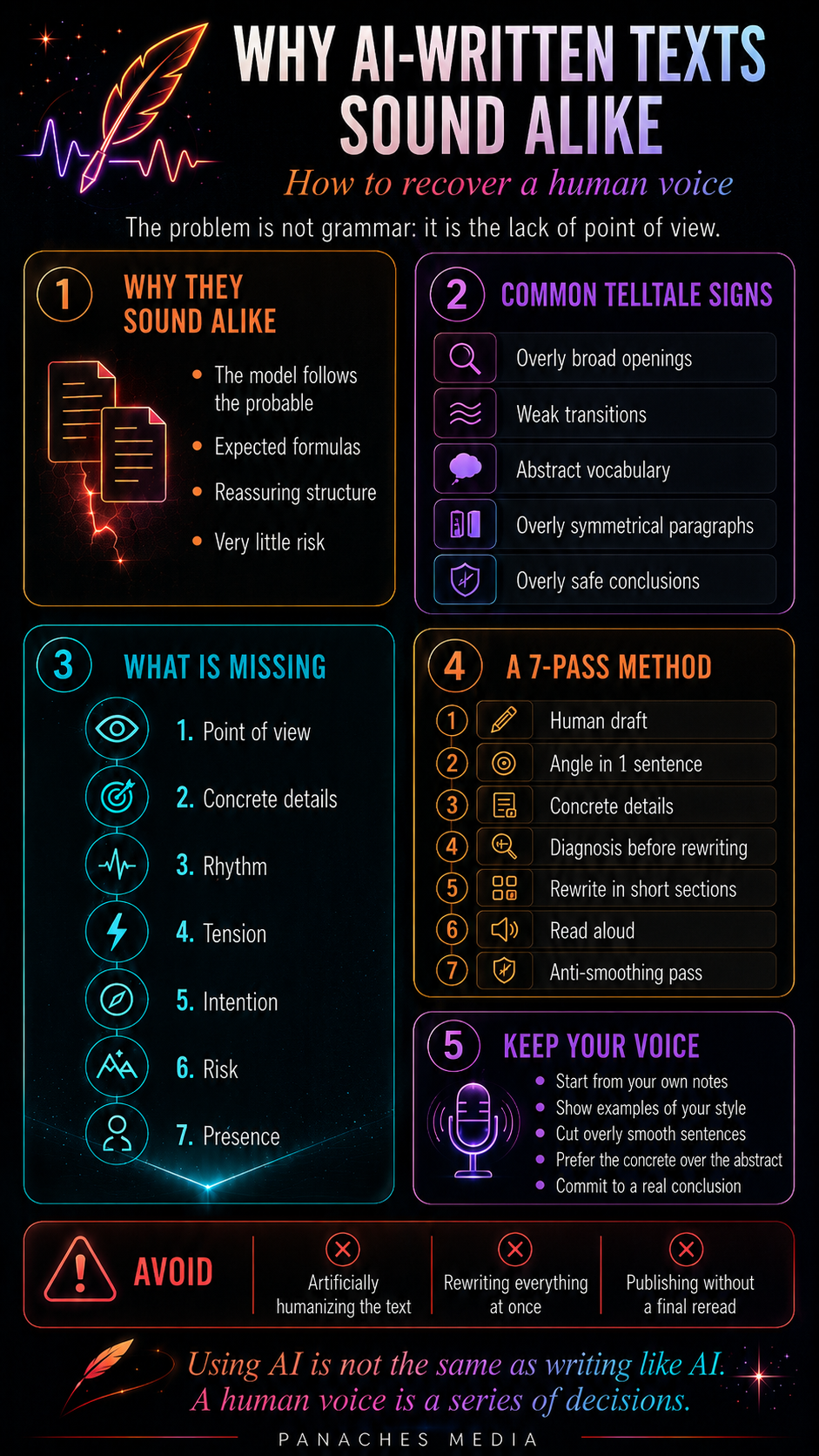
There is image, sound, rhythm, narrative, interface, architecture, code, rules, light, camera, movement and systems.
Each element may seem technical.
But they all take part in the same question: what will the player feel while doing something?
That question is what makes video games so particular.
It is not only about showing. You have to make someone act. Make them understand. Make them feel. Make them wait. Make them choose. Make them start again.
Designing an experience
Creating a game is not only about producing content.
It is designing an experience.
A level can guide without speaking. A mechanic can tell more than dialogue. A constraint can create tension. A map can make us want to explore. A gameplay loop can become reassuring, frustrating, addictive or poetic depending on how it is built.
Game design often works in these details.
A door placed in the right spot. A sound that confirms an action. A light that attracts the eye. A silence before danger. A simple rule that opens many possibilities.
Why game design goes beyond video games
This is why game design is interesting far beyond video games.
It speaks about attention, progression, choice, space, feedback, rhythm and motivation.
A writer can learn from a quest structure. An artist can learn from visual direction. A developer can learn from an interactive system. A musician can learn from a dynamic atmosphere.
Video games then become a laboratory.
A place where we can observe how an idea becomes a rule, how a rule becomes a sensation, and how a sensation becomes an experience.
Keeping together what feeds design
Panaches can support this exploration.
A game project or research around video games can bring together references, screenshots, notes, documents, gameplay ideas, moodboards, scripts, videos, sounds and useful links in the same space.
The goal is not to replace Unreal, Unity, Godot or specialized tools.
The goal is to keep together what feeds the design.
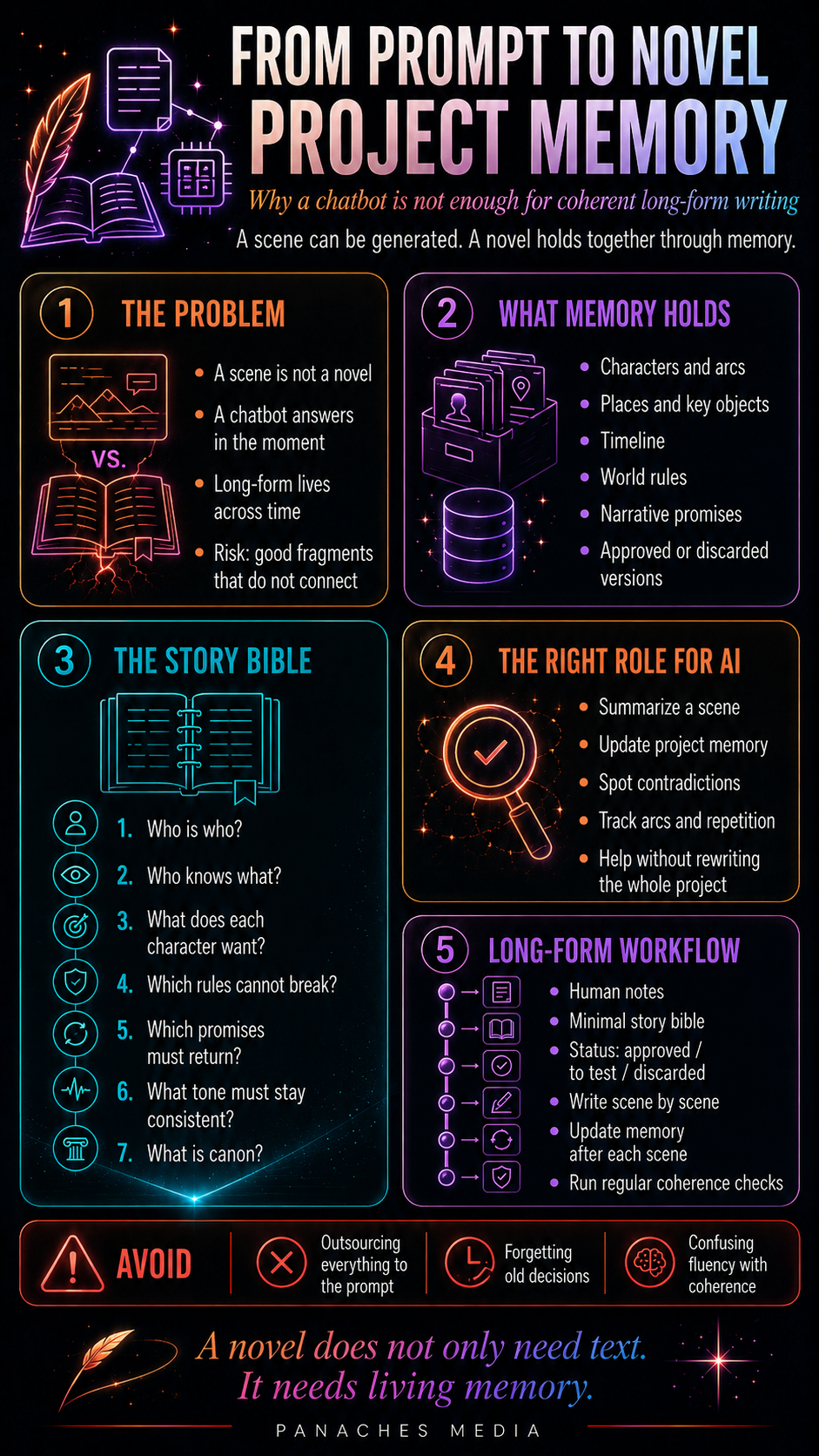
Because creating an interactive world means holding several threads at once.
A gameplay idea can come from a note. An atmosphere can come from an image. A mechanic can come from a player memory. A scene can be born from a sound. A rule can transform the entire structure of a project.
Inhabiting an idea
Video games are not only entertainment.
They are a laboratory for imagining spaces, rules, stories and experiences that can be inhabited.
They turn creation into passage.
The player does not only receive a work: they cross it, experience it, understand it through action.
And perhaps this is where video games touch something deep: they show that creating a world is not only inventing a setting.
It is inventing a way to live inside it.
Key takeaways
Video games connect several languages: image, sound, narrative, interface, code, rules, rhythm, space and systems.
Creating a game is not only about producing content, but about designing an experience the player crosses through action.
Game design can feed many other creative practices: writing, art, development, music, storytelling, interfaces and interactive worlds.
Panaches can help organize this exploration by keeping together references, screenshots, notes, documents, gameplay ideas, moodboards, scripts, sounds and useful links.