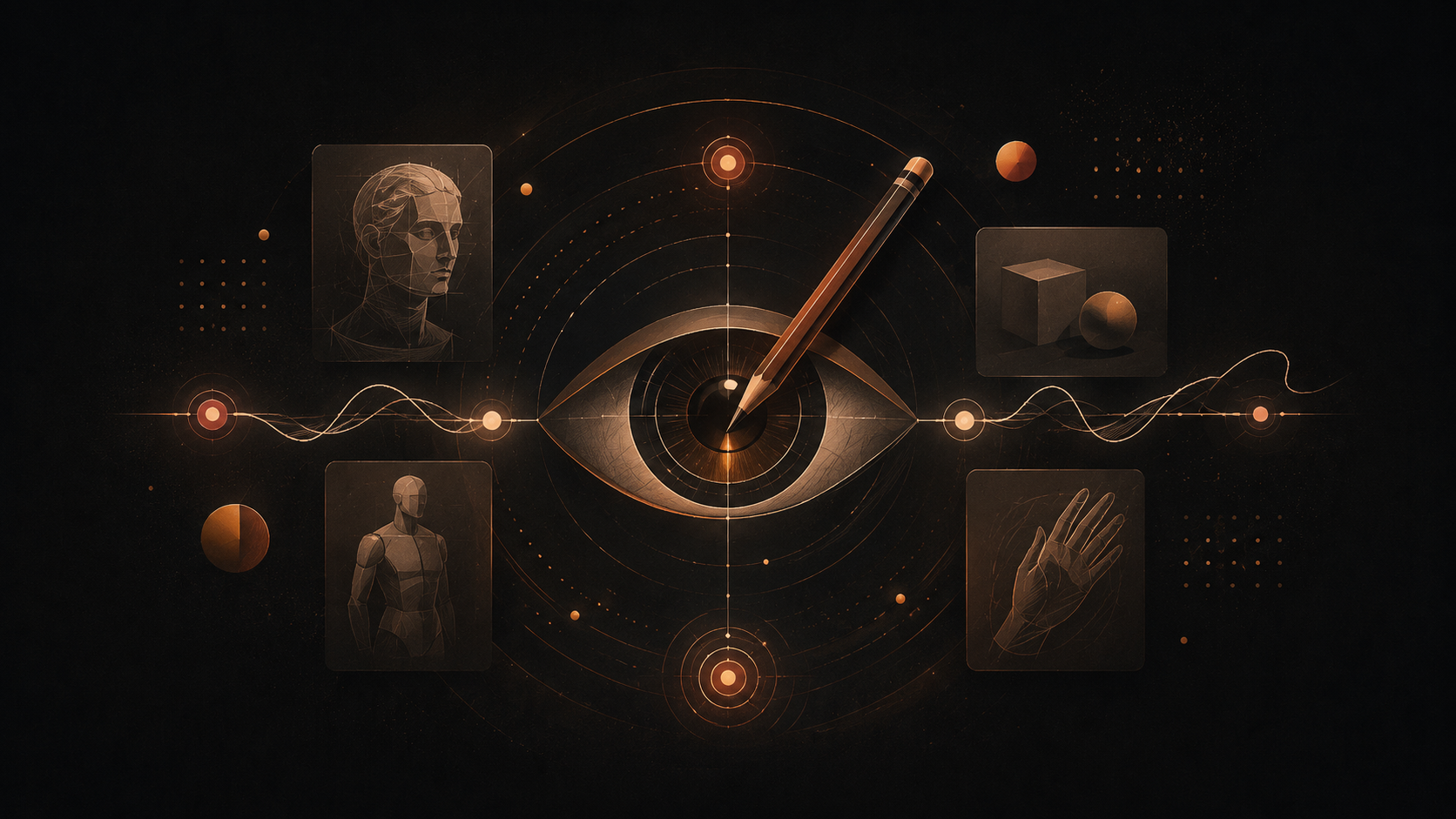
Drawing often begins before the line.
Before the line, there is the gaze.
A form we observe. A light we try to understand. A proportion that resists. An image we keep aside because it contains something: a posture, an atmosphere, a color, a movement.
Drawing is not only a matter of technique.
It is also a way of organizing attention.
Seeing what escapes the first glance
We learn to see what escapes the first glance: the relationships between forms, masses, empty spaces, tensions, details that say more than expected.
A face is not only a face. A hand is not only a hand. A silhouette is not only an outline.
Each element carries a structure, a weight, a rhythm, an intention.
Drawing means learning to slow down the gaze.
Not only naming what we see, but understanding how it holds together, how it moves, how it breathes.
References as tools for seeing
A sketchbook, an image library, a moodboard or a set of references are not simple accessories.
They are tools for training the eye.
In a creative practice, references are not there to be copied.
They are there to understand.
To understand a pose. An atmosphere. An intention. A structure. A balance. A tension. A light.
To understand why one image works, why another feels flat, why a detail catches the eye.
Little by little, drawing becomes a dialogue between what we see, what we know and what we are trying to make appear.
Preparing a drawing is not wasting time
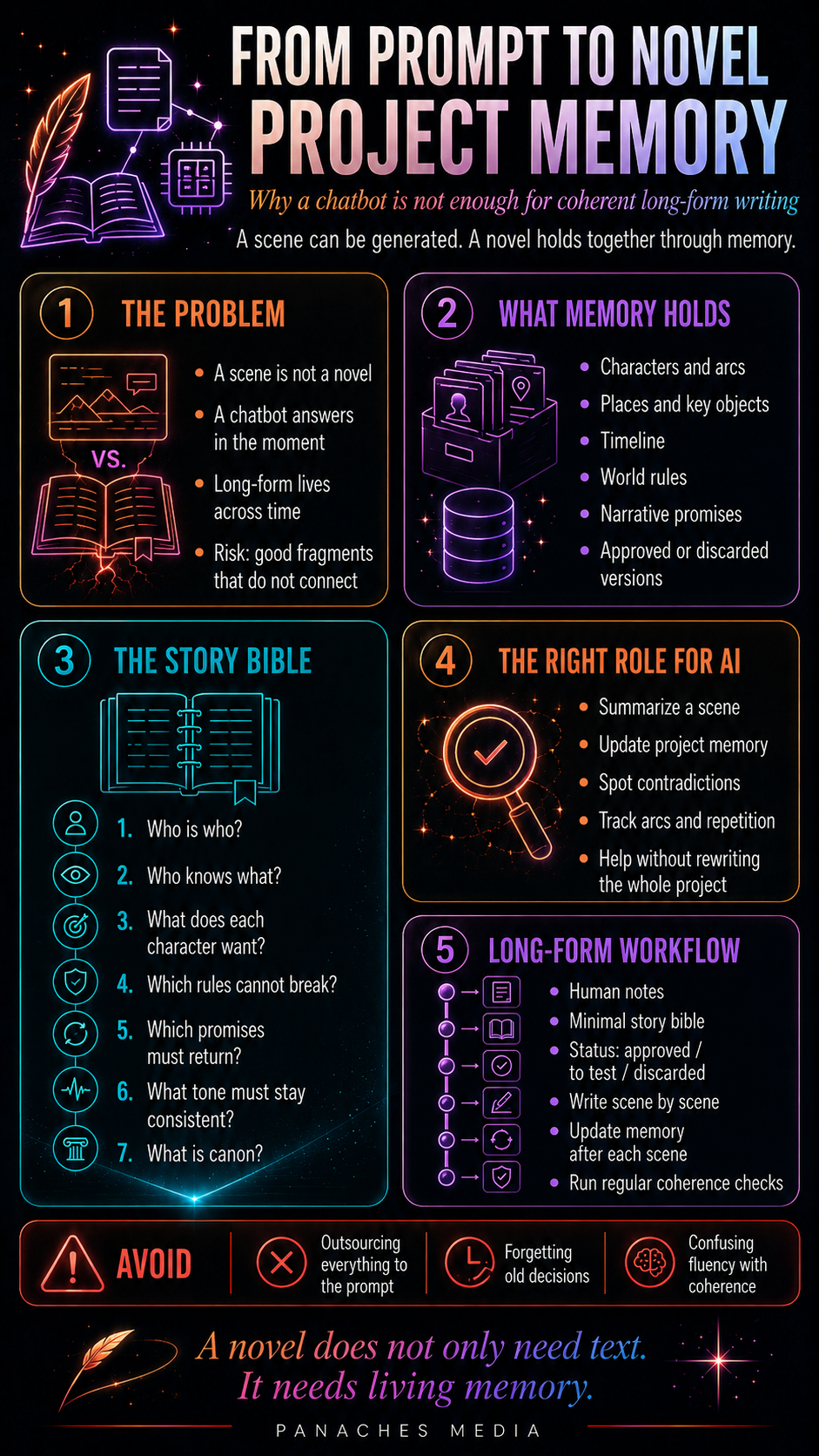
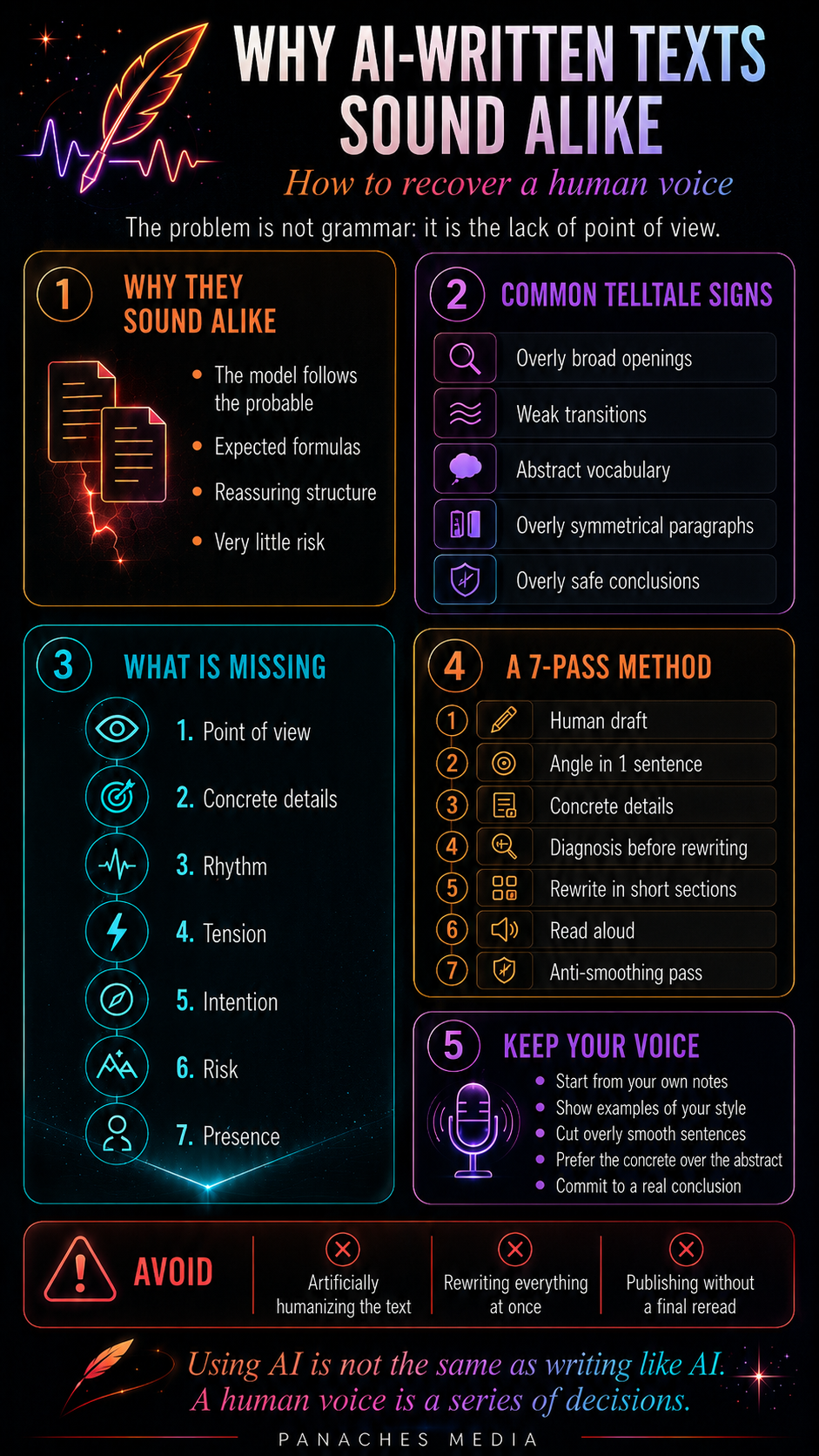
Panaches can support this preparatory work.
A drawing project can begin with visual research, continue in a moodboard, and grow through notes, annotated images, attempts, references, documents or composition ideas.
The important thing is not to organize everything perfectly.
The important thing is to keep useful elements close enough to return to them, compare them and transform them.
A reference can become a lead. A note can clarify an intention. An image can trigger a composition. A detail can guide an entire series.
This invisible work feeds the drawing before the first line is even placed.
Drawing to choose what we keep
Drawing is therefore not only about producing an image.
It is learning to see the world better, then choosing what we want to keep from it.
A line simplifies. A shadow insists. A composition creates hierarchy. A frame decides. A distortion sometimes reveals more than an exact copy.
Drawing turns looking into choices.
And that is where it becomes deeply creative: not only reproducing what exists, but revealing a personal way of seeing.
Key takeaways
Drawing begins before the line: in the gaze, observation, references and attention given to forms.
Drawing is not only a technique. It is a way of understanding proportions, masses, empty spaces, tensions, light and movement.
Sketchbooks, moodboards, annotated images and reference libraries are not made for copying, but for training the eye.
Panaches can help organize this preparatory work by connecting images, notes, ideas, attempts and references inside the same project space.