






















Overview
Universal Pictures is an American film studio founded in 1912 by Carl Laemmle.
It originated as the Universal Film Manufacturing Company following the merger of several independent companies, including Laemmle’s Independent Moving Pictures Company.
This origin makes Universal one of the oldest major film studios still active today.
From its earliest years, the company sought to control several stages of the industry: production, distribution and exhibition. In 1915, Carl Laemmle officially opened Universal City, a vast California production site where the public could already observe films being made.
Universal subsequently developed an exceptionally rich identity.
The studio profoundly influenced fantasy and horror cinema with Dracula, Frankenstein, The Mummy, The Invisible Man, Bride of Frankenstein and The Wolf Man, creating the legacy now known as the Universal Monsters.
Over the decades, its catalog expanded to virtually every genre: comedy, westerns, melodrama, science fiction, war films, thrillers, adventure, animation and blockbusters.
Universal is notably associated with All Quiet on the Western Front, Spartacus, Psycho, Jaws, E.T. the Extra-Terrestrial, Back to the Future, Jurassic Park, Schindler’s List, The Mummy, The Bourne Identity, Fast & Furious, Mamma Mia!, Les Misérables, Fifty Shades, Oppenheimer and Wicked, depending on the different production and distribution structures involved.
Its corporate history is equally significant: Universal came under the control of Decca, MCA, Matsushita, Seagram, Vivendi and later NBCUniversal.
Since 2013, NBCUniversal has been fully owned by Comcast.
Universal Pictures remains one of the group’s principal film studios today, alongside separate entities such as Focus Features, DreamWorks Animation and Illumination.
History
1912 — Carl Laemmle founds Universal
Universal’s history begins with Carl Laemmle, a German immigrant living in the United States who entered the film industry while it was still taking shape.
Laemmle had previously created the Independent Moving Pictures Company, or IMP, and notably opposed the control exercised by the Motion Picture Patents Company over part of the American market.
In 1912, IMP merged with several other companies to form the Universal Film Manufacturing Company.
Carl Laemmle became head of the new organization.
Universal brought together production, distribution and exhibition, an ambitious structure for an industry that was still very young.
1914-1915 — Universal City
Universal quickly sought to consolidate a large part of its production on an enormous California property.
Production began on the future Universal City site in 1914.
Damon and Pythias is identified by NBCUniversal as the first film completed on the lot.
In 1915, Universal City officially opened its doors.
The site was presented as a true “city of filmmaking,” bringing together sets, stages, workshops and the infrastructure required to produce films.
Carl Laemmle also allowed members of the public to discover film shoots, an idea that became one of the distant origins of Universal’s future tourism business.
The 1920s — From silent cinema to sound
Universal gradually became an important player in the silent-film era.
The studio developed numerous productions across different budget levels and helped establish several stars.
It also became interested very early in fantasy and horror.
The Hunchback of Notre Dame, starring Lon Chaney, was released in 1923, followed notably by The Phantom of the Opera in 1925.
These films already foreshadowed a tradition that would become central during the following decade.
Like the rest of the industry, Universal then had to adapt to the arrival of sound.
In 1928, the studio released Melody of Love, its first all-talking feature film.
1930 — All Quiet on the Western Front
In 1930, Universal achieved major prestige with All Quiet on the Western Front, directed by Lewis Milestone from Erich Maria Remarque’s novel.
The film offered an especially harsh depiction of the First World War.
It notably won the Academy Award for Best Picture.
The award demonstrated that Universal could produce ambitious works with major critical recognition while simultaneously developing another specialty that would soon become legendary.
The 1930s — The Universal Monsters
In 1931, Dracula, starring Bela Lugosi, and Frankenstein, starring Boris Karloff, placed Universal at the heart of Hollywood horror cinema.
The studio followed them with The Mummy, The Invisible Man, Bride of Frankenstein and various films centered on Dracula, Frankenstein and new monsters.
The Wolf Man joined this legacy in the early 1940s.
These productions created an extraordinarily durable iconography: makeup, Gothic castles, laboratories, creatures and characters became major references in popular culture.
Dracula, Frankenstein’s monster, the Mummy, the Invisible Man, the Wolf Man and later the Creature from the Black Lagoon gradually formed what is now known as the Universal Monsters.
1936 — The end of the Laemmle era
Despite several successes, Universal experienced major financial difficulties.
Carl Laemmle Jr., who then played an important role in production, committed the company to increasingly ambitious and expensive films.
The Laemmle family borrowed from Standard Capital to finance its operations.
In 1936, the family ultimately lost control of the studio to its creditors.
After almost a quarter of a century, Universal therefore continued without its founder.
The studio’s name and operations survived the transition, beginning a long succession of ownership changes.
The 1940s — Comedies, monsters and a new organization
Universal continued producing a large number of films during the 1940s.
The classic monsters returned in various sequels and crossover films, while the duo Abbott and Costello became one of the studio’s major commercial attractions.
The company also worked with Walter Lantz’s animation studio, notably associated with Woody Woodpecker.
At the same time, Universal sought to change its structure and strengthen its productions.
1946 — Universal-International
In 1946, Universal merged its operations with International Pictures, a company created notably by William Goetz and Leo Spitz.
The new organization developed productions under the name Universal-International.
The objective was partly to give the catalog a more prestigious direction while modernizing the studio’s operations.
The period produced a wide range of films, from film noir and westerns to popular comedies.
The Universal name nevertheless remained at the heart of the company’s identity.
1952 — Decca takes control
In 1952, Decca Records took control of Universal-International.
The studio continued operating with budgets that were often relatively controlled.
The decade was notably marked by westerns, melodramas and numerous fantasy and science-fiction films.
Directors such as Douglas Sirk developed several melodramas there that later became critically celebrated works.
Universal also continued its creature legacy with Creature from the Black Lagoon, released in 1954.
1962 — MCA acquires Universal
A fundamental transformation occurred in 1962.
MCA, the Music Corporation of America, acquired Decca and therefore took control of Universal.
MCA had developed under the influence of executives such as Lew Wasserman and already possessed substantial experience in talent representation and television production.
The integration created an organization combining film, television, talent management and production infrastructure.
The Universal Pictures name gradually returned as the principal film identity.
This period laid the foundations of modern Universal.
1964 — The modern Studio Tour
Universal had welcomed visitors since the era of Carl Laemmle, but its modern tourism business entered a new phase in 1964 with the development of the Universal Studio Tour.
Visitors could travel through the facilities and discover behind-the-scenes filmmaking.
Attractions were gradually added alongside sets and production demonstrations.
This business ultimately evolved into Universal Studios Hollywood, followed by an international network of parks and destinations.
It created a particularly strong connection between the studio’s films and physical experiences offered to audiences.
The 1970s — Jaws transforms the blockbuster
At the beginning of the 1970s, Universal developed a decisive relationship with a young director: Steven Spielberg.
After Duel and The Sugarland Express, Spielberg directed Jaws, released in 1975.
The film, centered on a great white shark terrorizing a seaside community, became a phenomenon.
Its wide release combined with a major television advertising campaign helped transform Hollywood distribution practices.
Jaws is often considered one of the films that established the modern summer blockbuster model.
The collaboration between Spielberg and Universal became one of the most important creative relationships in the studio’s history.
Animal House and The Deer Hunter
The end of the 1970s also demonstrated Universal’s diversity.
National Lampoon’s Animal House, directed by John Landis in 1978, transformed a relatively modest comedy into a huge success.
That same year, The Deer Hunter by Michael Cimino took a radically different approach by examining the Vietnam War and its consequences.
The film won five Academy Awards, including Best Picture.
Universal could therefore move between popular entertainment and prestigious cinema within the same period.
1982 — E.T. the Extra-Terrestrial
In 1982, Steven Spielberg directed E.T. the Extra-Terrestrial for Universal.
The film tells the story of a child who befriends an alien stranded on Earth.
Its combination of science fiction, family adventure and emotion became an exceptional worldwide success.
E.T. became one of the most iconic works in both Spielberg’s career and Universal’s catalog.
The relationship between the filmmaker and the studio would continue through several other major projects.
The 1980s — Back to the Future and new properties
Throughout the 1980s, Universal supported several films that became major popular references.
Back to the Future, directed by Robert Zemeckis and produced notably by Steven Spielberg, was released in 1985.
The time-travel adventures of Marty McFly and Doc Brown gave rise to a major trilogy.
Universal also distributed a wide range of comedies, adventure films, dramas and genre productions.
The decade strengthened the studio’s role in American popular cinema.
1990 — MCA is acquired by Matsushita
At the end of the 1980s, MCA became a target for groups seeking to combine technology with content.
In 1990, Japanese group Matsushita Electric Industrial, now Panasonic, acquired MCA.
Universal therefore came under the control of a major Japanese electronics company for the first time.
The transaction reflected the growing convergence between hardware manufacturers, media and content.
The period was nevertheless relatively brief.
1993 — Jurassic Park
In 1993, Universal and Steven Spielberg achieved another historic success with Jurassic Park.
Adapted from Michael Crichton’s novel, the film combined animatronics and computer-generated imagery to bring its dinosaurs to life.
Its use of visual effects marked a major step in the evolution of cinematic spectacle.
Jurassic Park surpassed one billion dollars in worldwide box-office revenue across its various releases and launched a major franchise.
Jurassic World later extended the universe to new generations.
Schindler’s List
That same year, Spielberg also directed Schindler’s List with Universal.
Centered on Oskar Schindler and his rescue of more than a thousand Jews during the Holocaust, the film took a radically different approach from Jurassic Park.
It won seven Academy Awards, including Best Picture and Best Director.
The almost simultaneous release of these two works illustrated the breadth of Spielberg’s relationship with Universal, ranging from technological blockbuster to historical drama.
1995 — Seagram takes control of MCA
In 1995, Canadian group Seagram acquired 80% of MCA from Matsushita.
The company gradually reorganized its entertainment operations around the Universal brand.
MCA ultimately adopted the name Universal Studios in 1996.
The Universal globe thus became the central identity of an organization spanning film, television, music and leisure activities.
The 1990s — The Mummy and diversification
Universal continued exploiting its heritage while developing new properties.
At the end of the decade, The Mummy, directed by Stephen Sommers and released in 1999, reinvented one of the studio’s historic creatures as a large-scale adventure film.
Its success led to several sequels and spin-offs.
This reinvention showed how Universal could reuse its classic catalog while adapting it to contemporary filmmaking conventions.
2000 — Vivendi Universal
In 2000, French group Vivendi acquired Seagram.
Seagram’s entertainment operations were combined with Vivendi and Canal+ in a new group called Vivendi Universal.
Universal Pictures now belonged to a particularly large international conglomerate.
The period was marked by rapid expansion but also major financial difficulties at Vivendi group level.
Those difficulties quickly led to another reorganization.
2001 — Fast & Furious
In 2001, Universal released The Fast and the Furious.
The first film focused on illegal street racing in Los Angeles and initially operated on a relatively contained scale.
Its success led to numerous sequels.
The franchise gradually evolved into far more spectacular international action films.
Fast & Furious eventually became one of the most important and enduring properties in Universal’s modern history.
The 2000s — Bourne and new franchises
Universal simultaneously developed other major properties.
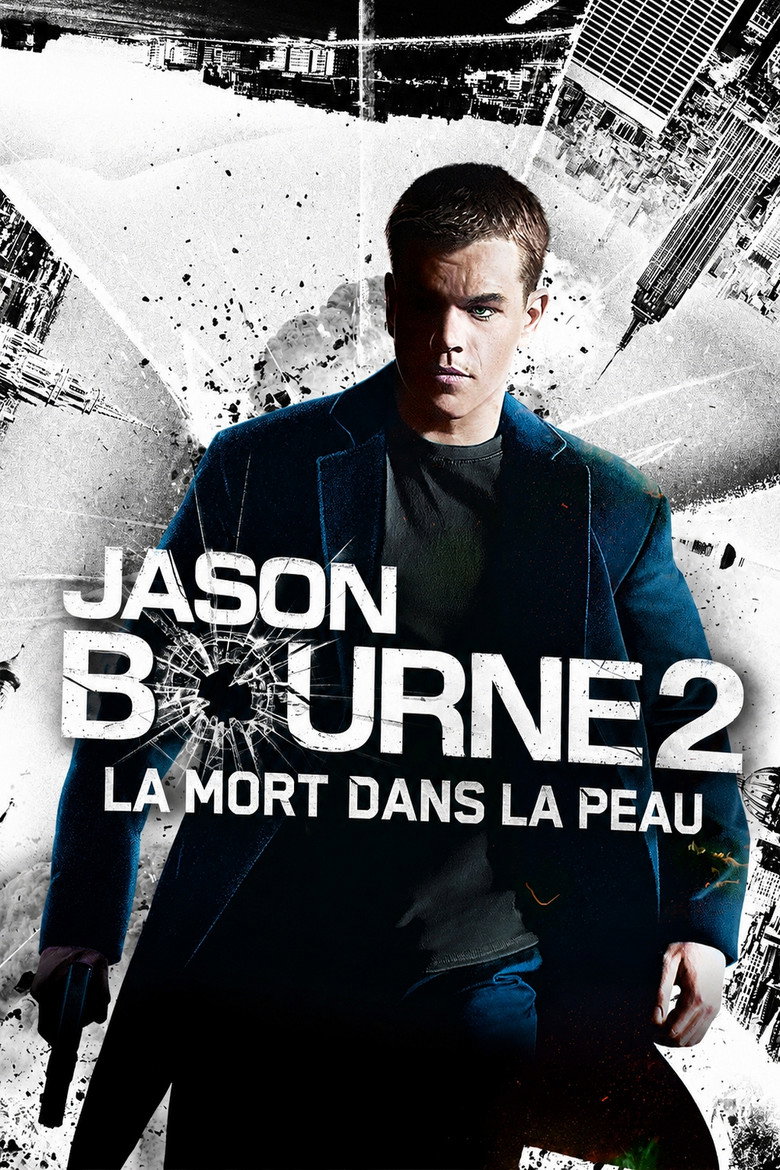
The Bourne Identity, released in 2002 and starring Matt Damon, revitalized the spy genre around an amnesiac protagonist attempting to understand his past.
Its sequels, notably The Bourne Supremacy and The Bourne Ultimatum, established a more nervous action style that influenced the genre.
Universal also developed successes in comedy, family cinema, music and fantasy.
2004 — The creation of NBCUniversal
In 2004, NBC, owned by General Electric, was combined with the principal entertainment operations of Vivendi Universal.
The new organization was named NBC Universal.
Universal Pictures therefore became part of a group combining film, television, channels and theme parks.
The studio nevertheless retained its own identity.
This organization formed the basis of the current NBCUniversal.
2010 — Despicable Me and Illumination
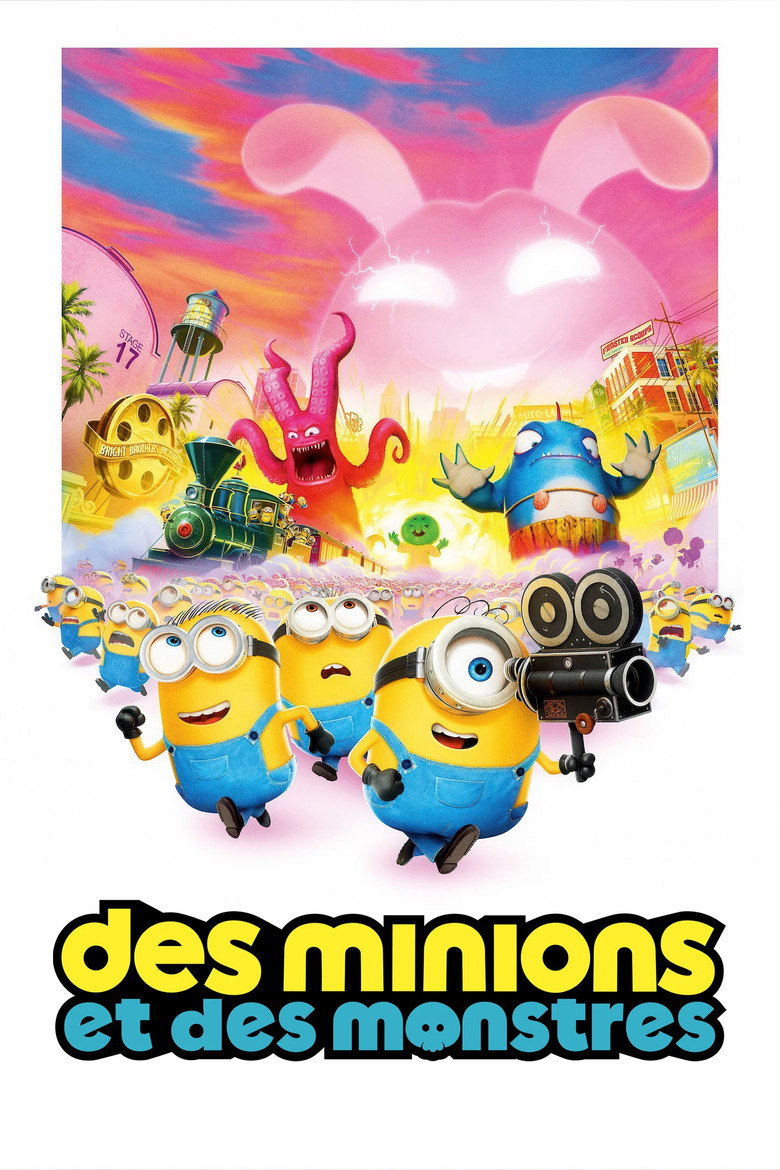
In 2010, Universal distributed Despicable Me, the first feature film from Illumination.
Founded by Chris Meledandri, Illumination developed a particularly close relationship with Universal for the production and distribution of its films.
The success of Despicable Me and later the Minions transformed the property into one of the largest modern animation franchises.
For PANACHES, Illumination should nevertheless remain a separate entity from Universal Pictures, even though Universal distributes its films and both companies operate within the same industrial ecosystem.
2011-2013 — Comcast takes control of NBCUniversal
In January 2011, Comcast and General Electric completed a transaction giving Comcast 51% of NBCUniversal, while GE retained 49%.
Comcast took operational control of the group.
In 2013, Comcast acquired General Electric’s remaining stake.
NBCUniversal then became a wholly owned subsidiary of Comcast.
Universal Pictures therefore entered a new period of industrial stability within one of the largest American media and technology groups.
The 2010s — A new period of growth
Universal achieved several major successes during the 2010s.
The Fast & Furious franchise reached a considerable international scale.
Jurassic World, released in 2015, revived Jurassic Park for a new generation and became an enormous worldwide success.
Universal also distributed Illumination productions such as Despicable Me, Minions, Sing and The Secret Life of Pets.
At the same time, the studio developed comedies, musicals, literary adaptations and genre productions.
Universal and Blumhouse
Universal also developed a long-term relationship with Blumhouse Productions.
The Purge, released in 2013, marked the beginning of a collaboration that later included productions such as Ouija, Split, Get Out, Happy Death Day, Halloween, The Invisible Man and M3GAN, depending on the partners involved.
The relationship reflects a historic Universal characteristic: the ability to make horror commercially significant without necessarily relying on enormous budgets.
Like Illumination, Blumhouse remains a separate entity and should not be merged with Universal Pictures in PANACHES.
2016 — DreamWorks Animation joins NBCUniversal
In 2016, NBCUniversal acquired DreamWorks Animation.
The group greatly expanded its animation operations through properties such as Shrek, Madagascar, Kung Fu Panda, How to Train Your Dragon and Trolls.
Universal became the distributor of DreamWorks Animation productions.
Again, the structure must be represented accurately: DreamWorks Animation belongs to the same group but retains its own name and studio identity.
The 2020s — Cinema, franchises and filmmakers
During the 2020s, Universal continued a strategy combining franchises with collaborations involving major filmmakers.
The studio continued developing Jurassic World, Fast & Furious and various productions connected to its partners.
It also supported films such as Nope by Jordan Peele and developed major musical and event productions.
Universal simultaneously maintained a strong theatrical presence while working with Peacock, NBCUniversal’s streaming platform.
2023 — Oppenheimer
In 2023, Universal distributed Christopher Nolan’s Oppenheimer.
The filmmaker joined Universal after a long collaboration with Warner Bros.
Centered on J. Robert Oppenheimer and the development of the atomic bomb during the Manhattan Project, the film combined biography, historical drama and large-format spectacle.
Its worldwide success was considerable.
Oppenheimer won seven Academy Awards, including Best Picture, Best Director for Christopher Nolan and Best Actor for Cillian Murphy.
The film became a symbol of Universal’s willingness to combine large-scale auteur filmmaking with event-style theatrical distribution.
Wicked and contemporary major productions
Universal also developed the film adaptation of Wicked, based on the successful Broadway musical.
The project illustrates another important aspect of the studio: its ability to transform properties from other media into major cinematic events.
At the same time, Universal continues working with partners such as Illumination, DreamWorks Animation, Blumhouse and various independent producers.
This structure allows the company to offer a particularly broad catalog without every film being directly produced by Universal Pictures.
2026 — A studio still at the forefront
In 2026, Universal Pictures remains one of the world’s leading film studios.
Universal Pictures is headed by Peter Cramer, while Donna Langley leads the broader NBCUniversal Entertainment organization.
The group continues to place strong emphasis on theatrical exhibition.
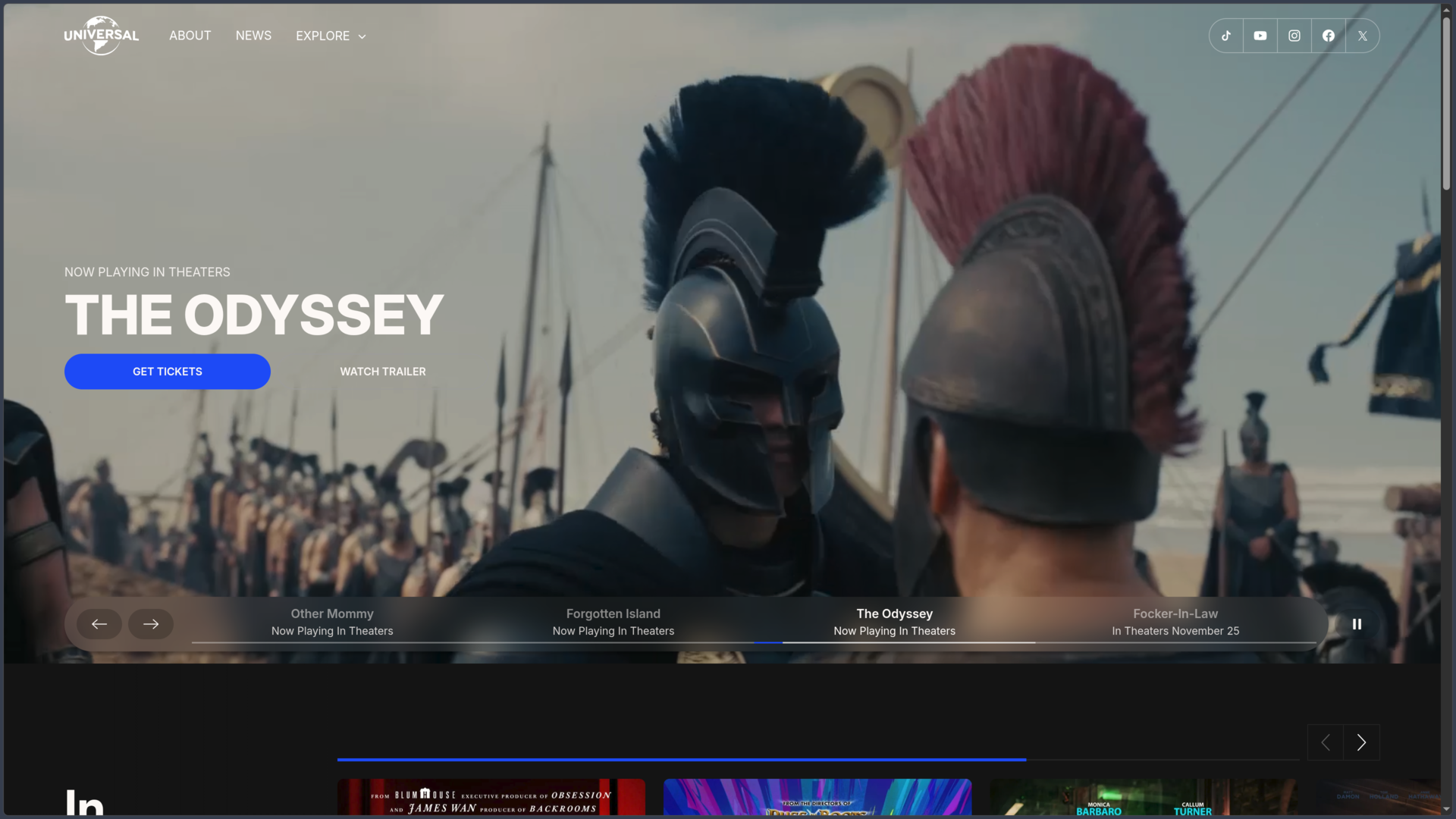
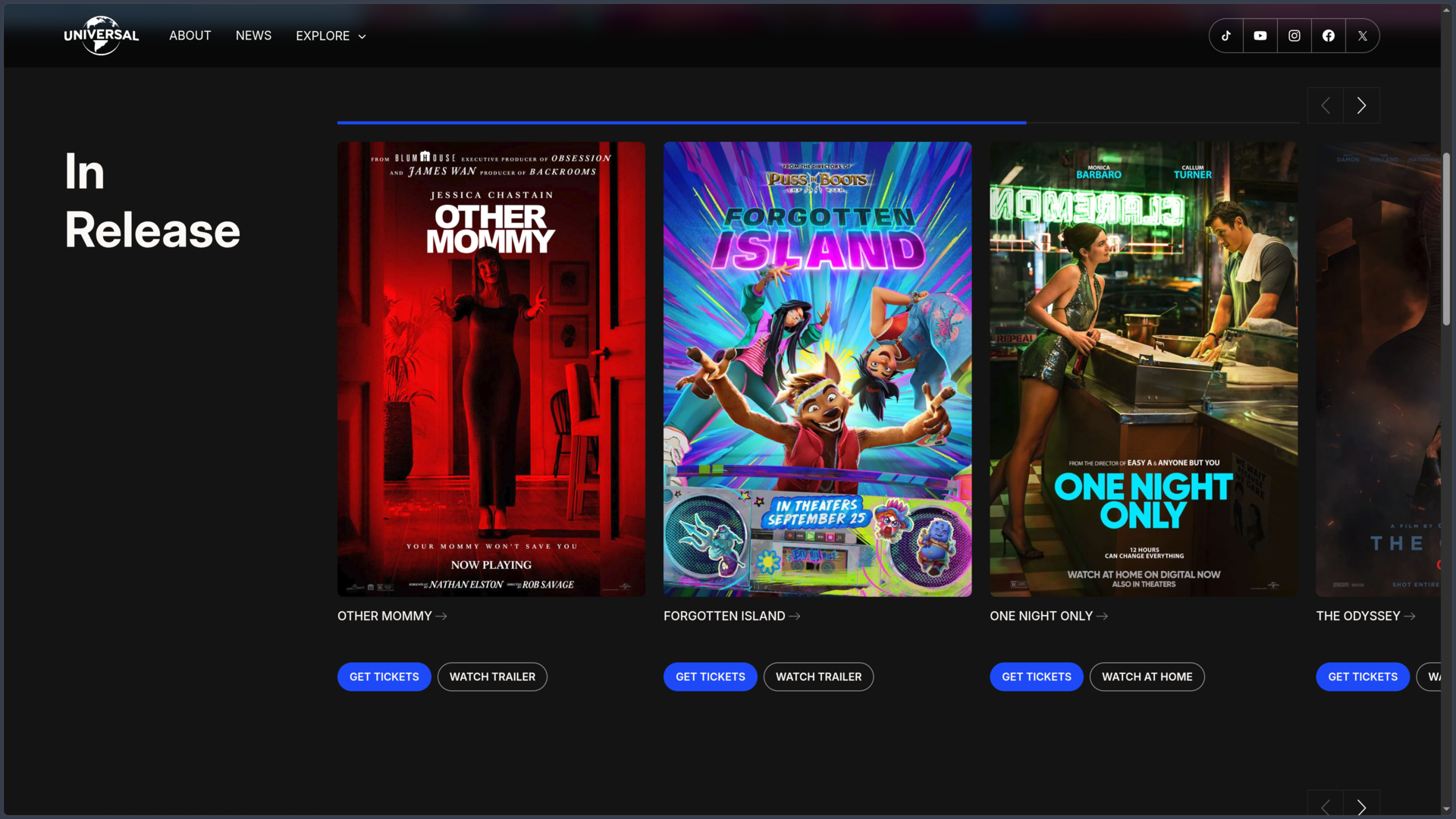
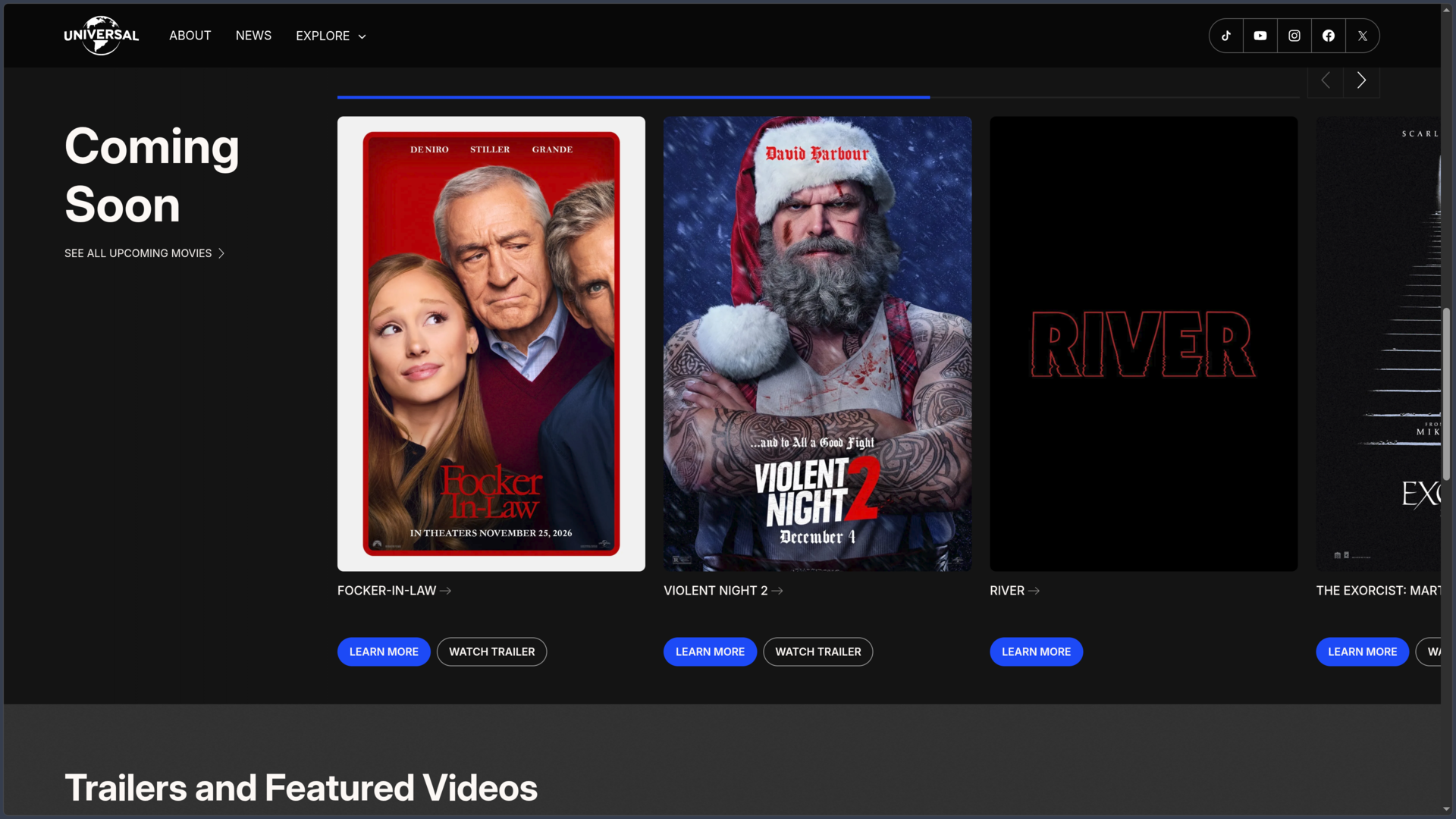
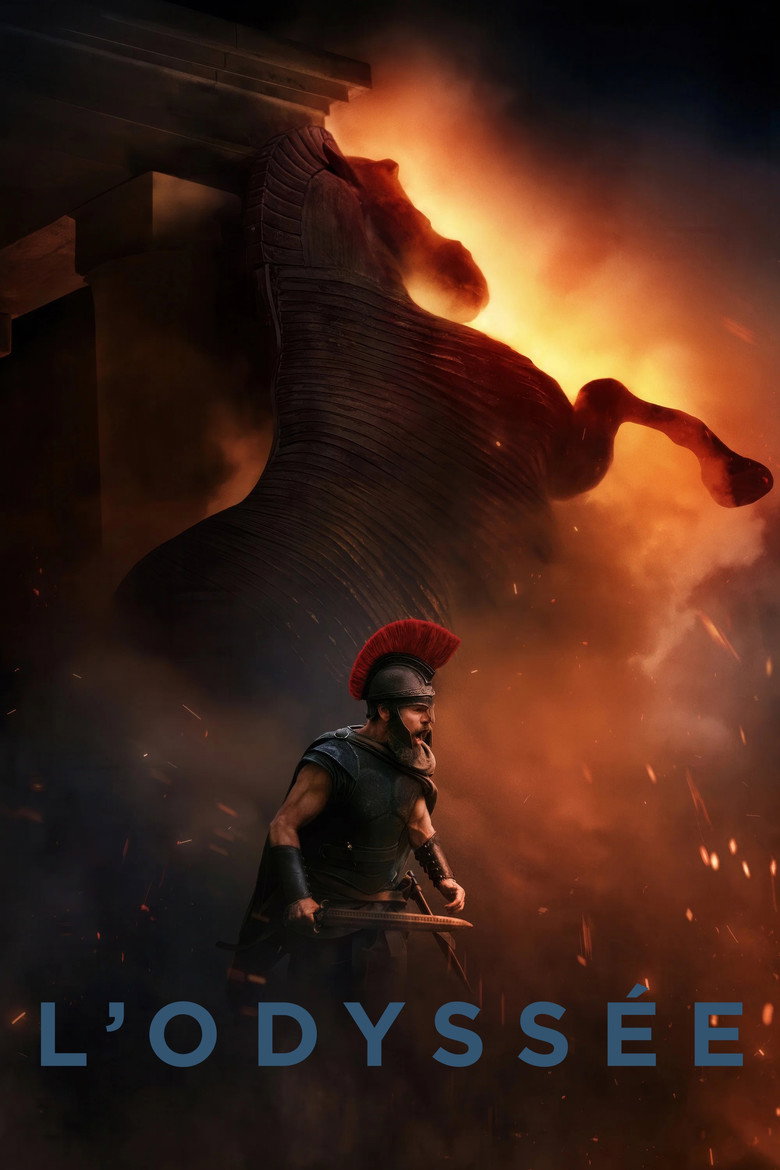
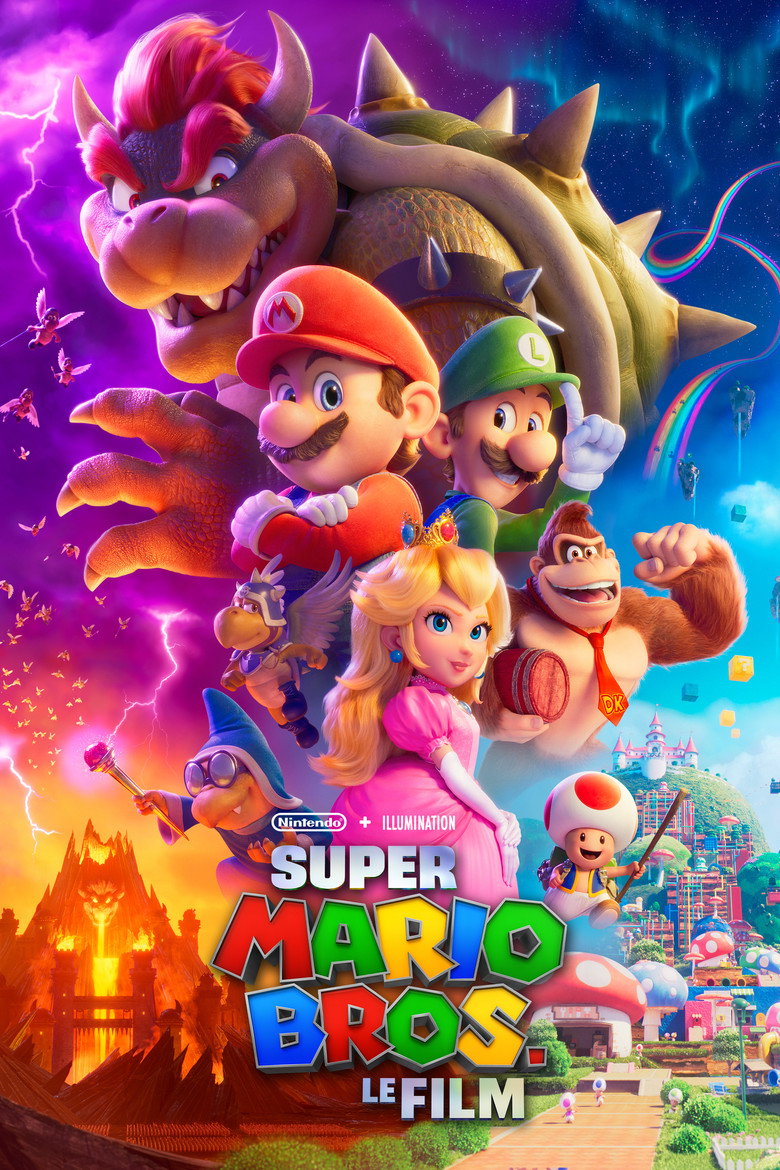
Its 2026 slate contributes to a particularly significant year for Universal, with productions including The Odyssey, The Super Mario Galaxy Movie, Michael and other films from across the group’s various labels.
In September 2026, the broader Universal Film portfolio surpassed $5 billion in worldwide box-office revenue for the year, the third time in its history it had reached that threshold.
This result covers NBCUniversal’s overall film portfolio and should therefore not be attributed solely to productions directly carrying the Universal Pictures label.
What sets it apart
More than a century of continuity
Universal was founded in 1912 and remains active more than a century later.
The studio has passed through silent cinema, the arrival of sound, Hollywood’s golden age, the decline of the classical studio system, the rise of television, blockbusters, digital effects, major franchises and streaming.
Few film companies can claim comparable continuity.
Despite numerous ownership changes, the Universal brand and its famous globe have survived.
The Universal Monsters
One of Universal’s most important contributions to popular culture remains its fantasy and horror legacy.
Dracula, Frankenstein, The Mummy, The Invisible Man, The Wolf Man, Bride of Frankenstein and Creature from the Black Lagoon created visual representations that became iconic.
This history gives the studio a relationship with horror cinema that is much older than that of most contemporary major players.
Universal continues regularly revisiting this heritage.
An exceptional relationship with Steven Spielberg
The collaboration between Steven Spielberg and Universal spans more than fifty years.
It includes notably Duel, The Sugarland Express, Jaws, E.T. the Extra-Terrestrial, Jurassic Park and Schindler’s List, along with many projects on which Spielberg participated as a producer.
The relationship contributed directly to several major transformations in modern popular cinema.
It remains one of the longest-running collaborations between a filmmaker and a major Hollywood studio.
From genre film to global blockbuster
Universal has historically demonstrated an ability to turn relatively simple concepts into global phenomena.
Jaws begins with a thriller about a shark.
Back to the Future combines time travel with family comedy.
Jurassic Park transforms a scientific novel into global spectacle.
Fast & Furious evolves from street racing into an international action franchise.
This ability to let properties evolve according to their success is one of the studio’s recurring strengths.
An ecosystem of distinct labels
Universal Pictures now operates within a broader organization containing several studios with strong identities.
Focus Features notably focuses on auteur and specialty cinema.
DreamWorks Animation has its own history and animation franchises.
Illumination develops properties such as Despicable Me, Minions and Sing.
Universal also works closely with external companies such as Blumhouse.
For PANACHES, these structures should remain separate entities, even when Universal distributes their films.
Cinema and theme parks
Universal has a particularly strong relationship between its audiovisual catalog and physical entertainment experiences.
The Studio Tour, and later the various Universal parks, transformed Jaws, Jurassic Park, Fast & Furious, Despicable Me and many other properties into attractions.
This continuity between film production and physical entertainment goes back to the first visits organized by Carl Laemmle at Universal City.
It is now one of the major strengths of the NBCUniversal ecosystem.
A major studio still committed to theaters
As the industry has increasingly shifted toward streaming, Universal continues to pursue a strategy in which theatrical release retains a central place.
This approach does not prevent films from later being exploited on digital platforms and Peacock.
It nevertheless preserves cinema as an important first stage for the studio’s major event productions.
This strategy remains clearly supported by its leadership in 2026.
Good to know
- Universal Pictures was founded in 1912 by Carl Laemmle as the Universal Film Manufacturing Company.
- The company was created partly through the merger of the Independent Moving Pictures Company with several other businesses.
- Production began at Universal City in 1914.
- Universal City officially opened in 1915 and already welcomed visitors interested in seeing how films were made.
- Melody of Love, released in 1928, was Universal’s first all-talking feature film.
- All Quiet on the Western Front won the Academy Award for Best Picture in 1930.
- Dracula and Frankenstein launched the studio’s major horror era in 1931.
- The Universal Monsters legacy notably includes Dracula, Frankenstein, the Mummy, the Invisible Man, the Wolf Man and the Creature from the Black Lagoon.
- The Laemmle family lost control of Universal in 1936.
- Universal merged with International Pictures in 1946 and developed films under the Universal-International name.
- Decca Records took control in 1952.
- MCA acquired Decca and Universal in 1962.
- The modern Universal Studio Tour began in 1964.
- Jaws, directed by Steven Spielberg and released in 1975, helped define the modern summer blockbuster model.
- The Deer Hunter won the Academy Award for Best Picture.
- E.T. the Extra-Terrestrial became a worldwide phenomenon in 1982.
- Back to the Future launched a major trilogy in 1985.
- Matsushita acquired MCA in 1990.
- Jurassic Park was released in 1993 and became one of the studio’s principal franchises.
- Schindler’s List, also released in 1993, won seven Academy Awards including Best Picture.
- Seagram acquired 80% of MCA in 1995, after which the company’s activities were increasingly centered around the Universal brand.
- The Mummy revived one of the studio’s historic properties as an adventure film in 1999.
- Vivendi acquired Seagram in 2000, creating Vivendi Universal.
- Fast & Furious launched in 2001 and became one of the studio’s largest franchises.
- The Bourne Identity launched a new spy franchise in 2002.
- NBC and Universal merged in 2004 to form NBC Universal.
- Despicable Me, Illumination’s first feature film, was distributed by Universal in 2010.
- Comcast acquired 51% of NBCUniversal in 2011, then purchased General Electric’s remaining 49% in 2013.
- DreamWorks Animation joined NBCUniversal in 2016.
- Focus Features, DreamWorks Animation and Illumination should remain separate entities from Universal Pictures in PANACHES.
- The partnership between Universal and Blumhouse became especially significant beginning with The Purge in 2013.
- Oppenheimer, distributed by Universal in 2023, won seven Academy Awards including Best Picture.
- In 2026, Peter Cramer serves as President of Universal Pictures.
- Universal Pictures belongs to NBCUniversal, itself a subsidiary of Comcast Corporation.
- In September 2026, the broader Universal Film portfolio surpassed $5 billion at the worldwide box office for the year, confirming the group’s major position in theatrical cinema.