Presentation
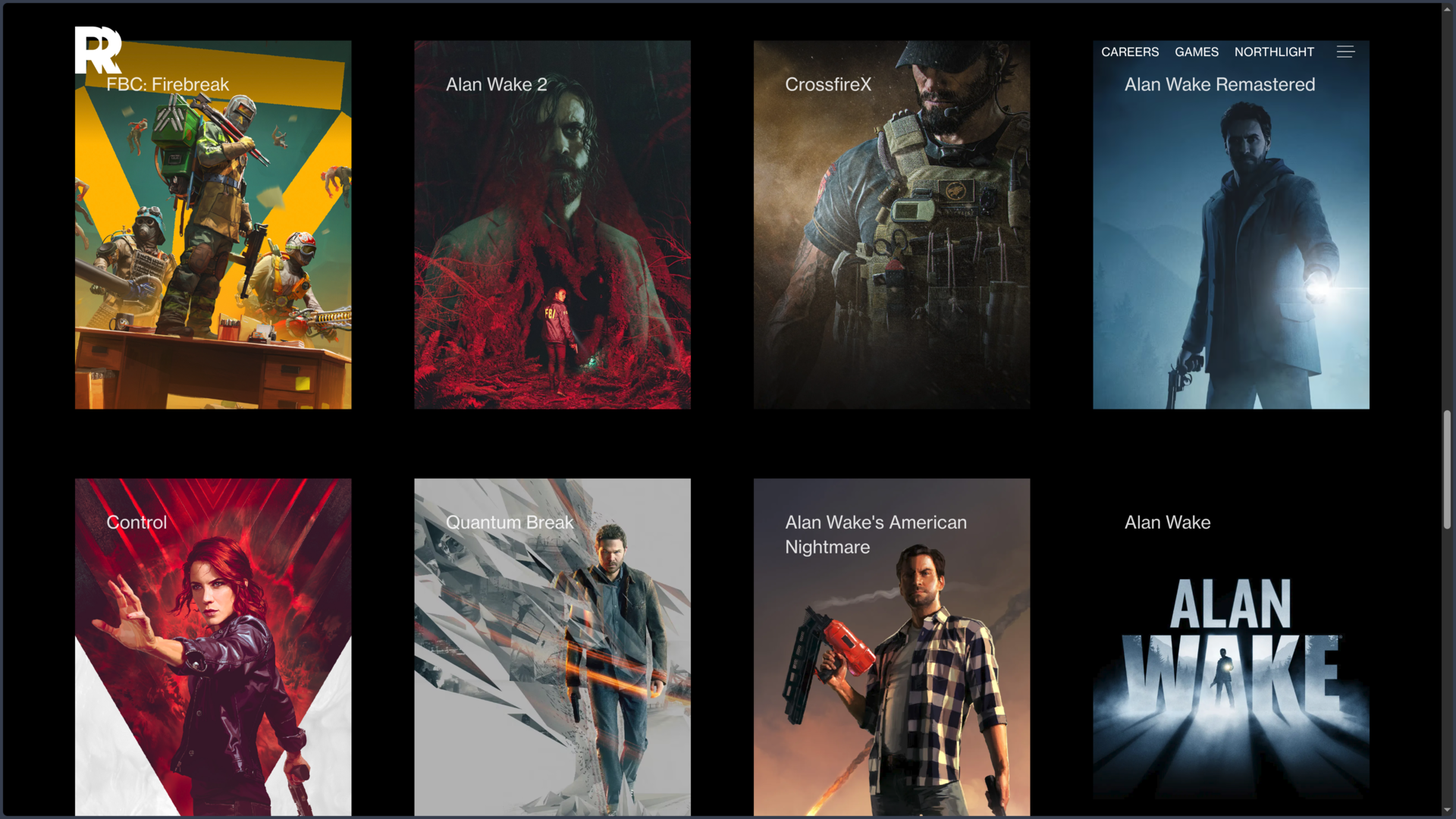
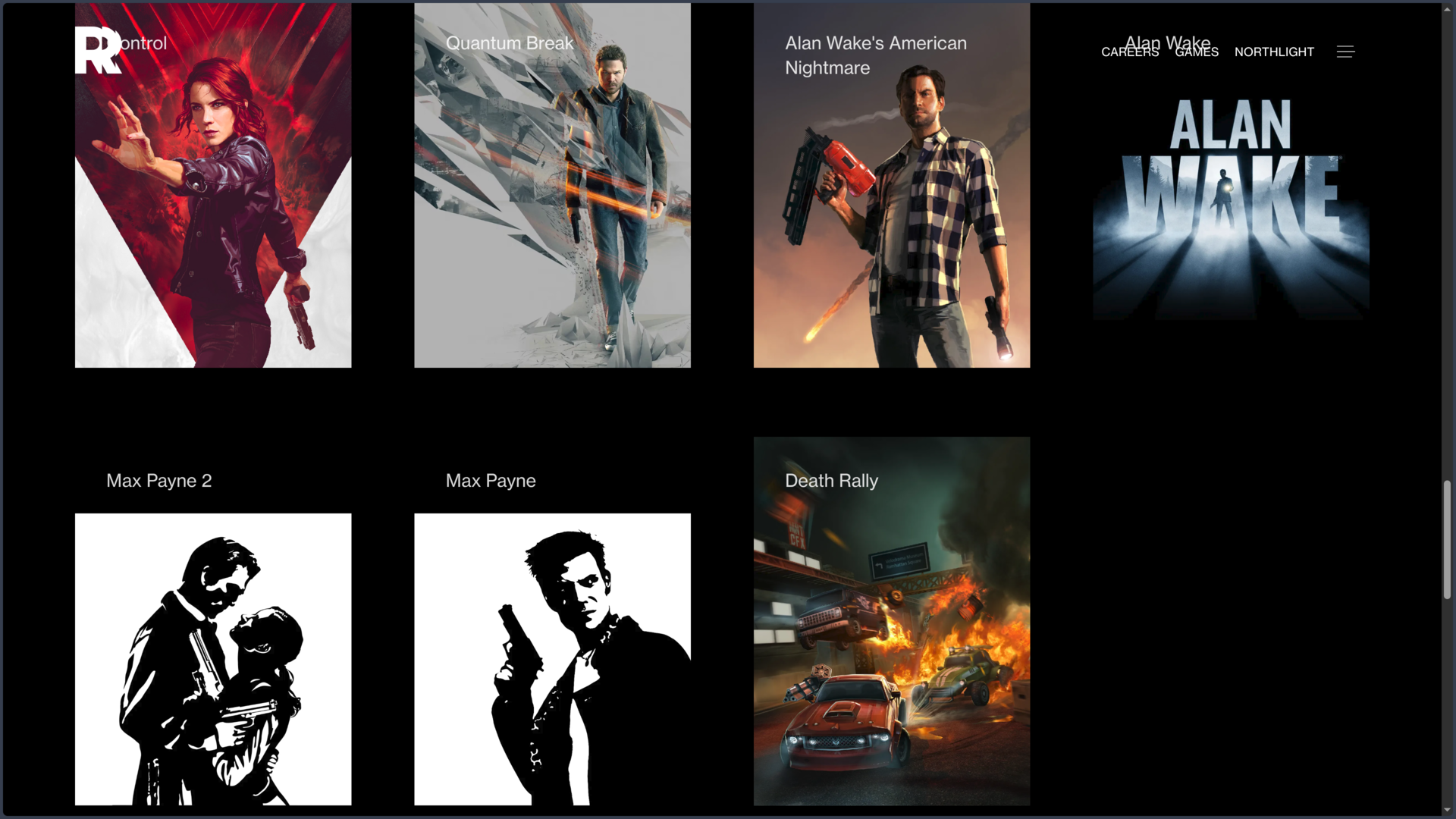
Founded in 1995 in Finland, Remedy Entertainment has established itself through a relatively limited number of games considering its three decades of existence. From Death Rally to Max Payne, then from Alan Wake to Quantum Break, Control and Alan Wake 2, the studio has developed an identity in which action games regularly become a space for narrative, visual and technological experimentation. Its headquarters are located in Espoo, and the company also operates a studio in Stockholm, opened in 2022.
The continuity between these productions does not rely on a single gameplay formula. Remedy changes protagonists, properties and sometimes partners, but repeatedly returns to certain principles: characters strongly embedded in the narrative, staging influenced by cinema and television without abandoning interactivity, a taste for fragmented storytelling and shifts in perspective, and the frequent use of media integrated directly into the game world. This creative culture has been supported since the studio's earliest productions by Sami Järvi, better known as Sam Lake, now creative director and involved in the creation of Remedy's major properties.
This identity is accompanied by a long-standing technological culture. Remedy states that it has always used its own development technologies. Its current infrastructure, Northlight, combines an engine, tools and pipelines designed around the needs of its teams. It has notably powered Quantum Break, Control and Alan Wake 2 and continues to evolve alongside the studio's current productions.
Understanding Remedy, however, requires looking beyond its style. An important transformation began in 2017, when the studio started moving from a model centered on one major project at a time toward an organization capable of developing several games in parallel. The gradual recovery of the publishing rights to Alan Wake, followed by the complete rights associated with Control, strengthened this evolution. Remedy now owns its two main franchises, Alan Wake and Control, connects them through the Remedy Connected Universe, and intends to publish future games based on intellectual properties it owns itself.
History
From independent beginnings to Max Payne
Remedy Entertainment was founded in 1995 in Espoo. The studio emerged from a Finnish environment strongly influenced by computer culture and the demoscene, from which several of its founders came. Its first commercial game, Death Rally, was released as early as 1996. This combat racing game is far removed from the narrative productions for which Remedy would later become known, but it allowed the young team to move quickly from computer experimentation into professional game development.
The studio changed scale with Max Payne, released in 2001. Remedy combined third-person shooting, slow-motion action, film noir atmosphere and storytelling presented partly through comic-book-inspired sequences. The project established several habits that would remain visible in later productions: building a strong narrative identity around an action game, using technical constraints as a source of staging ideas, and mixing references from cinema, television, literature and popular culture. Max Payne 2: The Fall of Max Payne continued this period in 2003.
The franchise did not, however, remain under Remedy's control. The rights to Max Payne passed to Take-Two, and the series later became a property associated with Rockstar Games. This separation pushed the studio to create new universes rather than define itself permanently through its first major success. The relationship did not disappear entirely: several decades later, Remedy returned to the first two games through the remake currently being developed with Rockstar. In the studio's present strategy, Max Payne is therefore treated as a partner franchise, distinct from the properties Remedy owns directly.
Alan Wake and the search for new narrative forms
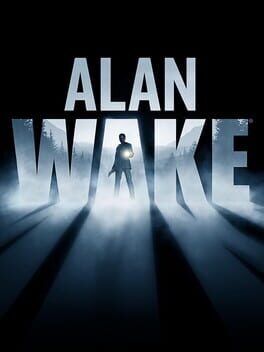
After Max Payne, Remedy invested several years in a new property. Alan Wake was finally released in 2010 with Microsoft as its partner. The studio retained its interest in action and cinematic storytelling but this time built its identity around a writer confronted with fiction seemingly capable of transforming reality. The project deepened a way of storytelling in which manuscripts, television programs, music and internal references contribute to understanding the universe without being separated from the game itself.
This period also revealed the limitations of Remedy's production model. Major projects required several years of development and depended heavily on partners able to finance and publish them. After Alan Wake and Alan Wake's American Nightmare, the studio continued its collaboration with Microsoft on Quantum Break, released in 2016. The project pushed its interest in mixed media further by combining an action game with live-action television sequences influenced by certain player choices. It also marked an important stage for Northlight, which became the technological foundation of Remedy's following major productions.
The succession of Alan Wake and Quantum Break therefore confirmed a creative identity while also exposing an organizational vulnerability: working for several years around a single production made the studio highly dependent on the outcome of each project. After Quantum Break, Remedy began to change its operating model more fundamentally. This transformation would matter more to its future than the transition from one particular franchise to another.
Moving to a multi-project model
Beginning in 2017, Remedy implemented a growth strategy based on several teams and several projects being developed in parallel. Its listing on the Nasdaq First North market in May of that year accompanied this transformation by giving the studio additional resources to expand its teams, technologies and production portfolio. Remedy later moved to the main Nasdaq Helsinki list in 2022.
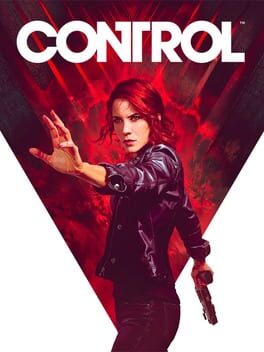
The first major result of this new period was Control, released in 2019 with 505 Games. From the beginning, the project belonged to Remedy, unlike some of the properties the studio had worked on previously. Its significance therefore goes beyond the success of one particular game: it demonstrated that an ambitious production built around the studio's creative and technological characteristics could also form the basis of a franchise whose ownership remained with Remedy.
That same year, the publishing rights to the Alan Wake games returned to Remedy. The studio thus found itself in a new position: two important universes from its history could now be developed with greater control. The narrative connection gradually established between Alan Wake and Control gave rise to the Remedy Connected Universe, allowing the studio's properties to interact without turning them into a single series.
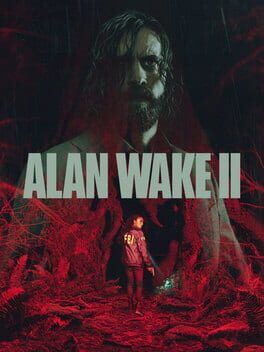
This evolution found a particularly clear expression in Alan Wake 2, released in 2023 in partnership with Epic Games Publishing. Thirteen years after the first installment, Remedy was able to return to a property that had long remained without a major sequel and develop it in a context where its organization, technology and experience had changed considerably. The project extended the studio's experiments with staging by combining gameplay, live action, music and shifts in narrative perspective even more extensively.
From ownership of its properties to self-publishing
In 2024, Remedy took another important step by acquiring from 505 Games all publishing, distribution and marketing rights associated with the Control franchise. The transaction covered the original game, the projects that would become FBC: Firebreak and CONTROL Resonant, as well as future products in the franchise. Remedy therefore came to own both the Alan Wake and Control properties while gaining much greater freedom to determine how they would be developed and published.
This autonomy nevertheless required skills the studio had historically not needed to handle entirely on its own. FBC: Firebreak, released in June 2025, became its first self-published game and also its first production centered on a multiplayer experience. Its importance in Remedy's history lies mainly in this learning role: the studio was no longer responsible solely for creating the game but directly assumed a much broader part of its relationship with the market and its players.
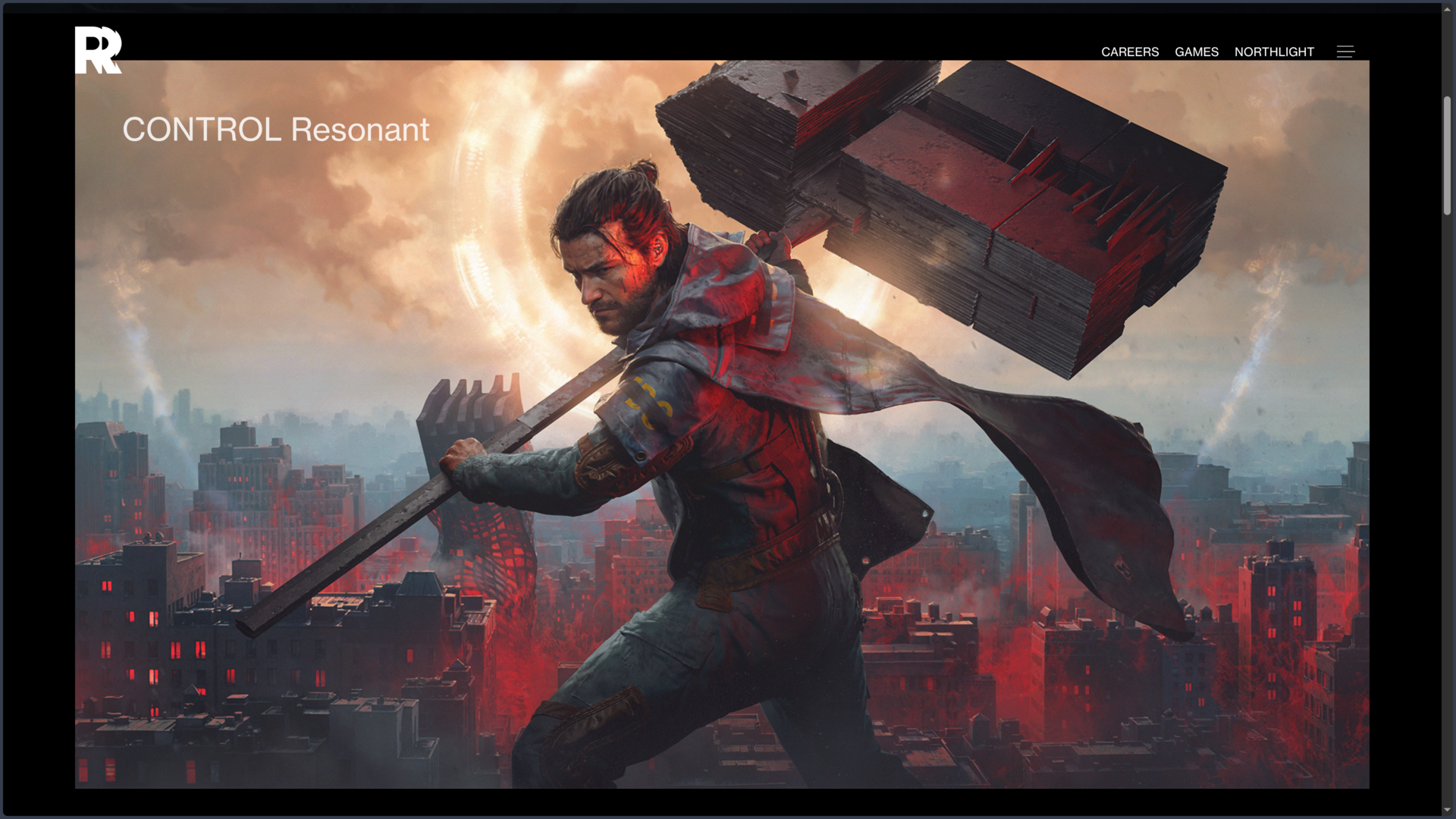
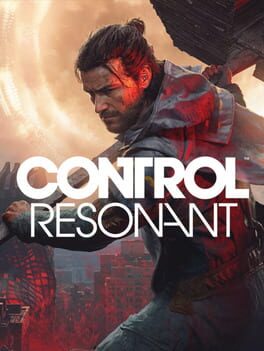
This strategy continues with CONTROL Resonant, the sequel to Control, developed and published by Remedy. Its worldwide release is scheduled for September 24, 2026. At the same time, the Max Payne 1 & 2 remake remains in development for Rockstar Games and is in full production. These two projects illustrate the two models Remedy now intends to maintain side by side: developing and publishing its own franchises when it owns the rights, while retaining the ability to work with a partner on a property particularly compatible with its history and expertise.
This evolution does not turn Remedy into a general-purpose publishing group. Its activity remains organized around its own productions and a limited number of partnerships. In August 2026, the studio presents Alan Wake and Control as its two established owned franchises, with Max Payne as a partner franchise. This structure summarizes the path taken since the years when every major game depended on an external publisher: Remedy now seeks to preserve the identity of an auteur-driven studio while gaining greater control over the industrial conditions required to sustain it.
What sets it apart
Storytelling through multiple languages
Remedy has long been interested in how video games can borrow from other forms without simply reproducing them. The illustrated panels of Max Payne, the television programs and manuscripts of Alan Wake, the television sequences of Quantum Break, and the more extensive use of live-action footage in Alan Wake 2 all belong to the same exploration: allowing the narrative to move between different media while keeping the player at the center of the experience.
This method also allows the studio to create multiple levels of interpretation. A main storyline can remain relatively accessible while documents, videos, songs or elements present in the environments deepen the understanding of the world. Narrative is therefore not carried solely by dialogue and cinematic sequences; it can also exist through objects, fictional media or forms of representation that belong directly to the universe itself.
This continuity is reinforced by Sam Lake's long-standing presence in the studio's creative direction. Involved since Remedy's first published game, he has participated in the creation of Max Payne, Alan Wake, Quantum Break and Control. His role does not summarize the collective work of several hundred people, but it represents one of the threads that helps explain why certain narrative concerns persist despite changes in technologies, partners and properties.
Making action part of the world's identity
Remedy's games regularly use third-person action, but the systems built around that foundation change according to the fiction. The slow motion of Max Payne, the time manipulation of Quantum Break or the paranormal powers of Control are not simply variations added to the same formula: through controls and movement, they express a fundamental characteristic of the universe concerned.
This relationship between fiction and interaction partly explains why Remedy's productions remain recognizable without sharing exactly the same mechanics. The studio maintains a strong understanding of rhythm, movement and action staging while rebuilding around each property the particular rules it requires. Alan Wake can therefore give greater importance to vulnerability and light, while Control favors much more aggressive mobility and physical manipulation of the environment.
The consistency lies less in a precise mechanic preserved from one project to the next than in the way player behavior is made to correspond with the tone of the narrative.
Autonomous universes able to communicate
With Alan Wake and Control, Remedy gradually formalized another characteristic of its work: the ability to connect works that nevertheless retain their own characters, genres and storylines. The Remedy Connected Universe gives an explicit structure to this continuity and allows certain events, organizations or phenomena to circulate between the two franchises. Remedy now presents this connection as part of its strategy for developing its properties over the long term.
The value of this construction comes from the fact that the series do not become interchangeable. Alan Wake retains its relationship with psychological horror and artistic creation, while Control develops bureaucratic strangeness, paranormal phenomena and action more extensively. Their connection adds further depth without requiring each production to exist solely to prepare the next.
This logic fits naturally with a studio culture that has long used internal references, nested narratives and fictional works. The Connected Universe simply gives a larger scale to a habit already present throughout Remedy's games.
Northlight as a tool built alongside the games
Proprietary technology represents another important continuity. Remedy states that it has used its own technologies since its beginnings and explains that Northlight has developed alongside its teams, working methods and creative needs. The current engine is not limited to graphical rendering: it also includes tools and pipelines that allow different disciplines to produce and modify game content.
This relationship matters because Remedy does not present internal engine development as an objective in itself. Technology and creative teams work together to adapt the tools to individual productions. Quantum Break, Control and Alan Wake 2 required different solutions for characters, environments, lighting or the integration of audiovisual content, and Northlight evolves according to those constraints.
The engine therefore becomes a form of technical memory for the studio. Projects may change universes, but part of the tools, pipelines and accumulated expertise can circulate between them. In an organization now capable of producing several games in parallel, this shared infrastructure plays a role directly connected to Remedy's creative continuity.
Good to know
- Remedy Entertainment was founded in 1995 in Finland, and its headquarters are currently located in Espoo.
- Its first commercial game was Death Rally, released in 1996.
- Max Payne was released in 2001 and its Remedy-developed sequel in 2003; the franchise is now treated by the studio as a partner property belonging to Rockstar Games.
- Remedy opened a second studio in Stockholm in 2022, complementing its Finnish operation.
- Northlight is Remedy's current proprietary engine and toolset; it has notably powered Quantum Break, Control and Alan Wake 2.
- The studio has been publicly listed since 2017, initially on Nasdaq First North before moving to the main Nasdaq Helsinki list in 2022.
- FBC: Firebreak, released in 2025, was Remedy's first directly self-published game.
- Remedy currently owns the Alan Wake and Control franchises, which it connects through the Remedy Connected Universe.
- CONTROL Resonant is scheduled for release on September 24, 2026 and is being developed and published by Remedy Entertainment.
- As of August 2026, the Max Payne 1 & 2 remake being developed with Rockstar Games remains in full production.