




Overview
Philips was a Dutch record label established in 1950 by Philips Phonografische Industrie, a subsidiary of the Philips electronics company. Developed during a period of change in recording formats, it contributed to the growth of long-playing records in Europe and gradually built an international catalogue spanning chanson, jazz, popular music and classical recordings.
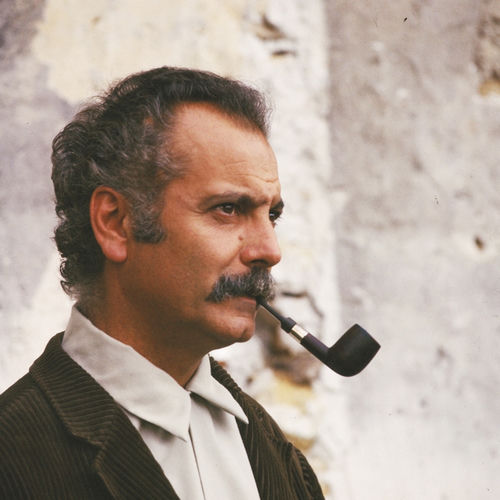
In France, Philips played an important role in the history of French-language songwriting. The label worked with Jacques Brel, Georges Brassens and numerous performers who shaped the 1950s and 1960s. Releases including Jacques Brel et ses chansons (1954), Quand on n'a que l'amour (1956) and the numbered collections of Brassens recordings reflect this period.
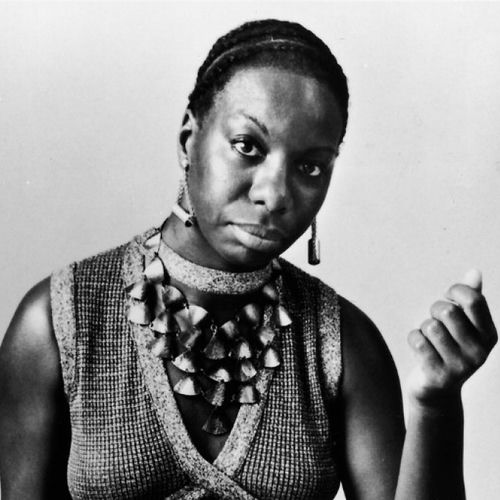
The catalogue also extended into jazz and soul through Nina Simone, notably I Put a Spell on You (1965), as well as collaborations such as Waltz for Debby (1964), featuring Monica Zetterlund and Bill Evans.
In classical music, Philips developed orchestral and operatic recordings, including Berlioz's Les Troyens, conducted by Colin Davis and released in 1970. Following its integration into PolyGram and subsequently Universal Music Group, much of its historical catalogue was reissued under other brands, particularly Decca.
History
1950-1961 — Establishing the label and French-language chanson
In 1950, Philips consolidated its recording and record production operations within Philips Phonografische Industrie in the Netherlands. This organisation built upon earlier investments in records, including the acquisition of Hollandsche Decca Distributie in 1942.
Philips developed the manufacture and sale of long-playing records while establishing recording operations across several European countries.
In France, the label worked with Jacques Brel from his earliest releases. The Belgian singer recorded Jacques Brel et ses chansons (1954), followed by Quand on n'a que l'amour (1956) and La Valse à mille temps (1959).
Georges Brassens became another major artist in the French catalogue. His earliest songs initially appeared on the Polydor label before being issued and reissued under Philips. This history explains the appearance of different label names in his early discography.
1962-1971 — Jazz, soul and classical music
In 1962, Philips Phonografische Industrie joined forces with Deutsche Grammophon Gesellschaft, which also owned Polydor, to form Grammophon-Philips Group. This partnership strengthened the international development of their recording operations.
The Philips label became notable for the diversity of its releases. Nina Simone recorded several albums for the company between 1964 and 1967, including I Put a Spell on You and Let It All Out (1965). Her music combined jazz, blues, soul and interpretations of popular songs.
In jazz, Philips also released Waltz for Debby (1964), a collaboration between Swedish singer Monica Zetterlund and American pianist Bill Evans.
Classical music was equally important. Partnerships with major orchestras and conductors produced recordings including Colin Davis's complete account of Berlioz's Les Troyens, released in 1970.
1972-1998 — PolyGram and catalogue expansion
In 1972, Grammophon-Philips Group adopted the PolyGram name. Philips became one of this international company's recording brands, alongside Polydor and Deutsche Grammophon.
The label maintained a significant presence in French-language chanson. Georges Brassens continued releasing recordings including Fernande (1972) and Don Juan (1976). Following his death in 1981, the catalogue continued to grow through compilations, archival recordings and reissues.
In classical music, Philips recordings were gradually brought together under the Philips Classics brand. It worked with prominent performers, orchestras and conductors while also making earlier recordings available on compact disc.
PolyGram's international development enabled Philips recordings to circulate across different markets, sometimes with different packaging or catalogue numbers.
Since 1998 — Universal integration and catalogue preservation
In 1998, Seagram acquired PolyGram, whose recorded music operations were integrated into Universal Music Group. The transaction led to a restructuring of the group's historical recording brands.
From 1999 onward, Philips's classical operations became part of the Decca Music Group organisation. The Philips Classics name continued appearing on certain reissues before its commercial use ended towards the close of the 2000s.
The historical recordings nevertheless remained part of Universal Music Group's catalogue. They continued to be reissued through Decca and other brands inherited from PolyGram.
The Philips name therefore remains associated with an extensive recorded music heritage, even though new recordings are no longer generally developed under the imprint as they were during the second half of the twentieth century.
Distinctive Features
An important contribution to French-language chanson
Philips accompanied the early recording careers of Jacques Brel and Georges Brassens. Its releases document the development of singer-songwriters, studio recording and the long-playing album in France.
A catalogue spanning several musical genres
The label brought together chanson, jazz, soul and classical music. Recordings by Nina Simone, Monica Zetterlund and Bill Evans, and Colin Davis illustrate this diversity.
A role in the European recording industry
Philips emerged directly from an industrial company specialising in audio technology. Its activities contributed to the growth of long-playing records and the recording network that eventually became PolyGram.
A catalogue preserved under other labels
Philips should be distinguished from Philips Classics, PolyGram and the Philips electronics company. Following successive restructurings, its historical recordings have primarily been preserved and marketed through Universal Music Group's labels.
Key Facts
- Founded: 1950, in the Netherlands.
- Original organisation: Philips Phonografische Industrie.
- French-language chanson: Jacques Brel and Georges Brassens.
- Early Brassens releases: some originally appeared on Polydor.
- Jazz and soul: Nina Simone, Monica Zetterlund and Bill Evans.
- Classical music: notably Les Troyens (1970), conducted by Colin Davis.
- Corporate partnership: Grammophon-Philips Group established in 1962.
- PolyGram: name adopted in 1972.
- Classical recordings: development of the Philips Classics brand.
- Universal Music Group: integration following the acquisition of PolyGram in 1998.
- Brand transition: Philips Classics catalogue brought into Decca's operations in 1999.
- Current status: historical catalogue remains available, predominantly through other labels.