Hector Berlioz (1803–1869) was a French composer, conductor and music critic, and a leading figure of Romantic music. His compositions are distinguished by orchestral imagination, dramatic intensity and the exploration of relationships between music, literature and human emotions. He transformed symphonic writing through innovative narrative structures and bold instrumental combinations. His Symphonie fantastique, Harold in Italy, Romeo and Juliet, The Damnation of Faust and opera Les Troyens remain among his most significant achievements.
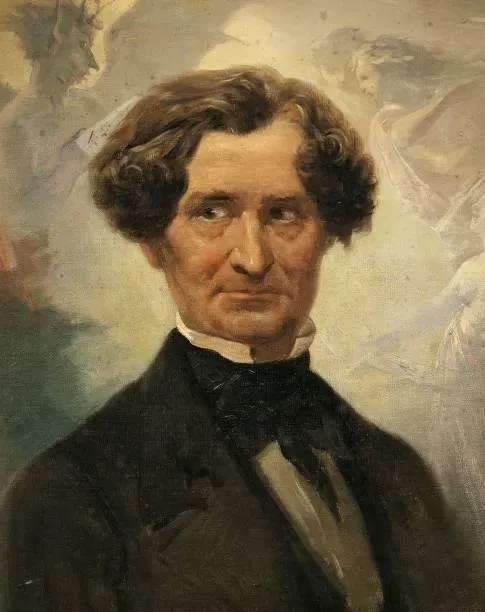
Hector Berlioz
When the orchestra becomes a stage for passion and imagination.
Details
- Type
- Music
- Countries
- 🇫🇷 France
- Genres
- Classical, Romantic music
- Albums
- 3
Synopsis
Hector Berlioz
Glossary terms: Alto (voice), Composer, Composition, Critique, Fantastic, Fantastic / fantasy, Literature, Movement, Opera, Orchestration, Program, Recurrent theme, Subtitle, Timbre, Writer
Trailer
Watch the trailer
Overview
Presentation
Hector Berlioz (1803–1869) was a French composer, conductor and music critic, recognized as one of the major figures of European Romanticism. Born in La Côte-Saint-André, in southeastern France, he began studying medicine in Paris before devoting himself to music. He entered the Paris Conservatoire in 1826 and won the Prix de Rome in 1830, the same year his celebrated Symphonie fantastique premiered.
Deeply influenced by Beethoven, Shakespeare and Goethe, Berlioz developed a dramatic approach to composition. His works encompass symphonic music, vocal compositions, sacred music and opera. Also active as a conductor and writer, he undertook extensive European tours and helped transform the art of orchestration.
Key Points
Berlioz revolutionized orchestral writing through his expressive use of instrumental colors, dynamic contrasts and innovative combinations of instruments. His five-movement Symphonie fantastique became a landmark of program music. It notably employs an idée fixe, a recurring theme associated with a character that evolves throughout the composition.
His major works include Harold in Italy, a symphony featuring solo viola, Romeo and Juliet, a dramatic symphony inspired by Shakespeare, and the Grande Messe des morts, notable for its enormous performing forces. The Damnation of Faust explores the relationship between literature and music, while his monumental opera Les Troyens draws inspiration from Virgil's Aeneid.
Conclusion
Hector Berlioz profoundly transformed Romantic music by expanding the narrative and expressive possibilities of the orchestra. His innovations in orchestration, program music and large-scale symphonic structures influenced numerous composers throughout the nineteenth and twentieth centuries.
Did You Know?
- Birth: December 11, 1803, in La Côte-Saint-André; died March 8, 1869, in Paris.
- Landmark composition: Symphonie fantastique premiered in Paris in 1830.
- Orchestration: his Grand Treatise on Instrumentation and Modern Orchestration became an influential reference for composers.
- Dramatic music: The Damnation of Faust, premiered in 1846, carries the subtitle "dramatic legend".
- Other activities: Berlioz also pursued careers as a music critic, writer and conductor, notably through extensive European tours.
Link graph
Open in the full graphLoading the graph…
Only the strongest links are shown.
View the list ({count})
Discography
Discography (3)


Album
1988
Berlioz: Les nuits d'été / Ravel: Shéhérazade / Debussy / Poulenc
- Classical
- Romantic music
