
Présentation
Aujourd’hui, le nom FromSoftware évoque presque immédiatement Dark Souls, Bloodborne, Sekiro ou Elden Ring. Pourtant, l’histoire du studio commence bien avant les Souls — et même avant le jeu vidéo.
Fondée le 1er novembre 1986 à Tokyo, l’entreprise développe d’abord des logiciels professionnels. Elle entre dans le jeu en 1994 avec King’s Field, RPG en 3D à la première personne publié sur PlayStation. Trois ans plus tard, Armored Core ouvre une autre lignée essentielle, consacrée aux méchas, à leur personnalisation et à une idée qui reviendra souvent : comprendre les systèmes compte autant que savoir réagir rapidement.
Lorsque Demon’s Souls paraît en 2009, plusieurs sensibilités présentes depuis longtemps chez FromSoftware se rejoignent : mondes hostiles, exploration prudente, règles partiellement expliquées, importance de l’espace et progression construite autant par l’expérience du joueur que par les statistiques de son personnage.
Dark Souls transforme ensuite cette méthode en influence mondiale. Bloodborne, Sekiro et Elden Ring prouvent cependant que le studio ne protège pas une formule immobile. Il accélère le combat, retire certaines libertés, ouvre massivement l’exploration ou revient vers Armored Core sans chercher à transformer chaque production en nouveau Dark Souls.
La difficulté reste l’élément le plus visible de son image publique, mais elle ne résume pas vraiment son travail.
Les jeux de FromSoftware parlent surtout d’apprentissage.
Apprendre un adversaire. Comprendre un lieu. Découvrir une règle que personne n’avait pris le temps d’expliquer. Accepter qu’une première interprétation était fausse, puis revenir avec davantage de connaissance.
Chez FromSoftware, le joueur avance rarement parce que le jeu lui donne la réponse. Il avance parce qu’il finit par comprendre la question.
Histoire
1986-1997 : le jeu vidéo arrive après l’entreprise
FromSoftware est créé en 1986 à Tokyo et travaille initialement sur des logiciels destinés aux entreprises.
Le virage vers le jeu vidéo arrive en 1994 avec King’s Field, publié sur la première PlayStation. Ce RPG en temps réel possède déjà une sensibilité que l’on retrouvera plus tard : exploration prudente, espaces oppressants et monde peu préoccupé par le confort immédiat du joueur.
King’s Field n’est pas un brouillon de Dark Souls. Il montre plutôt qu’une certaine relation à l’espace, au danger et à l’opacité existe très tôt dans le travail du studio.
En 1997, Armored Core ouvre une deuxième voie. Le joueur doit construire son mécha à partir de pièces, d’armes et de caractéristiques impliquant différents compromis.
Le combat commence donc avant la mission.
Cette importance accordée à la préparation et à la compréhension des systèmes devient un autre fil durable de FromSoftware.
Des années d’expérimentation avant les Souls
Pendant les années suivantes, FromSoftware produit des jeux dans plusieurs genres, poursuit Armored Core et travaille autour de différentes licences et plateformes.
Tout ne devient pas une franchise majeure.
Cette période est pourtant essentielle parce qu’elle empêche de raconter l’histoire du studio comme une ligne droite menant inévitablement à Dark Souls. FromSoftware accumule des idées, des méthodes et des sensibilités avant que plusieurs d’entre elles ne convergent de façon particulièrement forte.
Cette convergence arrive avec Demon’s Souls.
2009-2011 : l’apprentissage devient le cœur du système
Demon’s Souls sort en 2009 sous la direction de Hidetaka Miyazaki.
La mort y prend une fonction particulière. Elle ne constitue pas seulement l’échec d’une tentative : elle transmet une information. Le joueur apprend la position d’un ennemi, le rythme d’une attaque, la structure d’un lieu ou la faiblesse de sa propre stratégie.
Lorsqu’il revient, le monde est presque identique.
Le joueur, lui, a changé.
Dark Souls, sorti en 2011, consolide cette philosophie dans un nouvel univers. La difficulté reste importante, mais elle sert surtout à donner du poids à la compréhension et au sentiment d’accomplissement.
Le monde participe lui aussi à cet apprentissage. Des raccourcis révèlent progressivement la véritable géographie des lieux. Une porte ouverte après plusieurs heures peut montrer que deux zones que l’on croyait éloignées se trouvent presque côte à côte.
Le joueur ne progresse donc pas seulement en puissance.
Il progresse en connaissance.
Le succès du jeu installe progressivement le terme « souls-like » et donne au studio une influence qui dépasse largement ses propres franchises.
Bloodborne et Sekiro : déplacer la formule pour révéler ce qui compte
Le succès de Dark Souls aurait pu conduire FromSoftware à répéter continuellement la même structure.
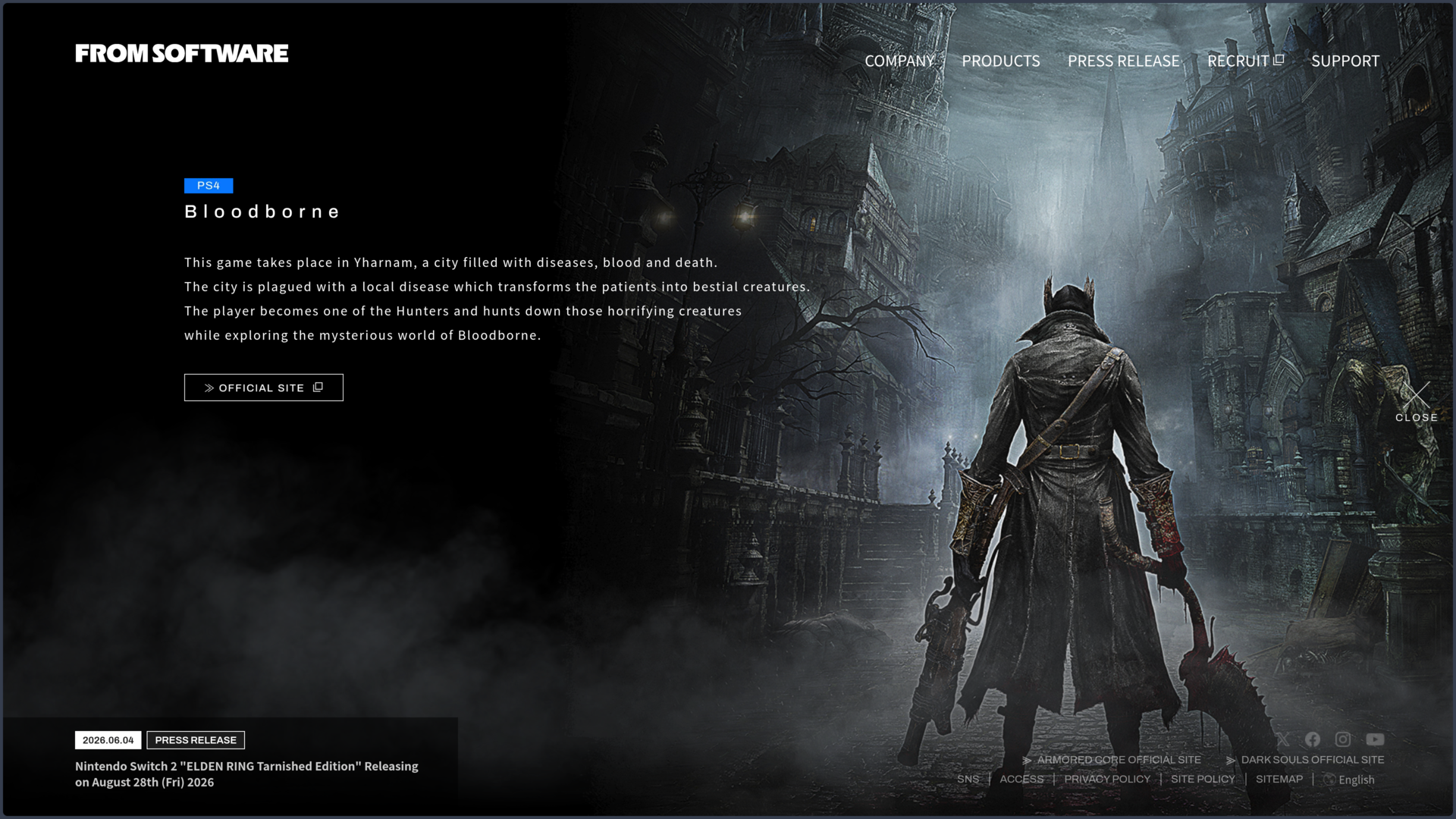
Bloodborne, en 2015, montre une autre direction. Le combat devient plus rapide et encourage davantage l’agressivité. L’univers gothique change également la tonalité.
Le joueur reconnaît plusieurs principes du studio sans pouvoir utiliser exactement les mêmes réflexes.
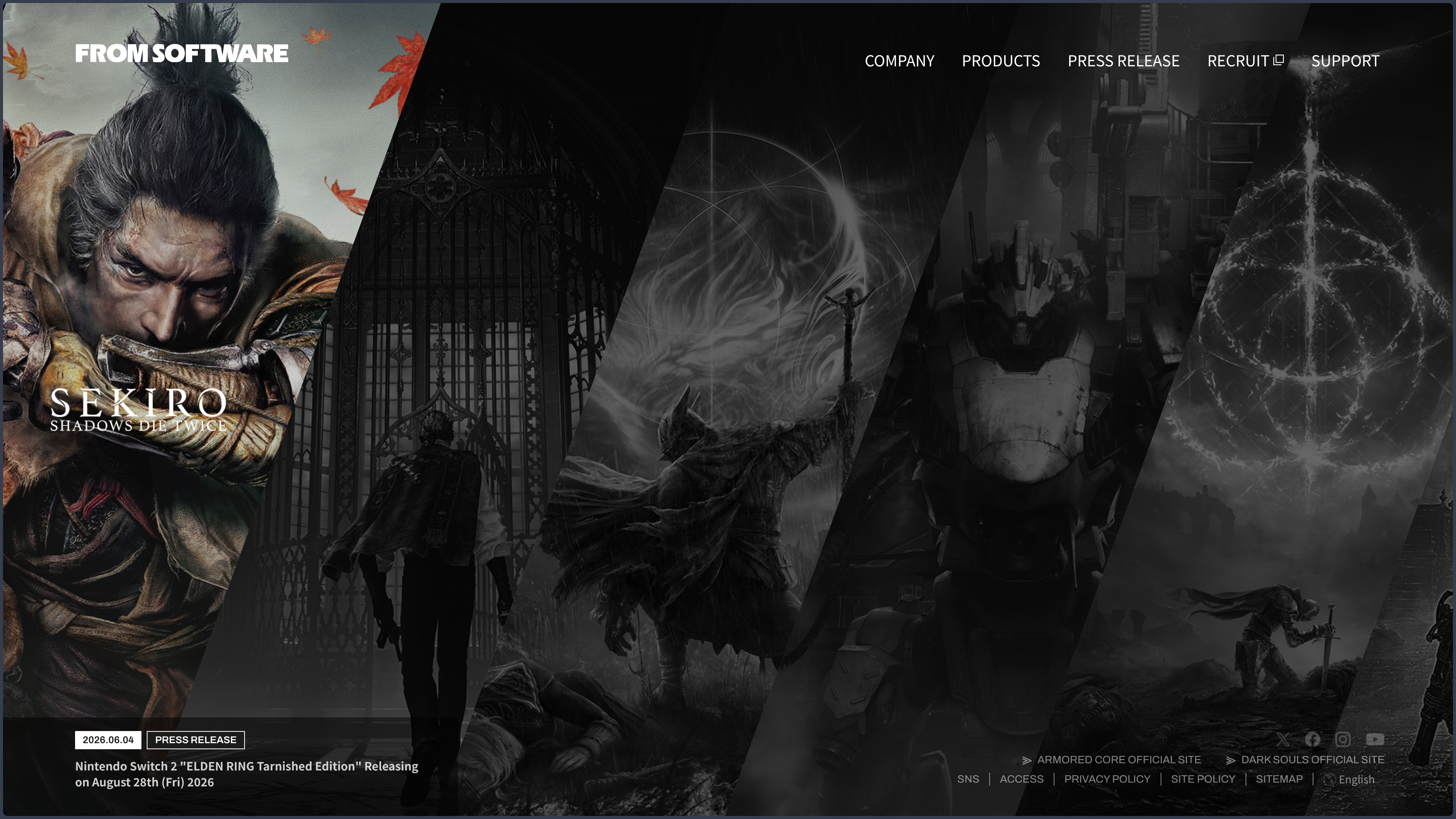
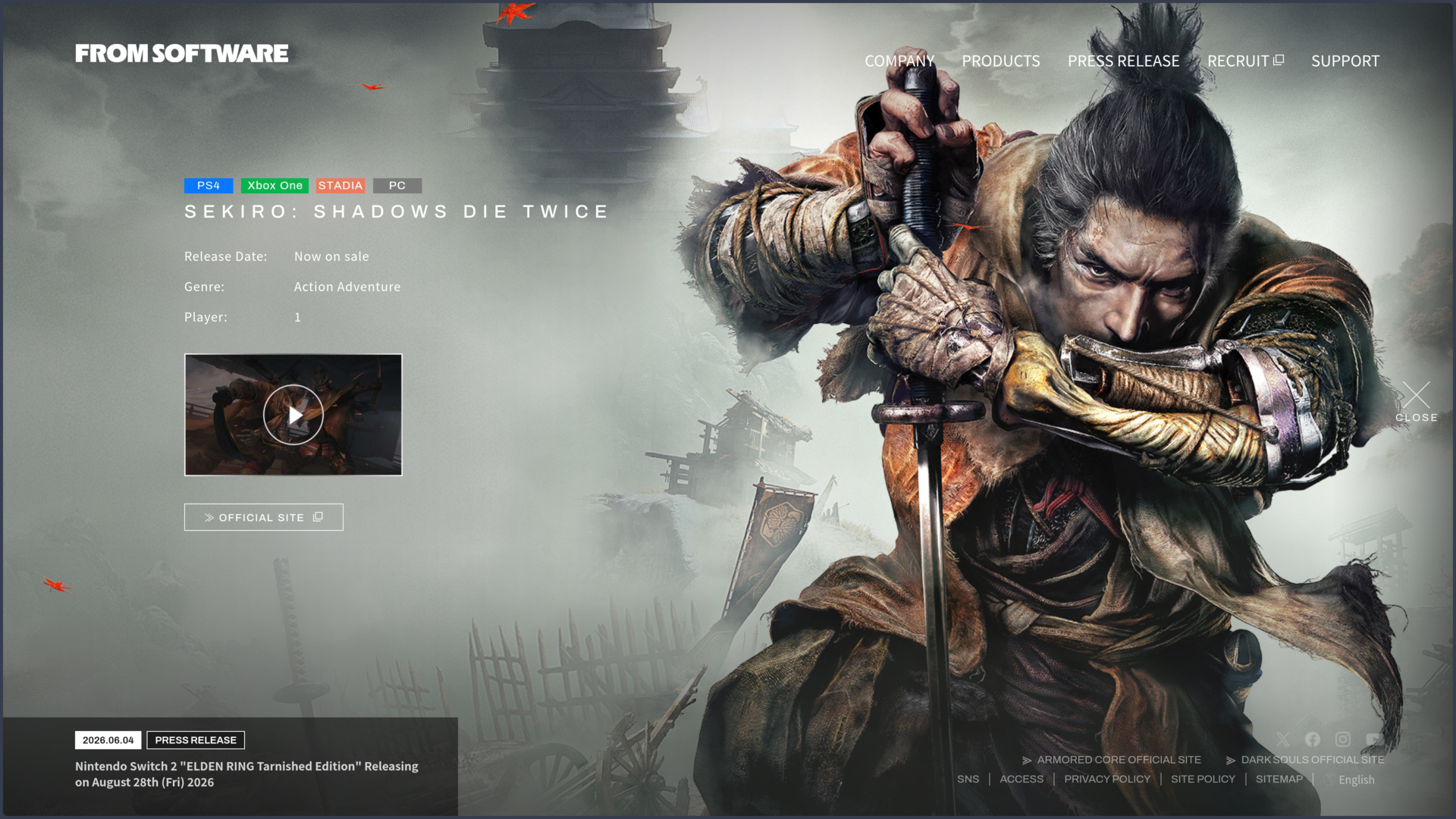
Sekiro: Shadows Die Twice, sorti en 2019, va encore plus loin. La liberté de construction du personnage recule, le protagoniste est défini et le combat se concentre davantage sur le rythme, la posture et le duel au sabre.
FromSoftware retire donc certaines possibilités afin d’approfondir une autre forme d’apprentissage.
Ces jeux démontrent que l’identité du studio ne dépend pas d’un catalogue précis de mécaniques. Elle tient davantage à la façon dont il organise friction, observation et maîtrise progressive.
Elden Ring : ouvrir le monde sans supprimer l’exigence
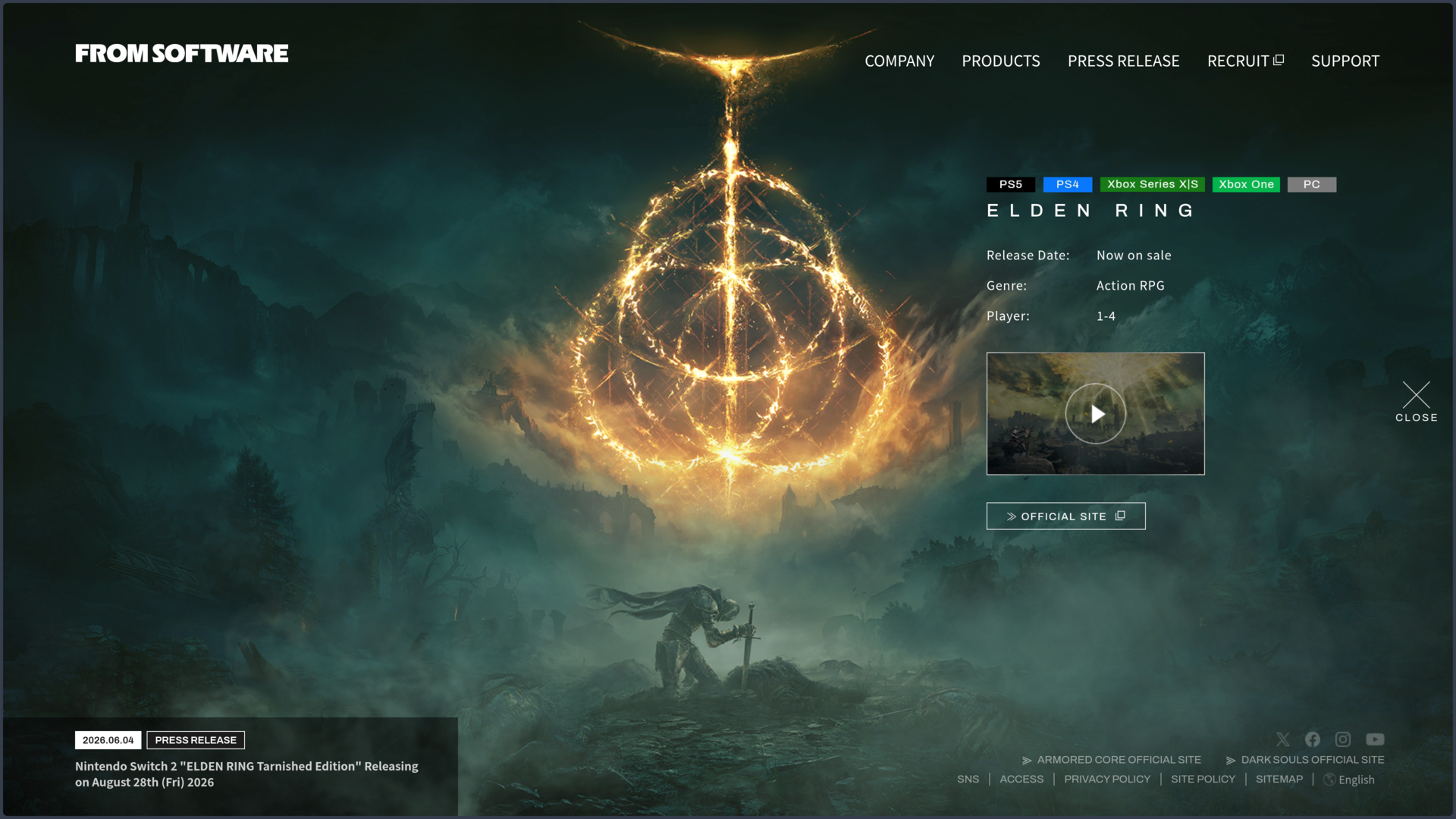
Avec Elden Ring en 2022, FromSoftware change surtout l’échelle de l’espace.
Le monde ouvert donne au joueur beaucoup plus de possibilités lorsqu’un obstacle paraît trop difficile. Il peut explorer une autre région, découvrir un nouvel équipement ou revenir plus tard avec davantage d’expérience.
Cette liberté modifie profondément la relation avec la difficulté.
Dans un niveau plus fermé, un boss peut devenir un mur. Dans Elden Ring, ce mur peut parfois simplement être contourné pendant plusieurs heures.
Le jeu conserve donc l’exigence du studio tout en offrant davantage de chemins pour y répondre.
Le résultat donne à FromSoftware une audience d’une ampleur nouvelle et confirme que sa philosophie peut atteindre un public mondial sans supprimer toute friction.
Armored Core VI : revenir à une ancienne identité
En 2023, FromSoftware revient à sa série historique avec Armored Core VI: Fires of Rubicon.
Le projet est important parce qu’il rappelle que l’histoire du studio ne se réduit toujours pas aux Souls.
Le jeu bénéficie naturellement d’une partie du savoir-faire accumulé dans les combats et les boss, mais conserve l’identité d’Armored Core autour de la personnalisation des machines et des missions.
FromSoftware peut donc revenir vers son passé sans simplement appliquer à une ancienne franchise la formule qui l’a rendu mondialement célèbre.
Une identité assez forte pour pouvoir être déplacée
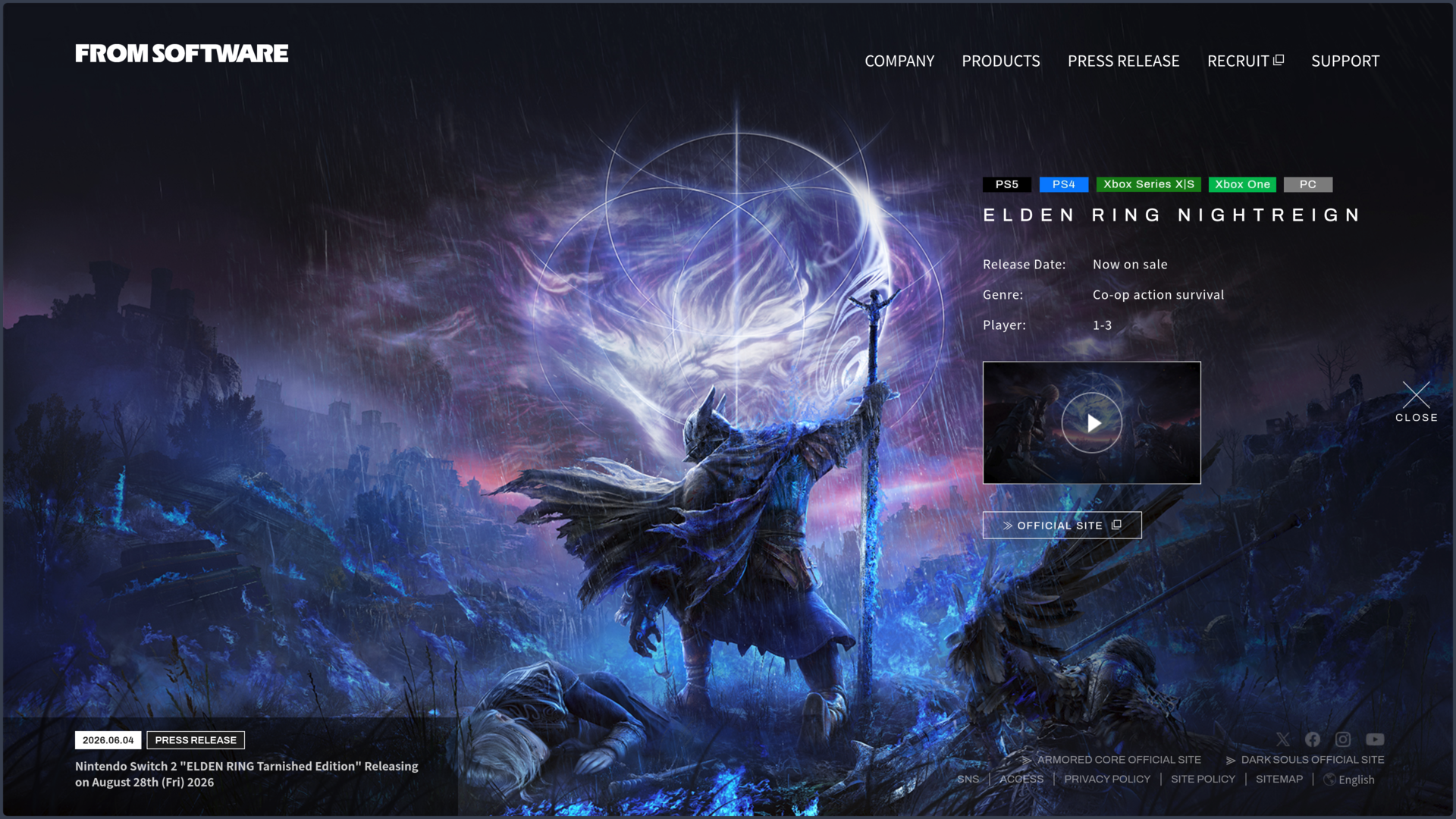
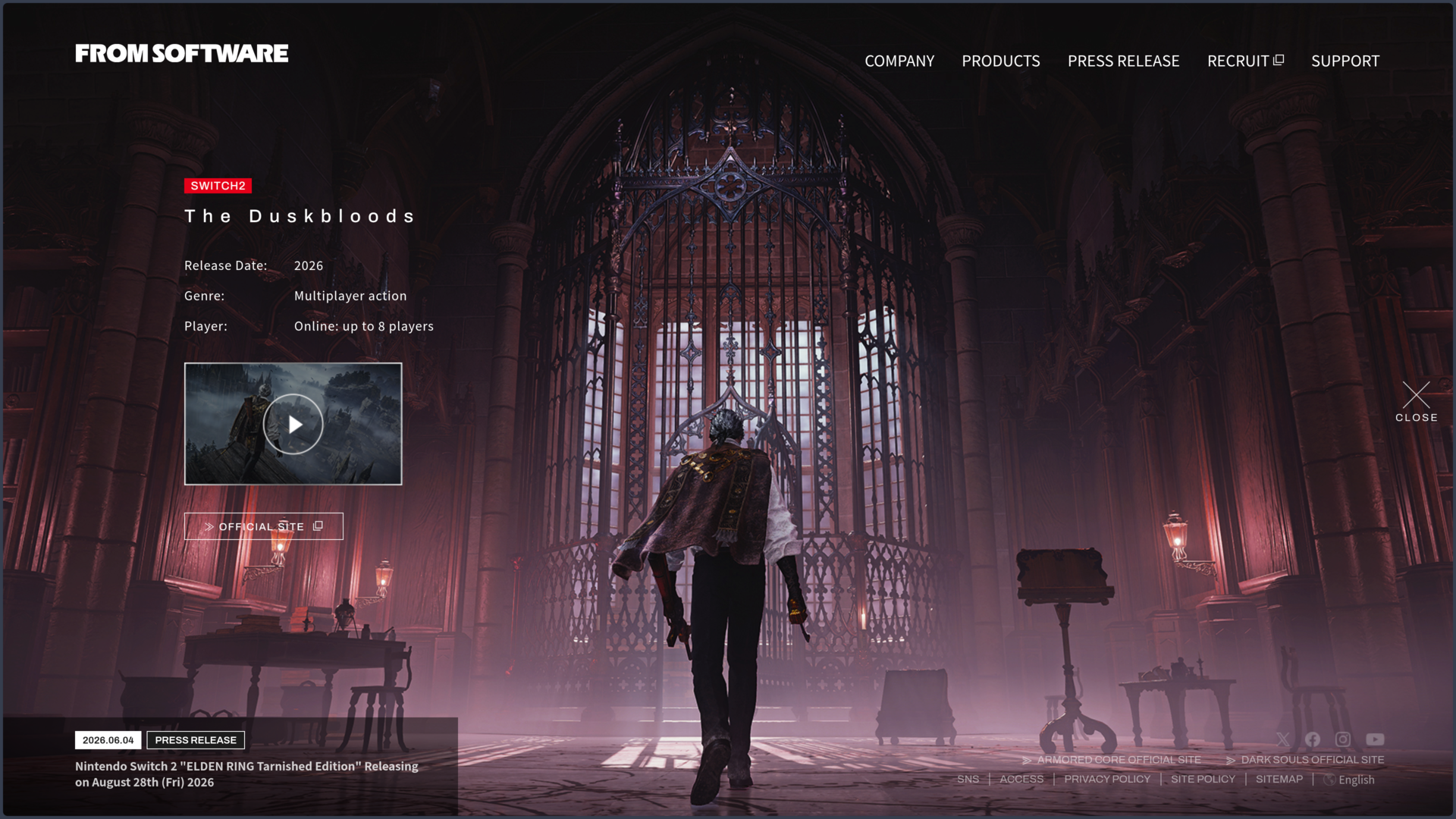
Les projets plus récents autour d’Elden Ring ou du multijoueur montrent que FromSoftware continue à explorer d’autres structures.
L’information la plus importante n’est pas le détail de chaque production annoncée.
Elle tient à ce que le studio semble refuser de laisser sa propre influence devenir une prison.
Après avoir créé un vocabulaire repris par une grande partie de l’industrie, FromSoftware doit désormais continuer à faire évoluer ses règles suffisamment pour rester lui-même sans simplement reproduire l’image que le public possède déjà de lui.
Ce qui la distingue
Transformer l’échec en connaissance
La difficulté est tellement associée à FromSoftware qu’elle finit parfois par masquer son utilité.
Un boss paraît d’abord chaotique. Puis une attaque devient reconnaissable. Le joueur comprend quand esquiver, quelle distance conserver ou pourquoi sa stratégie précédente échouait.
La victoire ne récompense donc pas seulement une augmentation de statistiques.
Elle récompense souvent une compréhension nouvellement acquise.
Cette logique transforme l’échec. Mourir peut devenir une tentative qui transmet une information. La frustration existe évidemment lorsque l’équilibre fonctionne mal, mais dans les meilleurs cas l’échec fait directement partie du processus d’apprentissage.
FromSoftware ne demande pas seulement au personnage de progresser.
Il demande au joueur de progresser avec lui.
Faire du mystère une activité
La même confiance accordée au joueur apparaît dans la narration.
Les mondes de FromSoftware expliquent rarement tout directement. Une partie de leur histoire passe par l’architecture, la description d’un objet, quelques phrases ou la position d’un corps dans un décor.
Le joueur reçoit des fragments puis doit essayer de comprendre comment ils se connectent.
Cette méthode donne au mystère une fonction active. Comprendre l’univers devient quelque chose que l’on fait, pas seulement quelque chose que l’on écoute.
Les discussions, interprétations et théories produites par les joueurs prolongent naturellement cette approche.
L’histoire n’est pas entièrement assemblée avant d’être remise au public.
Apprendre également l’espace
Le level design de FromSoftware transforme souvent la géographie en connaissance.
Un raccourci ne sert pas uniquement à réduire un trajet. Il révèle la relation entre deux zones. Une porte ouverte ou un ascenseur découvert peut soudain rendre lisible un espace que l’on croyait beaucoup plus vaste ou désordonné.
Le monde devient plus simple parce que le joueur le comprend mieux.
Cette idée relie des productions très différentes, de King’s Field à Dark Souls ou Elden Ring : explorer signifie progressivement remplacer l’inconnu par une carte mentale.
Protéger une philosophie plutôt qu’une formule
Bloodborne accélère le combat.
Sekiro réduit la liberté de build.
Elden Ring ouvre massivement l’exploration.
Armored Core VI revient vers une franchise aux règles différentes.
Ces variations montrent que FromSoftware n’a pas besoin de conserver exactement la même caméra, la même progression ou le même système de combat pour rester reconnaissable.
Ce qui survit davantage est une certaine confiance dans la capacité du joueur à observer, expérimenter et apprendre.
FromSoftware protège davantage une philosophie qu’une formule.
C’est probablement ce qui lui permet de continuer à évoluer malgré l’influence immense des Souls.
À savoir
- FromSoftware est fondé le 1er novembre 1986 et développe d’abord des logiciels professionnels.
- L’entreprise entre dans le jeu vidéo avec King’s Field sur PlayStation en 1994.
- Armored Core débute en 1997 et constitue l’une des grandes lignées historiques du studio.
- Demon’s Souls sort en 2009, avant Dark Souls en 2011.
- Hidetaka Miyazaki devient l’une des principales figures créatives du studio et en occupe aujourd’hui la présidence.
- FromSoftware rejoint le groupe Kadokawa en 2014.
- Bloodborne, Sekiro puis Elden Ring déplacent chacun certains principes associés aux Souls au lieu de reproduire exactement la même formule.
- Elden Ring sort en 2022 et donne au studio une audience d’une ampleur nouvelle.
- Armored Core VI: Fires of Rubicon sort en 2023 et marque le retour d’une franchise née bien avant les Souls.
- FromSoftware possède un siège à Tokyo et une implantation à Fukuoka ouverte en 2015.