
Overview
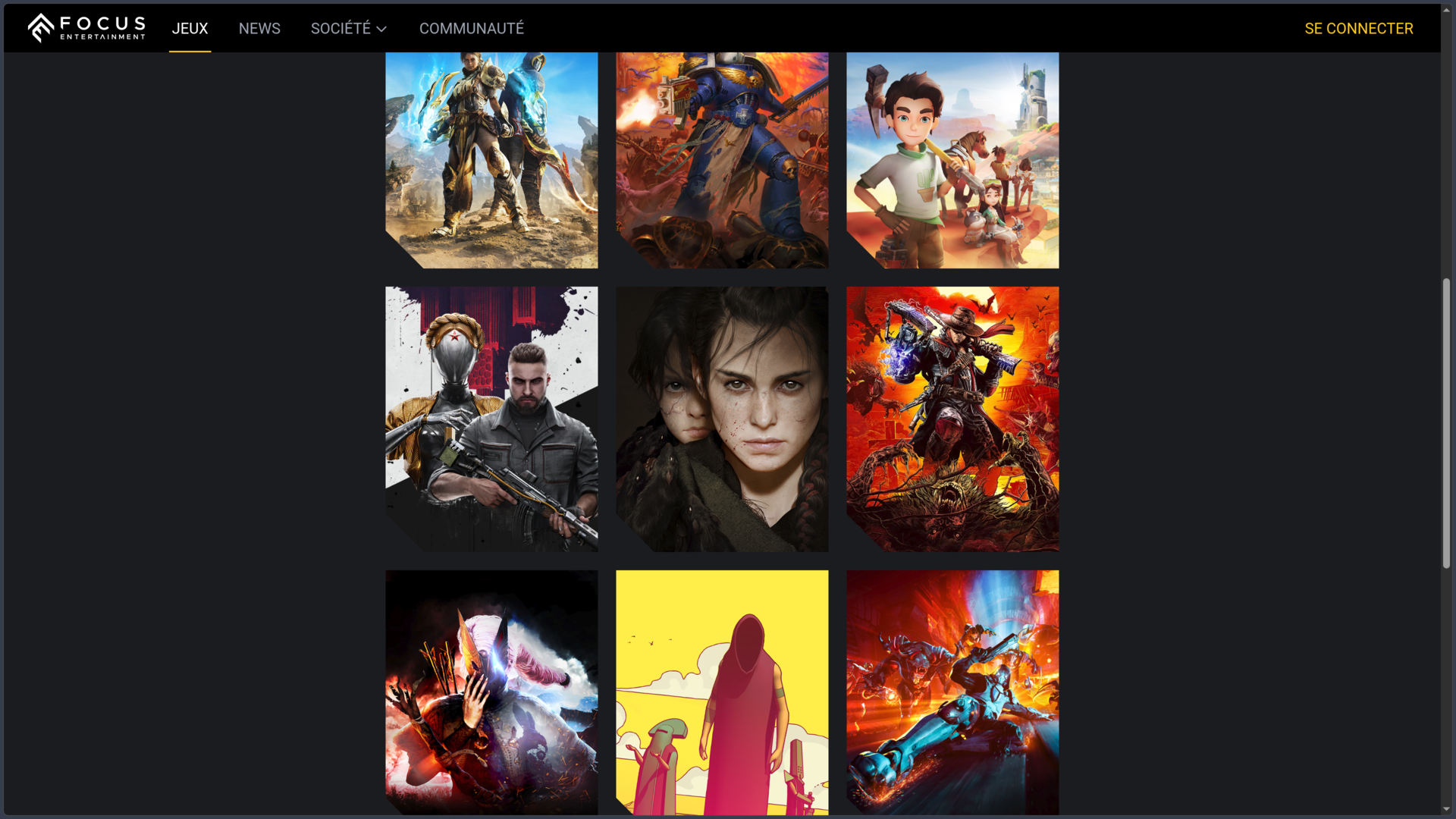
Focus Entertainment is a French video game publisher whose history began in 1996 under the name Focus Home Interactive. Initially active in the distribution of music creation software, the company fully turned toward video game publishing from 2000 onward and gradually developed a particular place within the European industry: supporting studios capable of offering distinctive experiences without necessarily having the commercial structure required to distribute them on a large scale themselves.
This position led Focus to work with very different teams and equally diverse genres. Strategy, simulation, action, RPGs, narrative adventures and independent games coexist within its catalogue. Titles such as Cossacks, TrackMania and Farming Simulator contributed to its early growth, before collaborations with Spiders, Deck13, Asobo Studio, Saber Interactive, DON'T NOD, Tindalos Interactive and Mundfish strengthened its international presence.
Focus’s identity therefore depends less on a specific genre than on its role as publisher and production partner. The company finances projects, supports their development, organizes testing and localization, prepares their commercial release, builds marketing campaigns and handles international distribution. It also participates in post-launch support when the nature of a game requires regular updates or a lasting relationship with its community.
This distinction is important: Focus Entertainment is not the studio that directly developed A Plague Tale, SnowRunner, Atomic Heart, Banishers: Ghosts of New Eden or Warhammer 40,000: Space Marine 2. These games were created by their respective studios. Focus’s role is to select, finance, support, produce and publish projects to which its teams can contribute their expertise.
The company itself has nevertheless changed structure over time. From 2020 onward, the former Focus Home Interactive began acquiring several studios and companies, including Deck13 Interactive and Dotemu, before expanding the group further. The commercial brand Focus Entertainment replaced Focus Home Interactive in 2021.
This growth gradually made a clearer separation necessary between the group’s functions, its owned studios and its historic publishing activity. In 2024, the parent company adopted the name PULLUP Entertainment. Focus did not disappear: Focus Entertainment Publishing became one of the group’s divisions and now focuses specifically on AA game publishing, while the internal studios, Dotemu and other activities operate under separate structures.
The Focus brand therefore retains nearly three decades of publishing experience while now occupying a more clearly defined position within a broader group.
History
1996: the beginnings of Focus Home Interactive
The story begins in 1996 in France with the creation of Focus Home Interactive.
The company did not begin immediately as a video game publisher. Its early activities notably involved distributing music creation software before gradually redirecting its business.
From 2000 onward, Focus became fully dedicated to video game publishing.
The company then operated in an industry where major international publishers had considerable resources, while many European studios were looking for partners capable of financing, distributing and marketing their productions without necessarily integrating them into large proprietary organizations.
Focus gradually developed its expertise around this intermediate space.
The early successes highlighted by the company itself include Cossacks, Runaway and TrackMania. The genres were already very different: strategy, adventure and racing. This diversity would become a lasting characteristic of its catalogue.
Rather than building its entire identity around a single proprietary license or one internal studio, Focus multiplied partnerships with specialized developers.
Niches capable of becoming international
During the 2000s, Focus particularly developed its activity around PC productions and specialized communities.
This strategy is well illustrated by Farming Simulator. Developed by GIANTS Software, the series initially appears aimed at a particularly specific niche: agricultural simulation. Its success nevertheless demonstrates that a production built for a clearly identified audience can expand far beyond that initial circle.
Focus published several entries in the series and contributed to its international growth before GIANTS Software later took direct control of publishing itself.
The collaboration around Blood Bowl, Cyanide Studio’s adaptation of the Games Workshop universe, illustrates a similar logic. Fantasy American football, turn-based strategy and the Warhammer license form an unusual combination that does not necessarily correspond to categories generally considered the safest commercially.
This ability to support projects positioned between niche audiences and the international market gradually became a defining characteristic of Focus.
The publisher also worked with Spiders, notably on Bound by Flame, The Technomancer and later GreedFall, as well as with Deck13 on The Surge and its sequel.
These collaborations gradually gave action games, RPGs and adventures a more prominent place within the catalogue.
Building partnerships rather than a single model
Focus’s operations rely heavily on its relationships with partner studios.
These relationships can take different forms depending on the project. Some developers bring an already defined property; others build the game in close collaboration with the publisher. Focus can contribute to financing, production, testing, localization, commercial positioning or communication campaigns.
The partnership with Asobo Studio became one of the most important examples of this approach.
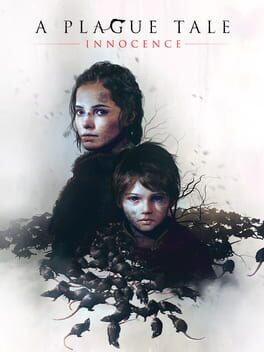
The collaboration around what would become A Plague Tale: Innocence was announced in 2017. Released in 2019, the game follows Amicia and Hugo through a plague-ravaged medieval France and marked an important milestone for both Asobo and Focus.
The project was not based on an already famous license. Its success came from an original universe, a strong visual identity and a production capable of finding a place between independent games and blockbusters with much larger budgets.
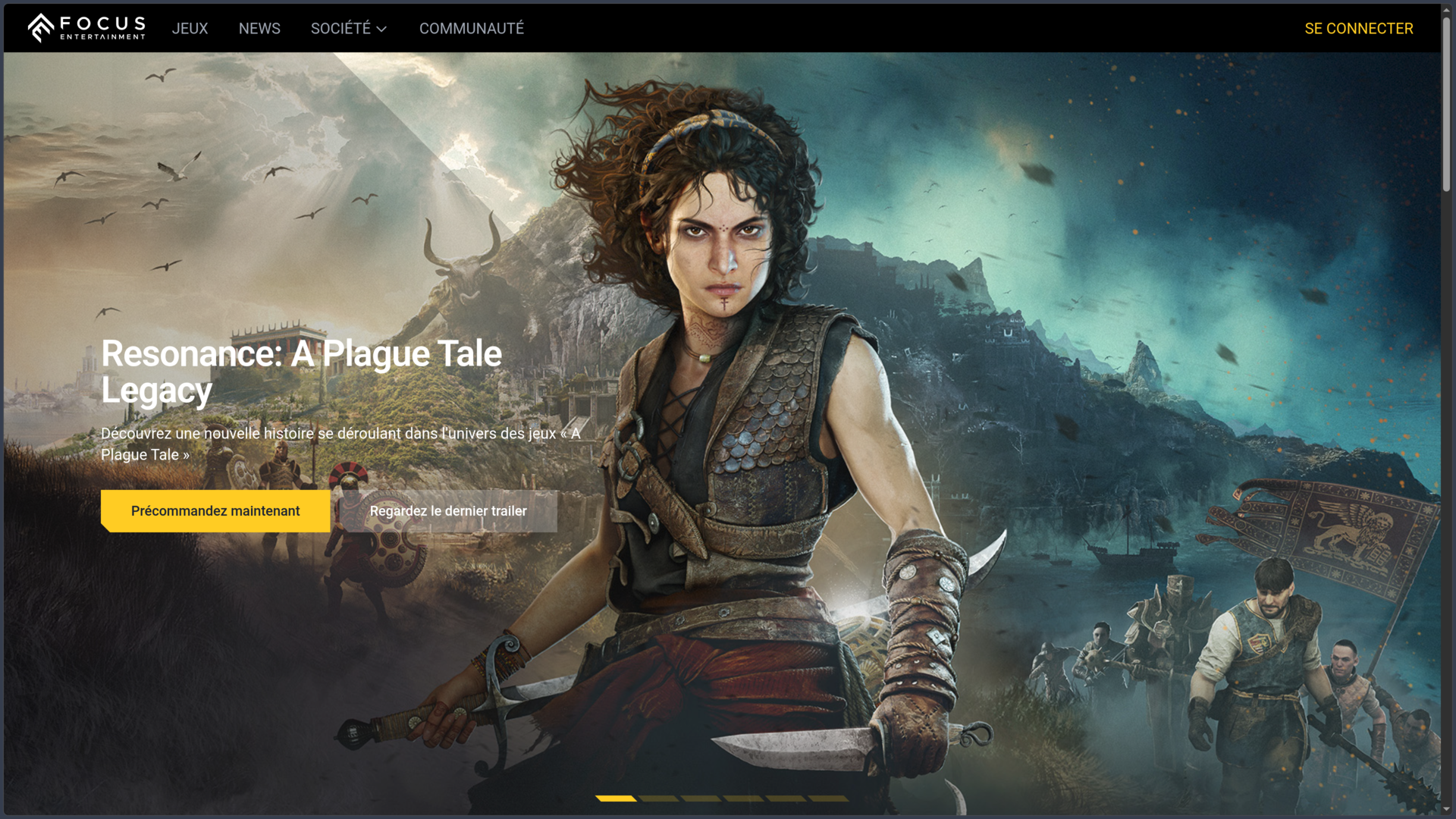
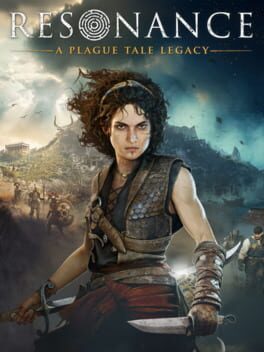
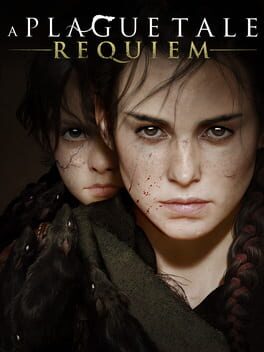
This relationship continued with A Plague Tale: Requiem, then with Resonance: A Plague Tale Legacy. It illustrates a logic Focus would regularly seek to reproduce: establishing collaborations capable of extending beyond a single release when the combination of studio, project and publisher proves successful.
Vampyr, The Surge and a more visible AA identity
The second half of the 2010s helped make Focus’s editorial direction more identifiable.
With The Surge, developed by Deck13 and published in 2017, the publisher supported a science-fiction action RPG whose combat system notably relies on targeting different body parts. A sequel followed in 2019.
Vampyr, developed by DON'T NOD and published in 2018, took a very different direction. The game combines action RPG, investigation and narrative choices in London in 1918. Once again, Focus worked with a studio possessing its own creative culture rather than imposing an identical formula across the catalogue.
In 2019, A Plague Tale: Innocence completed this period with a narrative adventure more focused on stealth, characters and atmosphere.
These productions helped establish Focus within the segment often described as AA: games with substantial resources and international distribution, but able to pursue more targeted directions than some very large AAA productions.
The term does not describe a single formula. Above all, it allows Focus to work with teams of different sizes on projects whose identity relies more on a specific proposition than on the need to systematically reach the widest possible audience.
SnowRunner and games built to last
Another important branch of the catalogue developed around simulation and experiences supported over the long term.
After Spintires: MudRunner, SnowRunner, developed by Saber Interactive, was released in 2020. The game turns off-road driving into a progression experience through difficult environments where terrain, mud, water, vehicles and preparation become the main gameplay systems.
Its operation continues through numerous additional content releases and seasons.
For the publisher, this kind of production requires a different organization from a title primarily focused on its launch. Community support, content coordination, new platforms and successive campaigns become an important part of the publishing work.
This expertise remains visible in the current catalogue with simulation-related productions such as RoadCraft.
Focus does not, however, confine itself to this category. Simulation remains one of the pillars of its activity alongside action and adventure games.
2020-2023: from publisher to studio group
From 2020 onward, Focus Home Interactive gradually changed scale.
The acquisition of Deck13 Interactive represented a decisive step. The German studio, a long-time partner with which Focus had notably worked on The Surge, became the first development studio acquired by the group.
Other operations followed.
In 2021, Focus acquired Streum On Studio, then Dotemu, a publisher and developer notably specialized in reviving historic licenses and retro gaming. The company also acquired Douze Dixièmes, followed by Leikir Studio in 2022.
These operations profoundly changed the nature of the company. Focus was no longer only a publisher working with independent partners: it also became a group owning its own development structures and several publishing areas of expertise.
In September 2021, Focus Home Interactive adopted the commercial brand Focus Entertainment. The change reflected the desire to represent a scope that had become broader than the company’s historic activity.
Expansion continued notably with the acquisition in 2023 of Dovetail Games, a simulation specialist, along with BlackMill Games and Carpool Studio.
But this growth also created ambiguity: the Focus name then referred both to the historic publisher and to a group made up of studios and activities with their own identities.
The following reorganization would specifically seek to resolve that confusion.
2024: PULLUP Entertainment and the refocusing of Focus
On April 1, 2024, the Focus Entertainment group became PULLUP Entertainment.
This change did not mean the disappearance of Focus. On the contrary, it more clearly separated the different levels of the organization.
PULLUP Entertainment became the entity responsible for the group’s management and cross-functional services.
Focus Entertainment Publishing retained the historic publishing activity and focuses on AA games.
Dotemu, together with its The Arcade Crew division, maintains its own editorial direction around historic licenses and independent productions.
The internal development studios are grouped under PULLUP Studios, while other activities complete the broader organization.
This new structure makes it possible to avoid presenting every acquired studio as a direct component of Focus Entertainment Publishing. Deck13 and Dovetail Games belong to the same group, but retain their own teams, creative leadership and development responsibilities.
Focus therefore becomes more clearly identifiable once again as a publisher.
Space Marine 2 and the consolidation of the publisher
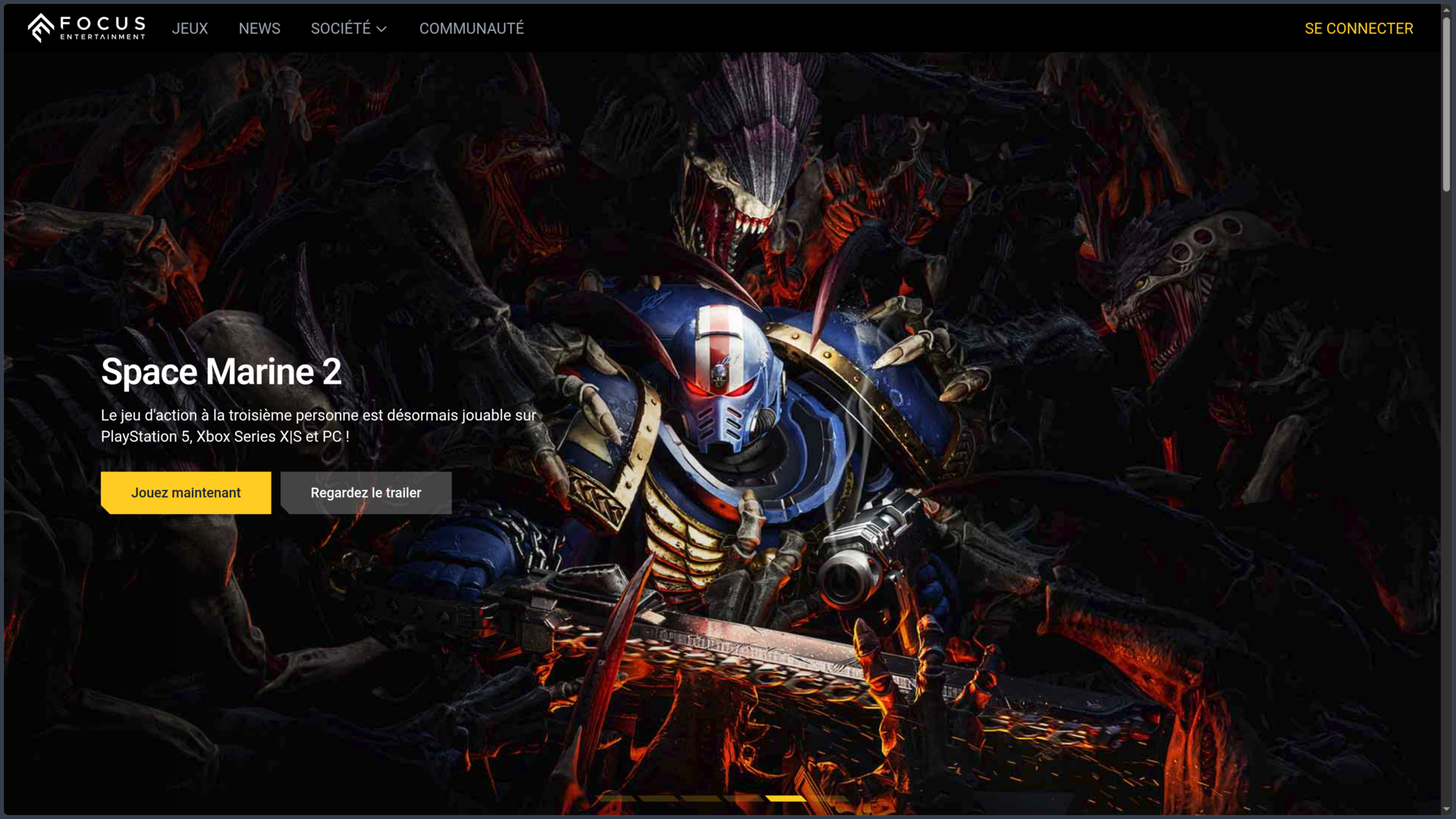
The recent period confirms this positioning with Warhammer 40,000: Space Marine 2.
Developed by Saber Interactive and published by Focus Entertainment Publishing in 2024, the game is one of the most important recent productions in the publisher’s catalogue.
The partnership with Games Workshop and Saber Interactive illustrates another side of its activity: Focus can work both on original properties and on major licenses owned by other groups.
The partnership does not stop at launch. Focus, Games Workshop and Saber Interactive announced the development of Warhammer 40,000: Space Marine 3 in 2025, while the second game continues to receive content.
At the same time, the publisher maintains a deliberately diverse catalogue. Chants of Sennaar represents a much more compact production based on languages and observation; Banishers: Ghosts of New Eden develops a narrative action RPG with DON'T NOD; Aliens: Dark Descent translates the Alien license into tactical strategy; Atomic Heart explores first-person action RPG with Mundfish.
In 2026, Focus Entertainment Publishing also continues to announce new partnerships with external studios.
The structure has changed, but the historic function remains: identifying projects with a clear identity, providing them with the resources needed to reach international production and distribution, then building an appropriate publishing framework around them.
What sets it apart
An identity built through selection rather than genre
Focus Entertainment does not have the immediately visible consistency of a studio that always develops the same kind of game.
Its consistency is editorial.
SnowRunner, A Plague Tale, Space Marine 2, Chants of Sennaar and Banishers: Ghosts of New Eden do not share the same mechanics, universes or audiences.
What they share more closely is a positioning logic: productions capable of strongly addressing a community or particular sensibility without necessarily needing to take the form of a mainstream blockbuster.
This diversity requires the publisher to evaluate each project according to its own proposition rather than constantly trying to reproduce an internal formula.
Partnership as the core of the business
Focus’s history is also one of repeated collaborations with external studios.
The publisher does not simply look for finished products to market. Its involvement can begin long before release and cover financing, production, testing, localization, certifications, data, marketing, platform relations and international distribution.
The group officially describes this approach today as continuous support through launch and beyond.
This dimension helps explain why some partnerships last across several games. Asobo Studio and Focus developed the A Plague Tale universe together across multiple productions. Saber Interactive and Focus continue their collaboration around Space Marine. Other relationships have accompanied several entries or successive properties.
The desired quality therefore does not come only from the selected game but also from the ability to build a sufficiently lasting relationship with the team developing it.
AA as a space for editorial freedom
Focus Entertainment Publishing now explicitly defines its activity around AA games, notably in the gamer and simulation fields.
This positioning occupies a particular space.
Projects can benefit from significant budgets, marketing teams and international distribution without necessarily carrying all the economic constraints of a very large AAA production.
This scale allows more specialized concepts to retain a meaningful place.
Focus’s history provides several examples: turning truck driving through mud into an international franchise with SnowRunner, building a medieval narrative adventure around two young characters with A Plague Tale, or publishing a language-based experience such as Chants of Sennaar do not follow a single commercial formula.
The publisher’s role is precisely to identify which audience can be sufficiently interested in a proposition and to give the project the means to reach it.
Supporting without erasing the studio
An important consequence of this philosophy is the visibility retained by developers.
Asobo Studio remains the creator of A Plague Tale. Saber Interactive develops Space Marine 2. DON'T NOD develops Banishers. Rundisc creates Chants of Sennaar.
Focus acts as publisher, producer and partner, but this function should not absorb the creative contribution of the teams.
PULLUP’s current structure makes this distinction even more important. The group itself owns several studios, but Focus Entertainment Publishing continues in parallel to work with completely external developers.
The catalogue therefore results from two concepts that must remain separate: who develops a work and who provides its publishing support.
Expertise covering the entire route to market
The role of a modern publisher goes far beyond printing copies or organizing an advertising campaign.
Focus Entertainment Publishing now supports its partners with financing and development, playtests, quality, localization, age ratings, platform certifications, release management, post-launch operations, marketing, communication, press and influencer relations, relationships with platform holders and international distribution.
Data analysis and broader possibilities for exploiting properties can also complement this support.
This infrastructure is one of Focus’s main assets: enabling a studio whose primary expertise is creating a game to access international functions that would be complex to build entirely on its own.
The publisher therefore serves as a bridge between creative production and all the operations required to turn a project into a worldwide release.
Good to know
- Focus Home Interactive was founded in France in 1996, initially around the distribution of music creation software.
- The company became fully dedicated to video game publishing from 2000 onward.
- Cossacks, Runaway and TrackMania are among the early successes highlighted in the group’s official history.
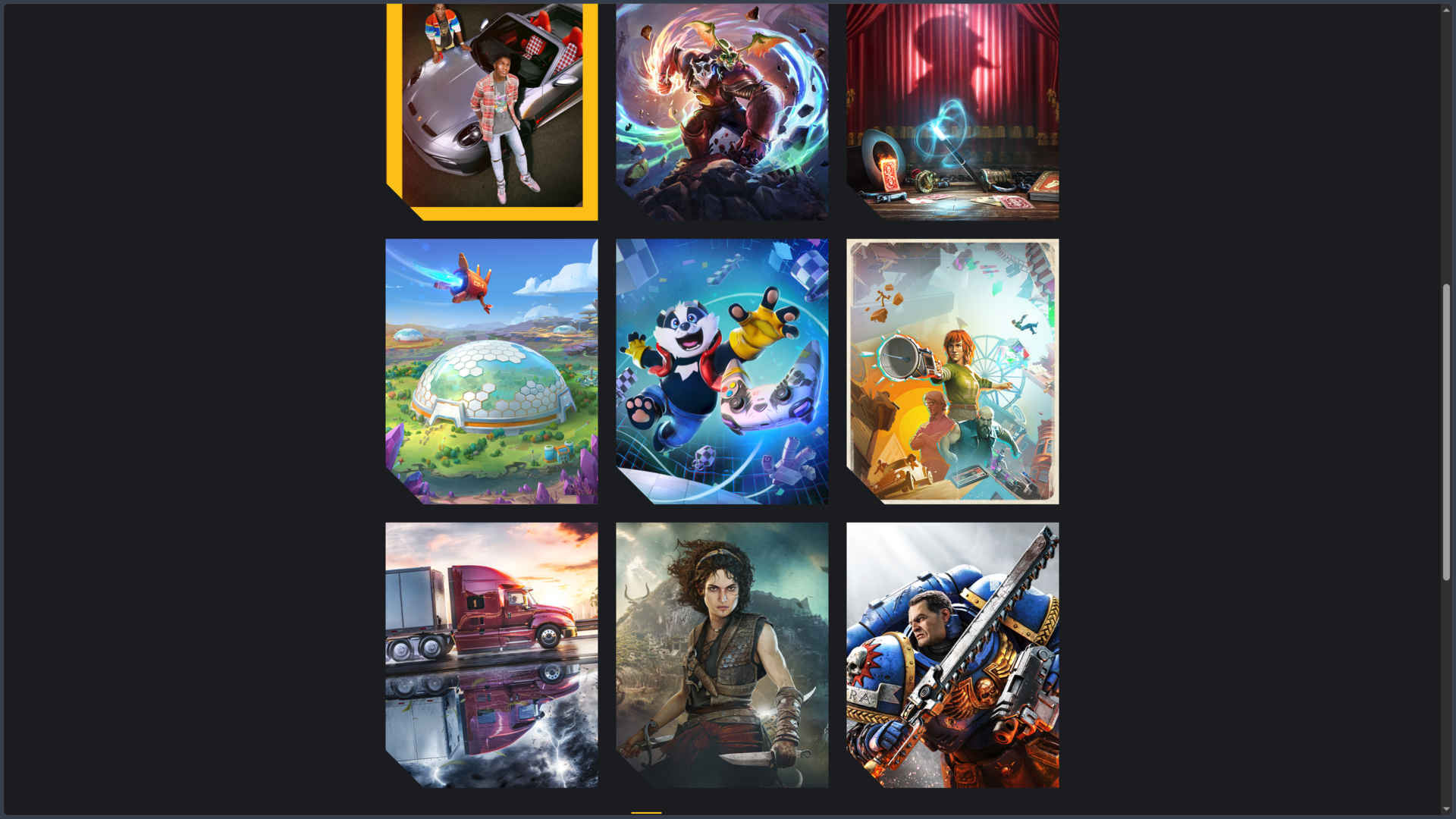
- Over the years, Focus supported series and productions such as Farming Simulator, Blood Bowl, The Surge, Vampyr, A Plague Tale and SnowRunner.
- Deck13 Interactive became the first development studio acquired by the former Focus group in 2020.
- The commercial brand Focus Entertainment was adopted in 2021, replacing Focus Home Interactive.
- The group’s expansion notably included the acquisitions of Dotemu, Dovetail Games, BlackMill Games and Carpool Studio.
- In 2024, the parent company became PULLUP Entertainment and Focus Entertainment Publishing was repositioned as its division specializing in AA game publishing.
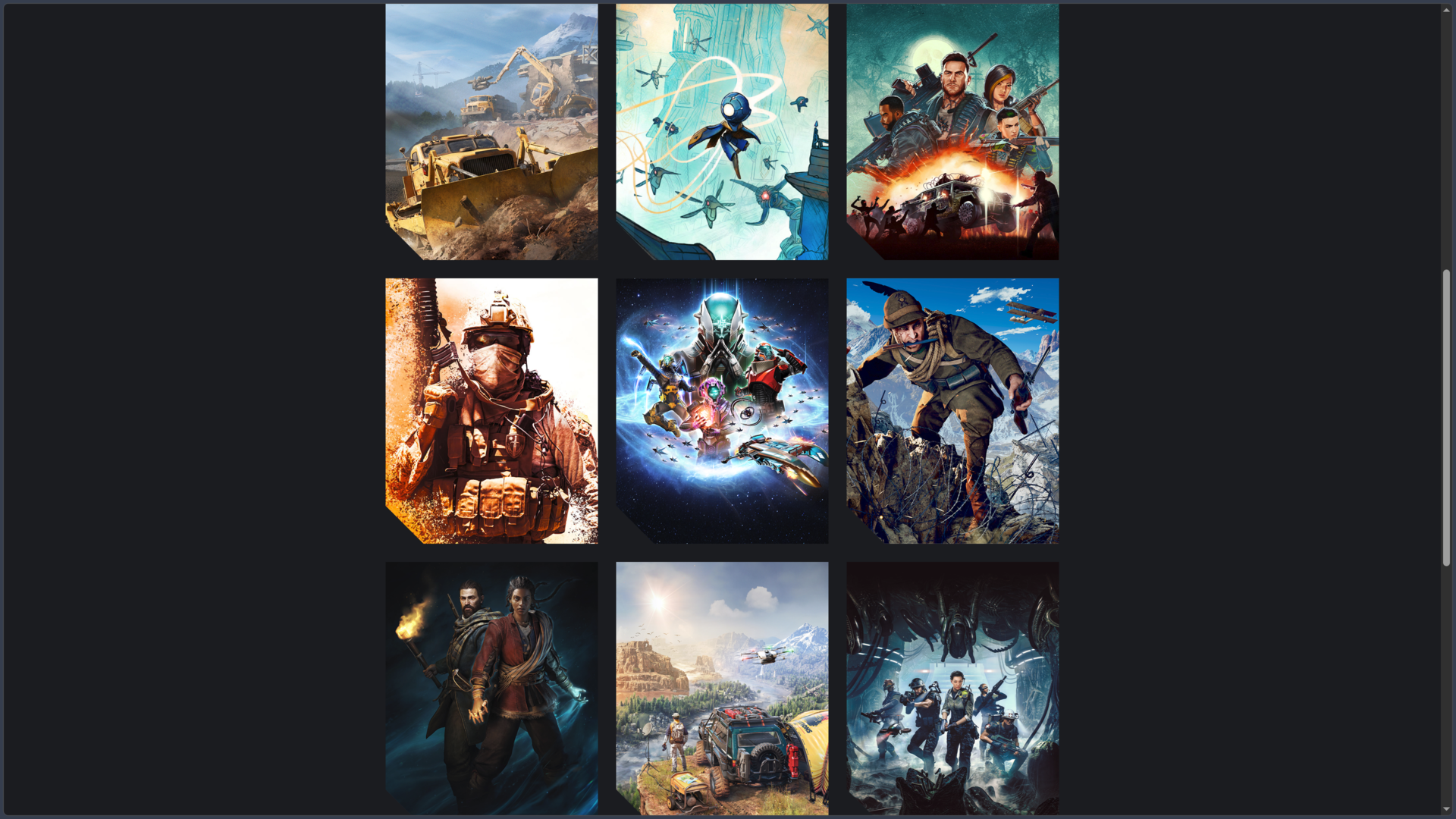
- Its recent catalogue notably includes Warhammer 40,000: Space Marine 2, A Plague Tale, SnowRunner, RoadCraft, Chants of Sennaar and Warhammer 40,000: Boltgun.
- Focus Entertainment Publishing remains a publishing entity rather than a development studio: the works in its catalogue retain their respective creator studios.