Presentation
Developed by Asobo Studio, A Plague Tale: Innocence places storytelling at the center of a deliberately linear adventure. The game does not attempt to reproduce the freedom of an open world: instead, it builds a succession of locations, encounters and situations designed to accompany the evolution of Amicia and Hugo. This approach gives the experience a tightly controlled pace, close to that of a dramatic adventure story.
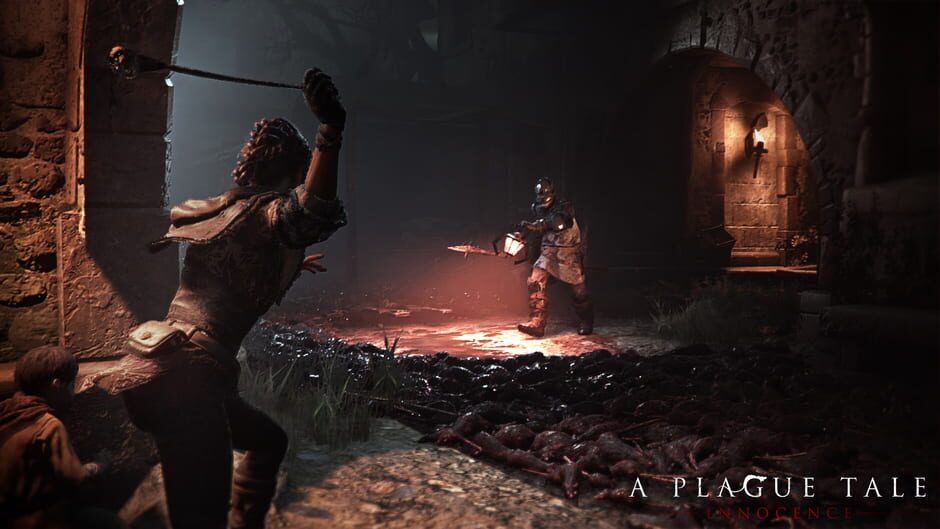
Most confrontations revolve around stealth. Amicia is not a fighter capable of taking on groups of soldiers directly. Her sling, objects found in the environment and several crafted mixtures are primarily used to distract enemies, neutralize certain threats or alter the conditions of a passage. The game regularly encourages players to observe their surroundings before acting and gives environmental puzzles an important role.
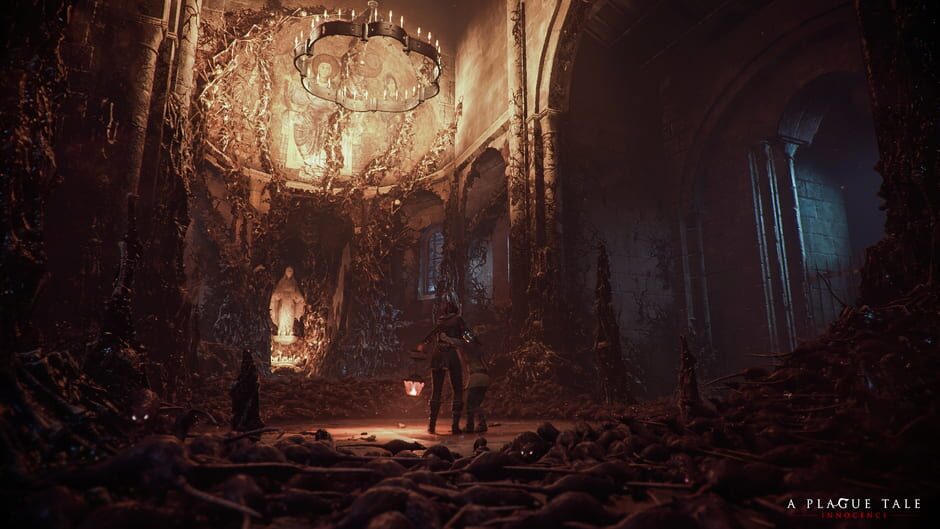
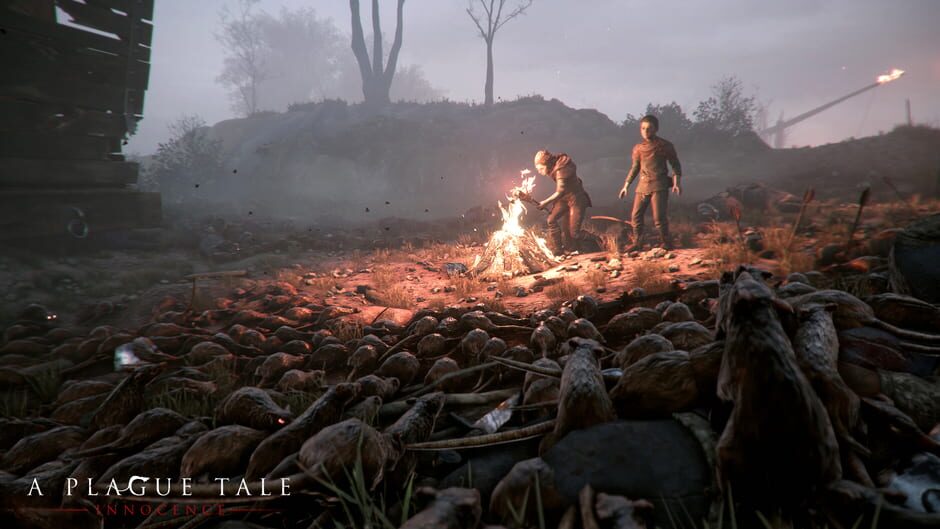
The rats, however, are its most recognizable element. They invade certain areas by the thousands and turn light into a genuine survival mechanic. A torch, brazier or other source of fire can create a safe space, while darkness becomes dangerous almost immediately. Players gradually learn to move, divert or exploit these masses of rats in order to progress. This mechanic gives the epidemic a physical presence and directly contributes to the game's atmosphere.
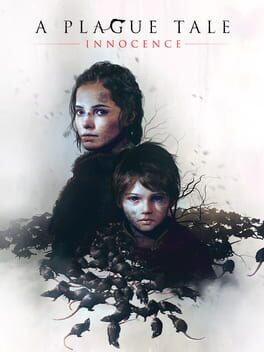
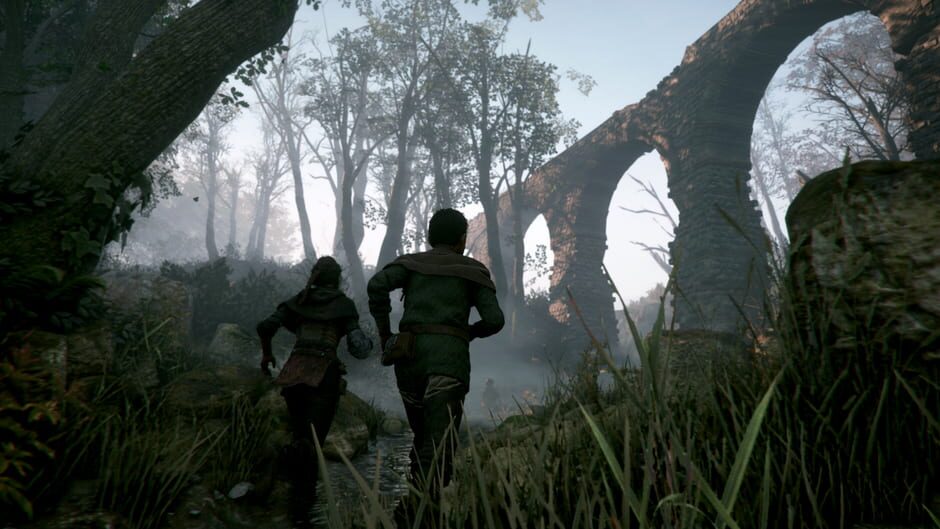
But A Plague Tale: Innocence works above all because of the relationship between Amicia and Hugo. At the beginning of their escape, they barely know each other. Amicia is suddenly made responsible for a vulnerable child who does not always understand the dangers surrounding them. Their arguments, fears and moments of affection accompany their journey and give it an intimacy that contrasts with the spectacle of its setting.
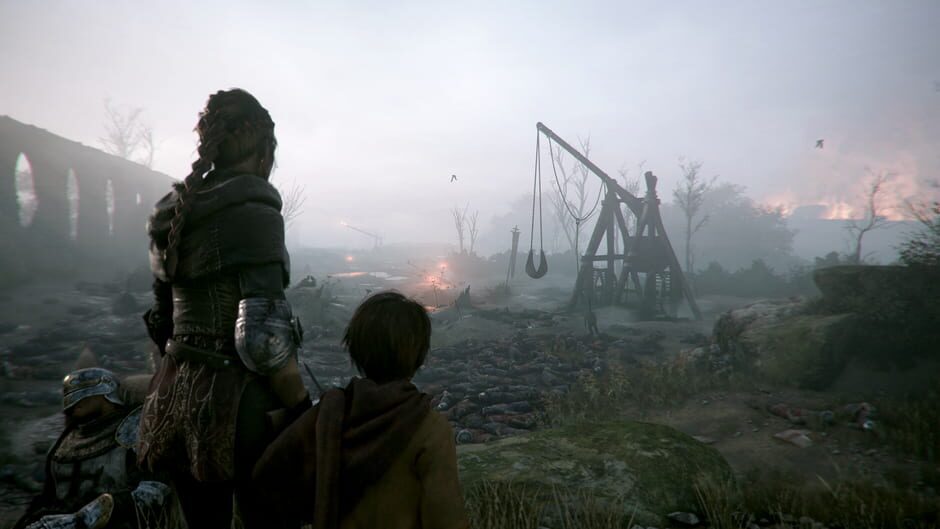
Asobo Studio therefore offers a fictionalized vision of medieval France in which historical reality, horror and fantastical elements are freely intertwined. The game uses the Black Death and the Hundred Years' War as a dramatic backdrop rather than attempting a strictly historical reconstruction.
What to remember
- A narrative adventure centered on the relationship between Amicia and her young brother Hugo.
- Gameplay built primarily around stealth, observation and environmental puzzles.
- Swarms of rats that make light and darkness essential elements of progression.
- A particularly dark artistic direction that turns medieval France into an almost nightmarish landscape.
- A linear, highly staged structure designed to support pacing and character development.
- A deliberate blend of history, family drama and fantasy.
Conclusion
A Plague Tale: Innocence finds its identity less in the number of mechanics it offers than in the way those mechanics serve its story. Stealth, puzzles, light and, above all, the rats all contribute to the same feeling of vulnerability: Amicia and Hugo move through a world larger than themselves, where every refuge seems temporary.
This tightly directed approach also has its limitations. Some stealth sequences can feel rigid, and certain situations rely more on trial and error than on genuine freedom of approach. The game nevertheless embraces this linearity in order to preserve a carefully controlled narrative progression.
Its greatest achievement lies elsewhere: turning a journey shaped by disease, violence and death into a story deeply focused on two children simply learning how to become brother and sister. It is this human dimension that gives A Plague Tale: Innocence an identity far more lasting than its medieval setting alone.
Good to know
- A Plague Tale: Innocence was developed by the French studio Asobo Studio.
- The game was originally released in 2019.
- Its story takes place mainly in France in 1348, at the beginning of the great European plague and during the Hundred Years' War.
- The original score was composed by Olivier Derivière.
- The world draws inspiration from medieval history but deliberately introduces fantastical elements: it is not intended as a historical reconstruction.
- Amicia and Hugo's story continues in A Plague Tale: Requiem.