










Overview
Def Jam Recordings is an American record label founded in New York in 1984 by Rick Rubin and Russell Simmons. Emerging during hip-hop's early commercial development, it helped bring the music from independent urban scenes into national and eventually international distribution.
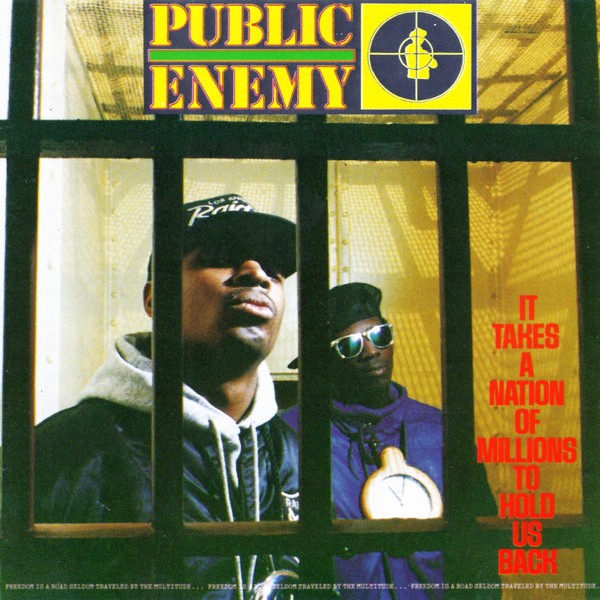
Its early releases featured LL Cool J, the Beastie Boys and Public Enemy. Albums such as Licensed to Ill (1986), Yo! Bum Rush the Show (1987) and It Takes a Nation of Millions to Hold Us Back (1988) demonstrate different approaches to the genre, combining rock influences, production innovation and political commentary.
Over the following decades, Def Jam developed a catalogue featuring Method Man, Redman, Jay-Z, Nas, The Roots and several other major American hip-hop artists. The label also expanded into R&B and pop, particularly through Rihanna, whose albums Music of the Sun (2005), Loud (2010) and Unapologetic (2012) accompanied her international success.
Today owned by Universal Music Group, Def Jam remains active in rap and contemporary music. Its operations extend across several regions through local divisions dedicated to developing new hip-hop scenes.
History
1984-1991 — Rick Rubin, Russell Simmons and the hip-hop revolution
Def Jam's history began in New York's music scene during the early 1980s. Rick Rubin, then a student at New York University, produced his first hip-hop recordings and used the Def Jam name before partnering with Russell Simmons, who was already involved in rap management and promotion.
In 1984, the label's early releases included LL Cool J's I Need a Beat and the Beastie Boys' Rock Hard. A distribution agreement with Columbia Records in 1985 enabled Def Jam to expand its national presence.
The Beastie Boys released Licensed to Ill in 1986. Combining rap, rock guitars and humour, it became the first rap album to reach number one on the Billboard 200.
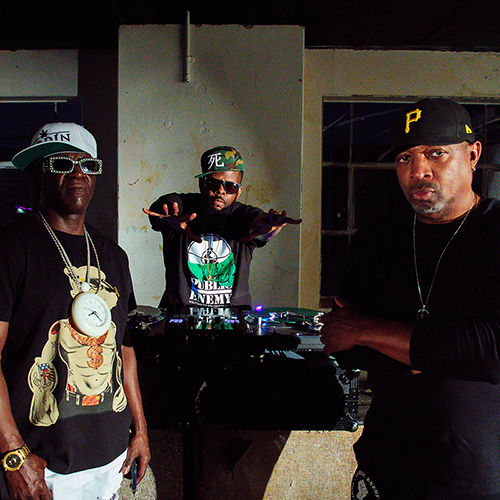
Def Jam also worked with Public Enemy, whose albums Yo! Bum Rush the Show (1987), It Takes a Nation of Millions to Hold Us Back (1988) and Fear of a Black Planet (1990) combined dense production with critical commentary on social and racial issues.
Rick Rubin left the label in the late 1980s, while Russell Simmons continued developing the company. Def Jam had become one of the most important names in American hip-hop.
1992-2004 — Method Man, Redman and Jay-Z
During the 1990s, Def Jam expanded its catalogue with artists from different New York rap scenes. Method Man released Tical (1994), while Redman continued his career with Muddy Waters (1996) and Doc's da Name 2000 (1998).
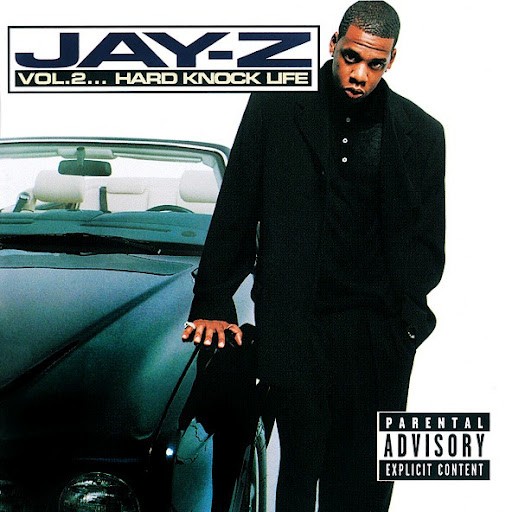
The label also supported the development of Roc-A-Fella Records, founded by Jay-Z, Damon Dash and Kareem Burke. Through agreements between the two companies, Def Jam participated in distributing albums including Vol. 2... Hard Knock Life (1998) and Vol. 3... Life and Times of S. Carter (1999).
In 1994, PolyGram acquired a major stake in Def Jam. Following Seagram's acquisition of PolyGram in 1998, the label became part of Universal Music Group. In 1999, it joined Island Def Jam Music Group, an organisation bringing together several recording brands.
This structure allowed Def Jam to continue expanding in hip-hop while developing its R&B activities. Jay-Z became Def Jam's president and chief executive in 2004, alongside his recording career.
2005-2014 — Rihanna, Nas and The Roots
During the mid-2000s, Def Jam worked with a generation of artists whose music extended beyond traditional hip-hop.
Rihanna released Music of the Sun (2005), followed by A Girl Like Me (2006). Her career rapidly expanded into international pop, combining R&B, dancehall and electronic music through albums including Rated R (2009), Loud (2010), Talk That Talk (2011) and Unapologetic (2012).
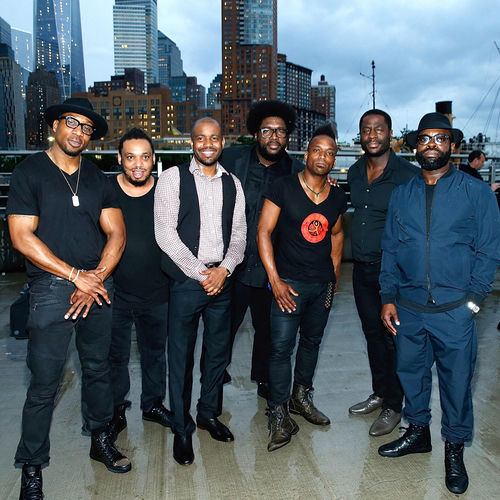
The label also worked with Nas, who released Hip Hop Is Dead (2006), Life Is Good (2012) and other albums, and with The Roots, whose Game Theory (2006), Rising Down (2008), How I Got Over (2010) and undun (2011) combined live instrumentation, rap and musical experimentation.
Def Jam also supported artists including Kanye West, Ludacris, Jeezy and Big Sean, contributing to the diversification of hip-hop and R&B.
In 2014, Universal Music Group dissolved the Island Def Jam Music Group organisation. Def Jam returned to operating as a separate label within the group, distinct from Island and Motown.
2015-2026 — Forty years of history and global development
Def Jam continued working with established performers and new generations. Public Enemy released What You Gonna Do When the Grid Goes Down? (2020), while Nas issued NASIR (2018).
In 2023, the label supported Welcome 2 Collegrove, a collaborative project by 2 Chainz and Lil Wayne. The album followed Def Jam's long tradition of collaborations between hip-hop artists and record companies.
The brand also expanded internationally. Universal Music Group launched Def Jam Africa in 2020, Def Jam India in 2022 and a Swedish division in 2024, the year of the label's fortieth anniversary.
In January 2026, Universal Music Greater China announced the establishment of Def Jam Recordings China in Chengdu, working with local partners. That same year, a North African division based in Casablanca was announced.
These developments continue Def Jam's historical approach: supporting local rap scenes while providing access to broader recording, promotion and distribution resources.
Distinctive Features
A defining role in hip-hop's rise
Def Jam contributed to the commercial recognition of rap during the 1980s. The success of LL Cool J and the Beastie Boys, followed by Public Enemy's albums, helped establish hip-hop as a lasting part of the music industry.
A diverse musical and cultural catalogue
The label brings together very different creative approaches: Public Enemy's social commentary, Method Man's connections to the Wu-Tang Clan, New York rap through Jay-Z and Nas, the instrumental experimentation of The Roots and international pop through Rihanna.
Partnerships with other recording companies
Def Jam's history includes agreements with Roc-A-Fella and other record labels and artist-led companies. These relationships explain why multiple label names may appear on certain releases and should be distinguished from recordings issued exclusively under Def Jam.
International operations
From its New York roots, Def Jam has developed a network of divisions across Africa, Asia and Europe. These operations promote local artists while using Universal Music Group's international infrastructure.
Key Facts
- Founded: 1984, in New York.
- Founders: Rick Rubin and Russell Simmons.
- Early releases: LL Cool J and the Beastie Boys.
- National distribution: agreement with Columbia Records in 1985.
- Landmark album: Licensed to Ill (1986), the first rap album to top the Billboard 200.
- Political rap: Public Enemy, particularly It Takes a Nation of Millions to Hold Us Back (1988).
- Major 1990s artists: Method Man, Redman and Jay-Z.
- Universal integration: following the acquisition of PolyGram in 1998.
- R&B and pop: Rihanna's international development from 2005 onward.
- Jazz-influenced and alternative hip-hop: notably The Roots.
- Restructuring: return to a separate organisation from Island and Motown in 2014.
- Fortieth anniversary: celebrated in 2024.
- Recent expansion: divisions in India, Sweden, China and Africa.
- Status: active record label within Universal Music Group.