Maurice Ravel (1875–1937) was a French composer and a major figure of musical Impressionism and early twentieth-century modernism. His compositions combine formal precision, harmonic richness and exceptional orchestral color, drawing inspiration from Classical traditions, Spanish music and contemporary influences. His output encompasses piano music, symphonic works, ballets and opera. His Boléro, Daphnis et Chloé, La Valse, Gaspard de la nuit and two piano concertos remain among his most celebrated achievements.
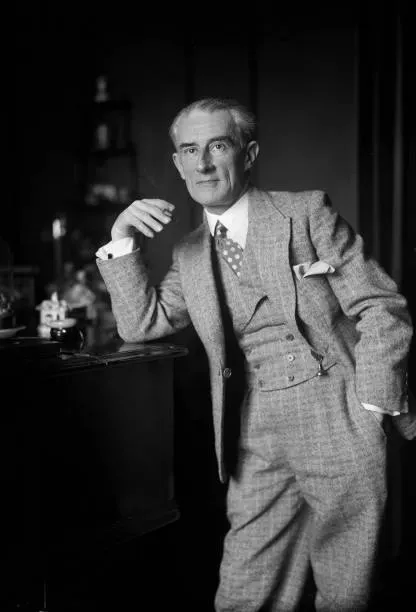
Maurice Ravel
Brilliant orchestral colors, clockwork precision and boundless musical imagination.
Details
- Type
- Music
- Countries
- 🇫🇷 France
- Genres
- Classical, Musical impressionism, Modernism and avant-garde
- Albums
- 3
Synopsis
Maurice Ravel
Glossary terms: Chamber music, Classical music, Composer, Composition, Exposition, Fundamental, Harmonic (overtone), Impressionism, Jazz, Modernity, Opera, Orchestration, Piano, Rhythm, Theme, Timbre, Virtuosity
Trailer
Watch the trailer
Overview
Presentation
Maurice Ravel (1875–1937) was a French composer recognized as one of the leading figures of early twentieth-century European music. Born in Ciboure, in the French Basque Country, he grew up in Paris and entered the Conservatoire in 1889, where he studied under Gabriel Fauré. His distinctive musical language emerged from a combination of Classical refinement, modern harmonic experimentation and influences from Spanish and non-European musical traditions.
Frequently associated with Claude Debussy and musical Impressionism, Ravel distinguished himself through exceptional precision and mastery of orchestration. His compositions encompass piano music, chamber works, symphonic pieces, ballet and opera. Interested in folk traditions as well as jazz, he developed a personal aesthetic combining formal elegance, rhythmic invention and rich instrumental textures.
Key Points
Ravel explored the sonic possibilities of orchestra and piano with particular attention to textures, nuances and instrumental combinations. His piano compositions, including Jeux d'eau, Miroirs and Gaspard de la nuit, demonstrate his harmonic imagination and technical sophistication. His orchestration of Modest Mussorgsky's Pictures at an Exhibition also illustrates his ability to transform piano music into a richly colored orchestral work.
His most famous composition, Boléro, is built around the repetition of a theme and an unchanging rhythmic pattern, gradually intensified through orchestration. The ballet Daphnis et Chloé, La Valse and his two piano concertos reveal other aspects of his musical language, combining choreographic inspiration, virtuosity and modern expression. His opera L'Enfant et les sortilèges, based on a libretto by Colette, further demonstrates his theatrical imagination.
Conclusion
Maurice Ravel holds a fundamental position in the development of French and European music. By combining mastery of Classical forms, harmonic innovation and orchestral experimentation, he established a distinctive musical language that contributed significantly to twentieth-century modernism.
Did You Know?
- Birth: March 7, 1875, in Ciboure; died December 28, 1937, in Paris.
- Education: he studied at the Paris Conservatoire, notably in Gabriel Fauré's composition class.
- Ballet: Daphnis et Chloé, composed for Sergei Diaghilev's Ballets Russes, premiered in 1912.
- Landmark composition: Boléro, composed in 1928 for dancer Ida Rubinstein, became his most widely recognized work.
- Concertos: he composed the Piano Concerto for the Left Hand, intended for pianist Paul Wittgenstein, and the Piano Concerto in G major, both premiered in 1932.
Link graph
Open in the full graphLoading the graph…
Only the strongest links are shown.
View the list ({count})
Discography
Discography (3)

Album
1988
Piano Concertos / Menuet antique / Le Tombeau de Couperin / Fanfare
- Classical
- Contemporary classical
- Musical impressionism


Album
2005
Ravel: Daphnis et Chloé / Debussy: Jeux – Poème dansé
- Classical
- Contemporary classical
- Musical impressionism