After the fall of Azeroth during the First War, the surviving Humans cross the sea to reach the kingdom of Lordaeron. The Orcs decide to conquer these lands in turn, triggering the Second War. Both sides have now gained new allies and additional capabilities, including naval and air units as well as more powerful spellcasters. Initially favoring the Horde, the conflict shifts when the Humans and their allies regain the initiative, partly following a rebellion led by the warlock Gul'dan, who seeks to raise the sunken Tomb of Sargeras. The Alliance eventually pushes the Horde back to Blackrock Spire, where its commander Anduin Lothar is killed. During the final battle around the Dark Portal in Azeroth, the Alliance destroys an Orc clan and captures the Horde's supreme commander along with the forces that remain under his command. Hoping to prevent further invasions, the Alliance then destroys the Dark Portal.
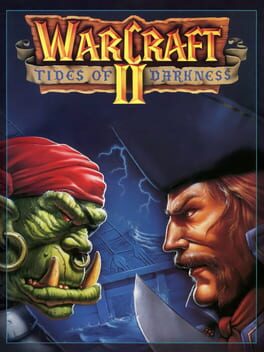
Warcraft II: Tides of Darkness
- Blizzard Entertainment Developer
- Blizzard Entertainment Publisher
The war leaves Azeroth behind and now spreads across land, sea and air.
Details
- Type
- Video game
- Release
- 1995-12-05
- Genres
- Fantasy, Strategy, Real-time strategy
- Platforms
- Mac, DOS
- Game modes
- Single player, Multiplayer
Synopsis
Warcraft II: Tides of Darkness
Trailer
Watch the trailer
Overview
Presentation
Warcraft II: Tides of Darkness directly continues the conflict begun in Warcraft: Orcs & Humans. After the fall of Azeroth, the war reaches the kingdom of Lordaeron and takes on a much greater scale. Humans and Orcs no longer fight alone: both sides gather several allied peoples, expanding both the Warcraft universe and the variety of forces present on the battlefield.
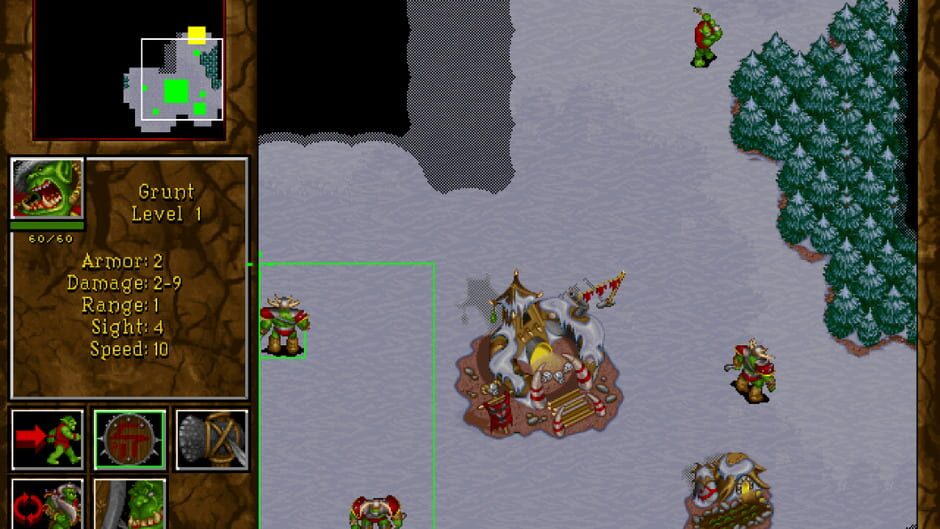
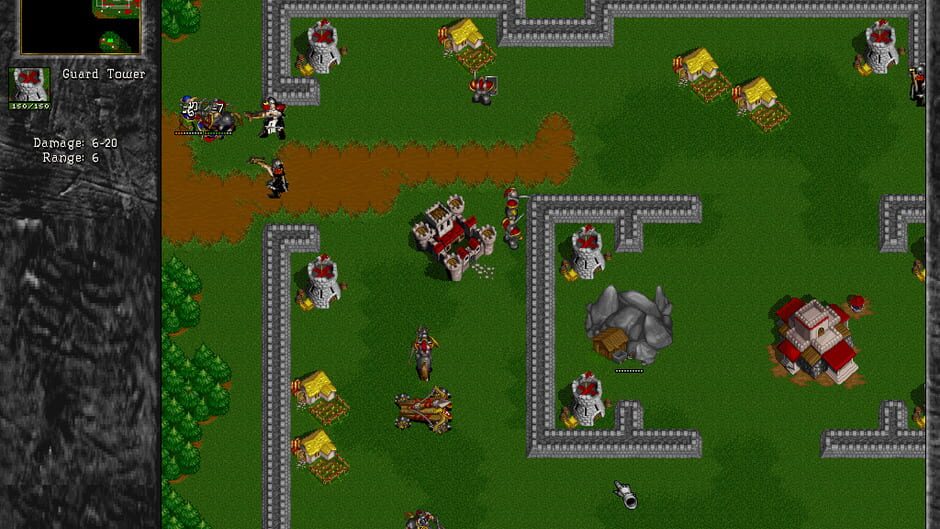
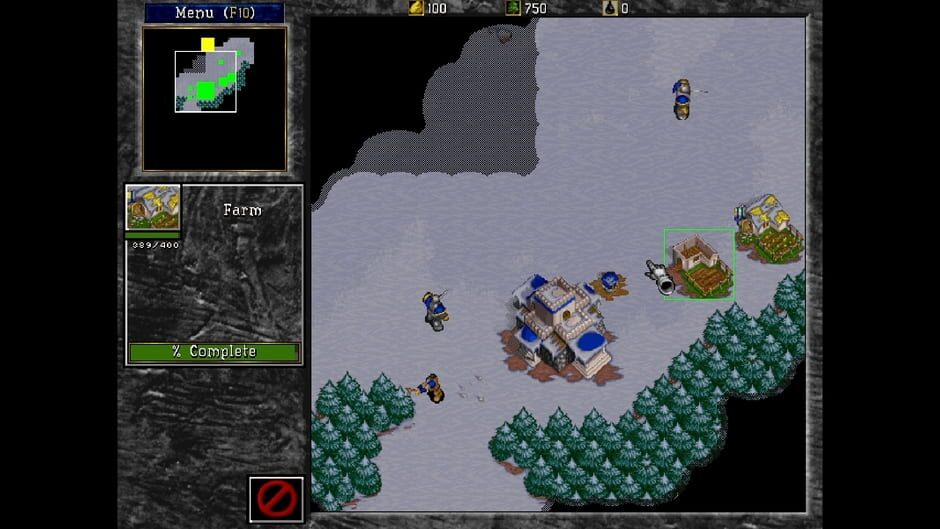
The game retains the real-time strategy foundations of the first entry, built around gathering resources, constructing a base and producing units, but develops the formula considerably. Gold and lumber remain essential to the economy, while oil becomes a third resource mainly tied to the development of naval forces. Exploiting it requires expanding operations into maritime areas, building platforms and organizing the transport of the resource back to coastal facilities.
This move toward naval warfare is one of the episode's major developments. Land armies are now joined by transport and combat vessels, while air units can operate above obstacles and provide a different way of observing the battlefield. Some maps therefore combine several theaters of war and require players to coordinate movements across land, sea and air rather than concentrating their entire strategy on a single front.
Both factions feature buildings and units with broadly comparable roles, while preserving their own identity, particularly through advanced units and magical abilities. Base development also follows a more structured progression: certain buildings can be upgraded, new structures become necessary to access more powerful units, and several improvements allow players to strengthen their forces over time.
The interface evolves as well. Multiple units can now be selected at the same time, making group movement and coordinated attacks easier to manage. The fog of war also changes how the battlefield is read: previously explored areas remain visible, but enemy movements are no longer known when no allied unit is able to observe them. Exploration alone is therefore no longer enough to maintain permanent knowledge of the situation.
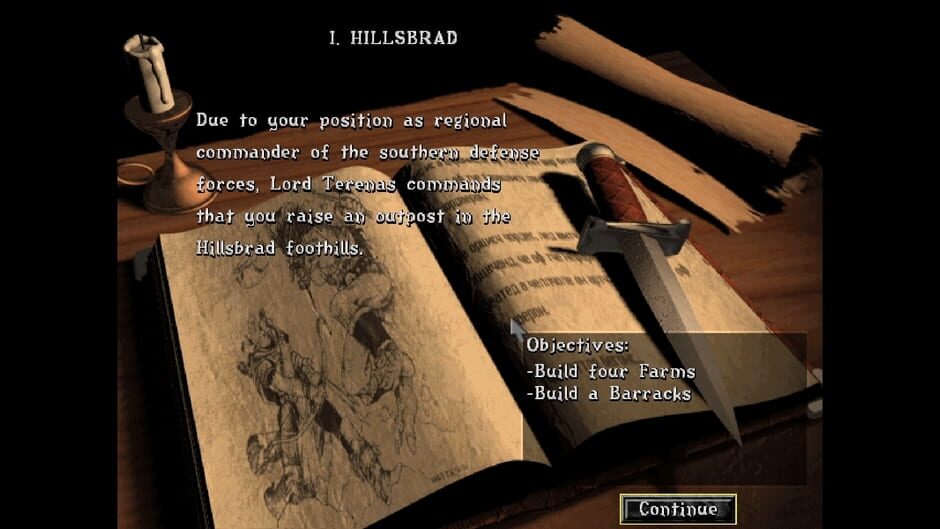
The campaigns feature missions of increasing difficulty that do not all revolve around systematically destroying an enemy base. Some require players to rescue forces, protect or escort characters, or control specific positions. Maps focused heavily on either land or naval warfare also change the economic and military priorities from one scenario to another.
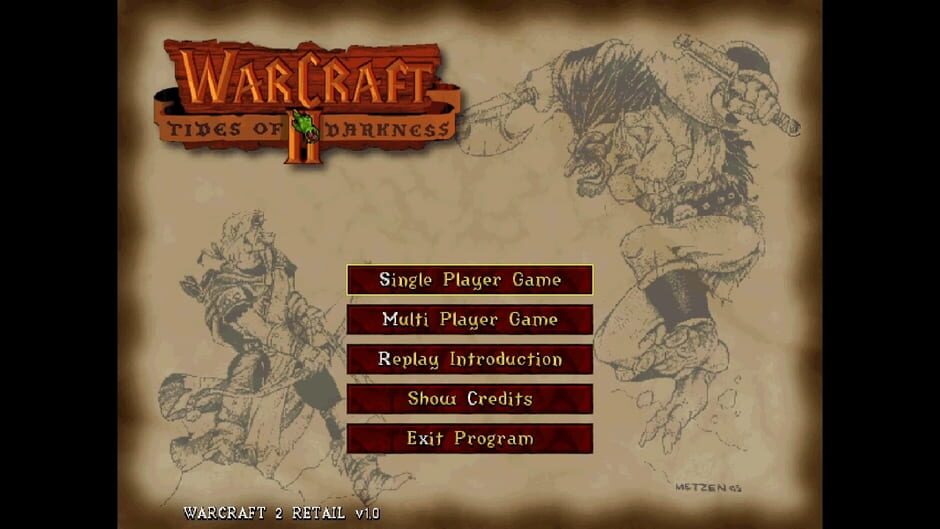
Outside the campaigns, Warcraft II: Tides of Darkness allows players to face the artificial intelligence or other players. A map editor is also included, allowing new battlefields to be created for custom matches.
Key points
- The conflict between Humans and Orcs expands with the arrival of new allied peoples on both sides.
- Battles now take place on land, at sea and in the air.
- Oil joins gold and lumber as a resource to manage and plays a central role in naval development.
- Buildings, units and upgrades provide greater depth to base development.
- Multiple units can be selected and commanded simultaneously.
- The fog of war hides enemy forces located outside the player's field of vision.
- The campaigns alternate between destroying the enemy and completing more specific objectives.
- The game includes single-player and multiplayer modes as well as a map editor.
Conclusion
Warcraft II: Tides of Darkness retains the foundations established by its predecessor while giving the formula a significantly greater scope. The introduction of naval and air combat, oil, fog of war and more developed management of units and buildings considerably expands the strategic possibilities available on the battlefield.
The evolution also concerns the universe itself. The conflict is no longer limited to the initial confrontation between Humans and Orcs: new peoples join both sides and the war spreads to new territories. This second entry therefore moves Warcraft from a relatively direct initial confrontation toward a broader conflict, supported by a real-time strategy system that is itself substantially more developed.
Good to know
Warcraft II: Tides of Darkness was developed and published by Blizzard Entertainment and released in 1995.
The title is available on DOS and Mac and includes single-player and multiplayer modes.
Among its developments compared with Warcraft: Orcs & Humans are the introduction of naval and air units, oil, fog of war and the ability to select several units simultaneously.
It is also known under several names, including WC2, WarCraft II: Tides of Darkness, Warcraft 2: Tides of Darkness and Warcraft Chapter 2.
This entry covers Warcraft II: Tides of Darkness itself, not its expansion Beyond the Dark Portal or later editions combining different content.