Presentation
Breath of the Wild begins by giving Link a direction, then spends much of its time showing that he does not have to follow it immediately.
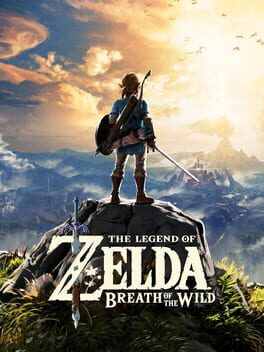
From the Great Plateau, almost all of Hyrule stretches out before the player. A mountain visible in the distance can become a destination. A tower can help reveal the shape of a region. Smoke rising beyond a hill may indicate a camp, a character or simply something strange enough to justify a detour.
That curiosity becomes the true engine of exploration.
Link can climb most surfaces as long as his stamina allows it. This ability fundamentally changes the relationship with terrain. A cliff is no longer necessarily a wall forcing the player to search for an entrance intended by the designers: it can become a route if enough stamina is available, intermediate footholds can be found or the player is willing to take the risk.
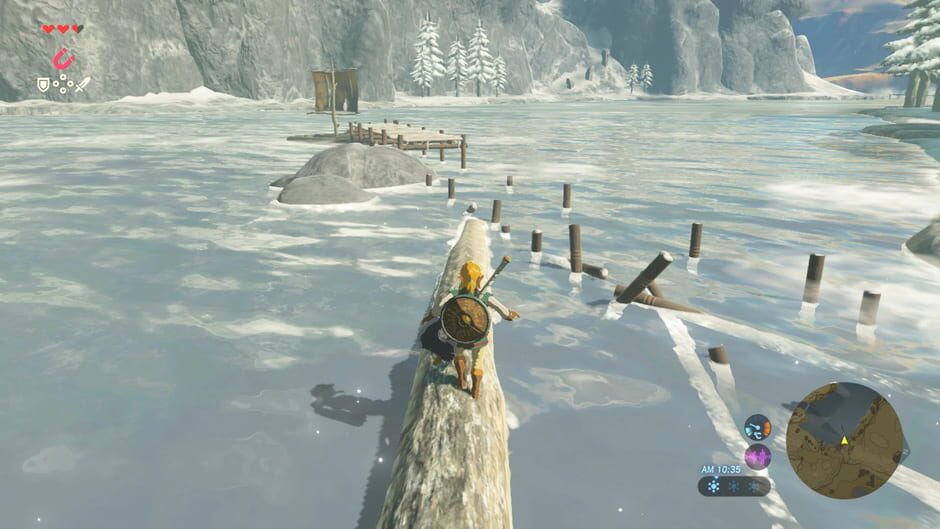
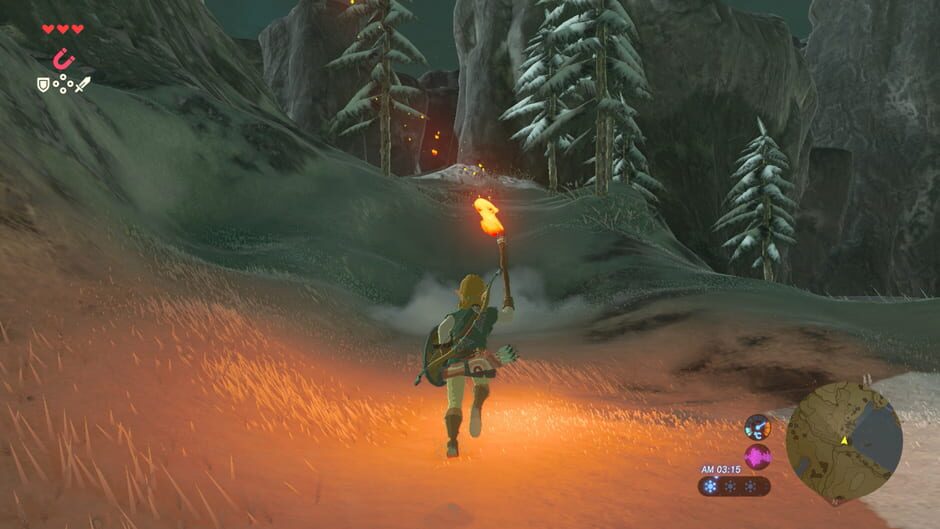
Climate and weather complicate that freedom. Rain makes some surfaces difficult to climb, extreme cold and heat require appropriate protection, while thunderstorms can make metallic equipment dangerous. Hyrule is therefore not simply a space to cross; its conditions directly influence how travel works.
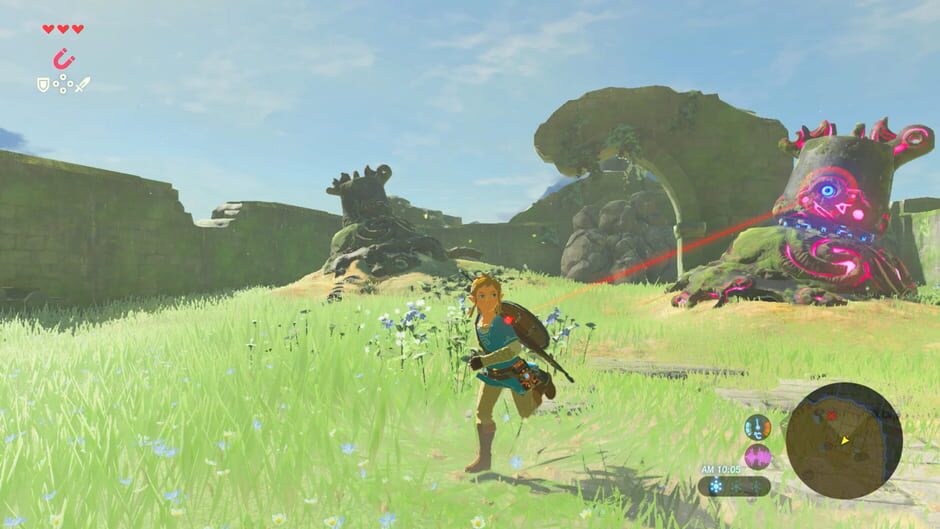
The Sheikah Slate adds another form of freedom. Very early on, Link obtains several runes capable of interacting with the environment. Magnesis, Remote Bombs, Cryonis and Stasis do not serve only to solve specific puzzles. They can also be used during exploration and sometimes diverted from their most obvious purpose.
This is one of the game’s essential ideas: several systems continue to exist outside the situation for which they appear to have been designed.
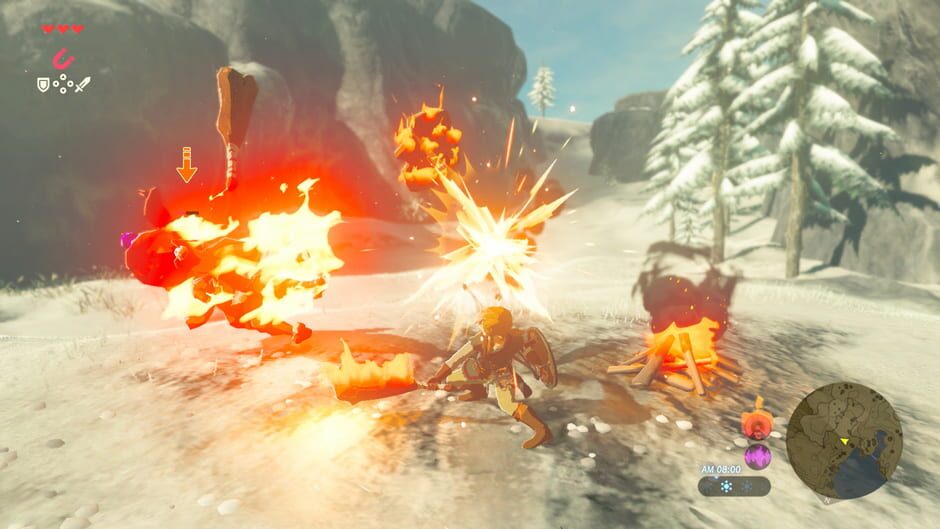
A metallic object remains affected by Magnesis because it is made of metal, not only because a puzzle expects that solution. Fire burns certain materials, creates updrafts and allows food to be cooked. Wind can carry the paraglider. Electricity spreads according to the objects and conditions surrounding Link.
Physics therefore becomes part of the game’s language.
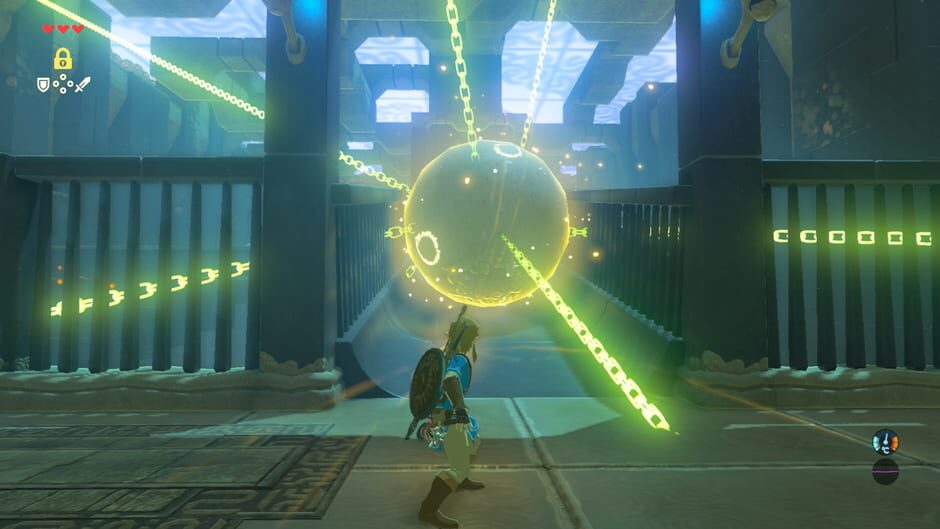
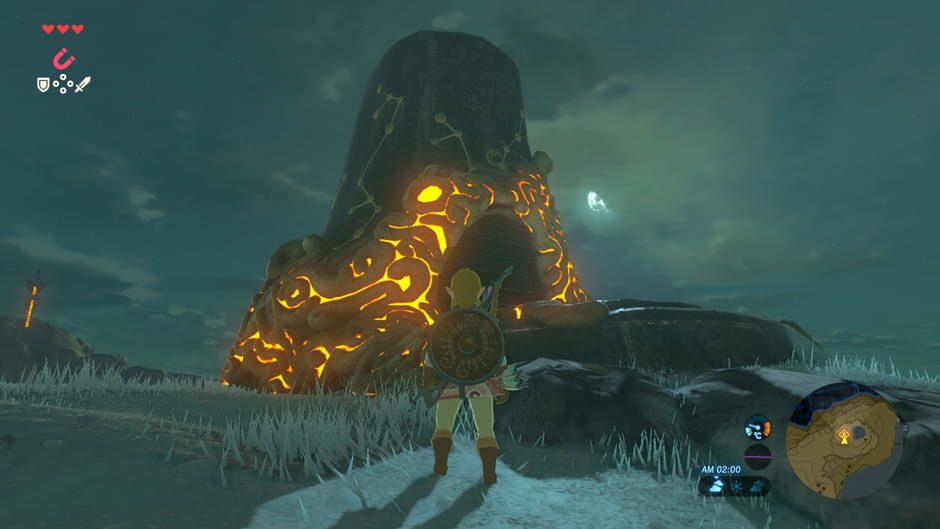
Shrines make particularly strong use of this logic. Scattered throughout Hyrule, they offer generally short trials built around observation, Slate abilities, combat or environmental manipulation. Completing them rewards Spirit Orbs that can be exchanged to increase Link’s hearts or stamina.
Unlike the large traditional dungeons that strongly structured several previous entries, Breath of the Wild disperses much of its puzzle design throughout the world. Shrines may appear directly in the landscape or require the player to understand an external riddle before they can even be entered.
The four Divine Beasts are the largest structures tied to the main quest. Each is connected to one of Hyrule’s peoples and to one of the former Champions who fought beside Link and Zelda a century earlier.
Freeing these machines helps weaken the threat hanging over Hyrule, but the game retains considerable flexibility in the order in which they can be approached. Once the opening stages are complete, the player can spend dozens of hours exploring or move much more directly toward the final objective.
Combat follows the same philosophy of adaptation.
Link can use swords, spears, heavy weapons, bows and shields found directly in the world. Most of these weapons eventually break. The system prevents the player from keeping one favorite solution indefinitely and encourages the use of whatever the terrain and enemies provide.
This fragility can be frustrating, but it belongs to a broader logic: the inventory is meant to evolve with the journey. A powerful weapon is a resource before it is a permanent possession.
Combat does not rely only on the strength of equipment. A well-timed dodge can open a window for a rapid counterattack, a successful parry can send certain projectiles back, and the environment itself often provides opportunities. A cliff, an explosive barrel, a metallic structure or enemies gathered around a fire can completely change the way a camp is approached.
Food and elixirs extend this preparation. Ingredients gathered in the wild can be cooked to restore health or temporarily provide different effects: resistance to cold, increased defense, improved stamina or other advantages suited to the situation.
Travel therefore becomes a succession of small improvised preparations. Before crossing a snowy mountain, temperature must be considered. Before climbing a long wall, available stamina matters. Before facing a powerful group, it is worth checking weapons, meals and terrain.
This attention to the world also explains the limited use of permanent guidance. Towers reveal regional maps, but they do not automatically fill them with a multitude of objectives. The player must look, mark what seems interesting and gradually build their own understanding of Hyrule.
Even the storytelling adapts to this structure.
Much of Link and Zelda’s past appears through memories scattered across the kingdom. Photographs provide visual clues and invite the player to locate the places they depict. Reconstructing the story therefore once again requires looking carefully at the landscape.
Silence and empty spaces take on particular importance. Hyrule bears the traces of a destroyed civilization, but it is not dead. Villages, stables, travelers, animals and peoples such as the Zora, Gorons, Rito and Gerudo continue to live there.
Breath of the Wild does not simply present a kingdom that must be saved. It first gives the player enough freedom to learn what that kingdom actually is.
What to remember
- An adventure set in a Hyrule devastated by Calamity Ganon, one hundred years after the defeat of Link and the kingdom’s forces.
- A vast open world built around free exploration, climbing and direct observation of the landscape.
- A Sheikah Slate providing several abilities capable of interacting with physics and the environment.
- Shrines scattered throughout Hyrule, offering puzzles, battles and trials that allow Link’s hearts or stamina to be increased.
- Four Divine Beasts connected to the former Champions and the main stages of the fight against Ganon.
- Weapons that wear out and break, encouraging constant adaptation of equipment and combat methods.
- A highly open progression system in which the player largely decides the order of objectives, detours and time spent exploring.
Conclusion
Breath of the Wild rarely feels as though it is asking: “Did you find the intended solution?”
Instead, it asks: “Does your idea work?”
That difference seems tiny, but it changes the adventure profoundly.
Climbing a mountain simply because it is there, crossing a ravine in an improbable way or discovering that a system can be used differently from what was expected creates a feeling that is difficult to achieve when every problem has only one answer.
Not all of these systems are equally comfortable. Weapon durability can become tiring, some areas of the world are deliberately very spread out and the Shrines do not always replace the architectural richness of the series’ traditional large dungeons.
But that dispersion serves a different project.
Hyrule is no longer simply what separates two important stages. The journey itself becomes one of those important stages.
A detour can lead to a Shrine. The Shrine can reveal an interesting mountain. That mountain can provide a view of an island that becomes the next destination. No quest necessarily asked the player to go there.
That is where Breath of the Wild finds its most convincing freedom. It does not come only from the size of its map or the number of accessible places. It comes from the trust placed in the player to decide what deserves attention.
Link awakens without memories in a kingdom he once knew.
The player, however, does not know it yet.
For much of the adventure, they therefore learn Hyrule in the same way: by looking into the distance, choosing a direction and going to see what is there.
Good to know
- The Legend of Zelda: Breath of the Wild was developed by Nintendo and belongs to The Legend of Zelda series.
- The game was released on March 3, 2017, for Nintendo Switch and Wii U.
- Link awakens inside the Shrine of Resurrection after a hundred-year sleep, having lost much of his memory.
- Princess Zelda holds Calamity Ganon within Hyrule Castle while Link travels across the kingdom to recover his strength and his past.
- More than one hundred Shrines are scattered across Hyrule; the main game contains 120.
- The Sheikah Slate serves notably as a map and provides several runes used to interact with the environment.
- Breath of the Wild favors a largely open progression and allows players to explore Hyrule in the order they choose after the opening stages of the adventure.