Overview
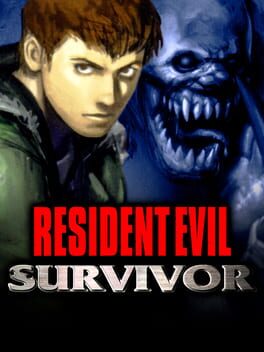
Developed by Tose and published by Eidos Interactive and Capcom, Resident Evil Survivor is a video game released on January 27, 2000. The platforms listed in this entry are PlayStation and PC. The associated genres are action, horror, FPS, puzzle and survival. The specified game mode is Single player.
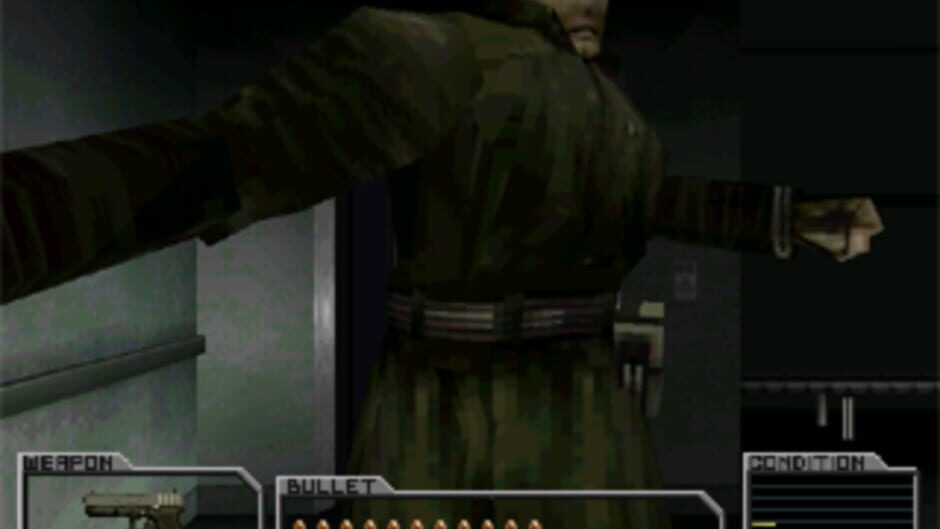
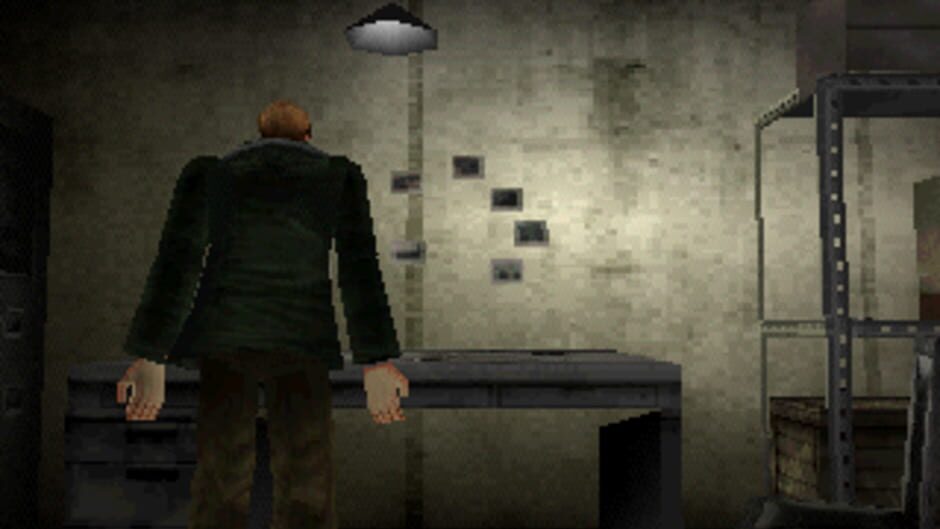
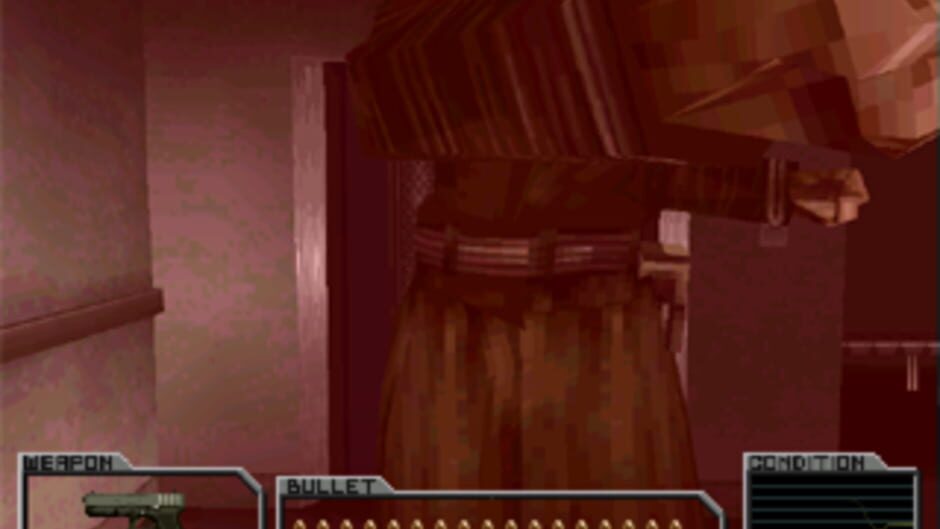
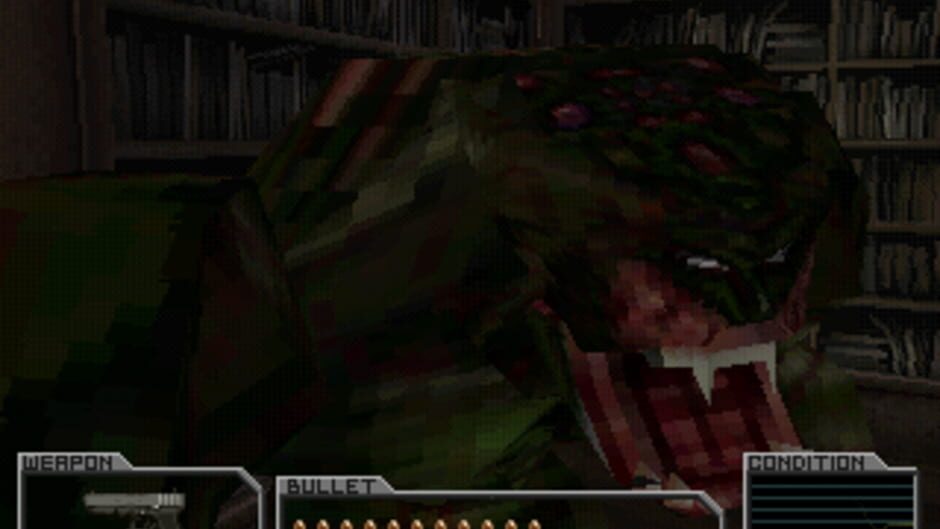
The game represents a significant variation on the formula used by the early Resident Evil titles by adopting a first-person perspective. Environments are explored directly through the character’s viewpoint, abandoning the fixed camera angles and pre-rendered backgrounds characteristic of the main entries from this period.
Resident Evil Survivor does not, however, function as a completely on-rails shooter. The player retains control over movement, can explore the different areas, pass through doors and choose certain routes before switching into a shooting situation when an enemy appears.
When entering combat, the player brings up an on-screen reticle that can be moved within the character’s field of view. This structure therefore separates movement and aiming while keeping the entire experience in first person.
The arsenal includes several handguns with unlimited ammunition, joined by more powerful weapons whose ammunition is limited. Weapon management therefore maintains a distinction between equipment that can be used freely and rarer offensive resources.
The game also retains an inventory similar to those of other entries in the series. The player can manage weapons, ammunition, herbs, first aid sprays, keys, documents and various items required for progression.
Exploration therefore includes searching for keys and items that provide access to new areas. Puzzle elements remain tied to progression through the environments and the use of discovered items rather than to a succession of combat encounters alone.
One important feature of Survivor lies in its branching routes. At several points, the player can choose between different doors or directions leading to different areas.
These routes eventually reconnect at certain shared points, but a single playthrough does not necessarily allow every available area to be explored. Replaying the game and choosing other paths can therefore reveal different environments, items or documents.
Enemies include several creatures already associated with Resident Evil, notably zombies, Lickers, Hunters and various bio-organic weapons. Their presence adapts the series’ traditional encounters to the first-person aiming system.
On PlayStation, the Japanese and European versions are also compatible with the GunCon, known as the G-Con 45 in Europe. The player can then aim directly at the screen with the peripheral while using its buttons to control movement.
This compatibility turns Resident Evil Survivor into a mixture of light-gun shooting and free exploration, since the character is not automatically moved along a predetermined route. The North American PlayStation version does not include this light-gun support.
Resident Evil Survivor therefore transposes several familiar elements of the series — inventory, healing items, weapons, exploration and creatures — into a first-person structure. Its branching paths also add multiple routes to a progression system that retains shared convergence points.
Key takeaways
- Resident Evil Survivor adopts a first-person perspective instead of the fixed cameras used in the early entries.
- The player can move freely through the environments rather than following a completely on-rails route.
- Combat uses an on-screen reticle to target enemies from the character’s perspective.
- Several handguns have unlimited ammunition, while more powerful weapons use limited resources.
- The inventory allows the player to manage weapons, ammunition, healing items, keys, documents and progression items.
- Several sections offer branching routes leading through different areas before reconnecting at shared points.
- The Japanese and European PlayStation versions support the GunCon / G-Con 45.
- The game therefore combines free exploration, first-person shooting and progression elements derived from Resident Evil.
Conclusion
Resident Evil Survivor transposes the Resident Evil structure into a first-person perspective where the player retains control over movement and switches to shooting when encountering a threat.
Weapons, ammunition, healing items, keys and documents maintain inventory management tied to exploration, while the different weapon categories introduce a distinction between unlimited ammunition and more restricted resources.
Branching paths allow different areas to be explored depending on the choices made and give multiple playthroughs the possibility of following distinct routes.
GunCon compatibility in the Japanese and European PlayStation versions completes this structure by combining light-gun aiming with free movement through the environments.
Good to know
- Resident Evil Survivor was released on January 27, 2000.
- The game was developed by Tose and published by Eidos Interactive and Capcom.
- The platforms listed in this entry are PlayStation and PC.
- The associated genres are action, horror, FPS, puzzle and survival.
- The specified game mode is Single player.
- The game uses a first-person perspective with free movement.
- Several sections feature branching routes that allow different areas to be explored.
- The Japanese and European PlayStation versions are compatible with the GunCon / G-Con 45.