Overview
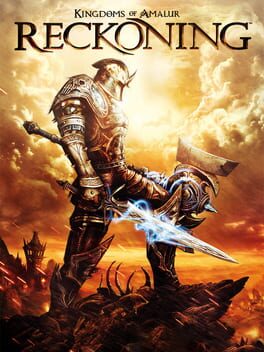
Developed by 38 Studios and Big Huge Games, and published by Electronic Arts and 38 Studios, Kingdoms of Amalur: Reckoning is a video game released on February 7, 2012. The platforms listed in this entry are PlayStation 3, PC and Xbox 360. The associated genres are action, fantasy, RPG and hack-and-slash. The specified game mode is Single player.
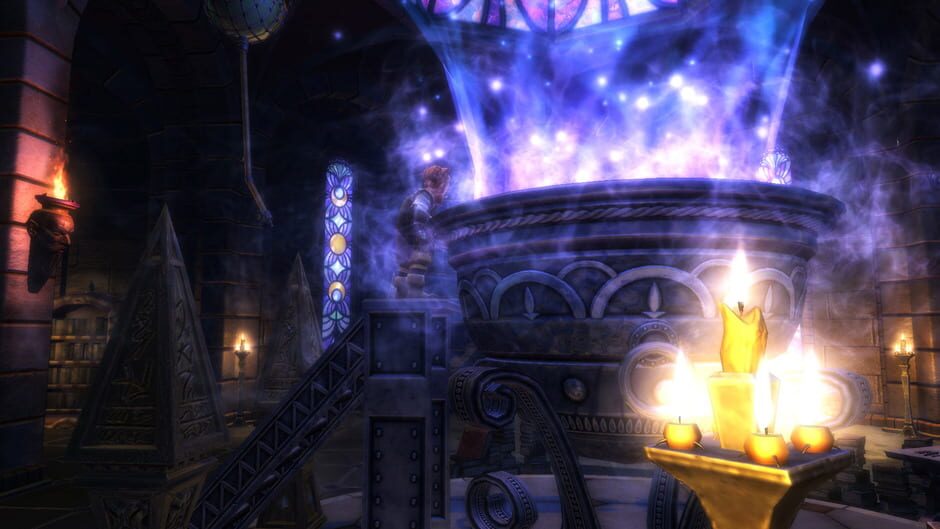
The game takes the form of a third-person action RPG centered on exploring the Faelands, with different regions, cities, dungeons and secondary areas connected to a structure of main quests, faction quests and side missions.
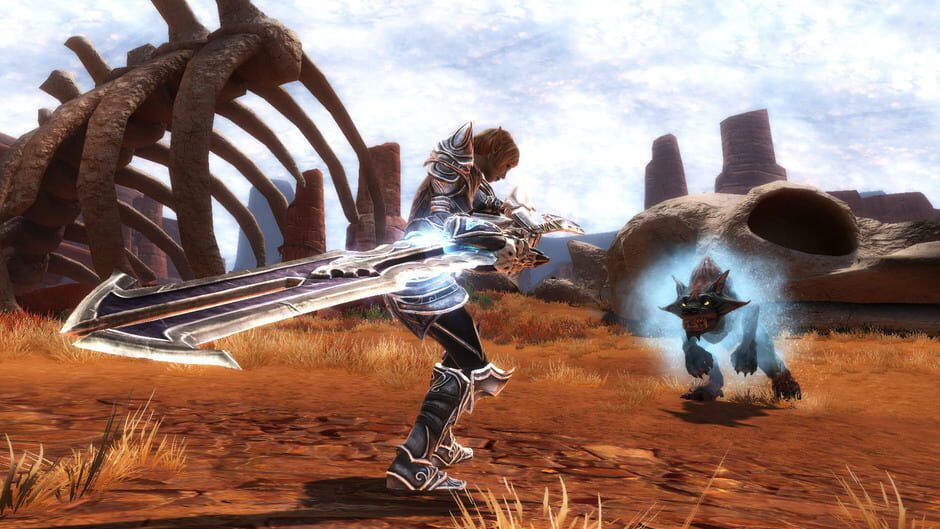
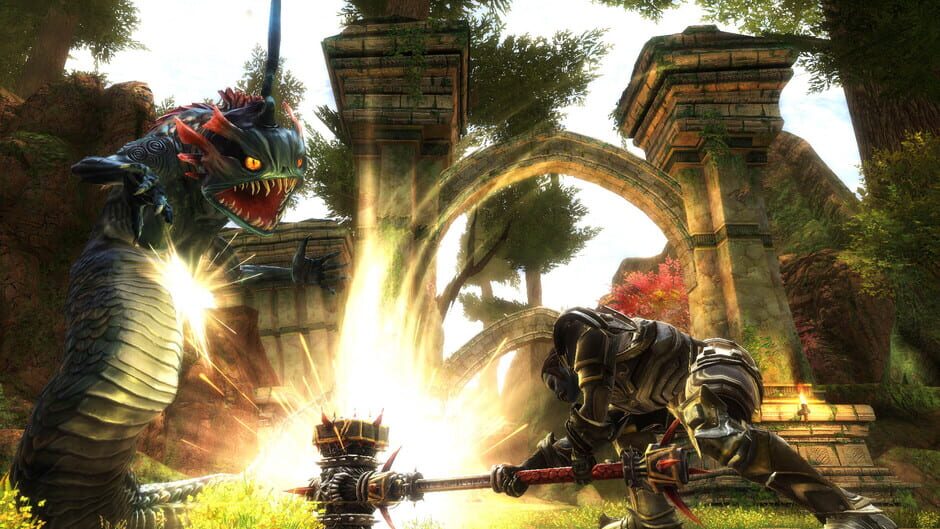
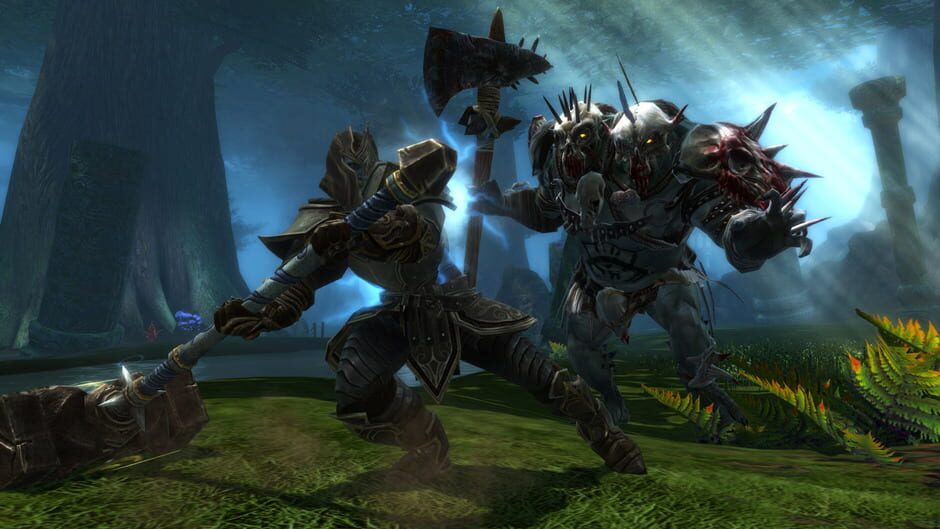
Combat is based on a fluid combination of physical attacks, abilities and magic. The character can equip a primary weapon and a secondary weapon and switch between them during encounters to chain different techniques together.
The arsenal notably includes longswords, greatswords, hammers, daggers, faeblades, longbows, staves, sceptres and chakrams. These weapons have different speeds, damage types and properties that directly influence how they are handled.
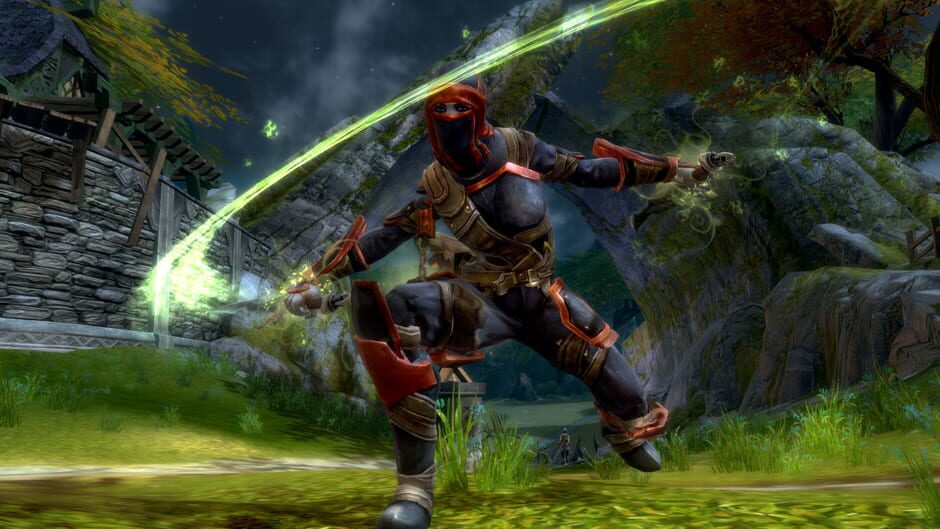
Ability progression is organized around the Might, Finesse and Sorcery branches. Might favors melee approaches and resilience, Finesse notably develops techniques associated with a rogue-style approach, while Sorcery focuses on magic.
These branches do not function as permanently locked classes. The player can distribute points across several paths and build hybrid configurations combining close-range combat, ranged attacks, stealth and magical abilities.
The Destinies system complements this progression. Destinies grant different bonuses depending on how ability points have been distributed and gradually evolve alongside character development.
Fateweavers also allow skills and abilities to be reset so that points can be redistributed. The player can therefore substantially change their build without having to start a new character.
Combat also includes a mechanic tied to Fate energy. Fighting and using certain abilities fills this resource, which can then activate Reckoning Mode, opening access to Fateshifts, finishing attacks directly linked to the destiny system.
Customization extends beyond combat abilities alone. Several general skills develop functions such as alchemy, blacksmithing, detecting hidden elements, lockpicking, persuasion, mercantile, Sagecraft or stealth.
Alchemy allows potions to be created from reagents and recipes. Blacksmithing is used to dismantle weapons and armor to recover their components and then craft new equipment.
Sagecraft is based on creating gems from shards found during exploration. These gems can then be inserted into certain weapons or pieces of armor to provide additional effects.
Equipment therefore contributes directly to character building. Weapons, armor, accessories and items of different rarities can modify statistics or abilities, while some sets strengthen their effects when several matching pieces are equipped.
The quest structure also includes several factions, among them House of Ballads, House of Sorrows, Scholia Arcana, Travelers and Warsworn. Their questlines are added to the main story and the side activities scattered throughout the Faelands.
Kingdoms of Amalur: Reckoning therefore structures its progression around considerable build flexibility: weapons, ability branches, Destinies, non-combat skills and crafting can be combined and then reorganized to gradually adapt the character to the chosen playstyle.
Key takeaways
- Kingdoms of Amalur: Reckoning is a third-person action RPG built around exploring the Faelands.
- Combat allows melee weapons, ranged weapons and magic to be combined within the same encounters.
- Abilities are divided between Might, Finesse and Sorcery, with the possibility of creating specialized or hybrid configurations.
- The Destinies system grants bonuses based on character development and evolves alongside progression.
- Fateweavers allow skills and abilities to be reset and redistributed.
- Fate energy provides access to Reckoning Mode and Fateshifts during combat.
- Alchemy, blacksmithing and Sagecraft allow players to craft potions, equipment and gems.
- Progression also includes faction quests, general skills, equipment and exploration of secondary areas.
Conclusion
Kingdoms of Amalur: Reckoning combines action combat based on chaining weapons and magic with RPG progression designed to remain highly flexible.
The Might, Finesse and Sorcery branches determine the available abilities, while the Destinies system turns their distribution into bonuses suited to different character paths.
Fateweavers also allow this progression to be rebuilt, while alchemy, blacksmithing, Sagecraft and other skills extend customization beyond combat.
Exploration, quests, equipment and crafting therefore complete a structure in which the character can develop toward specialized configurations or combine several approaches over the course of the adventure.
Good to know
- Kingdoms of Amalur: Reckoning was released on February 7, 2012.
- The game was developed by 38 Studios and Big Huge Games, and published by Electronic Arts and 38 Studios.
- The platforms listed in this entry are PlayStation 3, PC and Xbox 360.
- The associated genres are action, fantasy, RPG and hack-and-slash.
- The specified game mode is Single player.
- The progression system notably relies on Might, Finesse, Sorcery and Destinies.
- Combat allows players to switch between a primary and secondary weapon and integrate magical abilities into attack chains.
- Crafting notably includes alchemy, blacksmithing and Sagecraft.