Presentation
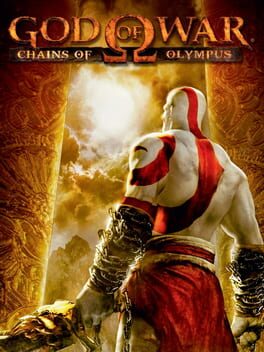
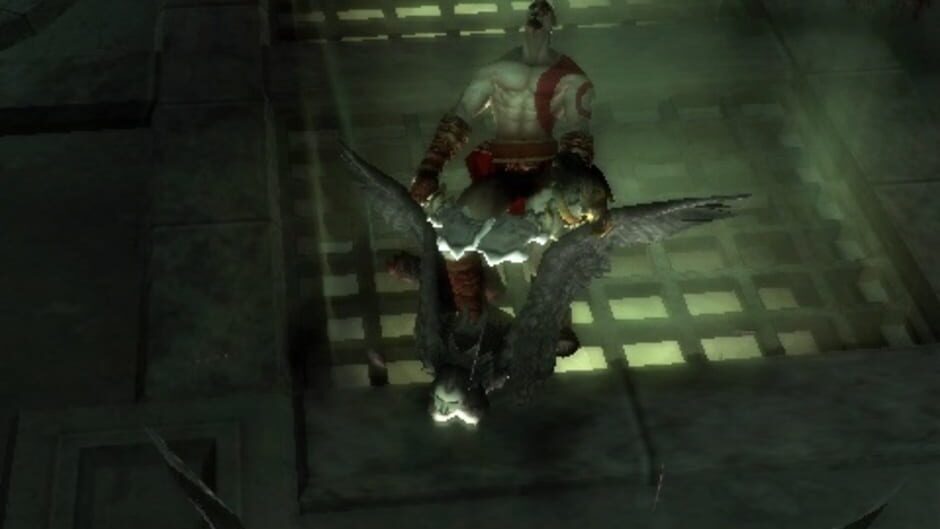
Developed primarily by Ready at Dawn in collaboration with Santa Monica Studio and published by Sony Computer Entertainment, God of War: Chains of Olympus was released for PlayStation Portable in 2008. Ru Weerasuriya served as both game director and creative director, while Marc Turndorf directed production at Ready at Dawn. The game marks the first appearance of the God of War series on a handheld console.
Although it was released after God of War II, Chains of Olympus takes place before the first God of War. Kratos has not yet become the God of War and is still carrying out missions imposed by Olympus during the years following his commitment to the gods. This chronological position allows the game to explore a period mentioned in the first installment but previously given little development.
The adventure begins during the Persian attack on Attica, where Kratos fights the forces besieging the city. The human conflict soon gives way to a threat of a different nature when the Sun disappears and Morpheus' influence begins spreading across the world. Finding Helios becomes the main thread of a journey that gradually takes Kratos far beyond mortal battlefields.
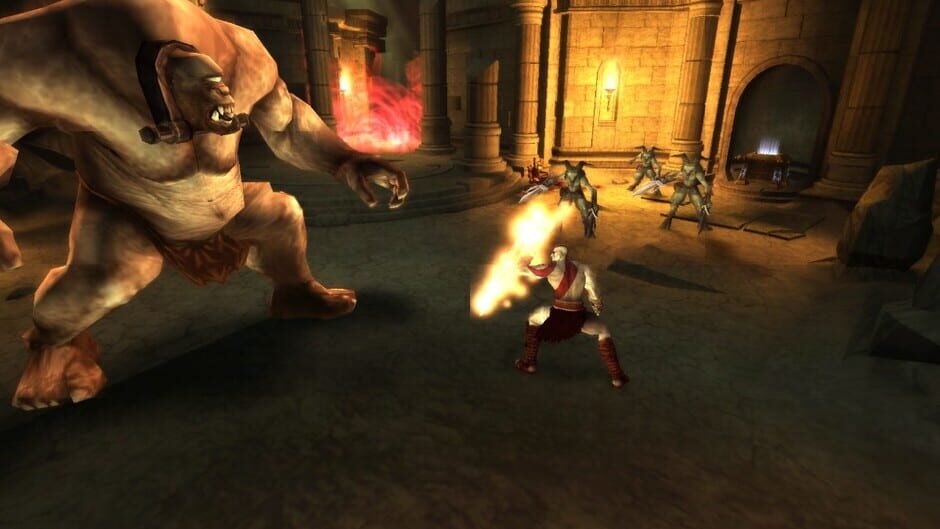
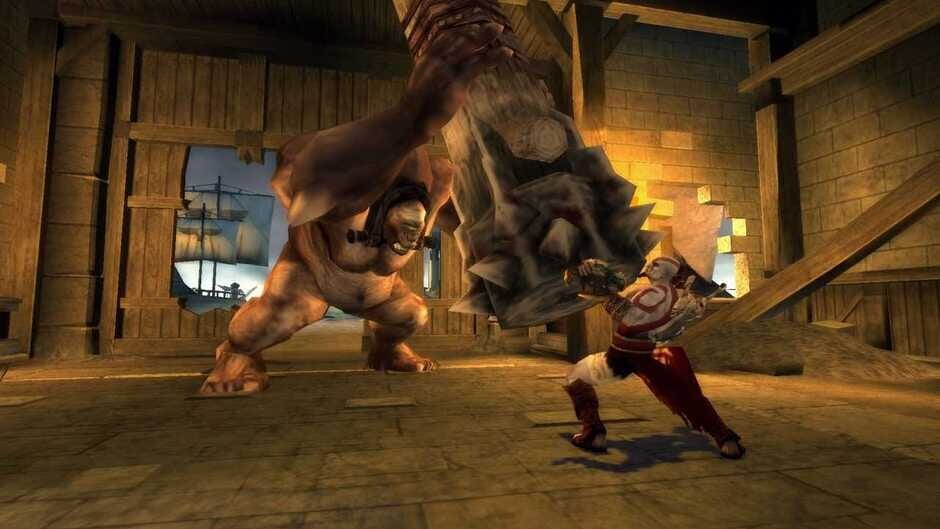
Chains of Olympus retains the combat system established on PlayStation 2. The Blades of Chaos remain Kratos' primary weapons and allow players to combine quick attacks, powerful strikes and movements capable of hitting multiple enemies. Red orbs collected throughout the adventure are once again used to upgrade weapons and available powers.
The Gauntlet of Zeus provides a second weapon with a very different style. Slower than the Blades of Chaos, it emphasizes powerful impacts and can break certain defenses or environmental objects. Players can therefore alternate between the reach and fluidity of the blades and an approach built more heavily around raw strength.
Kratos also obtains several magical powers unique to this installment. Efreet unleashes an area attack around the character, Light of Dawn provides a ranged energy attack and Charon's Wrath offers another way of controlling groups of enemies. These abilities can be upgraded and complement the options provided by physical weapons.
The Sun Shield is used both in combat and in certain environmental situations. It can notably block or reflect specific attacks when activated at the correct moment. As in God of War II, several pieces of equipment therefore serve more than one purpose and also participate in puzzles or progression.
The move to PSP nevertheless requires an adaptation of the controls. The system has only one analog stick and fewer buttons than the PlayStation 2, forcing Ready at Dawn to redistribute several actions without removing dodging, combos and the movements associated with Kratos. Despite these limitations, combat retains a pace very close to that of the console installments.
Platforming and puzzles also remain important. Players climb, move mechanisms, use different objects and cross environments ranging from temples and ruins to caves and regions connected to the land of the dead. The camera remains controlled by the game in order to emphasize the scenery while guiding the reading of traversal sections.
Quick Time Events return during several battles and spectacular sequences. They are notably used to finish certain creatures or accompany actions that the standard combat system does not directly represent. The game therefore preserves the highly choreographed presentation that had already become one of the signatures of the series.
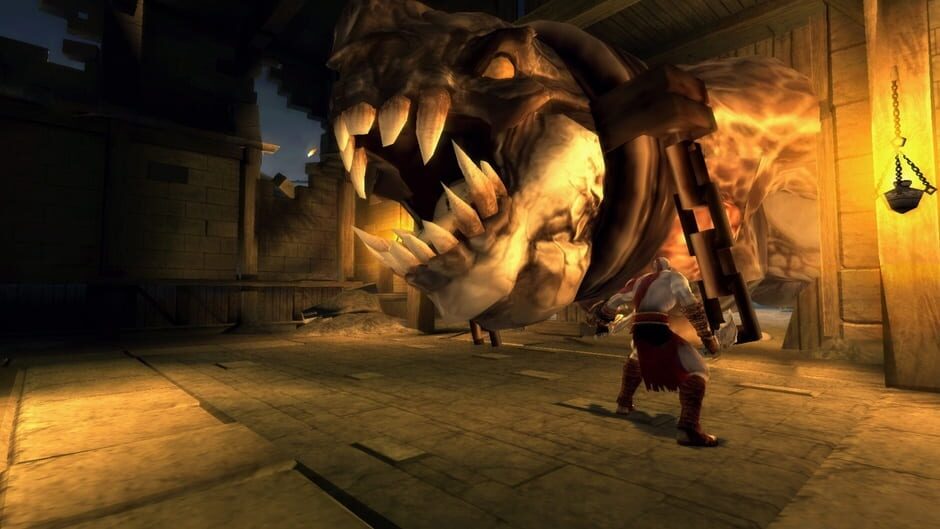
Chains of Olympus stands out above all for the way it adapts the scale of God of War to portable hardware. Ready at Dawn retains frequent battles, large creatures, mythological panoramas and cinematic transitions while building a more compact adventure than the PlayStation 2 installments.
The story also benefits from its position as a prequel to deepen Kratos without altering the known trajectory of the series. His service to Olympus already appears as a relationship based on obedience, debt and the hope of personal release. Chains of Olympus therefore presents a character who still fights for the gods while making the reasons for his eventual break with them increasingly understandable.
What to remember
- A prequel to the first God of War, set during the years when Kratos still carries out missions for the gods of Olympus.
- The series' first appearance on PlayStation Portable, developed primarily by Ready at Dawn in collaboration with Santa Monica Studio.
- The Blades of Chaos remaining at the center of combat, joined by the powerful Gauntlet of Zeus and several new magical abilities.
- A story built around the disappearance of Helios and the spread of Morpheus' influence across a world deprived of sunlight.
- An adaptation of combat, dodging, puzzles and spectacular sequences to the PSP's more limited control scheme without abandoning the formula of the PlayStation 2 games.
- An installment that expands the years of Kratos' servitude and his relationship with the gods before the events that will lead to his confrontation with Olympus.
Conclusion
God of War: Chains of Olympus succeeds primarily because it preserves the identity of the series despite the transition to a handheld console. The Blades of Chaos, combos, magical powers, puzzles and large staged sequences remain present but are adapted to hardware and controls more restrictive than those of the PlayStation 2.
The Gauntlet of Zeus and new powers prevent the adventure from merely reproducing the arsenal of the previous games. Their different functions provide additional options during combat and certain exploration sections while retaining the familiar progression system built around red orbs.
The more compact structure also suits the portable format without removing the variety that defines God of War. Battles are regularly interrupted by puzzles, platforming and sequences designed to emphasize the scale of the environments or creatures encountered.
Its chronological position finally gives the game a distinctive role within the saga. Kratos still serves Olympus and continues to hope that the gods will end his suffering even though players already know where their relationship is heading. This tension allows the character to be developed without simply repeating the revenge story of the first installment.
Chains of Olympus therefore works as a genuine entry in the series rather than a reduced portable version of God of War. Its importance comes both from Ready at Dawn's technical adaptation and from the way it fills in a still underexplored period of Kratos' past.
Good to know
- God of War: Chains of Olympus was developed primarily by Ready at Dawn, in collaboration with Santa Monica Studio, and published by Sony Computer Entertainment.
- Ru Weerasuriya served as Game Director and Creative Director, while Marc Turndorf was Director of Production at Ready at Dawn.
- The game was released for PlayStation Portable on March 4, 2008 in North America and on March 28, 2008 in Europe.
- Chains of Olympus is a prequel to the 2005 God of War and takes place during the years when Kratos still serves the gods of Olympus.
- It is the first God of War developed for a handheld console and Ready at Dawn's first contribution to the series.
- The game was remastered alongside God of War: Ghost of Sparta in God of War: Origins Collection, released for PlayStation 3 in 2011 with high-definition presentation and trophies.
- The credits bring together several figures already associated with the franchise: the story is notably credited to Ru Weerasuriya, David Jaffe and Marianne Krawczyk, while Cory Barlog also contributed to the game's writing.
```