Overview
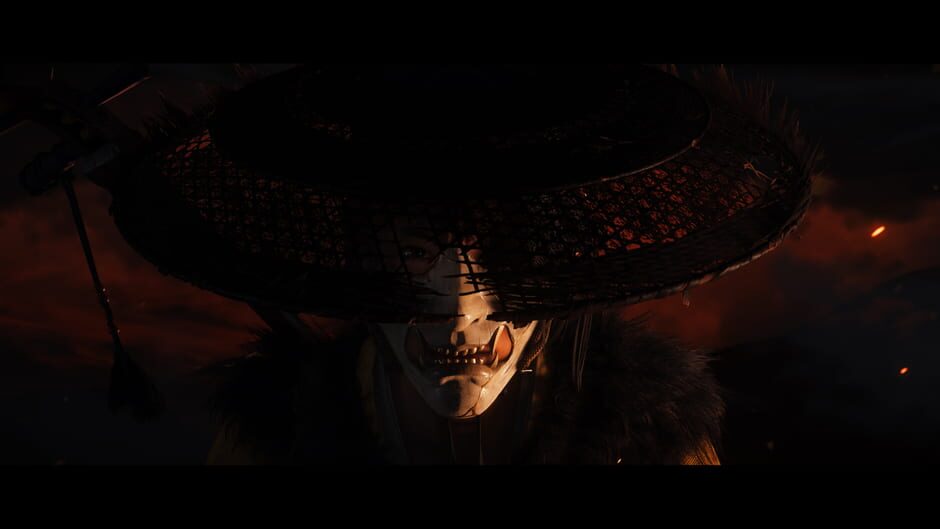
Developed by Sucker Punch Productions and published by Sony Interactive Entertainment, Ghost of Yotei is a video game released on October 2, 2025. The platform listed in this entry is PlayStation 5. The associated genres are action, adventure, historical, RPG, stealth and open-world. The specified game mode is Single player and the engine listed is Proprietary Engine.
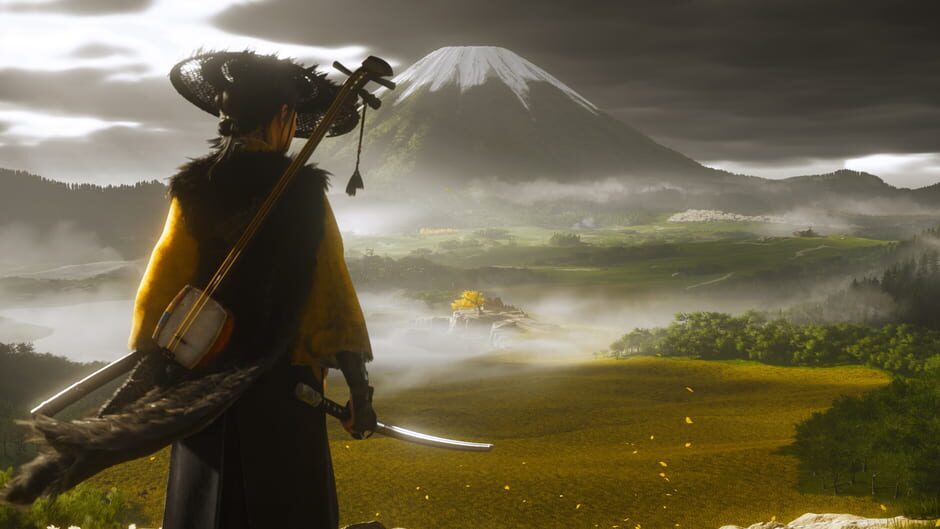
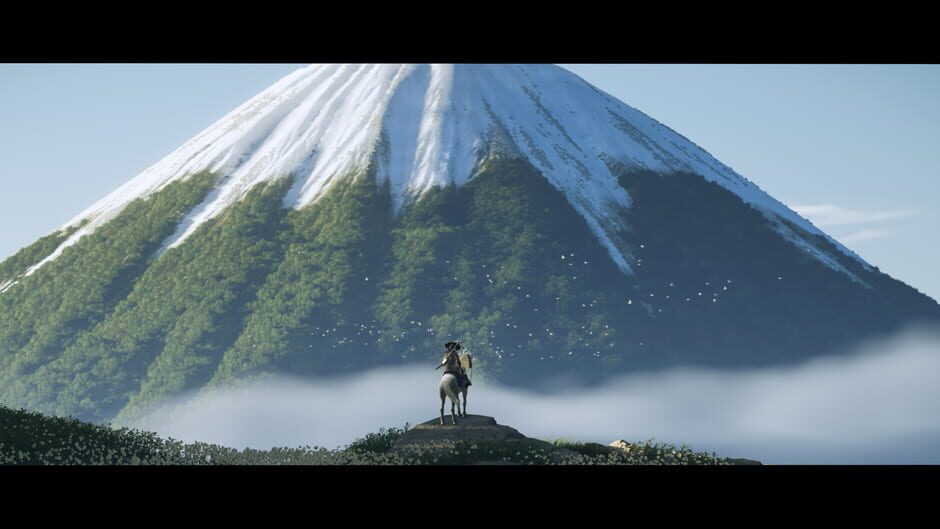
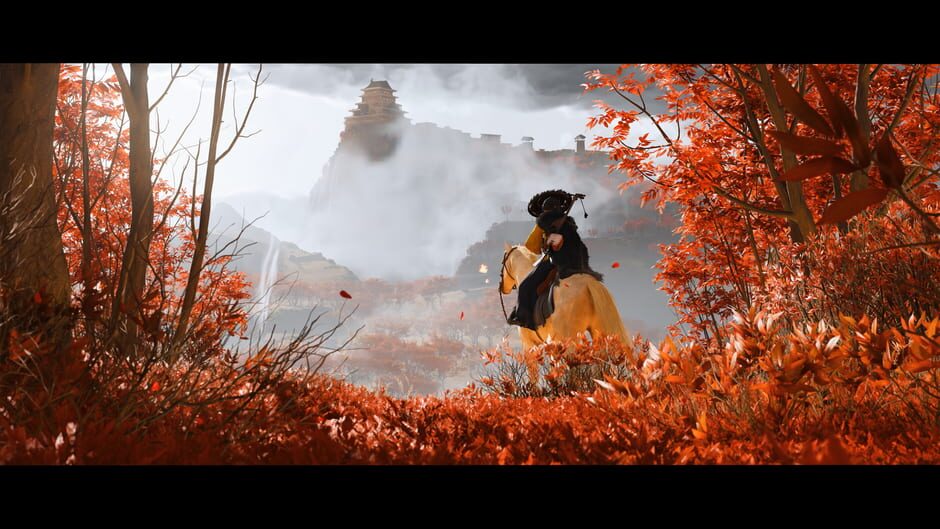
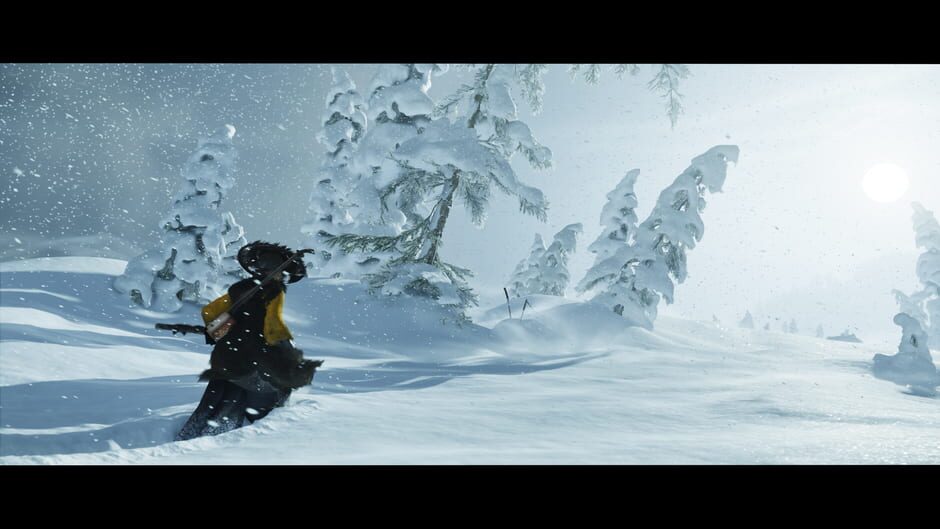
The game takes the form of a third-person open-world action-adventure set in the lands of Ezo, around Mount Yōtei. This new region notably combines flower-covered grasslands, forests, rocky areas and snowy terrain that the player can explore on foot or horseback.
Exploration places greater emphasis on the freedom to choose which leads to follow and the order in which certain activities are undertaken. Atsu can pursue different objectives, take an interest in bounties, seek out weapon masters or simply explore the regions she travels through.
The world also uses forms of guidance integrated into the environment. Landscapes, clues discovered along the way and gathered information gradually direct the player toward new possibilities without turning every journey into simply following a marker.
Atsu can set up a camp in the open world to rest during her travels. This possibility supports exploration designed as a journey through different regions rather than a succession of trips between fixed points.
The combat system develops an approach based on several specialized melee weapons. Atsu can wield the katana, dual katanas, ōdachi, yari and kusarigama, with each weapon designed to respond more effectively to certain types of opponents.
The katana is a balanced weapon particularly suited to duels against other sword-wielding fighters. Dual katanas favor rapid attack chains, while the ōdachi provides greater power against heavy enemies.
The yari offers greater reach and can notably interrupt certain attacks. The kusarigama, made up of a sickle and chain, provides broader control of space and options suited to groups or opponents protected by shields.
Part of the arsenal’s progression comes from learning from weapon masters. Once new weapons have been obtained, Atsu can develop their techniques and improve her abilities through Altars of Reflection scattered across the different regions.
Combat therefore no longer relies solely on changing stances according to enemy categories. The player must also learn to switch weapons depending on the situation, with each piece of equipment offering its own characteristics, advantages and combo possibilities.
Ranged weapons complement this structure. Atsu can use different bows, with several types of arrows, as well as a tanegashima, a firearm capable of delivering powerful shots with different types of ammunition.
Quick-use tools further expand the arsenal, including kunai, smoke bombs and metsubushi. They can interrupt an encounter, create an opening or support a more discreet approach.
Stealth therefore remains integrated into the available gameplay options. Fast weapons, tools and certain abilities make it possible to avoid systematically engaging in frontal confrontation or reduce the threat before directly attacking opponents.
Atsu can also learn more general abilities. Some notably allow her to disarm enemies and turn their own weapons against them, perform attacks from a mount or receive the help of a wolf during certain encounters.
Customization also relies on armor and charms. The particular properties of outfits can be combined with the effects provided by different charms to create configurations favoring, for example, direct combat, fast weapons or stealth.
Several pieces of equipment and charms can be upgraded, gradually strengthening their effects. This system makes it possible to develop a configuration consistent with the weapons and techniques the player uses most regularly.
Exploration directly contributes to Atsu’s development. Weapon masters, Altars of Reflection and optional activities encountered throughout Ezo can provide new techniques or strengthen the abilities already available.
Ghost of Yōtei also makes use of PlayStation 5 features. The DualSense controller’s adaptive triggers notably come into play with certain weapons and the grappling hook, while haptic feedback and 3D audio accompany movement and combat.
The game therefore builds its open world around greater freedom in choosing destinations and a combat system where weapon diversity partly replaces the stance-based logic of Ghost of Tsushima. Exploration, learning from masters, equipment and abilities gradually expand Atsu’s possibilities throughout Ezo.
Key takeaways
- Ghost of Yotei is a third-person open-world action-adventure set in the lands of Ezo around Mount Yōtei.
- Exploration allows players to follow different leads, pursue bounties, meet weapon masters and freely explore the regions.
- Atsu can use katana, dual katanas, ōdachi, yari and kusarigama, with each weapon responding more effectively to certain situations.
- The arsenal also includes bows, tanegashima, kunai, smoke bombs and metsubushi.
- New techniques can be learned from weapon masters and then developed through Altars of Reflection.
- Armor and charms can be combined and upgraded to create different configurations.
- Combat and exploration also include disarming enemies, using enemy weapons, horseback attacks and assistance from a wolf.
Conclusion
Ghost of Yōtei develops its open world around freer exploration of the lands of Ezo, where the player can follow different leads, pursue bounties, seek new teachings or move away from the main objectives.
Combat relies on several specialized weapons rather than a single weapon paired with different stances, with katana, dual katanas, ōdachi, yari and kusarigama complemented by bows, firearms and quick-use tools.
Progression connects learning from masters, Altars of Reflection, armor and charms in order to develop Atsu’s abilities and adapt her equipment to different approaches.
Exploration, direct combat and stealth therefore remain closely connected within a structure where discovering new regions also brings new weapons, techniques and customization possibilities.
Good to know
- Ghost of Yotei was released on October 2, 2025.
- The game was developed by Sucker Punch Productions and published by Sony Interactive Entertainment.
- The platform listed in this entry is PlayStation 5.
- The associated genres are action, adventure, historical, RPG, stealth and open-world.
- The specified game mode is Single player.
- The engine listed in this entry is Proprietary Engine.
- The combat system relies on several specialized weapons that the player can switch between depending on opponents and situations.
- Progression notably combines weapon masters, Altars of Reflection, armor, charms and exploration activities.