Overview
Developed and published by Epic Games, Fortnite is a video game available since June 29, 2020 on PlayStation 5, PlayStation 4, Xbox Series, Xbox One, Nintendo Switch, PC, Mac, Nintendo Switch 2 and mobile. It combines action, FPS, simulation, survival, open-world and sandbox elements across several experiences playable solo, in multiplayer or cooperatively.
Fortnite no longer corresponds to a single type of match. Epic Games brings together different games and experiences within the same application, whether developed directly by the studio or created by developers and players using Fortnite’s creation tools.
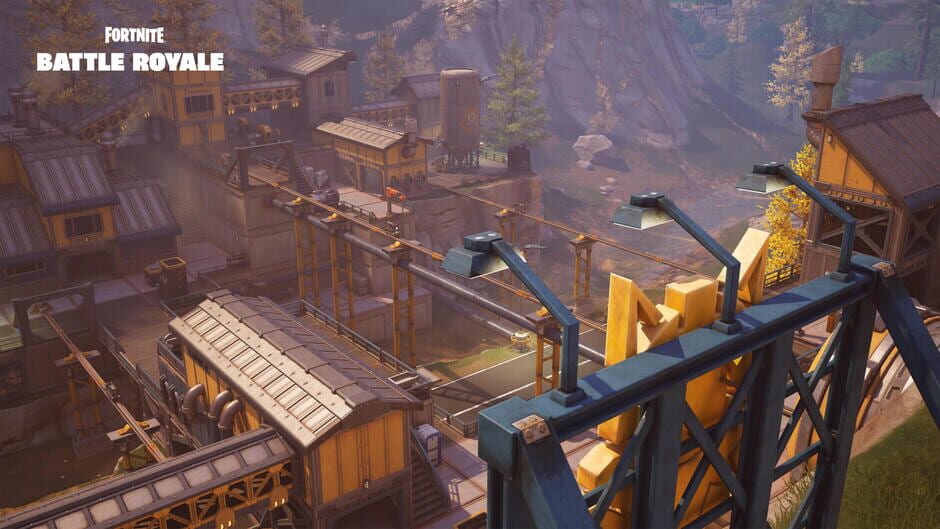
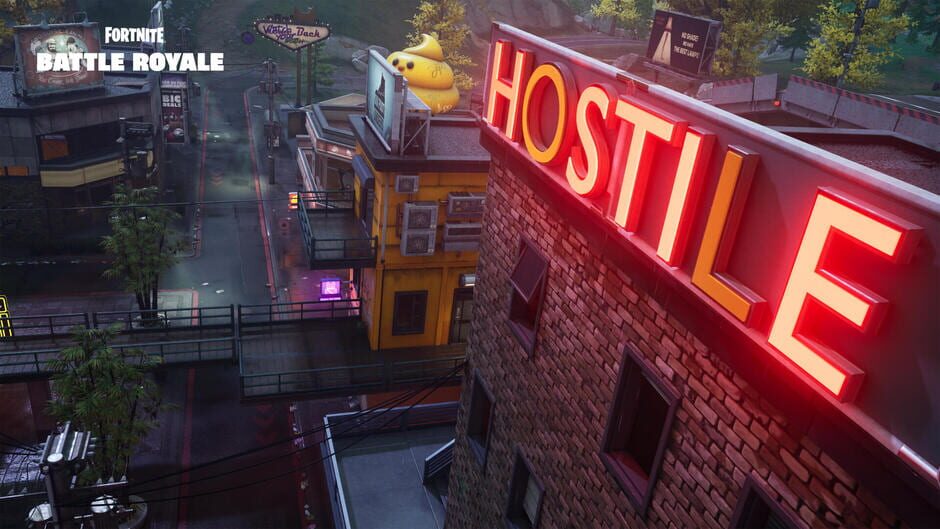
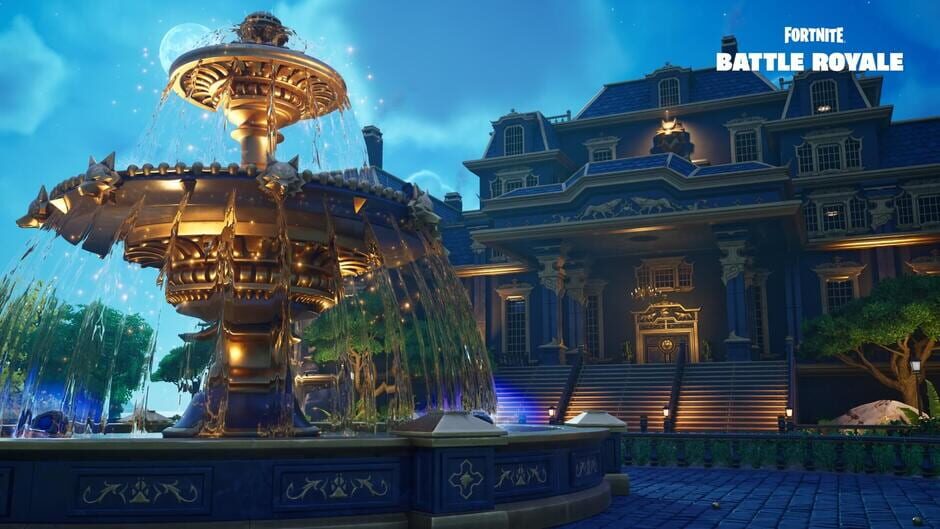
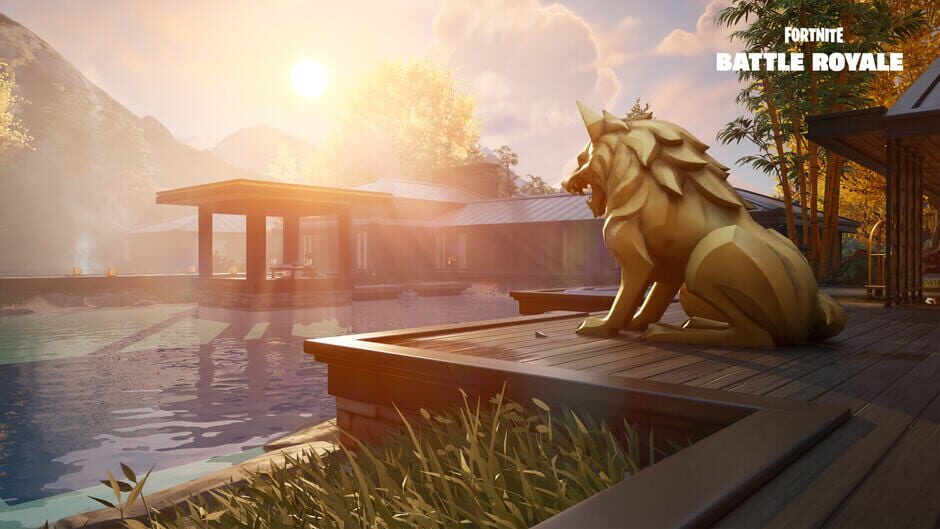
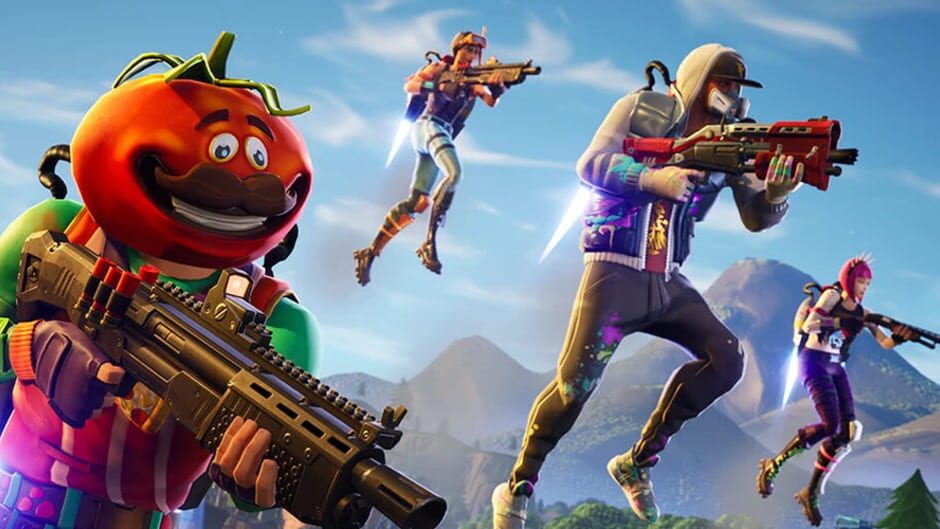
Battle Royale remains one of its central experiences. Participants explore a shared environment, collect weapons and equipment and try to be the last players remaining. One of its historical characteristics is also the ability to build directly during combat in order to quickly create cover, positions or structures.
Epic Games also offers Zero Build, which follows the Battle Royale principle while removing this mechanic. The mode places greater emphasis on movement, equipment management and direct combat while retaining the overall structure of competitive survival.
Battle Royale evolves through a system of chapters and seasons. These periods regularly change the available weapons, vehicles, locations and features, allowing the environment and rules of play to evolve over time instead of remaining fixed around a permanent map and arsenal.
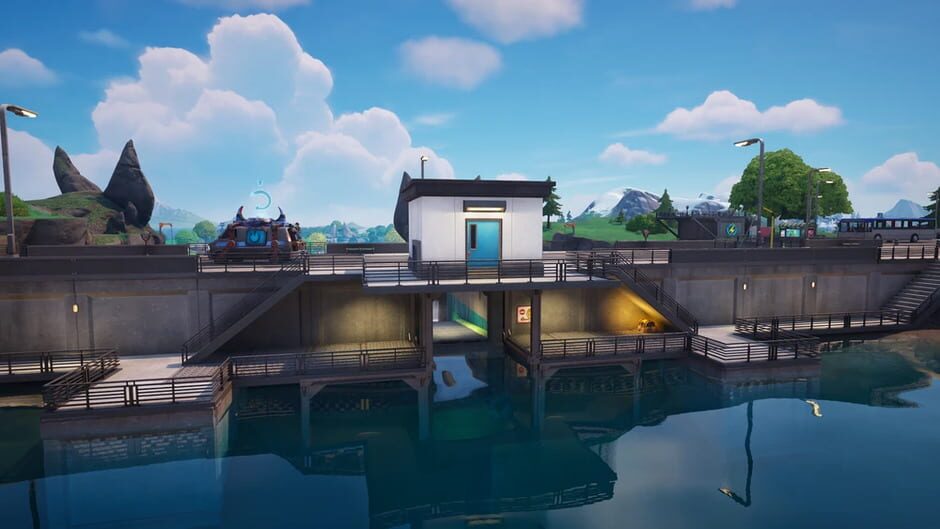
Another major branch of Fortnite focuses on creation. Creative mode functions as a sandbox environment in which players can build their own islands, place objects, configure devices and define the rules of their experiences.
This aspect was expanded with Unreal Editor for Fortnite, or UEFN. Available on PC, the editor allows users to design, develop and publish experiences directly in Fortnite with a set of tools derived from Unreal Engine. Creative mode and UEFN are complementary: one allows users to build directly inside Fortnite, while the other provides more advanced control over environments and mechanics.
Thanks to these tools, Fortnite also hosts community-created experiences that extend far beyond Battle Royale. Epic Games highlights games involving racing, survival, management, social role-playing and various forms of combat, all accessible through the integrated discovery system.
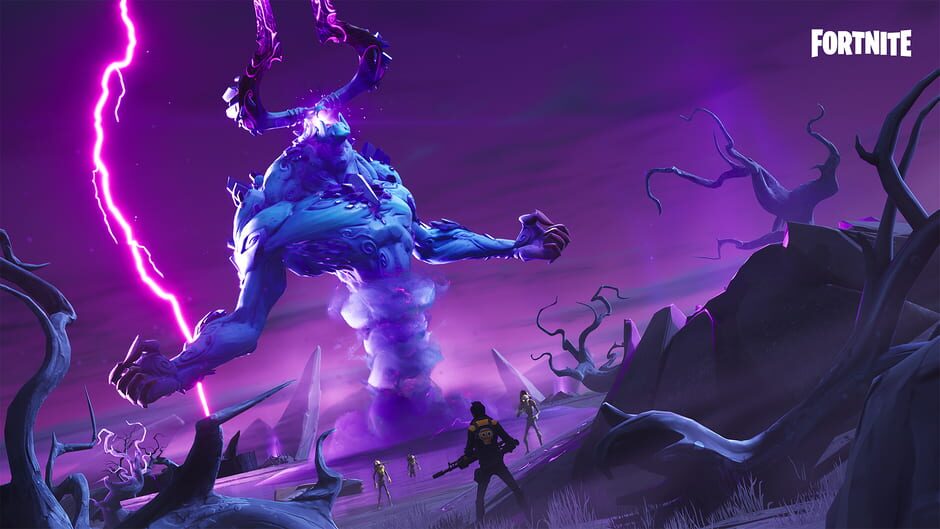
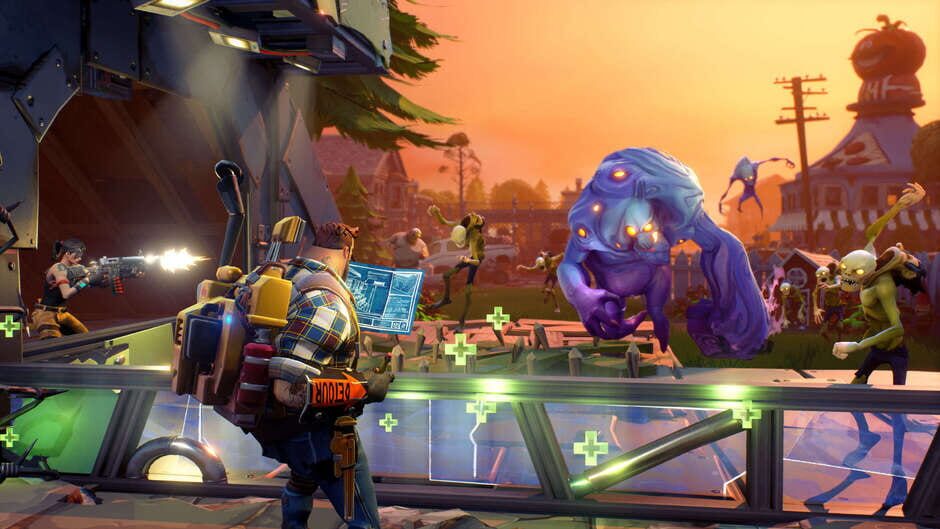
Fortnite also includes Save the World, a cooperative PvE campaign combining action and construction. Players fight hordes of monsters, gather resources, craft weapons, build fortifications and develop different heroes in destructible environments with dynamically generated maps.
The overall experience has expanded further with various official experiences offered by Epic Games. LEGO Fortnite, Fortnite Festival and Rocket Racing respectively introduce other forms of exploration and survival, music gameplay and racing, while other modes continue to coexist within the same platform.
Party Royale takes a different approach by focusing on social interaction. This experience sets aside traditional weapons and combat in favor of a space where players can meet, take part in activities and attend certain events.
Fortnite’s technology has also evolved. The game is associated with Unreal Engine 4 and Unreal Engine 5, and Fortnite Battle Royale moved to Unreal Engine 5 with its fourth chapter. Epic Games notably used technologies such as Nanite, Lumen, Virtual Shadow Maps and Temporal Super Resolution to evolve the rendering of its open world.
This relationship with Unreal Engine goes beyond graphics alone. Fortnite also serves Epic Games as a testing ground for some of its engine technologies, while UEFN gradually brings the tools used by Fortnite creators closer to those used for game development with Unreal Engine.
Fortnite therefore functions simultaneously as an online action game, competitive environment, cooperative experience and creation platform. Its structure allows multiple forms of gameplay to coexist within the same application and enables experiences developed by Epic Games to share that space with those produced by independent creators.
Key takeaways
- Fortnite brings together several experiences rather than a single game mode, including Battle Royale, Zero Build, Save the World and Creative mode.
- Battle Royale combines survival, combat and building, while Zero Build offers a variant focused on combat and movement without construction.
- Creative mode and Unreal Editor for Fortnite allow users to design and publish their own games and experiences.
- Save the World offers a cooperative PvE campaign based on combat, building, crafting and hero development.
- Fortnite also hosts different experiences such as LEGO Fortnite, Fortnite Festival, Rocket Racing and Party Royale.
- The game uses Unreal Engine 4 and Unreal Engine 5, while its creation ecosystem increasingly positions Fortnite as a genuine development and publishing platform.
Conclusion
Fortnite is organized around a collection of modes that use the same platform to offer very different experiences. Battle Royale is an important component, but it coexists with cooperative, creative, social, musical and racing games.
Building is one of the historical elements of its gameplay, both in Battle Royale and in Save the World or Creative mode. The existence of Zero Build also shows that some experiences can retain the fundamentals of movement and combat while removing this mechanic entirely.
Creation now plays a major role within this ecosystem. Creative mode and UEFN allow developers and creators outside Epic Games to produce their own islands and games, accessible directly within Fortnite alongside official experiences.
Fortnite therefore forms an online environment combining games developed by Epic Games, community content, competitive systems, cooperation and creation. Its technical evolution with Unreal Engine and the integration of UEFN reinforce this structure around a universe capable of hosting increasingly diverse experiences.
Good to know
- Fortnite is developed and published by Epic Games.
- The date provided for this entry is June 29, 2020.
- It is available on PlayStation 5, PlayStation 4, Xbox Series, Xbox One, Nintendo Switch, PC, Mac, Nintendo Switch 2 and mobile.
- The listed modes include Single player, Multiplayer, Co-operative, Split screen and Battle Royale.
- Fortnite is associated with Unreal Engine 4 and Unreal Engine 5.
- Creative mode allows users to build experiences directly inside Fortnite, while UEFN provides more advanced development tools on PC.
- Epic Games currently presents Fortnite as an ecosystem that includes its own experiences as well as numerous games published by creators.