Overview
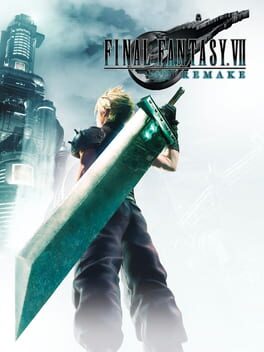
Final Fantasy VII Remake is a video game released on April 10, 2020. The platforms listed in this entry are PlayStation 5, PlayStation 4, Xbox Series, PC and Nintendo Switch 2. The associated genres are action, adventure, science fiction, fantasy and RPG. The specified game mode is Single player, and the engine listed is Unreal Engine 4.
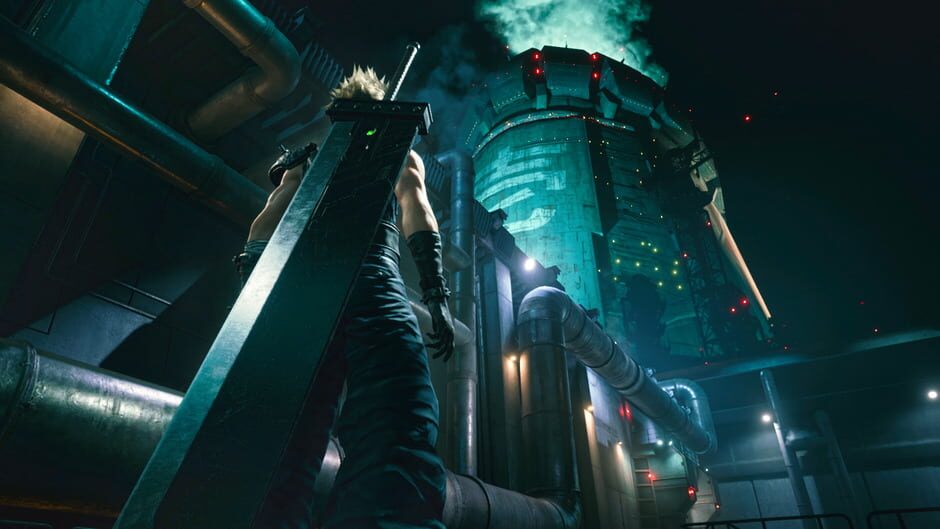
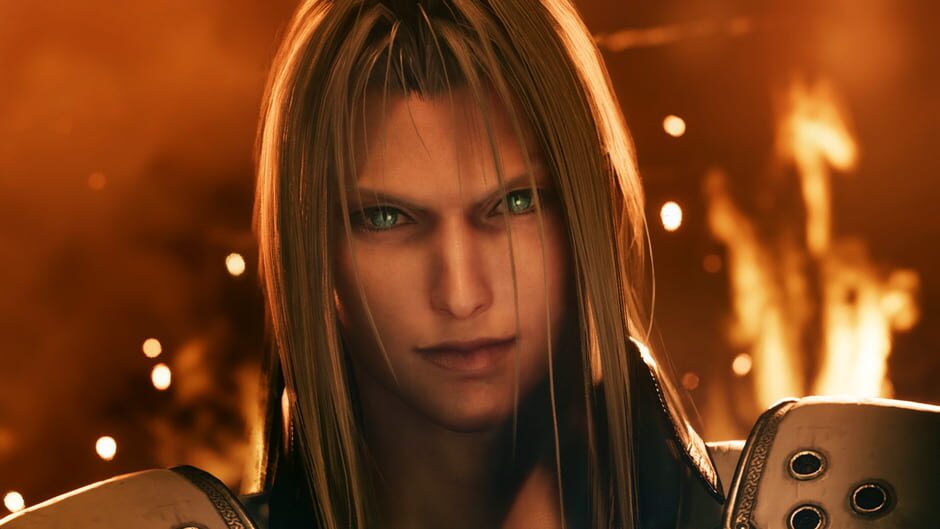
This reinterpretation of Final Fantasy VII focuses its adventure on Midgar, a city dominated by the Shinra Electric Power Company. Its different sectors, industrial facilities and inhabited districts form the setting for progression that alternates between narrative sequences, exploration and combat.
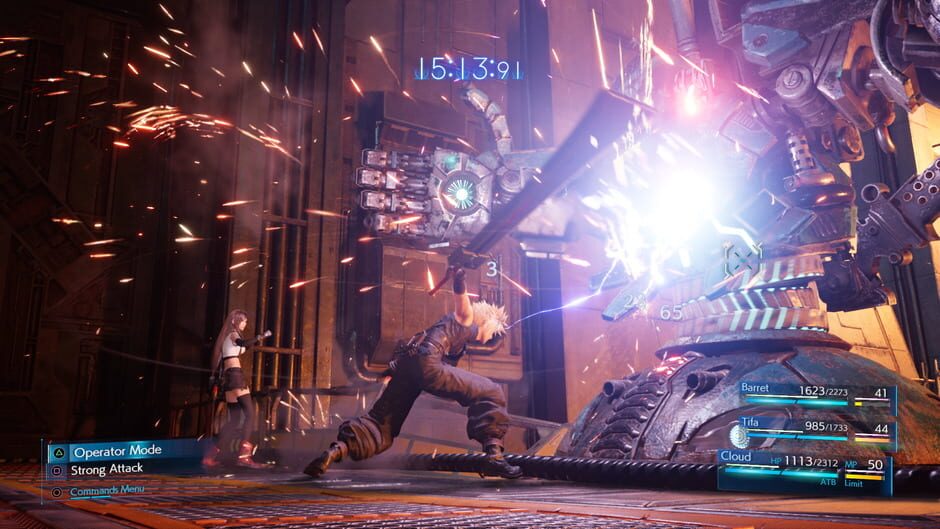
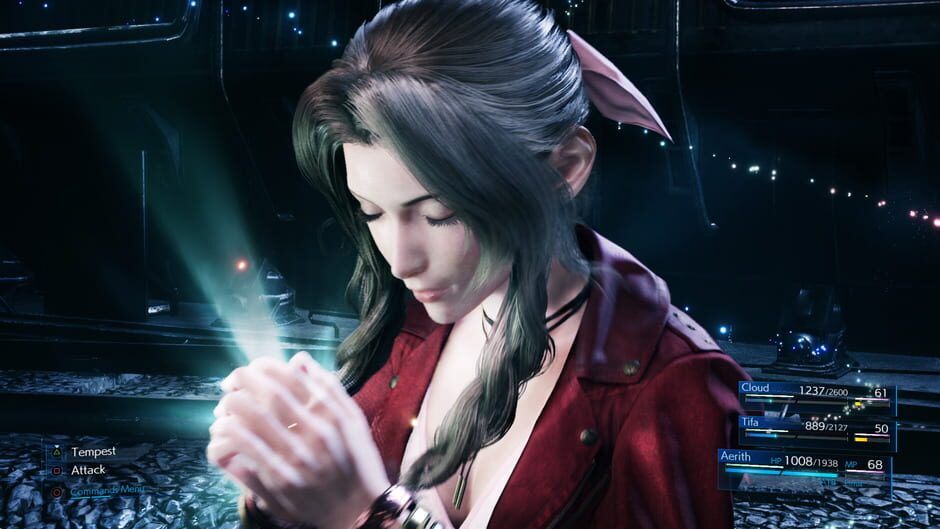
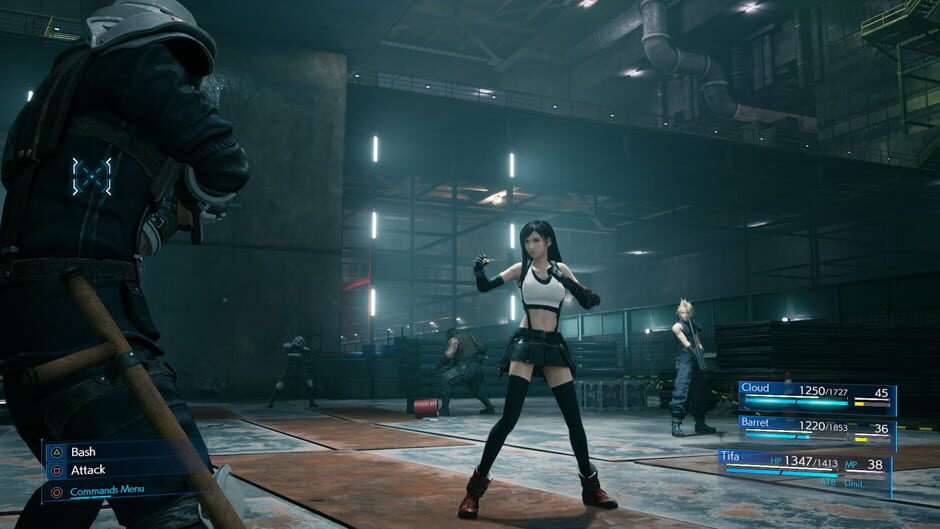
The combat system combines direct action and tactical commands. Standard attacks, guarding and dodging are performed in real time, while the most important actions use ATB gauges. Once part of a gauge is available, the player can trigger an ability, cast a spell or use an item.
Opening the command menu greatly slows the flow of combat. This allows the player to select an action, target or spell without removing the real-time dimension of the encounters.
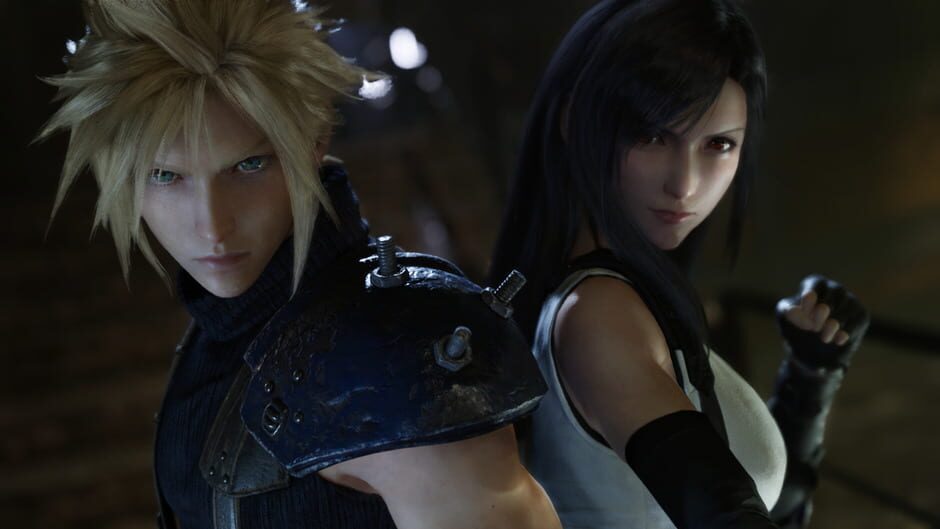
The player can switch directly from one party member to another. Each character has their own attacks, abilities and specific traits: Cloud notably specializes in close-range combat and can alternate between Operator Mode and Punisher Mode, while Barret has attacks suited to distant enemies.
Switching between characters also affects ATB management. Actively controlling a fighter fills their gauge more quickly, encouraging the player to move between party members rather than continuously controlling the same character.
Enemies have a stagger gauge. Exploiting their vulnerabilities or using certain attacks can place them under pressure and then fill this gauge. Once it reaches its maximum, the enemy is temporarily incapacitated and takes increased damage, making the timing of concentrated party attacks an important part of combat.
Materia remains central to customization. Installed in available slots on weapons and equipment, materia grants access to spells, abilities and other functions. Assess materia notably provides information about an enemy’s resistances and weaknesses, allowing the player to adapt their strategy.
Weapons are not defined solely by their statistics. Each can provide a specific ability that its user gradually learns. Once sufficient proficiency has been reached, that ability remains available even after switching to another weapon.
Weapons also have their own development systems. Upgrades can improve different character attributes or increase the number of materia slots, allowing equipment to be shaped around a desired role.
Summons directly participate in combat when available. A summoned creature fights alongside the party for a limited time, while the characters’ ATB gauges can be used to command it to perform specific abilities.
Exploring Midgar also reveals elements beyond the immediate route. Chests, salvageable items, mako shards that restore MP and music discs can be found by examining the environments rather than simply following the main objective.
A Classic Mode provides another way to approach combat. Basic movement, attacks and defense are handled automatically, leaving the player to select abilities, spells and items when ATB gauges are available. Direct control can still be resumed at any time.
Final Fantasy VII Remake therefore builds its battles around a constant exchange between execution and decision-making. Direct character control generates the resources required for ATB commands, while materia, weapon abilities, enemy weaknesses and stagger determine how those resources are used.
Key takeaways
- Final Fantasy VII Remake focuses its adventure on Midgar and the conflict between Avalanche and Shinra.
- Combat combines real-time action with commands that use ATB gauges.
- The player can switch directly between characters and make use of each party member’s individual abilities.
- The stagger system rewards exploiting weaknesses and coordinating attacks.
- Materia provides access to spells, abilities and functions used to adapt characters.
- Weapons have abilities that can be learned permanently as well as their own upgrade systems.
- Summons directly enter the battlefield and can receive commands through ATB.
- Classic Mode automates part of the action to place greater emphasis on tactical commands.
Conclusion
Final Fantasy VII Remake does not separate action combat and tactical management into two independent systems. Attacks performed in real time build ATB, and that resource then provides access to abilities, magic, items and the decisions that shape the key moments of an encounter.
Character switching extends this structure by providing several ways to fight within the same party. The differences between party members become particularly important when facing enemy resistances, weaknesses and stagger conditions.
Materia and weapons add a second layer of customization: the former defines part of the available toolkit, while the latter develops through its own abilities and upgrades.
Midgar finally connects these systems to exploration and narrative progression, serving simultaneously as a city, a territory controlled by Shinra and the setting for the operations carried out by Avalanche and Cloud.
Good to know
- Final Fantasy VII Remake was released on April 10, 2020.
- The platforms listed in this entry are PlayStation 5, PlayStation 4, Xbox Series, PC and Nintendo Switch 2.
- The associated genres are action, adventure, science fiction, fantasy and RPG.
- The specified game mode is Single player.
- The engine listed in this entry is Unreal Engine 4.
- The combat system uses ATB gauges for abilities, magic and items.
- Party members can be controlled alternately during battles.
- Materia, weapon abilities and stagger are among the game’s main tactical systems.