Overview
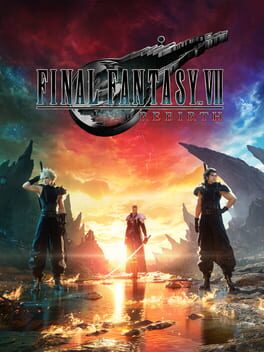
Final Fantasy VII Rebirth is a video game released on February 29, 2024. The platforms listed in this entry are PlayStation 5, Xbox Series, PC and Nintendo Switch 2. The associated genres are action, adventure, fantasy, RPG, strategy and open world. The specified game mode is Single player, and the engine listed is Unreal Engine 4.
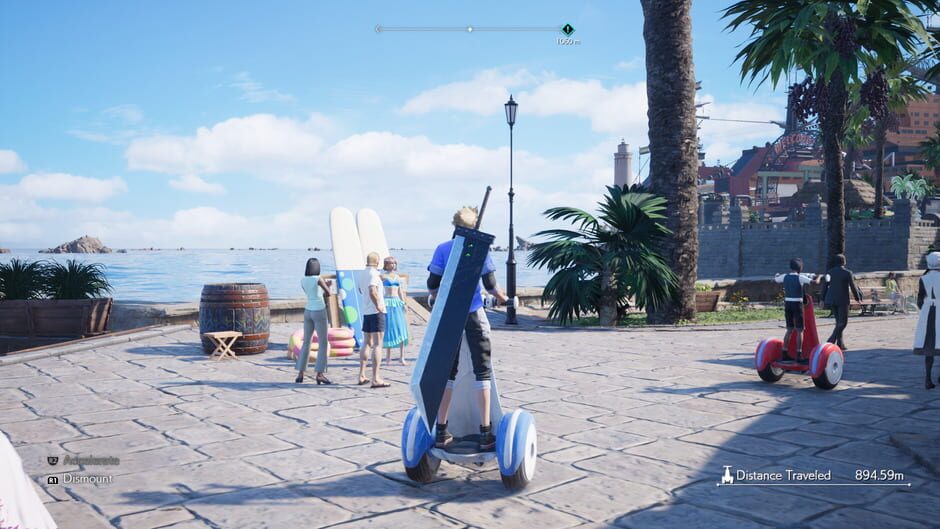
After the urban environment of Midgar, the journey expands into a world made up of several large regions. Grasslands, coastal areas, deserts, jungles and canyons have their own environments, towns and means of transportation. Exploration therefore takes on a much greater role throughout the adventure.
Chocobos play a direct part in this exploration. Once a chocobo has been captured in a region, it can be called upon to make travelling easier. Some variants have abilities suited to their surroundings: climbing steep slopes, gliding across elevated terrain, crossing water or moving more efficiently through forested areas.
Other vehicles complement these mounts depending on the places visited. The buggy can notably cross desert terrain and shallow water, while different means of transportation accompany progression from one region to another.
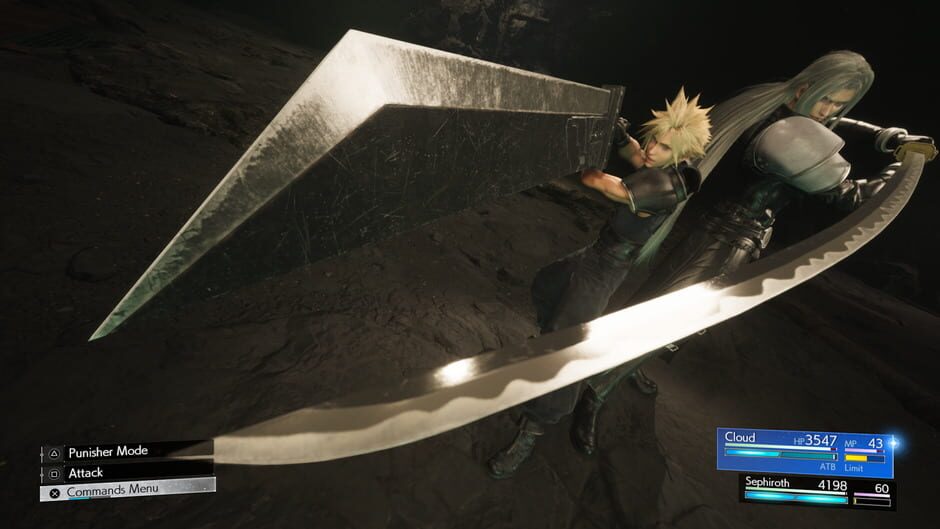
The combat system builds on the principles of Final Fantasy VII Remake, where attacks performed directly fill the ATB gauges required for abilities and spells. The command menu still activates a tactical mode that greatly slows time in order to select an action more precisely.
Rebirth, however, strengthens the collective role of the party through Synergy Skills and Synergy Abilities. These actions combine two characters in the same maneuver and create new interactions between their combat styles.
The most powerful Synergy Abilities notably depend on the actions used by the characters and on party progression. Party Level represents the cohesion of the team and contributes to unlocking new shared possibilities.
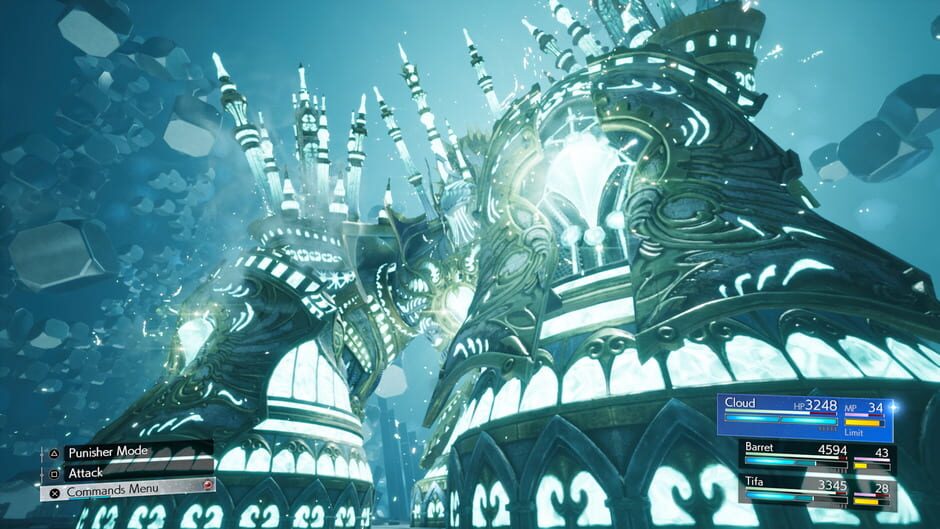
Materia remains integrated into weapons and armor to provide access to magic and different abilities. Spells and abilities still use ATB, while magic also consumes MP. Summons fight alongside the party when available and can receive specific commands.
Limit Breaks are also connected to the new party mechanics. Certain Synergy Abilities can increase a character’s limit level and open access to more powerful attacks during combat.
Two main approaches are available for direct control. Active mode gives the player full control over character movement and actions, while Classic mode automates their basic behavior so that the player can focus more heavily on commands.
These options are joined by Dynamic difficulty. In this configuration, enemy strength scales alongside the characters, allowing battles to adapt to the progression achieved.
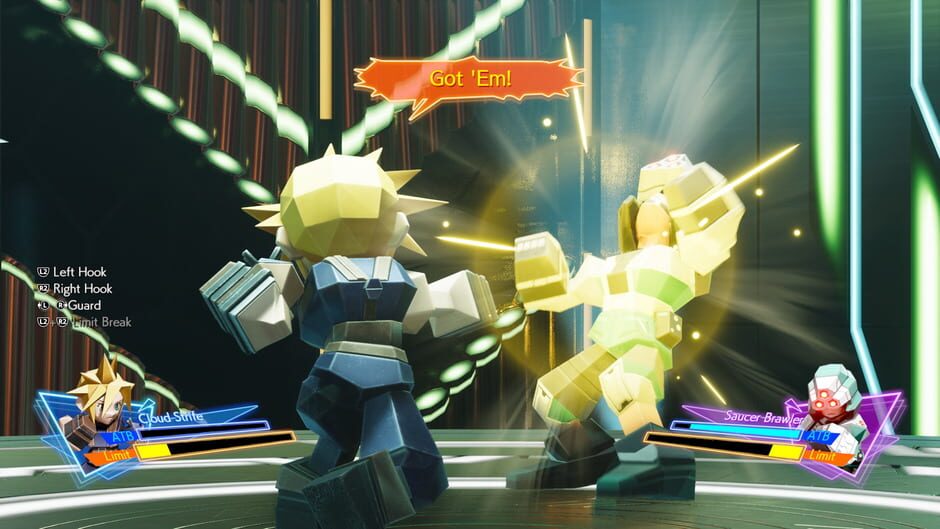
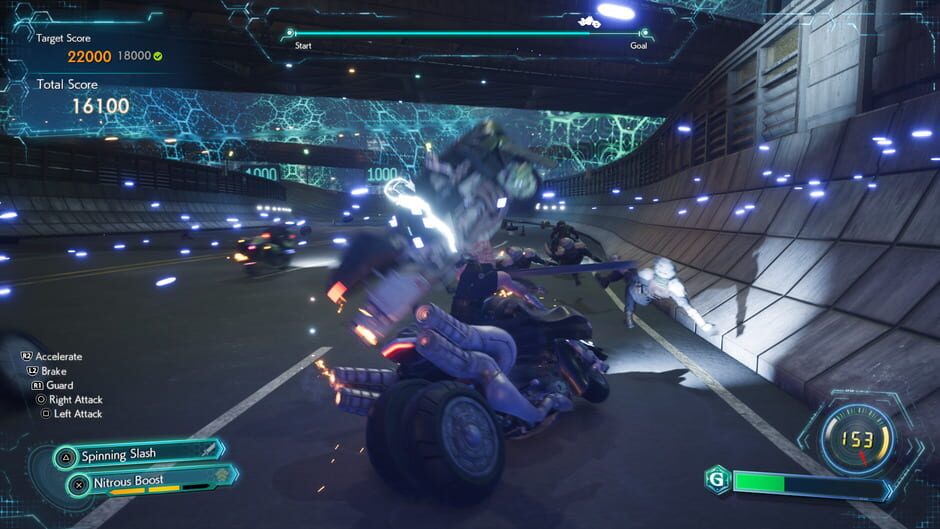
The broader world also multiplies the activities available outside the main battles. The different regions contain places to discover, distinctive forms of traversal and numerous mini-games. Chocobo races, G-Bike, 3D Brawler, Fort Condor and various activities tied to towns and regions regularly introduce rules separate from the standard combat system.
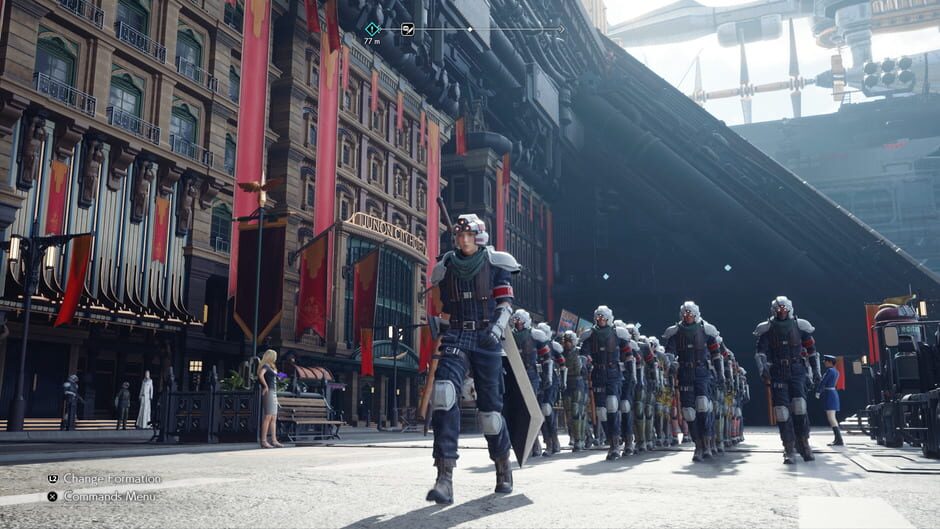
This variety is especially visible in the Gold Saucer, a large complex dedicated to attractions, but also throughout different stages of the journey where mini-games are directly integrated into the locations visited.
Final Fantasy VII Rebirth therefore changes the scale of the experience. Where Remake concentrated much of its structure within Midgar, Rebirth makes travel between regions, their individual characteristics and the interactions between party members central elements of progression.
Key takeaways
- Final Fantasy VII Rebirth continues Cloud and his companions’ journey beyond Midgar.
- The world is organized into several large regions with their own environments and characteristics.
- Chocobos facilitate exploration, and some variants have traversal abilities specific to their region.
- Combat retains ATB gauges, tactical commands, materia, magic and summons.
- The new Synergy Skills and Synergy Abilities allow two characters to act together.
- Party Level represents party cohesion and contributes to unlocking new collective abilities.
- Dynamic mode adjusts enemy strength to character progression.
- Exploration and progression are punctuated by numerous mini-games and activities with their own rules.
Conclusion
By leaving Midgar behind, Final Fantasy VII Rebirth primarily changes the scale of the journey. Environments are no longer simply backdrops connecting the main stages: each region introduces its own terrain, traversal and activities, with chocobos capable of responding to certain environmental constraints.
Combat retains the link between immediate action and ATB commands established in Remake, while further developing what happens between party members. Synergy abilities give their cooperation a mechanical role and expand the available possibilities without replacing materia, spells or individual techniques.
The many means of transportation and mini-games also contribute to the variety of the regions travelled through. Rebirth therefore builds its progression as much around the journey across the world as around the battles encountered along the way.
Good to know
- Final Fantasy VII Rebirth was released on February 29, 2024.
- The platforms listed in this entry are PlayStation 5, Xbox Series, PC and Nintendo Switch 2.
- The associated genres are action, adventure, fantasy, RPG, strategy and open world.
- The specified game mode is Single player.
- The engine listed in this entry is Unreal Engine 4.
- The world consists of several regions with distinct environments.
- Chocobos can have different traversal abilities depending on the region.
- Synergy Skills and Synergy Abilities expand the shared actions available between party members.