Overview
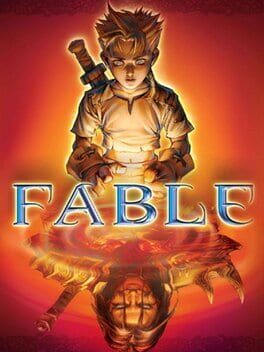
Developed by Big Blue Box and published by Microsoft Game Studios, Fable is a video game released on September 14, 2004. The platform listed in this entry is Xbox. The associated genres are action, adventure, fantasy, historical, RPG, open world and sandbox. The specified game mode is Single player, and the engine listed is Gamebryo.
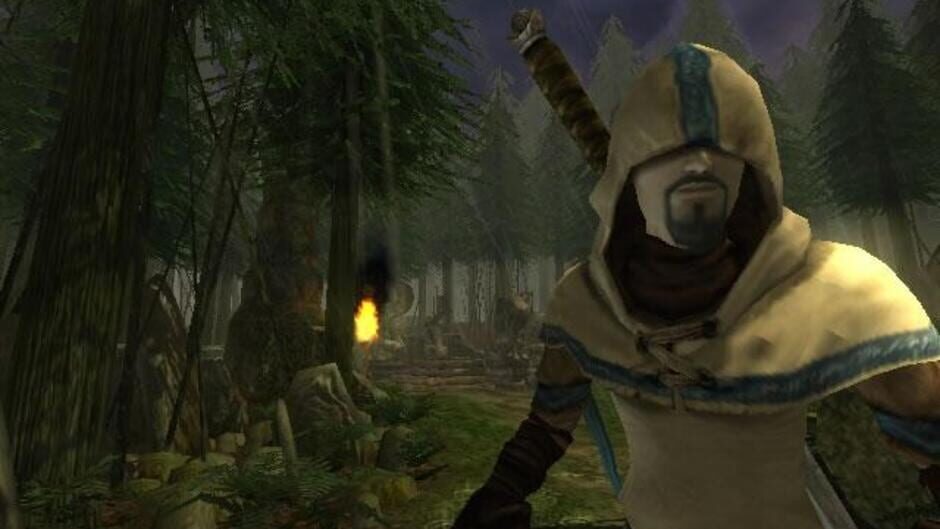
The adventure takes place in Albion and follows the training and evolution of a Hero whose abilities, reputation, appearance and alignment change throughout his life. Quests form the backbone of progression, but many actions performed outside the main storyline also help define the character.
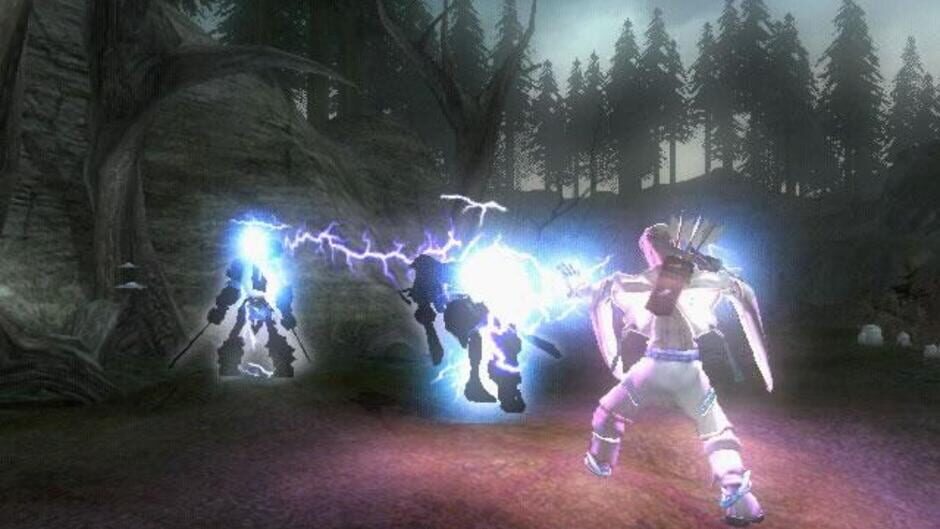
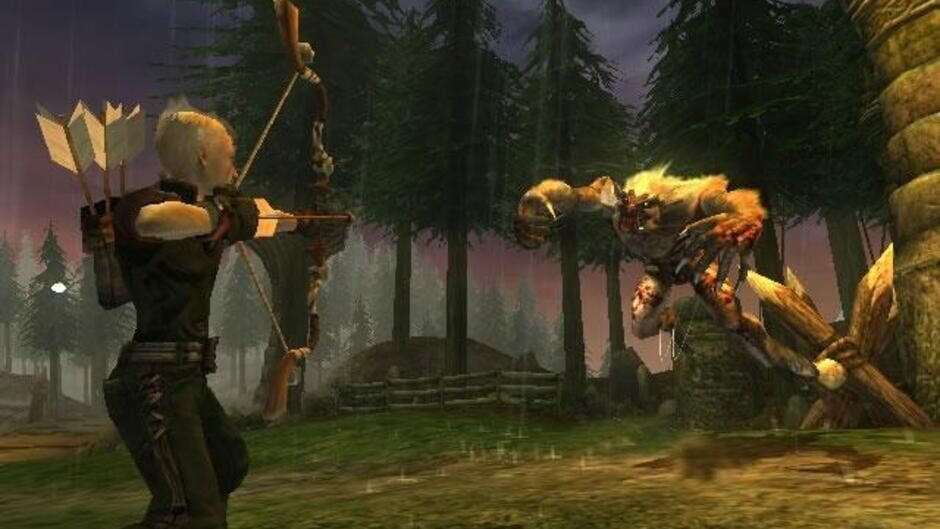
The development system is built around three major families of abilities: Strength, Skill and Will. Strength primarily concerns physical power and close-range combat, Skill notably covers abilities related to ranged weapons, speed and certain practical skills, while Will corresponds to the use of magic.
The experience gained depends partly on the way the Hero fights. Using melee weapons generates experience linked to Strength, ranged attacks contribute to Skill and using spells develops Will. General experience can also be used across several branches, allowing the Hero to specialize or combine all three approaches.
Combat therefore combines melee weapons, ranged weapons and magic. Swords and other weapons allow direct close-range confrontation, bows provide a ranged approach, and spells can be used both to inflict damage and to alter the Hero’s options during encounters.
Decisions form another essential component. Certain actions move the Hero toward good or evil, while others influence his reputation independently of his moral alignment. The inhabitants of Albion can then react differently to his presence depending on what they know about his actions.
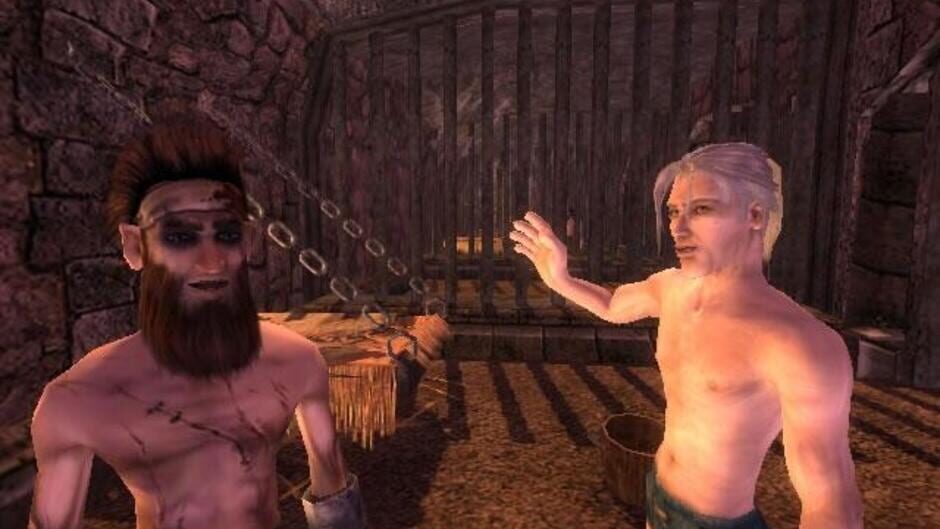
These transformations also become visible on the character. His age, injuries, developed abilities and moral orientation can alter his appearance. Combat can leave scars, while certain physical changes reflect the way the Hero has been developed throughout the adventure.
Renown increases as the character accomplishes feats. It contributes to the Hero’s recognition throughout Albion and influences how inhabitants perceive him. Certain titles can also be associated with his actions and reinforce this public identity.
Before certain quests, the Heroic Boasting system allows additional constraints to be voluntarily added to an objective. The Hero can therefore promise to complete a mission under specific conditions, with an additional reward if successful.
Social interactions also play a role in the world. The player has access to expressions that can notably be used to impress, charm, frighten or provoke inhabitants. Reactions depend partly on the character’s reputation, appearance and behavior.
The Hero can also buy houses, use them or rent them out. Relationships with inhabitants can extend to marriage, while various shops allow equipment and other items to be bought and sold.
Towns also react to prohibited behavior. Certain actions can be considered crimes and attract the attention of guards, with different consequences depending on the situation.
Exploration also includes activities and secrets separate from the main quests. The player can notably fish, dig in certain locations, search for Silver Keys used to open specific chests, or discover Demon Doors, which require particular conditions to be met before they open.
The Heroes’ Guild remains an important part of progression. It is involved in accepting quests, developing abilities and building the character’s career, while the different regions of Albion contain missions, inhabitants, shops and events.
Fable therefore combines RPG progression with the construction of an identity. The way the Hero fights determines the abilities he develops, while choices, renown, appearance and social interactions simultaneously shape how he evolves and how Albion reacts to his presence.
Key takeaways
- Fable follows the life of a Hero whose abilities, appearance, reputation and alignment evolve according to his actions.
- Progression is based on Strength, Skill and Will, corresponding mainly to melee combat, ranged abilities and magic.
- Experience is distributed according to the types of actions used in combat, alongside general experience.
- Decisions can guide the character toward good or evil and change how inhabitants react to him.
- Actions, age and injuries can leave visible transformations on the Hero.
- Renown grows through completed feats and influences how the character is perceived throughout Albion.
- The Heroic Boasting system allows additional constraints to be accepted before certain quests.
- Houses, social relationships, expressions, shops, Silver Keys and Demon Doors expand the activities available outside combat.
Conclusion
Fable builds its progression around several systems that evolve simultaneously. Combat develops Strength, Skill and Will, while decisions and behavior contribute to the Hero’s moral alignment and reputation.
This evolution is not represented solely through statistics: age, scars, physical development and certain consequences of choices become directly visible on the character.
Albion’s inhabitants also react to this identity through renown, appearance and the Hero’s known actions, while expressions, relationships and property ownership provide additional forms of interaction with the world.
Quests, exploration, combat and social systems therefore work around the same principle: gradually building a particular version of the Hero according to the abilities developed and the decisions made throughout his journey.
Good to know
- Fable was released on September 14, 2004.
- The game was developed by Big Blue Box and published by Microsoft Game Studios.
- The platform listed in this entry is Xbox.
- The associated genres are action, adventure, fantasy, historical, RPG, open world and sandbox.
- The specified game mode is Single player.
- The engine listed in this entry is Gamebryo.
- Character progression is notably organized around Strength, Skill and Will.
- The world includes different systems related to moral choices, renown, social interactions and the Hero’s physical evolution.