Overview
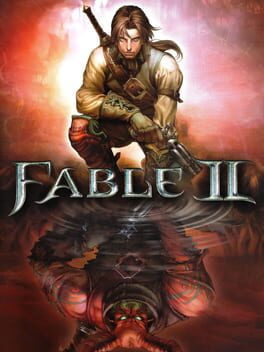
Developed by Lionhead Studios and published by Microsoft Game Studios, Fable II is a video game released on October 21, 2008. The platform listed in this entry is Xbox 360. The associated genres are action, adventure, fantasy, RPG and open world. The specified game modes are Single player and Co-operative.
The adventure takes place in Albion, five hundred years after the events of the first Fable. The world has changed, but the central principle still revolves around the gradual construction of a Hero whose abilities, choices, reputation, appearance and relationships evolve throughout the journey.
Fable II allows players to create a male or female character. As in the first game, decisions can steer the Hero toward different forms of morality, but the system also distinguishes dimensions such as purity and corruption. These orientations can alter the character’s appearance and influence certain reactions from the surrounding world.
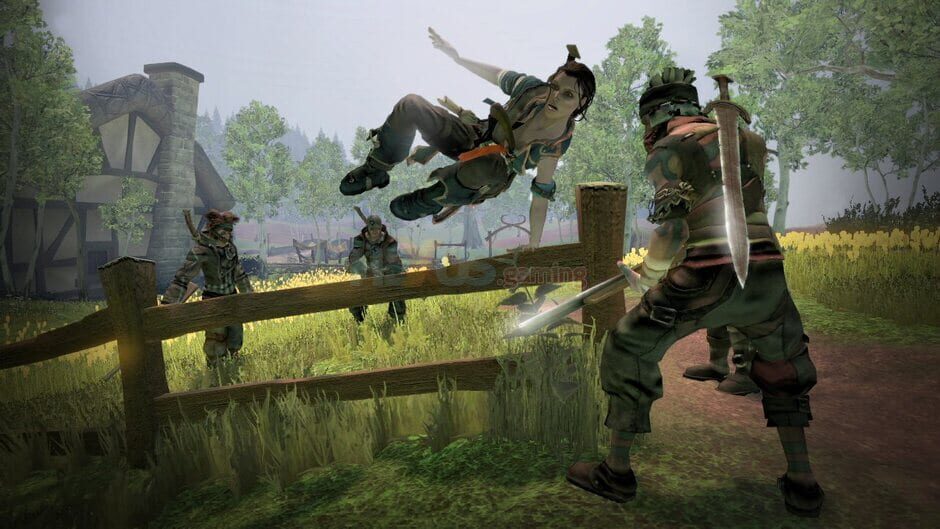
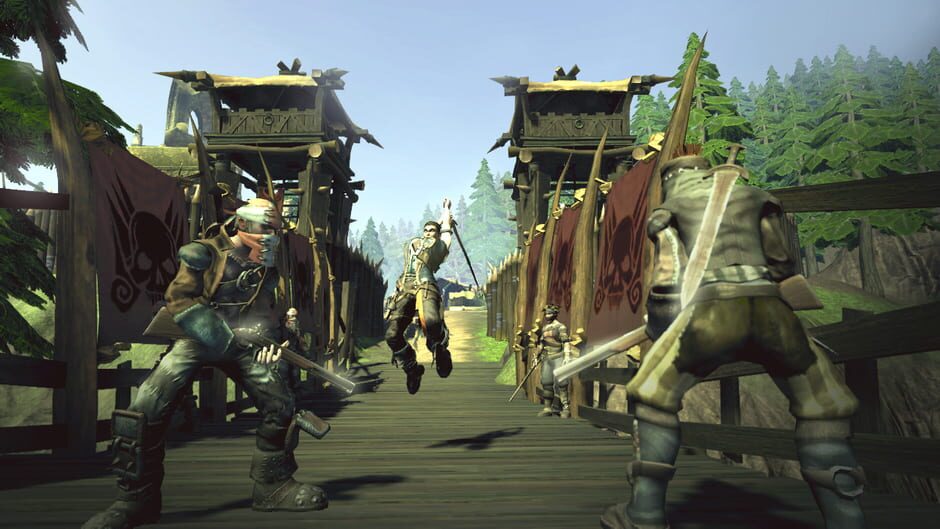
Combat retains three major disciplines: Strength, Skill and Will. Strength mainly corresponds to close-range combat, Skill to ranged weapons and Will to magic. Their development depends directly on the actions performed during encounters.
Defeated enemies release experience orbs. Melee attacks generate Strength experience, ranged weapons generate Skill experience and magical powers generate Will experience. General experience can also be invested across several categories.
Firearms now play an important role alongside melee weapons. Skill notably develops the use of pistols, rifles and crossbows, while Strength improves the character’s physical abilities and Will grants access to different supernatural powers.
The magic system is built around several levels of power. Players can charge spells to unleash stronger effects, while different Will abilities can be used to attack, control space or alter the conditions of a fight.
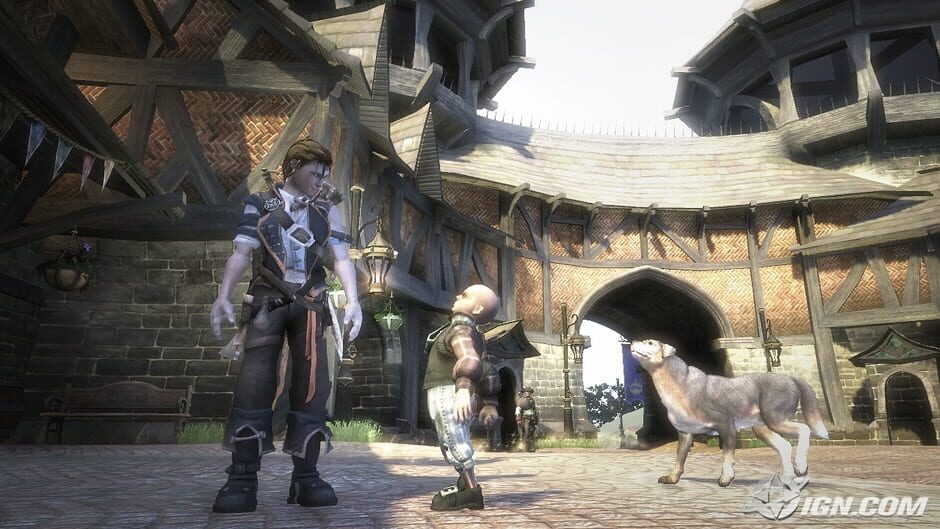
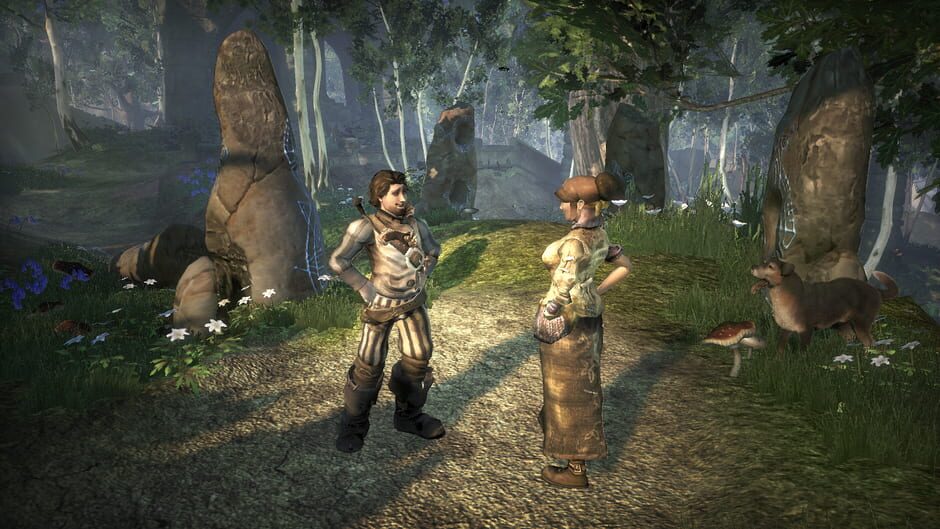
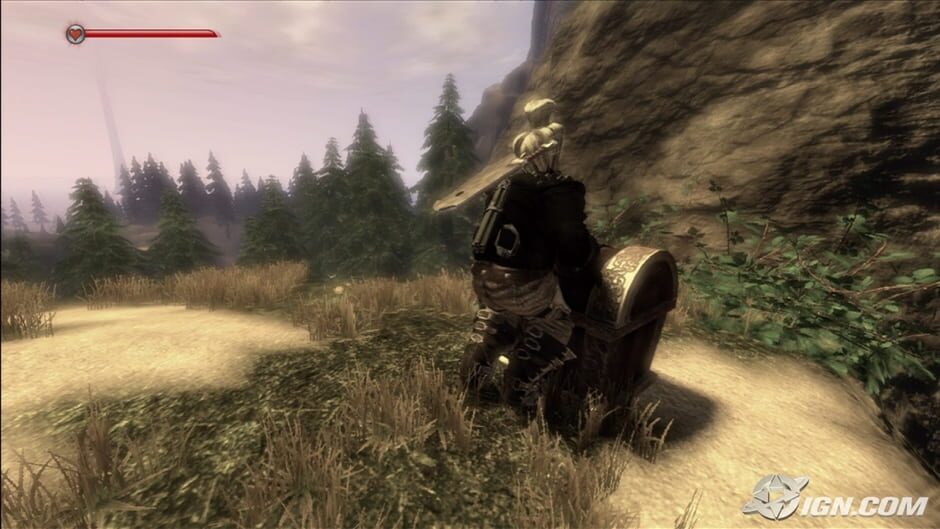
One major difference from the first game is the permanent presence of a canine companion. The dog follows the Hero during exploration, takes part in combat and can finish off certain enemies knocked to the ground.
The dog also plays a direct role in exploration. It can detect chests, buried treasure and quest-related elements, then guide the player to their locations. Books can improve its searching and combat abilities or teach it new tricks.
Its appearance also changes according to the Hero’s moral orientation. The bond between the two characters therefore visually reflects some of the consequences of the decisions made during the adventure.
Progression through Albion extends far beyond combat and quests. The character can take on different jobs, including blacksmith, woodcutter or bartender. These activities take the form of mini-games that allow players to earn money, with pay increasing according to mastery of the profession.
Property ownership is another important part of the economy. Many houses and shops can be purchased. Homes can be rented out and businesses generate income, while prices and rents set by the owner can also contribute to changes in purity or corruption.
The social system is also expanded. The Hero can interact with inhabitants through expressions, build relationships, get married and have children. Family life therefore becomes a distinct part of the character’s existence in Albion.
Clothing, hairstyles, tattoos and other customization elements can also change the Hero’s appearance, complementing the transformations directly linked to developed abilities and choices.
Fable II also changes how failure in combat is handled. When the Hero loses all health, defeat does not necessarily result in a game over: it can instead lead to consequences such as losing available experience and gaining new scars.
The world includes main and secondary quests, economic activities, social interactions, treasures and different areas to explore. A golden glowing trail can guide the player toward certain objectives, while the dog provides a second form of guidance toward more local elements.
The Co-operative mode allows a second player to join a game. In local co-op, this participant controls a predefined character called a Henchman and shares the adventure with the main Hero, with certain limitations regarding activities such as trading and purchasing property.
Co-op also allows players to define how gold and experience earned during the session are divided. Fable II therefore integrates two-player gameplay directly into a world whose economic, social and moral systems remain tied to the Hero hosting the game.
Fable II therefore combines RPG progression, combat, moral choices and life simulation within the same structure. Character development does not rely solely on combat abilities: wealth, property, relationships, family, appearance and the canine companion also contribute to shaping the Hero’s journey through Albion.
Key takeaways
- Fable II takes place in Albion, five hundred years after the first Fable.
- Progression still revolves around Strength, Skill and Will, mainly associated with melee combat, ranged weapons and magic.
- Combat generates different experience orbs depending on the abilities used.
- Players can control a male or female Hero whose choices influence morality, appearance and reactions from the world.
- A canine companion accompanies the Hero, participates in combat and searches for treasure and hidden objects.
- The economic system includes jobs, houses, shops, rents and income.
- The Hero can build relationships, get married and have children.
- Co-operative mode allows a second player to join the adventure.
Conclusion
Fable II carries forward the first game’s principles of choice and character evolution while integrating them into an Albion set several centuries later. Strength, Skill and Will still structure combat progression, but the activities surrounding the Hero play a larger role.
The dog directly supports exploration and combat, while jobs, property and shops add an economic dimension to character development.
Interactions with inhabitants extend this logic through reputation, relationships, marriage and family, while physical transformations make certain consequences of the journey directly visible on the Hero.
Combat, economy, social life, exploration and co-op therefore contribute to the same construction: a character whose existence in Albion depends as much on abilities as on choices and on the way that life is organized.
Good to know
- Fable II was released on October 21, 2008.
- The game was developed by Lionhead Studios and published by Microsoft Game Studios.
- The platform listed in this entry is Xbox 360.
- The associated genres are action, adventure, fantasy, RPG and open world.
- The specified game modes are Single player and Co-operative.
- Ability development is based on Strength, Skill and Will.
- The canine companion takes part in exploration, treasure hunting and combat.
- Jobs, property, relationships, family and co-op expand the Hero’s progression beyond combat.