Overview
Dark Souls builds its adventure around a simple but fundamental principle: progress requires learning. Enemies, traps, level layouts and bosses punish repeated mistakes, while each attempt helps the player better understand distances, timing, routes and the possibilities offered by equipment.
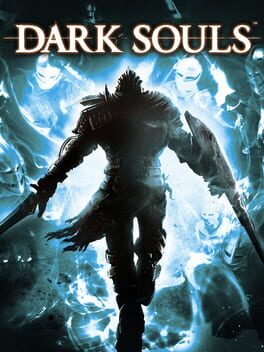
Developed by FromSoftware and published by Bandai Namco Entertainment, Namco Bandai Games and Bandai, the game was released on September 22, 2011. The listed platforms are PlayStation 4, PlayStation 3, Xbox One, Nintendo Switch, PC and Xbox 360. The associated genres are action, adventure, fantasy and RPG. The specified modes are Single player, Multiplayer and Co-operative.
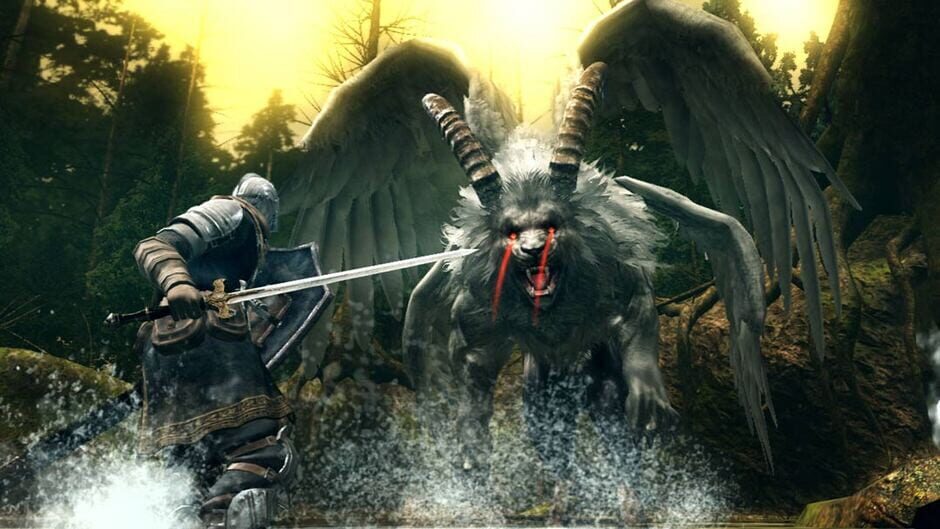
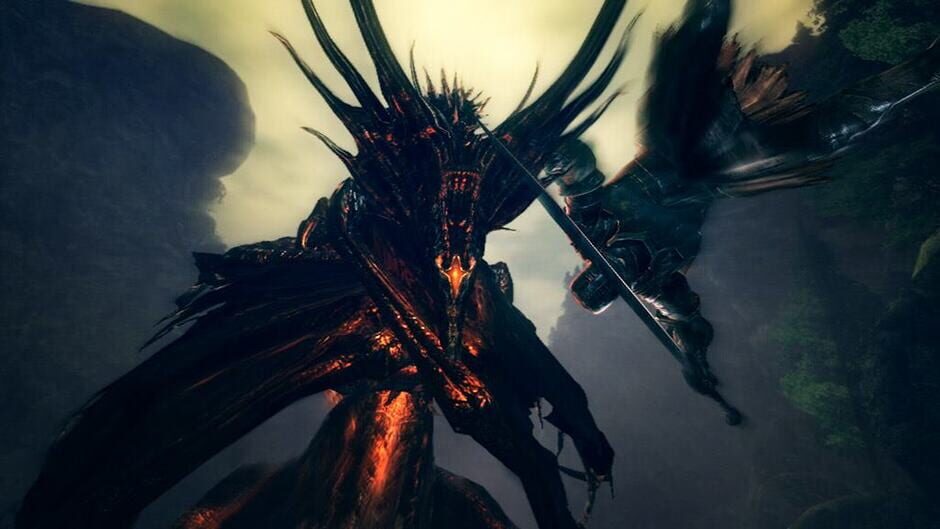
Combat relies heavily on stamina management. Attacking, blocking, dodging or performing certain actions consumes this resource, forcing the player to decide when to continue an offensive or keep enough energy available to defend. Encounters therefore place more emphasis on positioning, timing and observation than on constantly chaining attacks.
Weapons, shields, armor and magic allow very different playstyles to be built. Each weapon has its own moveset, range, speed and stat requirements, while equipped gear directly affects mobility. Total equipment weight notably changes movement speed and dodge rolls.
Progression uses souls as a central resource. They are used notably to develop character stats and also play a role in the game’s economy. Dying causes the carried souls to be dropped at the place of death; the player can attempt to return there and recover them, but dying again before retrieving them makes them disappear.
This system turns the journey itself into a source of tension. Continuing to explore while carrying a large number of souls increases the risk of losing them, while returning to a safer location allows accumulated progress to be converted before setting out again.
Bonfires structure this exploration. They serve as resting and progression points, restore the character’s essential resources and cause most ordinary enemies to respawn. Resting therefore creates both a place of safety and a renewal of dangers already crossed.
The organization of Lordran reinforces this logic. Its regions are closely interconnected, with strong verticality, hidden passages and numerous shortcuts that reconnect areas that once seemed far apart. Opening a door or activating an elevator can therefore profoundly change the perception of a route already traveled.
This structure limits the separation between exploration and progression. Understanding how two regions connect, discovering a side passage or opening a shortcut can matter just as much as directly improving a weapon or character stat.
Character development remains flexible. Souls can be invested into different attributes depending on the desired playstyle, while the choice of weapons, armor, spells and miracles allows builds centered on strength, mobility, defense, magic or various hybrid approaches.
Humanity also interacts with several systems. It can notably allow the character to regain human form and further kindle certain bonfires. Human form also plays an important role in accessing some multiplayer functions.
The game integrates online features directly into the world. Traces left by other players can appear during exploration, while messages can be placed on the ground to warn, guide or sometimes mislead other adventurers.
Cooperation works through the summoning of players into the host’s world in order to explore or face certain bosses together. Conversely, the system also allows invasions, where another player enters a game with the objective of confronting the host.
These interactions therefore do not take the form of a multiplayer mode entirely separated from the main experience. Cooperation, invasions, messages and glimpses of other players are inserted into solo progression and occasionally alter the experience of Lordran.
The narrative follows a similarly fragmented structure. Information about the world is distributed across environments, character dialogue, item descriptions and encountered events. The player often has to connect these elements to reconstruct the relationships between places, characters and the history of Lordran.
Dark Souls therefore links character progression with player progression. Stats, weapons and spells become more powerful, but the experience accumulated by the person playing — knowledge of enemies, shortcuts, attacks and risks — remains just as important.
Key takeaways
- Combat relies heavily on stamina management, positioning and timing.
- Souls are used for progression but are dropped at the place of death until recovered.
- Dying again before recovering those souls causes their permanent loss.
- Bonfires serve as resting and progression points while causing most ordinary enemies to respawn.
- Lordran forms a highly interconnected world, structured by hidden passages, shortcuts and strong verticality.
- Equipment weight directly affects mobility and dodge rolls.
- Cooperation, invasions, messages and appearances of other players are integrated directly into exploration.
- The story is largely conveyed through environments, item descriptions and dialogue rather than continuous exposition.
Conclusion
Dark Souls closely connects combat, exploration and learning. Death is not simply a failure: it places the player back into a previously traveled space with more information about enemies, traps and the route toward the objective.
Bonfires and soul recovery give this progression a particular structure. Every advance involves deciding how far to continue before securing accumulated resources, while discovered shortcuts gradually transform the way the player moves through Lordran.
Multiplayer and narrative follow the same logic of integration. Other players appear within the adventure rather than in a separate space, while the story is constructed from clues scattered throughout the world. Dark Souls therefore bases a significant part of its progression on the gradual understanding of its systems and environment.
Good to know
- Dark Souls was released on September 22, 2011.
- The game was developed by FromSoftware.
- Bandai Namco Entertainment, Namco Bandai Games and Bandai are listed as publishers.
- The listed platforms are PlayStation 4, PlayStation 3, Xbox One, Nintendo Switch, PC and Xbox 360.
- The associated genres are action, adventure, fantasy and RPG.
- The specified modes are Single player, Multiplayer and Co-operative.
- Bonfires notably serve as resting and progression points.
- Multiplayer notably allows cooperation, invasions and indirect message sharing between players.