Presentation
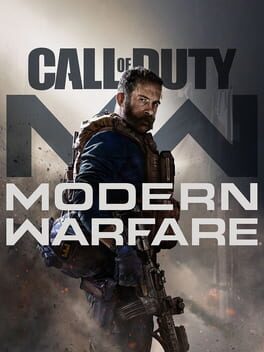
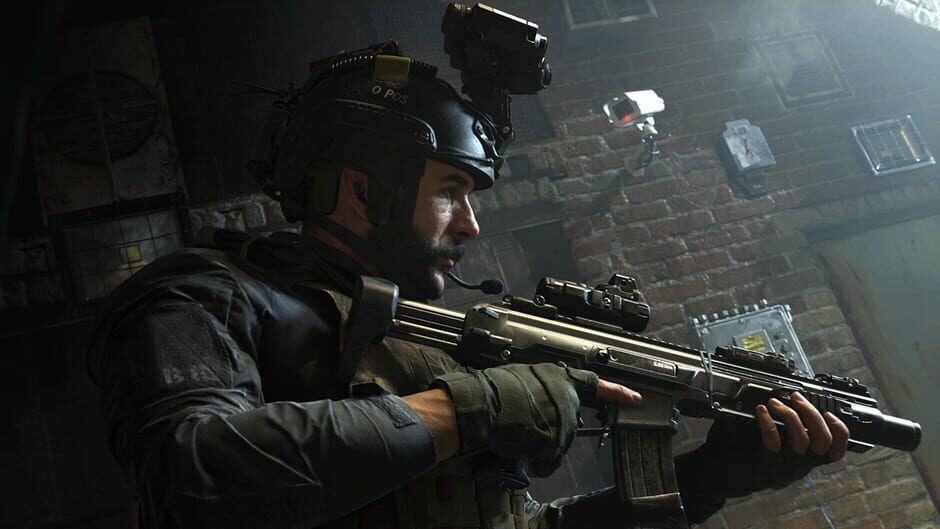
With Call of Duty: Modern Warfare, Infinity Ward does not directly continue the trilogy that began in 2007. The studio reuses certain names, characters and iconic ideas to build a new continuity rooted in a more contemporary vision of conflict. John Price returns in a new incarnation, while Kyle Garrick, Farah Karim and Alex allow the war to be approached from very different perspectives.
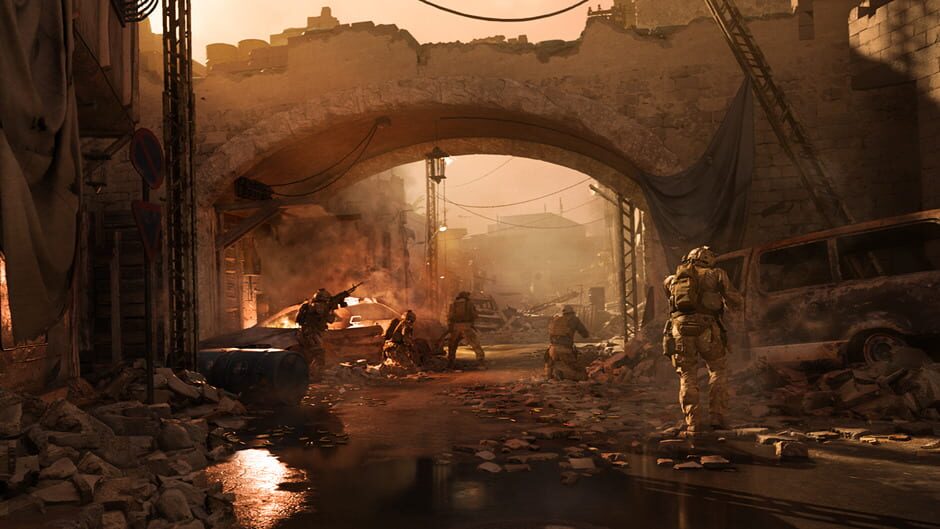
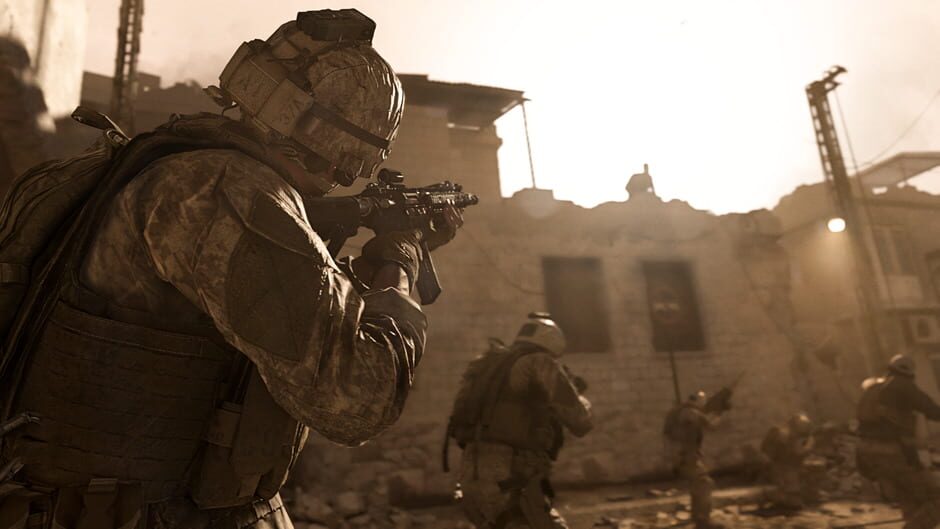
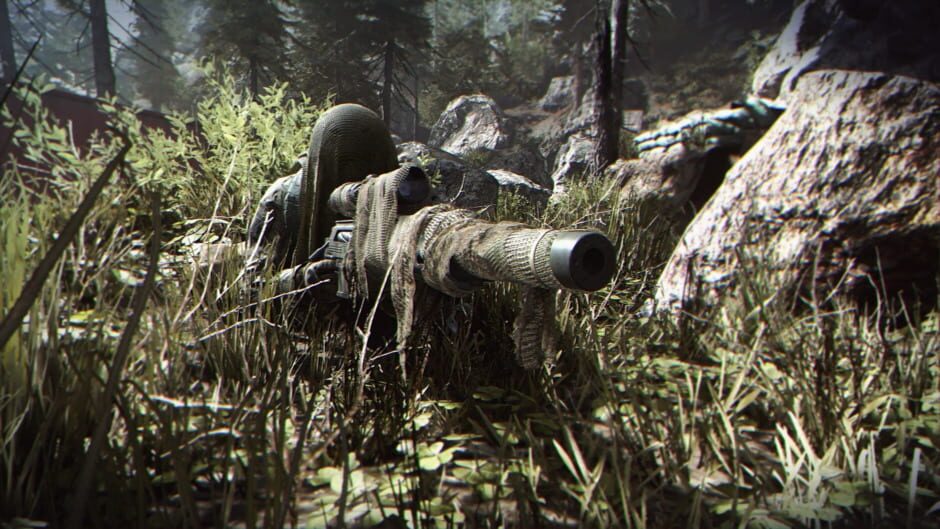
The campaign focuses less on vast military fronts than on operations where soldiers, agents and fighters operate in direct contact with civilian populations. Some missions take place in streets, houses or buildings plunged into darkness, with particular attention given to identifying threats before opening fire. The sequences using night-vision goggles illustrate this approach especially well: slow progression, confined spaces and uncertainty temporarily replace the traditional military spectacle.
This intention also feeds the central theme of the story. The characters are repeatedly confronted with situations where the distinction between combatant, civilian, terrorist and resistance fighter becomes difficult to establish. Farah refuses to let her movement be confused with Al-Qatala despite their opposition to some of the same forces, while Price sometimes accepts methods that others consider morally questionable. The game therefore seeks to portray a war in which the objectives may be clear even when the means used to achieve them are not.
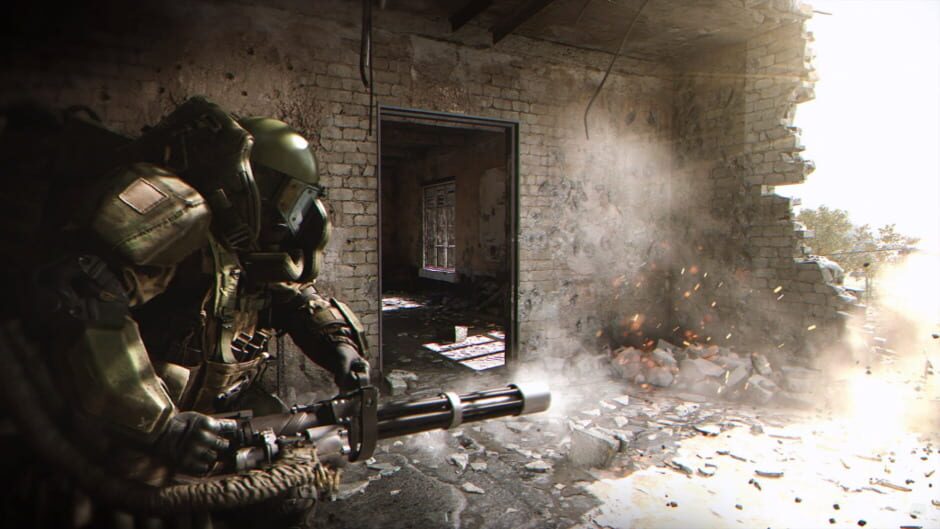
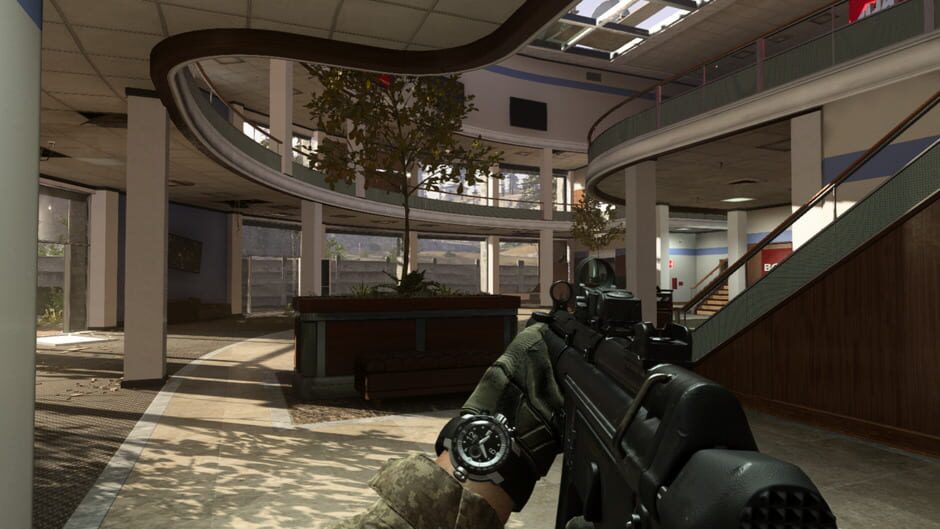
Multiplayer reflects this search for more physical combat in its own way. Weapons place particular emphasis on recoil, sound and animation, while the Gunsmith system allows their behavior to be deeply modified through numerous attachments. Customizing a weapon is no longer simply about adding a few bonuses: barrel length, optics, stocks or grips can alter mobility, accuracy and effectiveness at different ranges.
The available modes also operate on very different scales. Traditional matches retain the fast pace associated with Call of Duty, while Gunfight pits two small teams against each other in compact arenas where every movement immediately matters. At the other end of the spectrum, Ground War opens combat to much larger spaces with more players and vehicles.
This variety does not turn Modern Warfare into a military simulation. The game retains the speed, accessibility and spectacular staging characteristic of the series. The real change lies more in the sensation it seeks to create: making weapons, environments and interventions feel more tangible in order to give greater weight to a formula still deeply focused on action.
What to remember
- A reimagining of the Modern Warfare universe that begins a new continuity in 2019.
- A contemporary campaign following John Price, Kyle Garrick, Alex and Farah Karim.
- A story centered on covert operations, terrorism, the occupation of Urzikstan and the moral ambiguities of conflict.
- More methodical sequences, particularly those using night vision, that contrast with the traditional large-scale action scenes.
- Multiplayer defined by more physical gunplay and the Gunsmith system for extensive weapon customization.
- Battles ranging from the compact Gunfight mode to the larger-scale confrontations of Ground War.
Conclusion
Call of Duty: Modern Warfare succeeds in its return less by reproducing the original trilogy than by rediscovering what made its premise so powerful: confronting a recognizable form of warfare with threats whose methods force the characters to question their own limits.
This ambition gives the campaign some particularly tense sequences when the action slows down and every door, silhouette or movement has to be interpreted before firing. The game nevertheless remains a military blockbuster, and its desire to provoke the player can sometimes simplify complex political conflicts in order to create more immediate dramatic situations.
Multiplayer translates this desire for renewal even more durably. The attention given to weapons, their customization and the variety of formats gives combat a different feeling from previous installments without abandoning the fundamental speed of Call of Duty.
Modern Warfare therefore finds its balance between legacy and reconstruction. Price and certain familiar codes provide points of reference, but Infinity Ward is not simply trying to replay 2007. The game uses a familiar name to rebuild its universe around a contemporary war that feels closer, more physical and deliberately uncomfortable.
Good to know
- Call of Duty: Modern Warfare was developed by Infinity Ward and published by Activision.
- The game was released on October 25, 2019.
- It is a reimagining of the Modern Warfare universe and begins a new continuity separate from the original trilogy.
- John Price returns in this new timeline alongside characters such as Kyle Garrick, Farah Karim and Alex.
- Urzikstan is a fictional country created for the story and serves as one of the campaign’s main settings.
- The game lays the foundations for the new saga later continued by Call of Duty: Modern Warfare II and Call of Duty: Modern Warfare III.