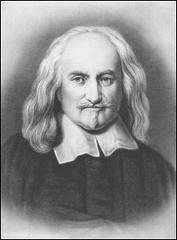
Thomas Hobbes
Details
- Roles
- Author
Referenced works
Referenced works (4)
Hobbes: De Corpore
Author
Published for the first time in 1655, this text is Hobbes' major work in logic, first philosophy and physics, but also one of the greatest metaphysical texts of the 17th century. There we find a theory of logic as calculation, one of the decisive elements of which is a critique of language. This logic is the condition of a first philosophy.
- Philosophy
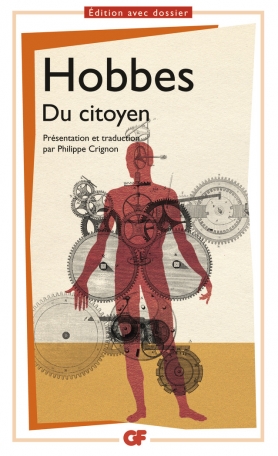
Hobbes: On the Citizen
Author
Retranslated in full for the first time in more than three centuries, Du Citoyen (1642 then 1647) turns out to be much more than a step towards Leviathan. Initially conceived as the third and final section of the Elements of Philosophy, the work was ultimately written and printed before the other two. If the circumstances of the civil war are the occasion for this change of calendar, they above all allow Hobbes to p…
- Philosophy
Hobbes: The Elements of Law, Natural and Politic
Author
The Elements of Natural and Political Law is Hobbes's first political work. Written in 1640, they circulated in manuscript, just before Hobbes returned to France where he remained in exile for eleven years to escape the horrors of the English civil war. The writing of this work is therefore directly linked to the political context. However, Hobbes accomplished a radical deterritorialization of politics. Far from sta…
- Philosophy
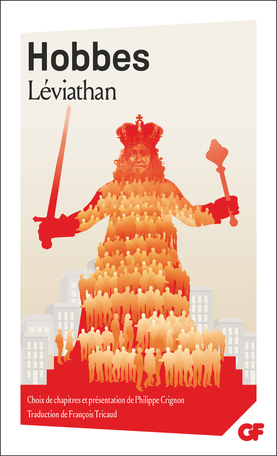
Hobbes: Leviathan
Author
Leviathan by Hobbes (which appeared in 1651) is one of the rare founding texts of philosophy, like Plato's Republic, to which its author compared it. He lays, in fact, the foundations of the modern political tradition, by inventing the myth of sovereignty: considering their natural state, frightened by the deadly exacerbation of their passions, men decided, through their own faculty of wanting and thinking, to equip…
- Philosophy
Information may change.