Origins
Asian popular music does not constitute a single musical genre. It encompasses a multitude of traditions that developed in countries, languages and cultural contexts that differ profoundly from one another.
From Japan to India, from China to the Philippines, and from Korea to Thailand, each region possesses its own musical history. Some traditions are closely associated with cinema, others with radio, popular song, live entertainment or contemporary pop industries.
The expressions K-pop, J-pop, C-pop, T-pop and P-pop have now become familiar. However, they describe realities that are neither equivalent nor rooted in the same historical period.
Contemporary K-pop notably developed around entertainment agencies and the rise of idol groups. J-pop encompasses a much older range of Japanese traditions, extending from popular singers to rock bands and electronic productions.
C-pop brings together several linguistic markets, notably Mandarin- and Cantonese-language popular music. T-pop and P-pop, meanwhile, continue the musical histories of Thailand and the Philippines while incorporating different modern production methods.
The history of this music began long before the emergence of choreographed groups.
During the early 20th century, several major Asian cities underwent profound transformations. Shanghai, Tokyo, Bombay, Hong Kong and Manila gradually became centers of cultural creation and distribution.
The earliest commercial recordings, cinemas and radio stations helped renew the ways songs circulated.
Musicians incorporated instruments and harmonic structures from different traditions.
Jazz, dance orchestras, and European and American songs encountered local repertoires. These influences did not replace existing traditions: they were adapted, transformed and reinterpreted.
The development of music industries also followed the continent's political and social changes.
Colonial periods, wars, national independence movements, migration and economic transformations profoundly influenced creative conditions.
A singer's popularity could therefore depend as much on talent as on the existence of studios, performance venues, broadcasting networks and audiences with access to recordings.
Throughout the century, recorded song became one of the principal means of expressing Asian cultural modernity.
This evolution prepared the emergence of particularly dynamic contemporary scenes.
Shanghai — The First Chinese Popular Songs
During the 1920s and 1930s, Shanghai became one of the great centers of modern popular music in China.
The city possessed a particularly active cultural life in which Chinese musical traditions, American jazz and international songs came together.
Composer Li Jinhui played an important role in this transformation.
He developed music combining Chinese melodies with arrangements inspired by Western orchestras.
This new form of popular song is often described by the term shidaiqu, which can be understood as "songs of the era."
Productions were broadcast on radio, recorded on disc and used in films.
Zhou Xuan became one of the great figures of this period.
Her voice and performances helped establish a particularly recognizable form of urban song.
Bai Guang also contributed to this scene, which developed close relationships with cinema.
Shanghai's songs played a fundamental role in the history of modern Chinese pop.
However, this musical culture underwent profound transformations following the political upheavals of the first half of the 20th century.
The activities of several artists and producers gradually shifted toward Hong Kong and other cultural centers.
Mandarin-language song traditions would continue to develop notably in Taiwan, Hong Kong and Chinese communities across Southeast Asia.
Japan — From Traditional Song to Recorded Music
In Japan, modern popular music developed in a different context.
During the first decades of the 20th century, new recording techniques and radio broadcasting encouraged the emergence of repertoires intended for broad audiences.
Songs gradually incorporated Western instrumental and harmonic influences.
The term kayōkyoku became associated with a large part of Japanese popular song.
It encompasses varied styles whose boundaries evolved throughout the century.
Modern enka represents another important tradition, characterized notably by highly expressive vocal techniques and sentimental themes.
Hibari Misora became one of the great figures of postwar Japanese popular music.
Her career illustrates the decisive role of radio, records and cinema in the rise of major stars.
These traditions would not disappear with the emergence of modern J-pop.
They would provide some of the melodic, vocal and cultural references for subsequent generations.
India — Cinema Becomes a Music Industry
In India, the development of popular music has a particularly strong relationship with cinema.
The arrival of sound films during the early 1930s transformed musical production practices.
Songs quickly came to occupy an essential place in numerous films.
Studios gradually developed an organization in which composers, lyricists, singers and actors participated in different stages of creation.
Prerecorded singing, subsequently synchronized with images, helped establish the tradition of playback singers.
Singers could therefore become major personalities without necessarily appearing on screen.
Lata Mangeshkar occupies a fundamental place in this history.
Her career spans several generations of cinema and popular song.
Asha Bhosle also developed a particularly extensive repertoire, characterized by a great diversity of styles.
Mohammed Rafi and Kishore Kumar became two of the great male voices of film music.
The role of composers was equally important.
R. D. Burman notably helped renew arrangements by incorporating several international musical influences.
However, Indian popular music should not be reduced to the Hindi-language cinema of Bombay.
Tamil, Telugu, Malayalam and other regional film industries developed their own artists and traditions.
This linguistic diversity is one of the fundamental characteristics of Indian musical creation.
Southeast Asia — Popular Traditions Encounter Modernity
In Southeast Asia, modern popular music developed from particularly diverse regional traditions.
Instrumental ensembles, musical theater, rural songs and local vocal practices occupied an important place.
Indonesia, Thailand, Vietnam, Malaysia and the Philippines underwent different transformations during the 20th century.
Recorded songs gradually began incorporating electric instruments, Western orchestration and influences from cinema.
Exchanges between different territories were numerous.
Indian music notably influenced certain Indonesian popular traditions.
American and European songs contributed to several developments in Filipino music.
However, local musical cultures transformed these influences according to their own languages and practices.
This diversity explains why contemporary labels such as T-pop, P-pop and V-pop are insufficient to tell the musical histories of these countries.
They describe recent developments rooted in much older traditions.
Emergence and Early Musical Scenes
The 1950s–1970s — Japan Builds Its Pop Industry
After the Second World War, the Japanese music industry underwent significant transformation.
Records, television and major variety shows helped develop a particularly dynamic national market.
Popular singers gradually became media personalities.
During the 1960s, rock, folk song and productions inspired by international pop enriched musical repertoires.
The 1970s witnessed the emergence of new generations of artists.
Momoe Yamaguchi became one of the great figures of Japanese popular song.
The development of music television programs also encouraged the emergence of the first major idol phenomena.
These artists were presented through their music, but also through their personalities, public images and television appearances.
This organization anticipated certain characteristics of contemporary idol industries.
However, Japanese music was not limited to these performers.
Rock bands, singer-songwriters and experimental musicians contributed to a particularly diverse evolution.
City Pop — Urban Japan in the 1970s and 1980s
From the second half of the 1970s onward, several Japanese artists developed music influenced by funk, soul, jazz fusion and American pop.
This aesthetic would gradually become associated with the expression city pop.
It often evoked urban landscapes, leisure, travel and transformations in Japanese society.
Haruomi Hosono participated in several stages of its development.
Tatsuro Yamashita became one of its great references.
His album For You, released in 1982, illustrated particularly polished production combining instrumental arrangements and pop melodies.
Mariya Takeuchi also developed a repertoire that would find a new audience several decades later.
Anri belonged to this generation of female singers whose productions combined pop, funk and urban sounds.
However, city pop is not a genre with perfectly defined boundaries.
It encompasses different musical sensibilities connected to a particular era and cultural environment.
During the 2010s, several recordings from this period experienced renewed international interest through video platforms and record-collecting communities.
This revival helped audiences discover an important part of Japanese popular music from previous decades.
The 1970s–1980s — The Age of Japanese Idols
During the 1970s and especially the 1980s, idols occupied an increasingly important position in the Japanese music industry.
Their careers relied on songs, television programs, magazines and advertising activities.
Seiko Matsuda became one of the great figures of this period.
Akina Nakamori represented another approach, often characterized by a more dramatic aesthetic and particularly assertive performances.
Musical productions were frequently developed by teams of composers, arrangers and producers.
The artist's public image played a central role.
But these careers did not depend solely on appearance.
Melodies, arrangements and performance quality contributed strongly to their popularity.
Japan thus developed an idol tradition whose characteristics differed from those the South Korean industry would later adopt.
This tradition would undergo profound transformations with the emergence of new groups and models of fan engagement.
Taiwan and Hong Kong — Two Major Centers of Sinophone Pop
During the second half of the 20th century, Taiwan and Hong Kong became two major centers of musical creation.
In Taiwan, Mandarin-language song underwent significant development.
Teresa Teng became one of the most influential voices in Sinophone popular music.
Her songs circulated widely among audiences speaking different Chinese languages, as well as in Japan and several regions of Asia.
Meanwhile, Cantonese-language song developed its own artists and traditions in Hong Kong.
This scene is generally described by the term Cantopop.
During the 1980s, Leslie Cheung and Anita Mui became two of its principal figures.
Cinema and popular music maintained particularly close relationships.
Actors could pursue singing careers, while songs contributed to the success of films and television series.
Jacky Cheung, Andy Lau, Aaron Kwok and Leon Lai subsequently became major personalities within this industry.
These scenes helped build a musical culture extending far beyond Taiwan and Hong Kong.
They also prepared the international expansion of contemporary C-pop.
Indonesia — Dangdut Becomes a Major Popular Music
In Indonesia, dangdut represents one of the most important popular traditions of the 20th century.
Its origins lie notably in Malay musical ensembles, influences from Indian film music and different local traditions.
During the 1970s, the genre underwent a particularly important transformation.
Rhoma Irama helped develop an aesthetic combining popular rhythms, electric guitars and modern arrangements.
His work with Elvy Sukaesih contributed to this evolution.
Dangdut became music deeply associated with everyday life and working-class audiences.
Its songs could address love, social difficulties, family relationships and religious questions.
The genre subsequently evolved into several forms, some incorporating rock, pop and electronic production.
Meanwhile, Indonesia developed national rock and pop scenes.
These traditions would continue evolving during the 1990s and 2000s while retaining an identity distinct from the Japanese and Korean pop industries.
Thailand — Luk Thung, Mor Lam and Popular Song
Thailand possesses a musical history that did not begin with contemporary T-pop.
Luk thung developed during the middle of the 20th century and became an important popular song tradition.
It is notably associated with experiences of rural life, migration toward cities and everyday difficulties.
Pumpuang Duangjan became one of the great figures of this repertoire.
In the country's northeast, mor lam traditions also occupy a fundamental place.
They rely notably on forms of singing and storytelling connected to Isan culture.
Exchanges between luk thung and mor lam contributed to the development of several hybrid forms.
Meanwhile, Thai artists drew inspiration from international rock and pop.
Carabao became an important band within phleng phuea chiwit, a song tradition notably associated with social concerns.
Contemporary Thai pop was therefore built upon a particularly diverse musical history.
The Philippines — OPM Builds Its Identity
In the Philippines, popular song traditions developed through relationships between local music, Hispanic legacies, American influences and film productions.
The expression Original Pilipino Music, generally abbreviated as OPM, became particularly important from the 1970s onward.
It describes a broad range of original Filipino musical productions rather than a single style.
The group Hotdog participated in this period, notably through the development of urban pop associated with the Manila sound.
Artists used Filipino, English and different local languages.
The following decades witnessed the emergence of major popular voices.
Regine Velasquez became an important figure in Filipino popular song.
Lea Salonga achieved international recognition, notably through musical theater.
Rock bands also contributed to the development of OPM.
Eraserheads became one of the principal references of the Filipino rock scene during the 1990s.
This history formed the context in which contemporary P-pop would emerge several decades later.
Vietnam — Modern Song and Its Transformations
In Vietnam, the history of modern popular music has been shaped by several political and cultural periods.
During the first half of the 20th century, local vocal traditions gradually encountered new forms of composition and instrumentation.
The tân nhạc, or modern music movement, contributed to this evolution.
Phạm Duy became one of the important figures of 20th-century Vietnamese song.
Trịnh Công Sơn also developed a major repertoire characterized by poetic writing and human concerns.
Wars, political divisions and migration profoundly influenced creative and distribution conditions.
Vietnamese communities established abroad subsequently participated in preserving and transforming several repertoires.
Vietnamese popular song continued evolving through television, new studios and digital technologies.
These transformations prepared the development of contemporary V-pop.
The Golden Age
The 1990s — J-Pop Takes on a New Dimension
During the 1990s, the Japanese music industry experienced a particularly important period.
The expression J-pop spread to describe a new generation of Japanese popular music.
It did not correspond to a single style.
The term could encompass pop, rock, dance, R&B and different forms of contemporary song.
Namie Amuro became an important figure of this period, notably by combining pop and dance music influences.
Ayumi Hamasaki subsequently developed a career particularly marked by melodies, ambitious productions and a strong visual identity.
Hikaru Utada brought another direction, influenced notably by R&B and international pop.
Her album First Love, released in 1999, became a major work of this generation.
Meanwhile, Japanese rock also played an important role.
X Japan contributed to the development of visual kei, a movement characterized notably by particularly assertive aesthetic and stage presentation.
J-pop in the 1990s therefore represented a particularly diverse collection of musical scenes.
It cannot be reduced solely to the history of idol groups.
South Korea, 1992 — Seotaiji and Boys Transform Pop
The year 1992 represents a major milestone in the history of South Korean popular music.
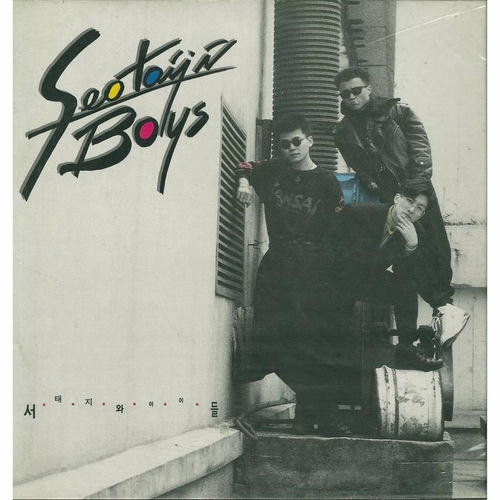
Seotaiji and Boys : 서태지와 아이들 emerged with music combining rap, hip-hop, rock and electronic influences.
The group developed an aesthetic particularly different from many of the popular songs that dominated at the time.
Their debut album, Seo Taiji and Boys, released in 1992, marked an important transformation.
Rhythms, vocal performances and choreography helped renew the expectations of young audiences.
However, the group did not represent the birth of all Korean popular music.
The country already possessed a long history of songs, ballads, rock and trot.
The group's importance lies in the way it helped transform production models and the tastes of a new generation.
Teenagers became a central audience.
Relationships between music, fashion and performance acquired increasing importance.
This evolution prepared the emergence of the modern idol system.
1996–2000 — The First Generation of Korean Idols
During the second half of the 1990s, several South Korean agencies developed new methods of musical production.
Artists were recruited, trained and supported through organized systems.
Singing, dancing and stage presence became central elements of group preparation.
H.O.T. represented one of the first major references of this generation.
Sechs Kies also participated in this period.
In 1997, S.E.S. emerged and became one of the principal female groups of the first generation.
The group developed music combining pop, R&B and choreographed performances.
Their album S.E.S., released in 1997, became an important reference.
Fin.K.L, formed the following year, also contributed to the development of girl groups.
The album Blue Rain, released in 1998, belonged to this early period.
These groups gradually established a new relationship with fans.
Music programs, fan clubs and merchandise associated with artists became important components of the industry.
Modern K-pop was beginning to take shape before gradually expanding into other Asian countries.
The 2000s — The Korean Wave Crosses Borders
From the 2000s onward, South Korean popular culture experienced growing expansion across Asia.
This development is associated with Hallyu, or the Korean Wave.
Television series, cinema and music contributed to the movement.
Within the music industry, several artists developed international careers.
BoA played a major role in the expansion of Korean pop in Japan.
TVXQ! also became an important group in exchanges between the Korean and Japanese markets.
BIGBANG developed an aesthetic combining hip-hop, pop and electronic music.
Their influence helped broaden the musical possibilities of idol groups.
Super Junior and SHINee also contributed to the development of this generation.
Meanwhile, female groups gained increasing importance.
This period prepared the international expansion that would characterize the following decade.
2007–2012 — Girl Groups Redefine K-Pop
The year 2007 marked the emergence of several particularly important female groups.
Girls’ Generation developed an aesthetic built around pop melodies, collective choreography and a strong group identity.
Their album Girls’ Generation, released in 2007, belonged to this early period.
The track "Gee," released in 2009, became one of the emblematic songs of this generation.
The album I GOT A BOY, released in 2013, subsequently illustrated a more experimental approach to pop structures.
Wonder Girls also contributed to the international development of K-pop.
The group notably explored retro influences and dance music.
Kara enjoyed significant popularity in South Korea and Japan.
2NE1 developed a different identity characterized by hip-hop and electronic influences and a particularly assertive image.
Their album To Anyone, released in 2010, helped establish this direction.
With CRUSH, released in 2014, the group continued this evolution.
These groups demonstrated that Korean girl groups did not correspond to a single musical model.
They could emphasize melodic pop, retro influences, hip-hop or electronic experimentation.
Japan in the 2000s — AKB48 and the Large Idol Group Model
In Japan, the idol industry underwent a major transformation of its own.
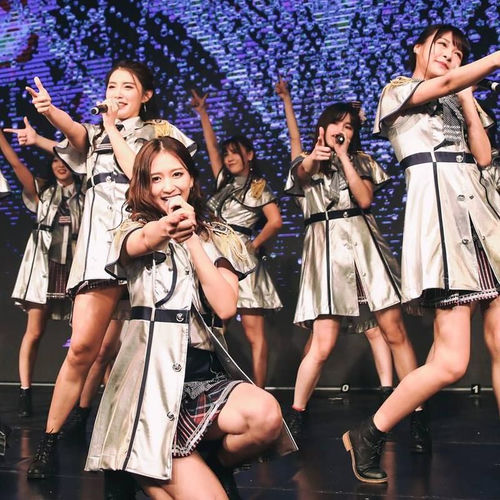
AKB48 formed in 2005 around a project developed by producer Yasushi Akimoto.
The group relied notably on a theater located in Tokyo's Akihabara district.
Its organization was built around several teams, regular performances and a particularly developed relationship with fans.
The group's popularity helped renew the Japanese idol model.
Members could join or leave the group, while new generations gradually took their places.
The album 1830m, released in 2012, belonged to this period of expansion.
The model subsequently inspired several related groups.
HKT48 developed in Japan, while other groups emerged abroad.
However, this organization should not be confused with the Korean agency system.
The Japanese tradition often emphasizes a particular relationship between members and fans, as well as the visible development of artists within the group.
These differences partly explain the coexistence of several conceptions of idols in Asia.
Perfume — J-Pop Meets Electronic Music
During the 2000s, Perfume helped transform relationships between J-pop and electronic music.
The trio developed an aesthetic based on synthesizers, programmed rhythms and choreographed performances.
Musical production occupied a central place in its identity.
The album GAME, released in 2008, helped establish this direction among a broad audience.
With JPN, released in 2011, the group continued its development.
COSMIC EXPLORER, released in 2016, deepened relationships between electronic music and pop.
Perfume's stage performances often combined precise choreography, visual technologies and elaborate stage design.
The group demonstrated that a Japanese female group could develop an approach particularly connected to electronic experimentation.
This approach would influence several generations of producers and groups.
Taiwan — S.H.E and the New Mandarin Pop
During the early 2000s, Taiwan occupied a major place in Mandarin pop production.
The group S.H.E emerged in 2001 and became one of the most important female groups of the period.
Their music combined pop melodies, ballads and different international influences.
The album 女生宿舍, released in 2001, marked the beginning of their recording career.
The group subsequently enjoyed significant popularity across several Asian markets.
The album 不想長大, released in 2005, illustrated this period of recognition.
Meanwhile, Jay Chou helped transform Mandarin-language song.
His productions notably combined R&B, hip-hop, pop and Chinese musical references.
Jolin Tsai developed a particularly influential career in dance-pop.
A-Mei represented another tradition, built around vocal expressiveness and popular song.
Stefanie Sun, originally from Singapore, also participated in the expansion of Mandarin pop.
Mandopop thus became a transnational scene connecting Taiwan, Singapore, Malaysia, mainland China and several international communities.
C-Pop — An Industry with Multiple Languages
The term C-pop generally describes popular music associated with the Sinophone world.
However, it encompasses particularly different linguistic markets and traditions.
Mandopop primarily emphasizes Mandarin-language song.
Cantopop developed around Cantonese-language songs, notably in Hong Kong.
Faye Wong became one of the great figures of Sinophone pop, developing productions incorporating several alternative and experimental influences.
Eason Chan contributed to the evolution of Hong Kong popular song.
The group Beyond also contributed to the history of Cantonese rock.
In Taiwan, Mayday developed a pop-rock aesthetic that reached a particularly large audience.
In mainland China, music competitions and digital platforms helped bring new generations to prominence.
Li Yuchun participated in the evolution of television competitions and pop careers.
G.E.M. developed an important career across several Sinophone markets.
C-pop is therefore not a variation of K-pop.
It possesses its own origins, industrial structures and musical traditions.
The 2010s — K-Pop Becomes Global
During the 2010s, the expansion of social networks and video platforms profoundly transformed the circulation of K-pop.
Music videos could now directly reach audiences in different countries.
Groups developed particularly active international communities.
PSY achieved worldwide success with "Gangnam Style," released in 2012.
This popularity helped give South Korean music considerable visibility.
BTS subsequently became one of the great references of K-pop's international expansion.
The group developed music combining hip-hop, pop and different contemporary influences.
Their album Love Yourself: Tear, released in 2018, belonged to this period of worldwide recognition.
EXO also contributed to the international expansion of boy groups.
Meanwhile, several girl groups experienced growing popularity.
Red Velvet developed an identity combining melodic pop, R&B and experimentation.
Their album Perfect Velvet, released in 2017, illustrated this diversity.
Mamamoo emphasized strong vocal presence and soul and jazz influences.
DREAMCATCHER notably explored relationships between K-pop, rock and metal.
These groups demonstrated that the genre's international success relied on several musical aesthetics rather than a single sonic formula.
TWICE and BLACKPINK — Two Major Visions of K-Pop
During the mid-2010s, two female groups became particularly important.
TWICE emerged in 2015.
The group initially developed energetic melodic pop accompanied by particularly recognizable choreography.
The album THE STORY BEGINS, released in 2015, marked their recording debut.
With twicetagram, released in 2017, TWICE continued its development.
The group subsequently evolved its aesthetic.
Feel Special, released in 2019, followed by Eyes wide open, released in 2020, illustrated a more mature direction and more varied productions.
BLACKPINK emerged in 2016.
The group developed a different aesthetic combining pop, hip-hop and electronic music.
Its performances relied notably on contrasts between singing, rap and powerful choruses.
The album THE ALBUM, released in 2020, represented an important milestone.
With BORN PINK, released in 2022, BLACKPINK confirmed its position among the most visible female groups in global popular music.
The two groups represented distinct approaches to international success.
Their importance relied as much on their songs as on their performances, visual identities and relationships with audiences.
f(x), Red Velvet and Korean Pop Experimentation
K-pop history is not limited to its most directly commercial productions.
Several groups developed particularly inventive approaches.
f(x) occupies an important place in this evolution.
Their album Pink Tape, released in 2013, combined several electronic and pop influences within a particularly coherent project.
The group continued experimenting with Red Light, released in 2014, followed by 4 Walls in 2015.
Red Velvet also developed an aesthetic characterized by diverse arrangements.
The group could move from particularly energetic productions to songs closer to R&B.
Mamamoo placed considerable importance on vocal harmonies and performance.
These approaches demonstrated that K-pop also represents a space for musical exploration.
The diversity of producers, composers and performers contributes to continually renewing its sounds.
The 2010s — The Renewal of Japanese Idols
During the 2010s, several idol traditions coexisted in Japan.
The large-group model retained an important position.
Nogizaka46 developed a musical and visual identity different from that of AKB48.
Sakurazaka46 continued another tradition of female groups organized around collective performances.
Groups such as =LOVE and ≠ME also contributed to this diversity.
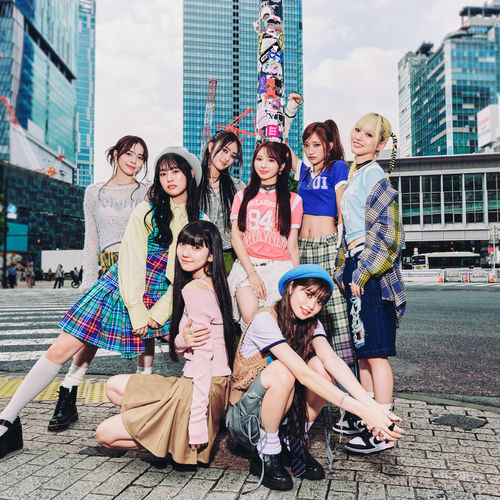
FRUITS ZIPPER and CANDY TUNE more recently helped renew certain expressions of Japanese idol pop.
Their aesthetic placed great importance on colors, choreography and visual identity.
But other groups chose particularly different directions.
ATARASHII GAKKO! developed music and performances combining pop, dance and alternative influences.
Babymetal explored an original encounter between idol culture and heavy metal.
Their album BABYMETAL, released in 2014, helped establish this identity.
The Japanese scene thus retained great diversity, ranging from melodic songs to more experimental performances.
Digital Japan — Vocaloid, Animation and New Generations
Digital technologies also helped transform Japanese popular music.
The development of vocal synthesis allowed composers to produce songs using artificial voices.
The release of Hatsune Miku in 2007 became a major event in this evolution.
This is not a human singer but a character associated with vocal synthesis technology.
Producers could compose works using the voice and then distribute them through digital platforms.
This practice helped establish new creative networks.
Vocaloid culture therefore possesses a particular relationship with online communities, illustration and animation.
Artists such as Kenshi Yonezu participated in this history, notably through their earliest composition experiences in this environment.
YOASOBI represents another development in contemporary Japanese pop.
The duo creates songs closely connected to storytelling and digital production.
Ado also achieved significant popularity through particularly expressive vocal performances.
Music associated with animated series represents another important part of the Japanese industry.
LiSA contributed to the international recognition of several anime songs.
This evolution demonstrates that contemporary J-pop is also shaped through platforms, creative communities and audiovisual universes.
China — Idol Groups and Competition Shows
From the 2010s onward, several Chinese productions developed formats inspired by Asian idol industries.
SNH48 emerged in Shanghai in 2012, with a model initially linked to AKB48, before continuing its development independently.
The group gradually built a large organization of members, teams and productions.
7SENSES represented another expression of this scene, with a direction particularly focused on performance and choreography.
Television competition programs also helped form new groups.
Rocket Girls 101 became one of the important groups of this period.
The Nine subsequently participated in a new generation of girl groups.
Other formations, such as SING女团, explored relationships between modern pop and Chinese cultural references.
China thus developed several models of idol production.
Some adopted Japanese principles, while others incorporated more of the training and performance methods associated with K-pop.
However, these developments occurred within a market possessing its own regulations, platforms and consumer habits.
Hong Kong and Taiwan — New Generations
Sinophone popular music continued evolving beyond mainland China.
In Hong Kong, new groups emerged notably through music competition programs.
MIRROR contributed to a new period of popularity for boy groups.
Collar represented an important development in the contemporary female scene.
In Taiwan, several groups also developed distinctive identities.
HUR+ participated in this new generation.
Mandopop and Cantopop traditions thus continued renewing themselves.
Artists could now build their audiences through social networks and streaming services, alongside television channels and record labels.
This transformation encouraged collaborations between different Sinophone markets.
Thailand — From T-Pop to New Girl Groups
During the 2010s and 2020s, Thailand underwent an important transformation of its pop scenes.
The country already possessed several generations of popular singers.
Bird Thongchai represents one of the great figures of modern Thai pop.
Tata Young also contributed to its international development.
Palmy and Bodyslam participated in different expressions of Thai pop and rock.
The development of idol groups subsequently introduced new production methods.
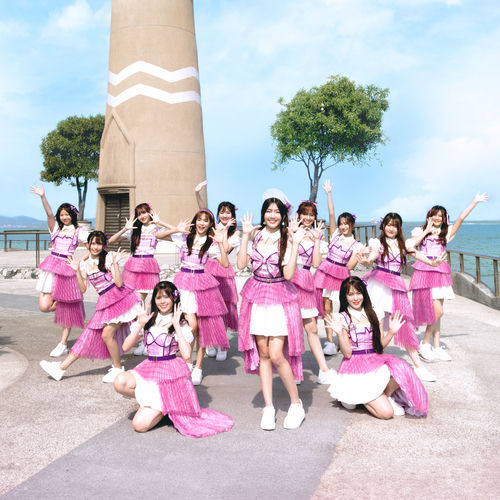
BNK48 emerged in 2017 as part of the international expansion of the Japanese AKB48 model.
The group developed a repertoire and organization adapted to Thai audiences.
CGM48 continued this evolution in the Chiang Mai region.
Meanwhile, several groups developed a model more directly connected to contemporary pop.
4EVE emerged in 2020 and became one of the important groups of this new generation.
Their album GLOW illustrated this musical evolution.
PiXXiE also developed an aesthetic combining pop, dance and electronic production.
Pretzelle, 4EVE and other groups thus participated in establishing a T-pop scene with several identities.
However, these groups represent only part of contemporary Thai music.
Luk thung and mor lam traditions continue occupying important positions among different audiences.
Contemporary T-Pop — An Increasingly Diverse Scene
During the 2020s, the Thai industry continued developing.
Girl groups occupied an increasingly important position, but male artists and solo careers also contributed to this evolution.
BUS notably participated in the visibility of new boy groups.
MILLI represented another direction, strongly connected to rap and urban music.
Other groups such as 4EVE and PiXXiE developed productions suited to digital platforms.
Their music incorporated R&B, hip-hop, dance-pop and electronic influences.
Music videos and choreographed performances became important elements of their identity.
However, T-pop does not represent a simple reproduction of K-pop.
It developed within a different linguistic and cultural context.
Artists used Thai and built relationships with local musical traditions.
The international influence of production methods was therefore accompanied by a desire to establish distinctive identities.
The Philippines — From OPM to New P-Pop
During the late 2010s, the Philippines experienced a new transformation of its pop industry.
OPM retained an essential place in national musical culture.
But several groups adopted production methods associated with contemporary idol industries.
SB19, which emerged in 2018, played a major role in this evolution.
The group combined singing, rap and choreography while developing a deeply Filipino musical identity.
Their album Get in the Zone, released in 2020, belonged to this early period.
MNL48 also participated in the local history of idol groups through its connection with the Japanese AKB48 model.
However, P-pop's development did not rely solely on Korean or Japanese influences.
It continued broader Filipino traditions of pop, singing and entertainment.
Earlier groups such as SexBomb Girls had already demonstrated the importance of dance and collective performances in popular culture.
New generations reinterpreted these traditions using contemporary production methods.
Bini — A New Generation of Filipino Pop
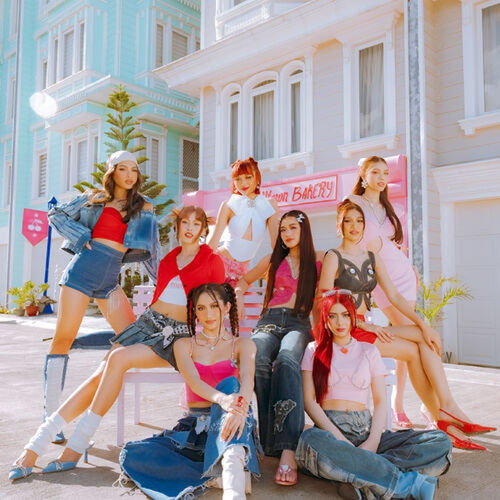
Bini became one of the principal figures of the renewal of female P-pop.
The group developed music combining accessible melodies, dance rhythms and collective vocal performances.
Its repertoire notably used Filipino and English.
The album Born to Win, released in 2021, belonged to its early recording period.
With Talaarawan, released in 2024, the group achieved particularly significant recognition.
The songs emphasized a colorful pop aesthetic and themes connected to youth, human relationships and everyday experiences.
G22 developed a different image, characterized by more assertive performances.
4th Impact also represented another expression of Filipino female vocal groups.
Other formations participated in the market's expansion.
ALAMAT notably developed an approach incorporating several Filipino linguistic and cultural references.
P-pop thus demonstrated that a group model inspired by different international industries could become a space for local creation.
Contemporary India — Between Cinema, Pop and New Scenes
While idol groups developed in East and Southeast Asia, India continued along a different musical path.
Cinema remained a fundamental center of popular production.
Ilaiyaraaja helped transform arrangements and compositions across several Indian film industries.
A. R. Rahman achieved particularly significant recognition from the 1990s onward.
The soundtrack to Roja, released in 1992, marked a major milestone in his career.
His compositions combined different instrumental traditions, electronic influences and orchestral arrangements.
Playback singers continued playing an essential role.
Shreya Ghoshal and Arijit Singh became important voices in contemporary song.
Meanwhile, independent music developed its own networks.
Modern bhangra, originating from Punjabi traditions, underwent several transformations connected to electronic production and communities established abroad.
Daler Mehndi participated in its popularity among different audiences.
Diljit Dosanjh contributed to the international expansion of contemporary Punjabi music.
AP Dhillon represented another generation characterized by relationships between Punjabi music, hip-hop and R&B.
This diversity reminds us that Indian popular music extends far beyond Bollywood productions alone.
Pakistan and Bangladesh — Other Histories of Song
In South Asia, Pakistan and Bangladesh also possess particularly rich musical traditions.
In Pakistan, popular music maintains important relationships with cinema, poetry and regional vocal traditions.
Nusrat Fateh Ali Khan contributed to the international recognition of qawwali, a Sufi musical tradition that has undergone transformations in contemporary contexts.
Atif Aslam became an important figure in modern popular song.
Ali Sethi developed an approach combining different vocal traditions and contemporary production.
In Bangladesh, modern song draws on a vast musical heritage encompassing folk, poetic and cinematic traditions.
Runa Laila contributed to the history of popular song in several South Asian languages.
These scenes should not be considered secondary extensions of the Indian industry.
They possess their own artists, languages, repertoires and production histories.
Indonesia — From National Pop to International Artists
Indonesia also continued evolving during the 1990s and 2000s.
Dangdut traditions retained significant popularity.
Didi Kempot contributed to the recognition of Javanese popular song and different forms of regional music.
Meanwhile, Indonesian pop and rock experienced considerable expansion.
Dewa 19 became one of the important groups in this history.
Anggun developed an international career that helped introduce an artist from the Indonesian scene to new audiences.
Agnez Mo represented another generation, combining pop and R&B.
During the 2010s, several Indonesian artists developed careers strongly connected to digital platforms.
Rich Brian contributed to the international visibility of Indonesian hip-hop.
NIKI developed music combining R&B and contemporary pop.
Raisa represented another direction of Indonesian pop songwriting.
Meanwhile, JKT48 participated in establishing the Japanese idol model in the country.
Indonesia thus possessed a musical market in which popular traditions, rock, hip-hop, pop and idol groups coexisted.
Malaysia and Singapore — Multilingual Music Markets
Malaysia and Singapore play important roles in the circulation of Asian popular music.
These countries possess particularly diverse linguistic markets.
Malay-language song, Mandarin pop and English-language productions contribute to their music industries.
In Malaysia, Siti Nurhaliza became one of the great figures of popular song.
Sheila Majid notably contributed to developing pop influenced by jazz and R&B.
Yuna subsequently achieved international recognition with a particularly melodic aesthetic.
In Singapore, Stefanie Sun participated in Mandopop's popularity.
JJ Lin also became a major figure in Mandarin-language music.
Tanya Chua developed an important career within the same linguistic sphere.
These careers demonstrate that an artist's national identity and the language of their songs do not necessarily correspond to a single musical market.
A production made in Singapore can therefore reach a substantial audience in Taiwan, China or other Sinophone communities.
Vietnam — V-Pop and Digital Platforms
During the 2000s and 2010s, Vietnamese popular music underwent significant transformation.
The development of new studios, music channels and digital platforms encouraged the emergence of new generations.
Mỹ Tâm became one of the great figures of contemporary Vietnamese pop.
Sơn Tùng M-TP subsequently developed a career particularly marked by modern production and music videos.
Hoàng Thùy Linh helped renew encounters between electronic pop and Vietnamese cultural references.
Rap scenes also experienced significant expansion.
Đen Vâu developed songwriting particularly connected to everyday stories and social observation.
tlinh represented another generation, combining rap, R&B and pop.
V-pop thus became a diverse collection of styles rather than a single musical formula.
Vietnamese occupied a central place, while international influences were adapted to local tastes and traditions.
The 2020s — K-Pop Multiplies Its Identities
During the 2020s, K-pop continued its international expansion.
Several new female groups developed distinct aesthetics.
Aespa offered a universe marked by digital references, electronic productions and a particularly constructed visual identity.
The album Armageddon, released in 2024, belonged to this evolution.
IVE developed particularly assertive melodic pop.
LE SSERAFIM emphasized energetic performances and a recognizable artistic identity.
NewJeans helped renew certain pop sounds by drawing notably on R&B and dance influences from previous decades.
The EP Get Up, released in 2023, illustrated this direction.
ILLIT developed another approach based on particularly accessible melodies and contemporary production.
Nmixx explored musical structures combining several styles.
TripleS developed a particularly original group model built around subunits and different forms of fan participation.
Kiss of Life, Babymonster, MEOVV, Hearts2Hearts and several other groups contributed to renewing the scene.
These artists belonged to relatively close generations but did not all follow the same musical direction.
Their diversity demonstrated that K-pop continued evolving beyond the aesthetic categories that had characterized its earliest decades.
(G)I-DLE, ITZY and the Assertion of Artistic Identities
Other groups contributed to developing particularly assertive forms of pop.
(G)I-DLE occupies an important place in this evolution, notably through the involvement of certain members in songwriting and composition.
The album I NEVER DIE, released in 2022, illustrated an aesthetic characterized by varied influences and a strong group identity.
ITZY developed music built around energy, choreography and themes of personal empowerment.
Their album CRAZY IN LOVE, released in 2021, belonged to this evolution.
Everglow, Purple Kiss and Kep1er represented other directions within Korean girl-group pop.
Stayc developed particularly recognizable melodies.
FIFTY FIFTY also participated in the international expansion of certain Korean productions.
These different projects demonstrated that the scene cannot be summarized by a few dominant groups.
It relies on a very extensive collection of artists, producers and musical sensibilities.
XG, NiziU and KATSEYE — Boundaries Become More Open
The 2020s also witnessed the emergence of projects challenging conventional national categories.
XG is a Japanese group developing music strongly influenced by hip-hop and R&B, with an international orientation.
Their EP NEW DNA, released in 2023, illustrated this aesthetic.
NiziU represented another model.
The Japanese group belongs to a production approach associated with methods used in the South Korean industry.
This organization demonstrated that training and promotion techniques now circulated between several markets.
KATSEYE represented another development.
The group is an international project based in the United States, developed through training methods close to those of K-pop.
Their EP SIS (Soft Is Strong), released in 2024, belonged to this early period.
It would therefore be inaccurate to automatically classify all these groups as South Korean acts.
They instead illustrate the internationalization of production, recruitment and promotion methods originating from several Asian industries.
From Central Asia to West Asia — Other Popular Scenes
The history of Asian popular music is not limited to East and Southeast Asia.
In Turkey, modern pop possesses an important history built around encounters between local musical traditions and international arrangements.
Sezen Aksu became one of the principal figures of Turkish popular song.
Tarkan subsequently contributed to its international recognition.
In Iran, Googoosh occupies a fundamental place in pop history, notably during the 1970s.
Her career also illustrates the profound consequences of political transformations for music and artistic life.
In Central Asia, several music industries developed their own forms of pop.
In Kazakhstan, the group Ninety One contributed to the emergence of Q-pop from 2015 onward.
This scene adopted certain production methods associated with K-pop while developing a distinctive Kazakh linguistic and cultural identity.
These examples remind us that Asian popular music possesses a much broader geography than that of the most visible idol industries.
Movements and Subgenres
J-Pop
J-pop describes a broad range of contemporary Japanese popular music.
It can include pop, rock, electronic productions and music strongly influenced by R&B.
Hikaru Utada, Namie Amuro and Ayumi Hamasaki represent different stages of its modern development.
The term does not correspond to a single sound.
It encompasses particularly diverse traditions and artists.
K-Pop
Today, K-pop primarily describes contemporary forms of South Korean popular music associated with idol industries and international pop production.
It maintains important relationships with hip-hop, R&B, dance and electronic music.
Girls’ Generation, TWICE and BLACKPINK represent several generations of this evolution.
The genre also includes solo artists and scenes that do not always correspond to the model of choreographed groups.
C-Pop, Mandopop and Cantopop
C-pop brings together different popular traditions associated with the Sinophone world.
Mandopop primarily describes Mandarin-language productions.
Cantopop developed around Cantonese-language songs, particularly in Hong Kong.
S.H.E represents an important stage in Mandopop during the 2000s.
These categories are linguistic and cultural as much as musical.
T-Pop
T-pop describes contemporary Thai pop.
It maintains relationships with the country's popular traditions as well as international production methods.
4EVE, PiXXiE and BNK48 represent different expressions of this scene.
The idol group model constitutes only one part of it.
Thai pop also includes numerous solo singers and rock bands.
P-Pop
P-pop describes contemporary forms of Filipino pop, notably new generations of idol groups.
It belongs to the broader historical continuity of OPM.
Bini and G22 contribute to the expansion of girl groups.
The scene develops a musical identity combining Filipino languages, English and international influences.
V-Pop
V-pop encompasses different forms of contemporary Vietnamese popular music.
It notably includes melodic pop, electronic music, ballads and hip-hop.
Sơn Tùng M-TP and Mỹ Tâm represent different generations of this evolution.
The genre develops primarily through Vietnamese productions and digital platforms.
Q-Pop
Q-pop describes a contemporary form of Kazakh pop.
It developed notably from the mid-2010s onward.
The group Ninety One contributed to its establishment.
Q-pop incorporates certain influences from Asian idol industries but possesses its own linguistic and cultural identity.
Idol Music
Idol music describes a model of producing and representing artists rather than a single sonic style.
Groups may perform pop, rock, hip-hop or electronic music.
AKB48 represents a particularly important Japanese tradition.
Korean industries developed different models built notably around training periods and collective performances.
Fan engagement practices occupy a central place in these systems.
City Pop
City pop developed primarily in Japan during the 1970s and 1980s.
It combined pop, jazz fusion, funk and soul, with an aesthetic frequently connected to urban environments.
Tatsuro Yamashita and Mariya Takeuchi are among its references.
The genre experienced renewed international popularity during the 2010s thanks to digital platforms.
Enka and Kayōkyoku
Modern enka represents a Japanese song tradition characterized by particularly expressive performances.
Kayōkyoku describes a broader range of popular songs that shaped the history of the Japanese music industry.
These traditions predate contemporary J-pop.
They helped shape several characteristics of Japanese song.
Japanese Electronic Pop
Japanese electronic pop developed across several generations.
Yellow Magic Orchestra contributed to its earliest major transformations.
Perfume subsequently developed an aesthetic combining synthesizers, pop and choreography.
The scene maintains important relationships with international electronic music.
However, it possesses its own production and performance traditions.
J-Rock and Visual Kei
J-rock encompasses different Japanese rock scenes.
It possesses a history distinct from that of idol groups.
Visual kei represents a particular direction characterized notably by highly developed visual and stage identities.
X Japan participated in its international establishment.
These movements continue evolving alongside J-pop.
Korean R&B and Hip-Hop
South Korean R&B and hip-hop possess scenes distinct from the idol industry.
They developed notably from the 1990s onward.
Drunken Tiger and Epik High contributed to different stages of Korean rap's evolution.
Their productions may maintain relationships with K-pop without necessarily belonging to the same industrial model.
Indian Film Popular Music
Indian film music encompasses several traditions connected to the country's film industries.
It frequently relies on collaborations between composers, lyricists, playback singers and on-screen performers.
Lata Mangeshkar and A. R. Rahman represent two major periods of this history.
India's different linguistic markets possess their own repertoires and artists.
Modern Bhangra and Punjabi Pop
Modern bhangra developed from Punjabi musical traditions and several international pop influences.
Communities established abroad played an important role in its evolution.
Daler Mehndi and Diljit Dosanjh participated in different stages of its expansion.
Contemporary Punjabi pop also maintains important relationships with hip-hop and R&B.
Dangdut
Dangdut represents one of Indonesia's principal popular music traditions.
It developed particularly during the 1970s from several musical influences.
Rhoma Irama contributed strongly to its establishment.
The genre possesses numerous regional and contemporary variations.
It continues occupying an important place in Indonesian popular culture.
Luk Thung and Mor Lam
Luk thung is an important Thai popular song tradition historically associated with rural communities.
Mor lam possesses particular roots in the traditions of northeastern Thailand.
These two musical families developed several hybrid forms.
They now coexist with contemporary T-pop productions.
OPM
OPM, or Original Pilipino Music, broadly describes original Filipino musical productions.
It includes numerous traditions, from popular song to rock and pop.
Contemporary P-pop belongs to this broader history.
The two terms are therefore not strictly synonymous.
Vocaloid Music and Virtual Pop
Vocaloid music developed from vocal synthesis technologies and digital creative communities.
Hatsune Miku became one of its emblematic figures from 2007 onward.
The works are composed by real creators using a synthesized voice.
This tradition maintains close relationships with Japanese digital culture, animation and independent music.
Contemporary Asian Pop Fusions
Contemporary fusions combine different production methods originating from Asian and international scenes.
They may bring together K-pop, J-pop, R&B, hip-hop and electronic music.
XG, KATSEYE and several international projects illustrate different forms of this evolution.
These approaches gradually make national categories less rigid.
However, they do not erase artists' linguistic and cultural identities.
Legacy and Influence Today
Asian popular music now occupies a major place in international musical culture.
Its influence does not rest solely on K-pop's recent success.
It results from a long history shaped by transformations in several national industries.
Indian film music, Japanese songs, Sinophone pop and Southeast Asian popular traditions developed considerable audiences long before the expansion of digital platforms.
The 1990s and 2000s subsequently encouraged new exchanges between several Asian markets.
The development of idol groups, music programs and entertainment industries helped renew production practices.
Social networks accelerated this transformation.
A group can now build an international community even before releasing its first album.
However, this expansion has also brought new questions concerning musical diversity, working conditions and relationships with fans.
Idol Industries — Another Way of Producing Music
The idol model represents one of the most visible organizational innovations of Asian pop industries.
It generally relies on considerable coordination between artists, producers, choreographers and promotion teams.
Careers can be built around groups with several members and complementary identities.
In the Korean industry, training periods may precede an official debut.
In Japan, certain models emphasize regular performances and direct relationships with fans.
China, Thailand and the Philippines developed different adaptations of these methods.
However, these systems do not necessarily produce the same music.
An idol group may perform ballads, hip-hop, rock or electronic pop.
The model's identity therefore depends as much on its organization as on its musical characteristics.
Fans — A Particularly Active International Culture
Fan communities occupy an essential place in contemporary Asian popular music.
They participate in circulating songs, videos and information.
Fan-made translations have notably helped introduce several groups beyond their original linguistic markets.
Social networks encourage international exchanges.
Concerts, conventions and fan events become important meeting places.
This culture can also support the development of independent artistic projects.
However, it raises certain questions.
The multiplication of physical editions, collectibles and commercial events can encourage particularly intensive consumption.
Relationships between artists and audiences are also transformed by digital tools.
Fans enjoy more direct access to certain artist activities, although this proximity does not necessarily represent a personal relationship.
These developments now constitute an important dimension of music industry history.
Choreography — Performance Becomes a Language
Dance occupies a major place in several Asian pop scenes.
Collective performances are notably an important characteristic of many K-pop groups.
Movements are developed to accompany the structure of songs.
They can highlight an individual member, organize group formations or create particularly recognizable visual moments.
Music videos and television music programs help spread these performances.
Japanese and Thai groups also develop different choreographic traditions.
The Philippines participates in this evolution through its own groups.
Social networks subsequently encourage the circulation of short dance excerpts.
Choreography thus becomes an essential element of a song's identity.
However, not all Asian popular music relies on this dimension.
Singer-songwriters, ballad singers and rock bands continue developing other forms of performance.
Music Videos — A New Relationship Between Image and Music
Music videos represent an important element of contemporary Asian pop industries.
They allow artists to develop sometimes particularly elaborate visual universes.
Costumes, sets, digital effects and choreography contribute to constructing an artistic identity.
In K-pop, certain projects develop visual narratives that continue across several songs or albums.
Japanese productions may also incorporate references to animation, cinema or digital cultures.
Chinese and Thai groups use different approaches according to their audiences.
These practices help transform songs into broader audiovisual experiences.
However, the importance of music videos should not lead to neglecting musical composition.
Melodies, arrangements and performances remain fundamental to building a lasting career.
Women — A Central Presence in Asian Music Scenes
Female artists occupy a major place in the history of Asian popular music.
Teresa Teng helped establish an international tradition of Mandarin-language song.
In Japan, Seiko Matsuda and Akina Nakamori participated in building idol culture during the 1980s.
In South Korea, S.E.S. and Fin.K.L contributed to the first generation of modern girl groups.
Girls’ Generation, 2NE1, TWICE and BLACKPINK subsequently developed several different artistic models.
In China and Taiwan, S.H.E and several generations of groups continued this evolution.
In Thailand, BNK48, 4EVE and PiXXiE contributed to the growing visibility of female groups.
In the Philippines, Bini and G22 represented different identities within contemporary P-pop.
However, these careers do not correspond to a single way of being an artist.
Women also participate in composition, production and independent scenes.
Their history therefore extends far beyond the category of girl groups.
Girl Groups — An Extraordinary Musical Diversity
Asian female groups cannot be summarized by a single aesthetic.
Some develop productions strongly associated with synthesizers and dance-pop.
Others emphasize vocal harmonies, rock instruments or R&B influences.
DREAMCATCHER notably represents a direction in which rock elements occupy an important place.
Babymetal develops an encounter between idol culture and metal.
Mamamoo places great importance on vocal expression.
Perfume explores relationships between electronic pop and performance.
Aespa develops a universe strongly associated with digital technologies.
XG emphasizes different hip-hop and R&B influences.
This diversity is essential to understanding the contemporary evolution of Asian popular music.
It demonstrates that girl groups can become spaces for particularly varied creation rather than a closed musical category.
Languages — A New Balance in Global Music
One of the most important transformations of recent decades concerns the place of languages in international distribution.
For a long time, major Western markets favored English-language productions.
The international success of several Asian artists helped change this situation.
Songs in Korean, Japanese, Mandarin, Thai or Filipino can now reach audiences who do not necessarily understand the language.
Artists can also develop multilingual repertoires.
This practice is particularly important in Asian markets, where collaborations and language adaptations have existed for several decades.
The development of subtitles, translations and fan communities facilitates these exchanges.
However, linguistic boundaries remain important.
Each market possesses its cultural habits, media and song traditions.
International expansion therefore does not mean the disappearance of local musical identities.
Streaming — A New Geography of Music
Digital platforms have profoundly transformed Asian music industries.
Artists can distribute their songs internationally without relying solely on traditional distribution networks.
Videos allow choreographed performances to reach new audiences.
Streaming services also encourage the discovery of older music.
Japanese city pop represents a particularly visible example.
Recordings from the 1970s and 1980s experienced renewed popularity several decades after their release.
Music from television series, films and video games also participates in this circulation.
The boundaries between music and audiovisual industries are therefore becoming increasingly open.
This transformation does not concern only major agencies.
Independent artists can also develop their audiences through digital tools.
Creative Conditions — Between Training and Artistic Freedom
The expansion of idol industries is accompanied by debates concerning artists' working conditions.
Training periods, schedules and performance requirements can represent significant constraints.
Contracts and relationships between agencies and artists also generate discussion.
However, these questions do not concern all Asian scenes in the same way.
Industrial models vary considerably between countries and companies.
Meanwhile, several artists are becoming more directly involved in songwriting and production.
(G)I-DLE represents one example of this evolution within contemporary K-pop.
Singer-songwriters and independent bands also pursue their own approaches.
Asian popular music therefore develops within a constant tension between industrial structures, commercial expectations and artistic ambitions.
Exchanges Between Asian Cultures
Cultural exchanges constitute a fundamental dimension of Asian musical history.
Japanese songs circulated throughout several countries in East and Southeast Asia.
Mandopop developed particularly important audiences beyond Sinophone territories.
K-pop renewed several production and promotion methods.
Japanese, Thai and Filipino groups developed different adaptations of these influences.
However, these exchanges should not be interpreted as a development in which a single country constantly imposes its models on others.
Music industries possess a long history of reciprocal circulation.
Local traditions also influence contemporary forms of production.
The history of Asian popular music is therefore one of countless encounters rather than a uniform movement.
The 2020s — Asian Pop Becomes Ever More Diverse
During the 2020s, Asian popular music continued its international expansion.
K-pop maintained considerable visibility, but it represented only part of the transformations underway.
J-pop also experienced new developments thanks to digital platforms and productions connected to animation.
C-pop continued evolving across several linguistic markets.
In Thailand, T-pop developed new generations of groups and singers.
In the Philippines, P-pop built an increasingly recognizable international identity.
India retained a particularly extensive collection of music industries in which film songs coexisted with independent scenes.
Indonesia and Vietnam continued their own digital transformations.
Productions from different countries could now meet within international collaborations.
National categories remained useful for understanding artists' origins.
However, they were no longer always sufficient to describe their production methods or audiences.
A Musical History with Many Faces
Asian popular music represents one of the most diverse histories of contemporary musical creation.
It took shape through the earliest recorded songs, film industries, regional traditions and transformations in the media.
Shanghai helped develop modern Chinese song as early as the 1920s.
Japan gradually built a music industry combining popular song, rock, pop and idol culture.
India developed a particularly rich history of film music and vocal traditions.
Indonesia, Thailand, the Philippines and Vietnam followed paths combining local heritage with contemporary innovation.
In South Korea, the 1990s opened a new period that would contribute to K-pop's worldwide expansion.
The following decades witnessed the emergence of particularly influential generations of artists and groups.
From Teresa Teng to S.H.E, from Seotaiji and Boys : 서태지와 아이들 to Girls’ Generation, from AKB48 to Perfume, from TWICE to BLACKPINK, and then from BNK48 to 4EVE and Bini, this history demonstrates an extraordinary capacity for renewal.
However, it cannot be summarized by its most visible artists.
Composers, musicians, producers, choreographers, directors and fan communities also participate in its evolution.
Asian popular music possesses neither a single rhythm, nor a single language, nor a single artistic identity.
Its legacy rests on the capacity of different traditions to meet, transform one another and create new forms.
More than a century after the earliest major transformations of recorded song, Asian popular music continues renewing relationships between music, popular culture and international creativity.