Origins
To speak of Latin American music is to tell several stories at once. From Cuba to Brazil, from Mexico to Argentina, and from the Andes to the Caribbean islands, musical traditions developed in very different contexts.
There is therefore no single genre called "Latin American music." The expression encompasses numerous musical families, some of which possess several centuries of history.
Their origins lie notably in the encounters between Indigenous peoples, African populations forcibly transported through the slave trade, and European musical traditions introduced during colonization.
These encounters were never simple or equal. They occurred within societies shaped by colonial domination, slavery, population movements and profound cultural transformations.
Nevertheless, they gave rise to musical practices of extraordinary richness.
African percussion played a fundamental role in several regions, particularly in the Caribbean and Brazil. European traditions introduced new instruments, harmonic systems and song forms.
Indigenous peoples preserved and transformed their own vocal and instrumental practices, some of which still occupy an essential place in the Andean and Mesoamerican regions.
Guitars, harps, flutes, drums and locally developed string instruments gradually came together.
But instruments alone are not enough to tell this history.
Languages, rhythms, singing techniques and the social uses of music underwent equally important transformations.
In some communities, music accompanied religious celebrations and ceremonies. Elsewhere, it developed in markets, villages, working-class neighborhoods and dance halls.
Oral traditions also played a central role.
Songs transmitted family stories, love stories, collective experiences and sometimes forms of protest.
Dance is inseparable from many of these practices.
It is not simply an accompaniment to sound: bodily movements influence musical rhythms and structures.
Cumbia, samba, Cuban son and tango therefore possess histories in which musicians and dancers have influenced one another.
The development of cities, migration and new technologies gradually transformed these traditions.
From the late 19th century onward, and especially during the 20th century, recordings, radio, cinema and touring allowed regional music to reach new audiences.
Some became national symbols.
Others crossed borders and gave rise to new genres.
The history of Latin American music is therefore the story of local creations that, over generations, have built an international musical culture.
Emergence and Early Musical Scenes
The Caribbean — A Crossroads of Traditions
The Caribbean occupies a fundamental place in the musical history of Latin America.
The region possesses particularly diverse traditions, born from relationships between African, European and Indigenous populations.
Islands and mainland territories developed distinct musical forms, but exchanges were numerous.
Ports, migration and commercial activity encouraged the circulation of instruments and rhythms.
Cuba gradually became one of the region's principal centers of musical creation.
Cuban rumba developed notably within Afro-Cuban communities, around percussion, singing and dance.
It should not be confused with the ballroom "rumba" subsequently popularized abroad, which often corresponds to adaptations of other Cuban rhythms.
Bolero, meanwhile, became a major tradition of sentimental songwriting.
It experienced significant expansion throughout the Caribbean and Mexico.
In Cuba, these different traditions gradually encountered son, which would become one of the major foundations of Caribbean popular music.
Cuba, Late 19th Century — The Birth of Cuban Son
Cuban son took shape primarily in eastern Cuba toward the end of the 19th century, before becoming widely established during the early 20th century.
It combined different musical traditions, notably string instruments of European influence and rhythmic principles inherited from Afro-Cuban cultures.
The tres, a characteristic string instrument, played an important role in its identity.
Guitar, maracas, bongos and claves also featured in early ensembles.
The vocals frequently relied on an alternation between a soloist and a collective refrain, leaving room for improvisation.
This interaction between singers and musicians would become one of son's fundamental characteristics.
The development of urban ensembles gradually transformed its instrumentation.
Trumpets, piano and double bass acquired increasing importance.
During the 1920s and 1930s, Cuban son experienced significant commercial expansion.
Miguel Matamoros and Trío Matamoros contributed to this recognition.
María Teresa Vera also contributed to the history of Cuban song, particularly through the trova tradition.
Arsenio Rodríguez subsequently played a major role in the evolution of son ensembles, developing arrangements that considerably enriched the role of percussion and other instruments.
Son is not merely a historical genre.
It would provide part of the rhythmic and instrumental foundations of salsa while continuing to exist as a living tradition.
Mexico — Mariachi, Ranchera and Popular Song
In Mexico, regional musical traditions are particularly numerous.
Mariachi historically emerged in the western part of the country, notably in Jalisco and neighboring states.
Early ensembles primarily used string instruments.
The modern formation would gradually incorporate violins, trumpets, vihuela and guitarrón.
Mariachi accompanies many social occasions: parties, celebrations, serenades and family gatherings.
Its repertoire includes several forms of song and dance.
Ranchera occupies an important place in this history.
It develops themes connected to love, separation, rural life and national identity.
During the 1930s and 1940s, cinema and radio helped popularize this tradition.
Jorge Negrete and Pedro Infante became two of the great figures of Mexican song.
José Alfredo Jiménez subsequently helped develop a repertoire of rancheras, many of whose compositions would become classics.
Vicente Fernández continued this tradition during the second half of the 20th century.
Meanwhile, other regional forms continued evolving.
The corrido, a narrative song associated notably with historical events and popular stories, represents an important tradition.
Norteño, characterized notably by accordion and bajo sexto, has its own origins in northern Mexico and border regions.
These different traditions would contribute to the evolution of contemporary regional Mexican music.
Argentina and Uruguay — Tango Emerges in the Río de la Plata
During the late 19th century, another great musical tradition emerged in the Río de la Plata region.
Tango developed in the working-class environments of Buenos Aires and Montevideo.
Its origins combined several influences, notably European musical traditions, Afro-Rioplatense practices and local urban cultures.
The bandoneon gradually became one of its characteristic instruments.
Ensembles also used violin, piano and double bass.
During the early 20th century, tango experienced significant expansion.
It became simultaneously a dance music, a form of song and a particularly expressive instrumental language.
Carlos Gardel contributed decisively to its international popularity.
His vocal performances helped establish sung tango as a major reference.
Meanwhile, dance orchestras developed increasingly elaborate arrangements.
Aníbal Troilo and Osvaldo Pugliese participated in different stages of this evolution.
Tango spread beyond the Río de la Plata, notably to major European cities.
However, it remained deeply connected to the communities and dance traditions of Argentina and Uruguay.
Its international recognition did not erase this local identity.
Instead, it encouraged the multiplication of forms of transmission and performance.
Brazil — From Afro-Brazilian Traditions to Samba
Brazil possesses a particularly rich musical history, shaped by the diversity of its regions and populations.
Afro-Brazilian traditions played a fundamental role in the development of percussion, dance and several vocal forms.
In the state of Bahia, samba de roda represents a historical expression combining singing, dance and instruments.
It developed within communities where African cultural legacies occupied an important place.
These practices would gradually contribute to the evolution of urban samba.
During the early 20th century, Rio de Janeiro became one of the principal centers of this new music.
Samba developed in different working-class neighborhoods, bringing together regional and urban traditions.
Donga participated in its earliest recording milestones, notably with "Pelo Telefone," recorded in 1916 and released in 1917.
This work occupies an important symbolic place without representing the birth of samba on its own.
Meanwhile, Pixinguinha contributed to the development of choro, a particularly elaborate Brazilian instrumental music.
During the following decades, Cartola and Noel Rosa became major references in samba songwriting.
Radio and carnival contributed to its nationwide expansion.
Carmen Miranda participated in its international recognition, notably through cinema.
However, samba does not constitute a single style.
It possesses several regional and urban traditions that would continue transforming throughout the 20th century.
The Andes — Instruments and Centuries-Old Traditions
In the Andean regions, musical traditions possess ancient roots.
Indigenous peoples developed and transmitted practices associated with flutes, percussion and collective singing.
The quena and panpipes, notably the siku, occupy an important place in several regions.
Following colonization, string instruments of European origin were gradually incorporated into local practices.
The charango became one of the characteristic instruments of numerous Andean musical traditions.
However, these traditions do not form a single genre.
Huayno, found notably in Peru, Bolivia and other Andean regions, constitutes an important family of songs and dances.
Its forms vary according to communities, instruments and languages.
Quechua and Aymara remain essential in numerous repertoires.
The Andean regions also possess traditions of brass bands, ceremonial music and collective dances.
During the 20th century, several artists helped introduce these musical forms beyond their regions of origin.
Los Kjarkas notably contributed to the international recognition of Bolivian musical traditions.
The history of the Andes reminds us that Latin American music cannot be reduced to urban forms intended for clubs and large stages.
It also includes community practices passed down through generations.
The Golden Age
The 1930s–1950s — Cuba and the Dance Orchestras
During the first half of the 20th century, Cuba became one of the main centers of popular music in the Americas.
Son ensembles, dance orchestras and Afro-Cuban musical groups developed particularly varied repertoires.
Radio and records contributed to their international circulation.
Beny Moré became one of the great voices of Cuban music.
His repertoire included son, bolero, mambo and different forms of dance music.
Orquesta Aragón contributed to the development of an instrumental tradition in which violins and arrangements occupied an important place.
Meanwhile, mambo achieved considerable popularity.
Pérez Prado contributed to its international expansion, notably through his recordings and activities in Mexico.
Cha-cha-cha also developed during the 1950s.
These changes did not simply represent a succession of fashionable dances.
They reflected a transformation of ensembles, arrangements and relationships between Afro-Cuban traditions and international music industries.
Cuban music then occupied a central place in dance halls, cinemas and radio stations across numerous countries.
New York — Encounters Between Jazz and Caribbean Rhythms
Migration between the Caribbean and the United States helped profoundly transform popular music.
New York became an essential center of these exchanges.
Puerto Rican and Cuban communities developed particularly active musical lives there.
Orchestras gradually combined Caribbean traditions with big-band arrangements and jazz techniques.
Machito and Mario Bauzá contributed to the history of Afro-Cuban jazz.
Tito Puente became a major figure in dance music and Latin jazz.
Tito Rodríguez also participated in this period, developing a repertoire that combined several Caribbean traditions.
Percussion occupied a central position.
Congas, bongos and timbales interacted with brass instruments, piano and jazz instrumentation.
These exchanges did not erase the musical identities from which they originated.
Instead, they contributed to the development of new instrumental languages.
Latin jazz thus became a particularly open tradition in which Afro-Caribbean rhythms encountered the improvisational possibilities of jazz.
The 1950s–1960s — The Bossa Nova Revolution
During the late 1950s, a new musical transformation emerged in Brazil.
Bossa nova developed primarily in Rio de Janeiro, drawing on samba and different harmonic and instrumental influences.
João Gilberto played a fundamental role in this evolution.
His vocal performance and guitar playing emphasized great rhythmic precision, with a particularly intimate aesthetic.
The recording of "Chega de Saudade" in 1958 represents one of the movement's major historical milestones.
João Gilberto's debut album, Chega de Saudade, appeared in 1959.
Antônio Carlos Jobim contributed to establishing the harmonic and melodic characteristics of this music.
Vinicius de Moraes also participated in its development through his work as a lyricist and composer.
During the early 1960s, bossa nova experienced international expansion.
The album Getz/Gilberto, released in 1964, became one of the great references for this encounter between Brazilian music and American jazz.
Astrud Gilberto's voice notably contributed to the international success of "The Girl from Ipanema."
This popularity permanently transformed the image of Brazilian music abroad.
Bossa nova demonstrated that music originating from local traditions could acquire worldwide influence without relying on spectacular instrumental intensity.
The 1960s–1970s — Salsa Becomes an International Movement
Salsa represents one of the great transformations of Caribbean music during the second half of the 20th century.
It did not emerge from the invention of an entirely new rhythm.
It developed from preexisting traditions, notably Cuban son, mambo and several forms of Afro-Caribbean music.
New York played a major role in establishing it as an international musical category.
Puerto Rican communities and other Latin American populations contributed to this scene.
In 1964, Johnny Pacheco and Jerry Masucci founded Fania Records.
The label became one of the principal forces behind salsa's expansion.
Fania All-Stars brought together several important musicians and singers of this generation.
Celia Cruz became one of the movement's great international voices.
Willie Colón developed particularly recognizable arrangements, often built around brass instruments.
Héctor Lavoe contributed to the vocal identity of several major productions.
Rubén Blades pursued an approach that placed great importance on storytelling and social concerns.
Their album Siembra, released in 1978, became one of salsa's emblematic works.
Meanwhile, Eddie Palmieri developed particularly inventive music combining salsa with instrumental exploration.
Salsa gradually spread throughout the Caribbean, South America, Europe and numerous other regions.
It represents a dance culture as much as a history of musical production and migration.
Colombia — Cumbia Crosses Borders
Cumbia has its roots in the Caribbean region of Colombia.
It developed from traditions in which Afro-Colombian percussion, Indigenous instruments and different European influences came together.
Drums and traditional flutes played a fundamental role in several of its earliest forms.
Singing and dancing also occupied an important place.
During the 20th century, cumbia gradually transformed through dance orchestras and commercial recordings.
Lucho Bermúdez contributed to the expansion of orchestral Colombian music.
La Sonora Dinamita subsequently helped popularize cumbia in several countries.
Totó la Momposina developed an approach deeply connected to the musical traditions of Colombia's Caribbean coast.
Los Gaiteros de San Jacinto also participated in transmitting these repertoires.
Cumbia gradually became one of the most widespread musical forms in Latin America.
It underwent significant transformations in Mexico, Peru, Argentina and other countries.
Lisandro Meza contributed to different expressions of its evolution.
In Mexico, Celso Piña notably developed accordion-based cumbia combining contemporary musical influences.
Cumbia therefore does not possess a single sound.
It became a large family of regional styles, several of which developed their own identities over generations.
Vallenato — The Accordion Tells Colombia's Stories
In northern Colombia, vallenato represents another major musical tradition.
Its origins combined songs and narratives from the Magdalena region, Afro-Colombian rhythmic practices, and Indigenous and European influences.
The accordion became its most recognizable instrument.
It is generally accompanied by the caja vallenata and guacharaca.
Songs frequently recount personal experiences, family stories or local events.
Vallenato developed notably through celebrations and gatherings known as parrandas.
Diomedes Díaz became one of its great popular figures.
During the 1990s, Carlos Vives helped bring vallenato closer to other forms of pop and rock.
His album Clásicos de la Provincia, released in 1993, played an important role in this transformation.
The genre then gained increasing international recognition.
This commercial evolution coexisted with local traditions, whose methods of transmission and instrumental practices remained essential.
Dominican Republic — Merengue and Bachata
The Dominican Republic possesses two particularly influential musical traditions: merengue and bachata.
Merengue developed during the 19th century before undergoing several instrumental transformations.
Accordion, tambora and güira occupy essential places in traditional ensembles.
During the 20th century, orchestras developed arrangements that encouraged its expansion into cities and dance halls.
Johnny Ventura and Wilfrido Vargas contributed to its international popularity.
Juan Luis Guerra subsequently developed music combining merengue, bachata and contemporary influences.
His album Bachata Rosa, released in 1990, represented an important stage in this evolution.
Bachata possesses a distinct history.
It developed in Dominican working-class communities, notably during the 1960s, drawing on traditions such as bolero and other Caribbean musical forms.
Guitar plays a particularly important role.
Luis Segura and Antony Santos contributed to different stages of its development.
For a long time, bachata suffered from social prejudice before achieving wider recognition.
Around the turn of the 2000s, Aventura helped transform its international reach.
Romeo Santos subsequently continued this popularity.
Prince Royce also participated in renewing bachata, which now maintains numerous relationships with R&B and pop.
These two traditions illustrate Dominican music's capacity to renew itself without losing its historical characteristics.
Brazil in the 1960s–1970s — Tropicalismo and MPB
While bossa nova was spreading abroad, Brazil underwent profound artistic and political transformations.
Brazilian popular music, frequently designated by the abbreviation MPB, became a broad space for creation.
The term brought together several approaches that continued national traditions while incorporating new influences.
Elis Regina contributed to this evolution through her interpretations and work with several composers.
Gilberto Gil and Caetano Veloso participated in the emergence of tropicalismo during the late 1960s.
The movement challenged boundaries between Brazilian popular traditions, rock, experimentation and international influences.
Gal Costa and Os Mutantes also contributed to this creative ferment.
The collective album Tropicália ou Panis et Circencis, released in 1968, became an important reference.
This period unfolded in a context of military dictatorship and political tensions.
Several artists experienced censorship or exile.
Chico Buarque notably developed a body of work in which social and political concerns occupied an important place.
Jorge Ben Jor helped renew relationships between samba, soul and popular rhythms.
Tim Maia contributed to the development of particularly influential Brazilian soul.
Milton Nascimento explored another direction, characterized by elaborate arrangements and great melodic expressiveness.
The album Clube da Esquina, released in 1972 with Lô Borges, illustrated this musical openness.
Brazil thus became one of the continent's principal centers of popular creation, with a history extending far beyond samba and bossa nova.
The 1960s–1970s — Nueva Canción and Protest Music
In South America, several artists developed a new relationship between popular traditions and social engagement.
The nueva canción movement emerged particularly from the late 1950s and throughout the 1960s.
It drew on folk repertoires, traditional instruments and songwriting attentive to social realities.
In Chile, Violeta Parra played a fundamental role in collecting, transmitting and renewing popular music.
Víctor Jara subsequently helped make song a space for political and human reflection.
The ensembles Quilapayún and Inti-Illimani developed arrangements combining several Latin American instrumental traditions.
In Argentina, Atahualpa Yupanqui represented another major figure of popular song.
Mercedes Sosa became one of the most important voices of nueva canción on a continental scale.
The military dictatorships of the 1970s imposed profound difficulties on several artists.
Repression, censorship and exile permanently marked this history.
In Chile, Víctor Jara was murdered following the September 1973 coup.
Nevertheless, the movement continued through Latin American communities established in different countries.
In Cuba, Silvio Rodríguez and Pablo Milanés developed nueva trova, a tradition with its own history and connections to the continent's socially engaged songwriting movements.
Nueva canción demonstrated that Latin American music could also provide a means of memory, reflection and resistance.
The 1980s — Romantic Salsa and New Popular Voices
During the 1980s, several tropical traditions continued evolving.
Salsa underwent an important commercial transformation with the development of salsa romántica.
This movement emphasized sentimental lyrics, melodic arrangements and productions often more accessible to radio audiences.
It did not replace earlier traditions.
It represented a new direction within an already highly diverse musical family.
Gilberto Santa Rosa contributed to this evolution while maintaining close ties with salsa's vocal and rhythmic techniques.
Marc Anthony subsequently participated in its international expansion during the 1990s.
Meanwhile, Oscar D’León contributed to the popularity of particularly influential Venezuelan salsa.
Other groups, notably La Sonora Ponceña, continued Caribbean orchestral traditions.
Salsa's popularity expanded through dance schools, festivals and international tours.
It became a major element of Latin American musical culture without losing the differences distinguishing its local scenes.
The 1990s — Buena Vista Social Club and the Rediscovery of Cuban Son
Toward the end of the 20th century, Cuban traditions experienced another period of international visibility.
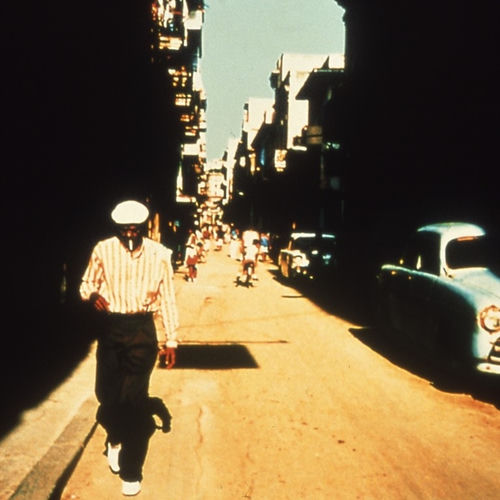
The Buena Vista Social Club project brought together several musicians who already possessed long careers in Cuban music.
The recordings took place in Havana in 1996.
Producer Ry Cooder and musician Juan de Marcos González participated in the project's creation.
The album Buena Vista Social Club, released in 1997, became an international success.
It combined several Cuban traditions, notably son, bolero and popular song.
Compay Segundo played a central role in this history.
His performance of "Chan Chan" became particularly emblematic.
Ibrahim Ferrer, Eliades Ochoa, Rubén González and Omara Portuondo were also among the project's important personalities.
The album's popularity helped give renewed visibility to several veteran artists.
However, Buena Vista Social Club did not invent or single-handedly revive traditional Cuban music.
These practices remained alive on the island.
The project primarily allowed a particularly broad international audience to discover or rediscover part of this heritage.
Cuban son has since retained an important place in festivals, concerts and international musical exchanges.
The 1990s–2000s — Latin Pop Crosses Borders
During the 1990s, several Latin American artists achieved increasing international recognition.
This development relied on radio, music television channels, touring and major record labels.
Gloria Estefan helped bring international pop closer to different Caribbean traditions.
With Miami Sound Machine, she developed music combining Latin rhythms and pop production.
Her album Mi Tierra, released in 1993, particularly affirmed her connections with Cuban music.
Ricky Martin subsequently participated in the international expansion of Latin pop.
His album Vuelve, released in 1998, represented a major milestone in his career.
In Colombia, Shakira initially developed a musical identity characterized by pop rock and personal songwriting.
Her album Pies descalzos, released in 1995, brought her significant recognition in Latin America.
Dónde están los ladrones?, released in 1998, confirmed this evolution.
The singer subsequently developed an international career combining pop, rock, Caribbean rhythms and electronic influences.
Laundry Service, released in 2001, marked an important stage in this expansion.
She later explored new relationships with reggaeton and urban music.
The album El Dorado, released in 2017, illustrated this evolution.
These artists helped transform Latin American music's position within the international music industry.
However, their productions do not represent all the continent's traditions: they belong primarily to the history of Latin pop and its different fusions.
The 1990s–2000s — Reggaeton Takes Shape
Reggaeton gradually emerged from several Caribbean traditions.
Its origins are notably connected to Jamaican reggae and dancehall, Spanish-language reggae developed in Panama, and Puerto Rican rap scenes.
In Panama, artists such as Renato and El General helped popularize reggae in Spanish.
This scene possesses an Afro-Caribbean history closely connected to migration and sound systems.
In Puerto Rico, Vico C participated in developing rap in Spanish.
DJs and producers gradually began combining Jamaican rhythms with hip-hop practices.
DJ Playero played an important role in early underground productions.
Ivy Queen became one of the leading figures of this emerging scene.
The rhythm often called dembow gradually acquired an essential place in compositions.
During the early 2000s, reggaeton experienced considerable commercial expansion.
Daddy Yankee contributed to this recognition with the album Barrio Fino, released in 2004.
The track "Gasolina" became one of the great symbols of its international spread.
Don Omar, Tego Calderón and Wisin & Yandel also participated in the genre's development.
Reggaeton then became one of the principal expressions of Latin American urban music.
It maintained important connections with hip-hop and Caribbean traditions while developing its own productions and identities.
Calle 13 — Rap Enters into Dialogue with Latin American Traditions
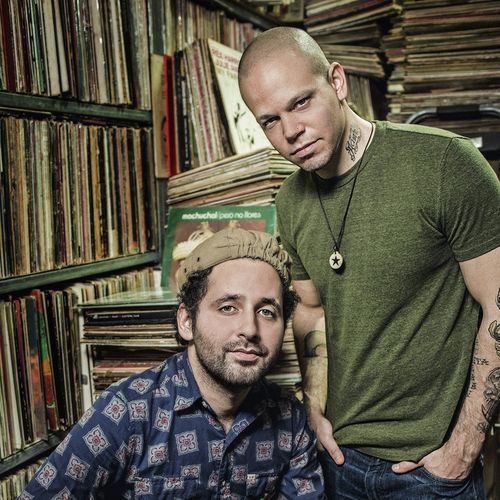
During the mid-2000s, Calle 13 developed a particularly open approach in Puerto Rico.
The project notably brought together René Pérez Joglar, known as Residente, and Eduardo Cabra, known as Visitante.
Their music drew from reggaeton, hip-hop, rock and diverse Latin American traditions.
The debut album, Calle 13, released in 2005, helped establish this identity.
The group gradually developed more ambitious compositions incorporating particularly varied instruments and rhythms.
The lyrics addressed social questions, cultural identities and personal experiences.
The album Entren los que quieran, released in 2010, represented a major milestone.
The track "Latinoamérica" brought together several voices and cultural references from across the continent.
Calle 13 demonstrated that rap could become a meeting place for regional musical traditions while retaining a strong contemporary identity.
The project also helped renew the way Latin American music was represented internationally.
France — Sergent Garcia and New Fusions
Latin American music has long influenced several European scenes.
In France, Sergent Garcia developed an approach particularly shaped by encounters between musical cultures.
The project notably combined reggae, salsa, rock, hip-hop and Caribbean traditions.
This fusion would often be described by the term salsamuffin.
The album Un poquito quema'o, released in 1999, helped establish this identity.
The compositions combined instruments, dance rhythms and different vocal influences.
The project subsequently continued evolving through productions incorporating more Latin American sounds.
The EP Cumbiamuffin, released in 2009, notably illustrated the relationships between cumbia and urban music.
Sergent Garcia thus represented an approach that did not seek to reproduce a traditional genre identically.
Instead, it aimed to develop music born from encounters, informed by the international circulation of artists and rhythms.
This approach belonged to a broader history of fusions between Latin American music, reggae, rock and electronic cultures.
The 2010s–2020s — Latin American Urban Music Goes Global
During the 2010s, digital platforms and international collaborations profoundly transformed the ways music circulated.
Reggaeton became one of the principal influences on global pop production.
J Balvin contributed to its international expansion.
Bad Bunny developed an aesthetic combining reggaeton, Latin trap and varied musical influences.
His album YHLQMDLG, released in 2020, illustrated this creative freedom.
With Un verano sin ti, released in 2022, he also explored relationships with several Caribbean traditions.
Rauw Alejandro developed productions combining urban music, pop and electronic sounds.
Karol G became one of the major figures of this generation.
Her album Mañana será bonito, released in 2023, confirmed the international importance of female artists in Latin American urban music.
Meanwhile, trap and rap scenes experienced significant expansion in Argentina.
Bizarrap developed a production approach based notably on collaborations.
Duki, Nicki Nicole and Trueno participated in the emergence of new generations.
Nathy Peluso explored encounters between rap, soul, pop and different Latin American musical traditions.
The contemporary scene therefore cannot be reduced to a single country or aesthetic.
It combines longstanding traditions with increasingly varied production techniques.
Movements and Subgenres
Cuban Son and Trova
Cuban son emerged in eastern Cuba before experiencing significant expansion during the 20th century.
It combines string instruments, percussion and vocal structures that leave considerable room for improvisation.
Compay Segundo and several Buena Vista Social Club musicians contributed to its contemporary international recognition.
Cuban trova possesses a distinct history, centered notably on singer-songwriters and guitar accompaniment.
These traditions profoundly influenced several forms of Caribbean music.
Cuban Rumba, Mambo and Cha-Cha-Cha
Cuban rumba represents an Afro-Cuban tradition built notably around percussion, singing and dance.
Mambo developed during the 20th century through dance orchestras, incorporating particularly elaborate instrumental arrangements.
Pérez Prado contributed strongly to its international success.
Cha-cha-cha also experienced major expansion during the 1950s.
These styles maintain historical relationships but correspond to distinct musical practices.
Bolero and Romantic Song
Bolero became one of the principal traditions of sentimental songwriting in Latin America.
It initially developed in Cuba before spreading particularly widely in Mexico and the Caribbean.
Its compositions generally emphasize expressive melodies and lyrics devoted to human relationships.
It possesses a history distinct from Spanish bolero, despite the shared name.
The genre subsequently influenced several forms of popular music, notably bachata.
Salsa
Salsa developed as a large musical family based on Afro-Caribbean traditions, with a particularly important role played by New York and its Latin American communities.
It emphasizes rhythms built around the clave, percussion, brass instruments and vocal improvisation.
Celia Cruz, Willie Colón, Héctor Lavoe and Rubén Blades contributed to its international expansion.
The genre possesses several movements, notably salsa dura and salsa romántica.
Merengue and Bachata
Merengue and bachata represent two major Dominican musical traditions.
Merengue emphasizes dance rhythms, with instrumentation varying across historical periods.
Bachata historically gives particular importance to guitar and sentimental songs.
Juan Luis Guerra, Aventura and Romeo Santos participated in different stages of their international expansion.
These two genres possess distinct histories and characteristics.
Cumbia
Cumbia has its roots in the Caribbean region of Colombia.
It historically combines percussion, melodic instruments and dance traditions.
During the 20th century, it spread throughout numerous Latin American countries.
It gave rise to several variations, notably Mexican, Peruvian, Argentine and electronic cumbia.
La Sonora Dinamita and Totó la Momposina represent particularly different expressions of this large musical family.
Vallenato
Vallenato is a tradition from northern Colombia, characterized notably by accordion, caja and guacharaca.
Its songs place great importance on storytelling and everyday experiences.
The genre possesses several traditional rhythms.
Carlos Vives helped develop encounters between vallenato, pop and rock.
Its contemporary forms coexist with older practices.
Mariachi, Ranchera and Corrido
Mariachi represents a Mexican instrumental and vocal tradition historically associated with the country's western region.
It possesses a varied repertoire comprising several forms of song and dance.
Ranchera frequently emphasizes sentimental themes and references to rural life.
Corrido belongs to a narrative tradition recounting events, personalities or collective experiences.
These categories maintain close relationships but are not synonymous.
Regional Mexican Music
Regional Mexican music encompasses numerous instrumental and vocal traditions.
Norteño, banda and the different forms of corrido possess particular histories.
Instruments, rhythms and practices vary according to region.
Los Tigres del Norte represent one of the great references of norteño.
New generations, notably Peso Pluma, participate in the international spread of contemporary corridos and regional Mexican music.
Tango and Nuevo Tango
Tango developed in the Río de la Plata region during the late 19th century.
It combines music, dance and poetry, with an important role given to the bandoneon.
Carlos Gardel contributed strongly to its international expansion.
Astor Piazzolla subsequently renewed the genre from the middle of the 20th century onward.
Nuevo tango notably incorporated influences from jazz and classical music.
These developments continue a tradition that remains alive in Argentina, Uruguay and numerous other countries.
Samba and Choro
Samba represents one of Brazil's great musical families.
It possesses particularly diverse regional and urban traditions.
Choro is a Brazilian instrumental music characterized by elaborate arrangements and considerable freedom of interpretation.
Pixinguinha contributed strongly to its history.
These two movements maintain several relationships but possess distinct characteristics and repertoires.
Bossa Nova
Bossa nova emerged in Brazil during the late 1950s.
It developed an approach based on samba rhythms, often intimate vocal performance and elaborate harmonies.
João Gilberto and Antônio Carlos Jobim participated in its major founding developments.
The genre quickly achieved international recognition.
Its influence continues in jazz, pop and several forms of contemporary music.
MPB and Tropicalismo
MPB, or Brazilian Popular Music, encompasses several songwriting and compositional traditions developed particularly from the 1960s onward.
It does not constitute a single sonic style.
Tropicalismo represents a more specific approach combining notably Brazilian traditions, rock and artistic experimentation.
Caetano Veloso and Gilberto Gil are among its major references.
These movements contributed to transforming Brazilian popular music during the second half of the 20th century.
Andean Music and Huayno
Andean music brings together several traditions found notably in Peru, Bolivia and neighboring countries.
It uses instruments such as the quena, siku and charango.
Huayno represents an important family of songs and dances.
Its forms vary according to regions, languages and communities.
Andean traditions continue developing through local festivities, folk ensembles and contemporary productions.
Nueva Canción
Nueva canción emerged primarily from the 1950s and 1960s onward in South America.
It renewed popular traditions by developing songwriting attentive to social and political questions.
Violeta Parra, Víctor Jara and Mercedes Sosa are among its important references.
The movement played a major role during several periods of repression and exile.
It remains a fundamental tradition of socially engaged Latin American songwriting.
Latin Jazz
Latin jazz developed through encounters between American jazz and Latin American musical traditions, particularly Afro-Cuban ones.
It combines percussion, instrumental arrangements and improvisation.
Machito, Mario Bauzá and Tito Puente contributed to its history.
The genre possesses several forms, some of which maintain close relationships with salsa.
It continues evolving through exchanges between artists from different countries.
Latin Pop and Latin Rock
Latin pop encompasses pop productions associated with Latin American languages and musical traditions.
It can incorporate rock, dance, R&B and regional rhythms.
Shakira, Ricky Martin and Gloria Estefan represent different stages of its international expansion.
Latin rock, meanwhile, possesses a history more directly connected to the continent's rock scenes.
These two broad categories frequently intersect without being equivalent.
Reggaeton and Latin Trap
Reggaeton developed from encounters between Spanish-language reggae, Jamaican dancehall and Puerto Rican hip-hop.
It is particularly recognizable through certain rhythms associated with dembow.
Daddy Yankee, Ivy Queen and Don Omar participated in different stages of its expansion.
Latin trap emerged later through encounters between American trap and Spanish-language rap scenes.
Bad Bunny, Duki and several contemporary artists contributed to its transformations.
Latin Fusions, Electronic Cumbia and Tropical Bass
Latin fusions encompass approaches combining regional traditions, reggae, hip-hop, rock and electronic music.
Sergent Garcia notably developed an aesthetic he called salsamuffin.
Electronic cumbia combines cumbia rhythms with contemporary production techniques.
The term tropical bass is sometimes used to describe various electronic productions inspired by Latin American and Caribbean rhythms.
These labels have varying uses and do not represent a single genre.
Legacy and Influence Today
Latin American music has profoundly transformed global musical culture.
Its influence extends beyond the commercial success of salsa, bossa nova or reggaeton.
It has helped renew rhythms, instrumental practices and relationships between music and dance.
Afro-Caribbean percussion has exerted an important influence on jazz and several forms of popular music.
Bossa nova arrangements transformed the possibilities for encounters between song and jazz.
Cumbia developed a family of traditions that now extends far beyond Colombia.
Salsa built an international culture of dancing and musical performance.
Contemporary productions, meanwhile, incorporate techniques from hip-hop and electronic music while retaining connections with several regional traditions.
But one of the most important legacies of this music remains its diversity.
It does not constitute a uniform cultural identity.
Each region possesses its own practices, languages and histories.
Migration — Music That Crosses Borders
Migration plays a fundamental role in the circulation of Latin American music.
Exchanges between Cuba, Puerto Rico, the Dominican Republic and the United States contributed to several major transformations.
New York notably became an important center for Latin jazz and salsa.
Miami played an essential role in the international expansion of Latin pop.
Latin American communities established in Europe also participated in creating new scenes.
These movements were not limited to the circulation of artists.
They also involved instruments, dance practices, production methods and repertoires.
A song could thus transform as it crossed different regions.
Colombian cumbia became music deeply integrated into Mexican and Argentine popular cultures.
Reggaeton developed from exchanges between several Caribbean scenes before spreading worldwide.
These transformations demonstrate that musical identities are not fixed.
They are continually constructed through encounters.
Brazil — A History That Goes Beyond Samba
Brazil occupies an essential place in Latin American music, even though international commercial categories sometimes present it separately from Spanish-language music.
Its musical traditions are not limited to samba and bossa nova.
Choro, MPB, forró, baião and different forms of regional popular music possess their own histories.
Afro-Brazilian musical scenes continue developing through celebrations and community practices.
During recent decades, Brazilian music has also undergone numerous electronic and urban transformations.
Funk carioca became an important expression of the popular scenes of Rio de Janeiro.
It developed its own rhythms, production methods and dance practices.
Anitta contributed to the international recognition of several contemporary Brazilian sounds.
Pabllo Vittar also participated in this evolution, combining pop, electronic music and local traditions.
Brazil thus demonstrates the richness of a musical history that continually renews itself.
The Caribbean — Exchanges Beyond Language Boundaries
Caribbean music cannot be limited to Spanish-speaking territories.
French-speaking, Creole-speaking and English-speaking traditions also played important roles in regional exchanges.
In Haiti, compas developed during the middle of the 20th century.
Nemours Jean-Baptiste contributed particularly to its establishment.
Tabou Combo subsequently participated in its international expansion.
In the French Caribbean, Kassav’ helped popularize zouk during the 1980s.
These traditions possess their own histories and identities.
Nevertheless, they maintain relationships with other Caribbean dance music.
Jamaican reggae and dancehall notably exerted a considerable influence on the development of reggaeton.
These exchanges remind us that linguistic borders do not necessarily correspond to musical borders.
Women in Latin American Music History
Women occupy a fundamental place in the history of Latin American music.
Celia Cruz became one of the great international figures of salsa.
Her performances helped introduce Cuban traditions to several generations.
In Brazil, Elis Regina and Gal Costa participated in different transformations of popular music.
In Argentina, Mercedes Sosa represented a major voice of socially engaged song.
In Chile, Violeta Parra contributed to renewing and transmitting popular traditions.
In Peru, Susana Baca and Eva Ayllón participated in the recognition of Afro-Peruvian traditions.
Chabuca Granda also occupied an important place in the history of Peruvian song.
Yma Sumac helped introduce different Peruvian musical references to international audiences within a highly personal artistic framework.
Subsequent generations continued this diversity.
Shakira participated in transforming Latin pop's position on world stages.
Karol G and several contemporary female artists helped renew urban music.
These careers do not constitute a separate musical category.
They belong fully to the continent's musical history and its transformations.
Dance — A Shared Language
Dance constitutes a central element of numerous Latin American traditions.
Samba, cumbia, salsa, merengue, bachata and tango develop particular relationships between rhythm and movement.
However, their techniques are not interchangeable.
Each tradition possesses its own customs, forms of transmission and collective practices.
Dance schools have contributed to spreading several genres beyond their regions of origin.
Festivals and international gatherings also participate in their popularity.
But an essential part of these cultures continues to be transmitted within families, celebrations and community gatherings.
Music and dance thus remain closely connected to everyday life.
Memory, Heritage and Transmission
Several Latin American musical traditions are now the subject of preservation and transmission efforts.
Argentine and Uruguayan tango has been on UNESCO's Representative List of the Intangible Cultural Heritage of Humanity since 2009.
Mexican mariachi was inscribed in 2011.
Samba de roda from Bahia's Recôncavo region also benefits from international recognition.
Dominican bachata joined the Representative List in 2019.
Traditional Colombian vallenato is the subject of specific safeguarding measures.
These recognitions help make certain traditions visible, but their vitality depends above all on the communities that practice them.
The transmission of instrumental knowledge, songs and dances remains essential.
Historical recordings also play an important role.
They make it possible to document styles, techniques and performances that have sometimes undergone profound transformations.
Projects such as Buena Vista Social Club helped renew international interest in certain longstanding traditions.
However, preservation does not necessarily mean reproducing past practices without change.
Living musical traditions continue evolving through new generations.
The Music Industry and New Audiences
Since the 1990s, Latin American music has occupied an increasingly important position within the international music industry.
Artists have developed careers capable of bringing together audiences across several countries and languages.
Digital distribution has accelerated this evolution.
Reggaeton's success notably demonstrates that Spanish-language songs can reach worldwide audiences without necessarily being translated into English.
Meanwhile, Brazilian artists contribute to the international recognition of Portuguese-language productions.
Collaborations between Latin American, European, African and North American musicians have multiplied.
However, these exchanges do not eliminate questions concerning cultural representation and the place of local traditions.
Commercial categories sometimes group together music possessing few shared characteristics under a single designation.
The diversity of independent scenes therefore remains essential for understanding the continent's musical evolution.
The 2020s — Between Heritage and New Rhythms
During the 2020s, Latin American music continued several simultaneous developments.
Reggaeton and Latin trap maintained great international visibility.
Productions by Bad Bunny, Karol G and other contemporary artists demonstrated the importance of these movements within global popular culture.
Regional Mexican music also experienced renewed interest among new audiences.
Cumbia traditions continued transforming through electronic productions and independent scenes.
In Brazil, funk carioca and several forms of contemporary pop developed new relationships with international markets.
Meanwhile, instrumental traditions remained alive.
Salsa orchestras, mariachi ensembles, Cuban son musicians and tango performers continued appearing before audiences spanning several generations.
The coexistence of these practices constitutes one of the most important characteristics of contemporary Latin American music.
This is not a history in which recent genres simply replace earlier traditions.
Different musical families continue to meet, influence one another and renew themselves.
A Musical History with a Thousand Faces
Latin American music represents one of the most diverse histories of musical creation.
It developed through encounters between Indigenous, African and European traditions, then underwent profound transformations through migration and technological innovation.
Cuban son, tango, samba, cumbia, mariachi, merengue and Andean music each possess their own origins.
Bossa nova, salsa and new forms of popular song subsequently renewed these traditions.
Latin pop, reggaeton and contemporary scenes continue this diversity by incorporating new instruments and production methods.
These developments should not obscure the importance of local practices.
Community celebrations, orchestras, dancers and oral traditions continue participating in the continent's musical life.
The history of Latin American music is also that of the artists who enabled these traditions to cross borders.
From Carlos Gardel to Celia Cruz, from João Gilberto to Mercedes Sosa, from Compay Segundo to Shakira, and then to new generations of musicians and producers, it demonstrates a remarkable capacity for transformation.
Several centuries after the first cultural encounters that contributed to their formation, these musical traditions continue evolving across a multitude of languages, regions and styles.
Their legacy does not rest on a single rhythm, but on an extraordinary freedom of creation born from encounters between different histories and cultures.