


















Overview
Warner Bros. Pictures is an American film studio whose official history begins on April 4, 1923, when brothers Harry, Albert, Sam and Jack Warner incorporated Warner Bros. Pictures.
Coming from a family that had first entered film exhibition and distribution, the four brothers gradually developed a production company capable of competing with Hollywood’s established major studios.
Warner Bros. quickly played a major role in the transition to sound cinema. Don Juan experimented in 1926 with synchronized music and sound effects through the Vitaphone process, while The Jazz Singer marked a decisive turning point in 1927 with its synchronized dialogue sequences.
Over the decades, the studio developed an extremely diverse slate: gangster films, dramas, musicals, film noir, westerns, auteur cinema, science fiction, fantasy, superheroes and blockbusters.
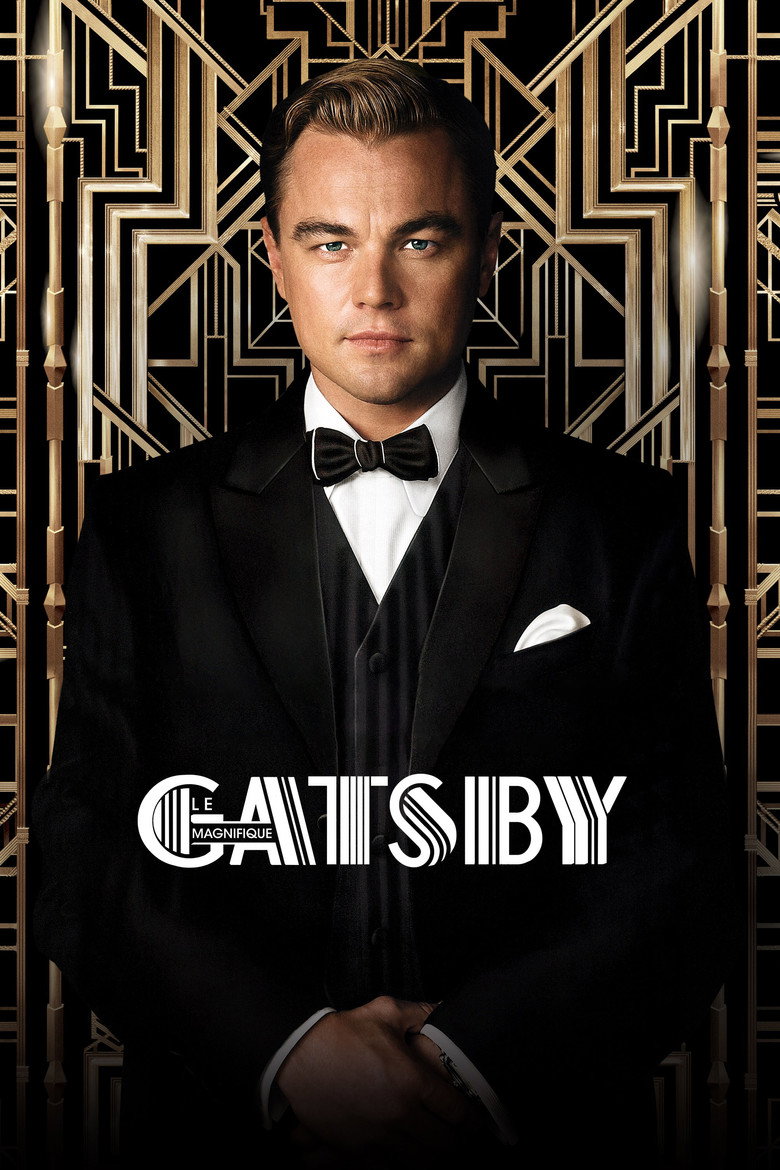
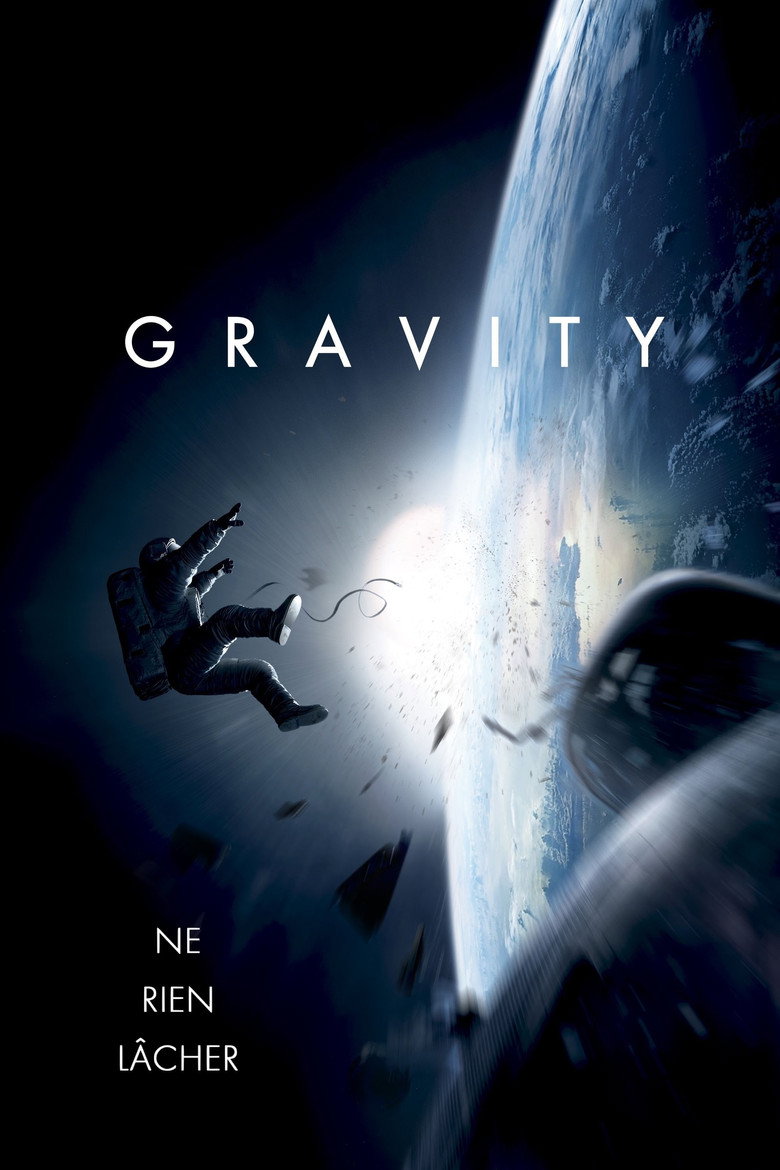
Its history is associated with works such as The Public Enemy, Casablanca, A Streetcar Named Desire, Rebel Without a Cause, The Exorcist, Superman, Blade Runner, Batman, Goodfellas, The Matrix, Harry Potter, Inception, Mad Max: Fury Road, Dune and Barbie.
Warner Bros. Pictures is now one of the components of the Warner Bros. Motion Picture Group, alongside structures including New Line Cinema and Warner Bros. Pictures Animation.
After successively belonging to Warner Communications, Time Warner, WarnerMedia and Warner Bros. Discovery, the studio entered another major period in October 2026: Warner Bros. Discovery was acquired by Paramount Skydance and the combined company adopted the name Skydance.
Warner Bros. Pictures nevertheless retains its name, identity and film production activity.
History
Before 1923 — The Warner brothers enter the film business
The history of Warner Bros. began before the studio was formally incorporated.
Brothers Harry, Albert, Sam and Jack Warner became involved in cinema in the early twentieth century, first through theater exhibition and later film distribution.
They gradually expanded their activities and established themselves within the emerging American film industry.
This experience gave them the foundations needed to build a company capable of producing and distributing its own films.
1923 — Warner Bros. is officially founded
On April 4, 1923, Warner Bros. Pictures was officially incorporated.
Harry Warner mainly handled financial and business matters, Albert focused on distribution, while Sam and Jack were more directly involved in production.
The studio was initially more modest than several already established competitors.
One early star nevertheless contributed significantly to its growth: Rin Tin Tin, a German Shepherd who became the hero of numerous adventure films and one of the studio’s first major popular attractions.
Warner Bros. gradually built its production and distribution network while looking for a technology capable of distinguishing it from its rivals.
1926-1927 — The bet on sound cinema
Warner Bros. invested heavily in Vitaphone, a system that synchronized recorded sound with projected images.
In 1926, Don Juan used the process to provide synchronized music and sound effects.
The decisive step came in 1927 with The Jazz Singer, starring Al Jolson.
The film still largely followed silent-film conventions, but several scenes contained synchronized singing and dialogue.
Its success demonstrated the potential of sound cinema to both audiences and the industry.
The transition rapidly transformed Hollywood and placed Warner Bros. among the most innovative studios of its era.
Sam Warner, one of the strongest advocates for the technology within the company, died the day before the film’s premiere.
The 1930s — Gangsters, realism and animation
With the arrival of sound, Warner Bros. developed a particularly energetic identity.
The studio became especially known for its gangster films, including Little Caesar and The Public Enemy, which helped define the genre in the early 1930s.
Actors such as James Cagney, Edward G. Robinson and Humphrey Bogart became closely associated with this tradition.
Warner also produced social dramas and films that dealt more directly with contemporary economic and political tensions.
At the same time, animation became increasingly important through the Looney Tunes and Merrie Melodies series.
Bugs Bunny, Daffy Duck, Porky Pig and many other characters gradually became an essential part of Warner’s identity.
The 1940s — Casablanca and the classical era
During the 1940s, Warner Bros. firmly established itself among Hollywood’s major studios.
Casablanca, directed by Michael Curtiz and released in 1942, became one of the defining works of this period.
Starring Humphrey Bogart and Ingrid Bergman, the film notably won the Academy Award for Best Picture and permanently established itself among the classics of American cinema.
The studio also continued its tradition of film noir, dramas, war films, adventures and musicals.
This period consolidated an identity in which popular entertainment and ambitious films could coexist within the same catalog.
The 1950s — The end of the classical studio system and the rise of television
Like the other major studios, Warner Bros. had to adapt to profound changes in Hollywood after World War II.
The classical studio system weakened while television became a major competitor to cinema.
Warner invested heavily in the new medium and developed an important television business.
In cinemas, the studio continued to release major films such as A Streetcar Named Desire, A Star Is Born, Rebel Without a Cause and The Searchers.
This ability to operate across both cinema and television would gradually become one of Warner’s major strengths.
1967-1969 — Warner Bros.-Seven Arts
At the end of the 1960s, the historic company underwent a major change in ownership.
Control of Warner Bros. was sold to Seven Arts Productions, creating Warner Bros.-Seven Arts.
This period was relatively short.
In 1969, Warner Bros.-Seven Arts was itself acquired by Kinney National Company.
The Seven Arts name quickly disappeared and Warner Bros. once again became the studio’s central identity.
These transactions opened a new era in which Warner would become part of a much larger media organization.
The 1970s — A new generation of filmmaking
At the beginning of the 1970s, the parent company reorganized and adopted the name Warner Communications.
The studio benefited from new leadership and developed long-term relationships with several filmmakers and actors.
The decade saw Warner accompany a major transformation in American cinema.
A Clockwork Orange, Deliverance, The Exorcist, Dog Day Afternoon, All the President’s Men and Superman illustrate the diversity of the period.
The Exorcist, released in 1973, became a major cultural and commercial phenomenon.
In 1978, Superman helped demonstrate that a comic-book character could carry a large-scale spectacular production.
The 1980s — Blockbusters, filmmakers and Batman
Warner Bros. continued to diversify throughout the 1980s.
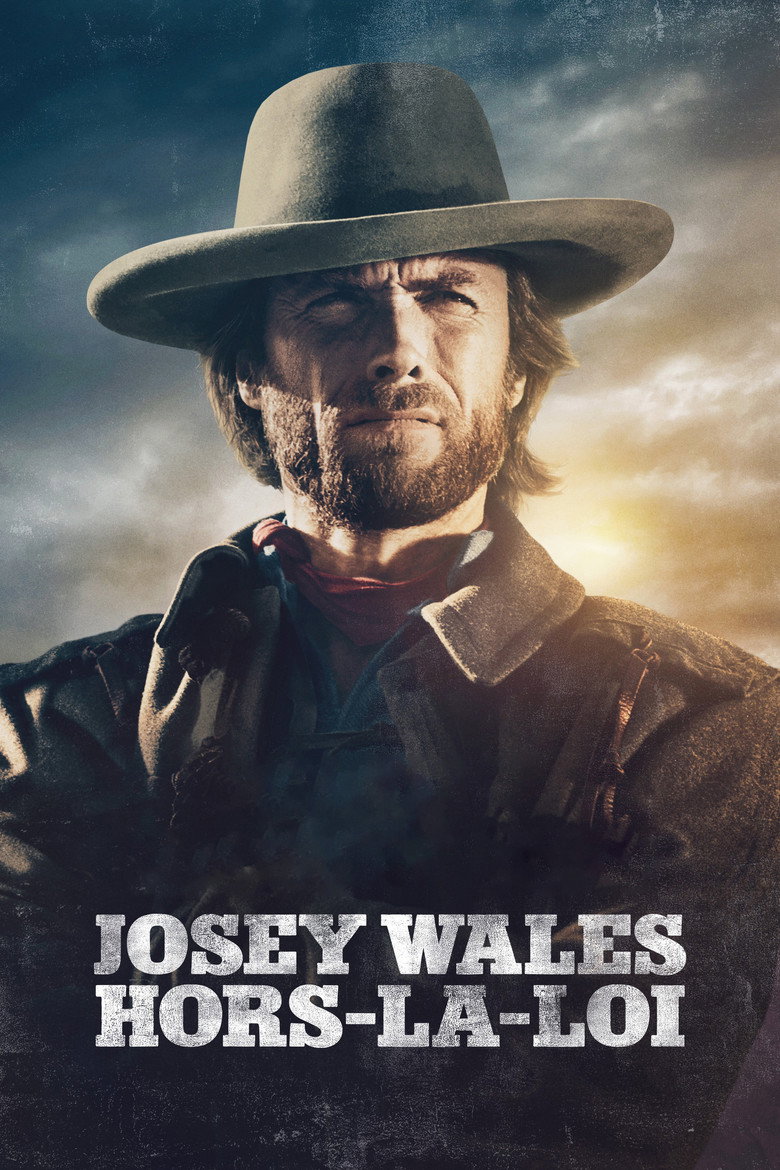
The studio notably maintained a long relationship with Clint Eastwood, an actor and director who would remain associated with Warner for several decades.
Its catalog also welcomed films such as Blade Runner, The Color Purple, Lethal Weapon and Full Metal Jacket.
In 1989, Tim Burton’s Batman became an enormous success.
The film demonstrated the commercial potential of the DC universe in cinema long before the modern spread of shared superhero universes.
Its dark aesthetic and major marketing campaign had a lasting influence on blockbuster filmmaking.
1990 — Warner Communications merges with Time Inc.
In 1990, Warner Communications merged with Time Inc. to form Time Warner.
Warner Bros. thus became one of the key components of a vast media group spanning film, television, publishing and cable networks.
The studio nevertheless remained a clearly identifiable production brand.
The 1990s notably brought films such as Goodfellas, Unforgiven, The Fugitive, The Bodyguard and several new Batman films.
The decade also prepared the arrival of franchises that would strongly define Warner at the beginning of the twenty-first century.
1999 — The Matrix opens a new universe
In 1999, Warner Bros. released The Matrix, written and directed by Lana and Lilly Wachowski.
The film combined science fiction, cyberpunk, philosophy and martial arts around a world in which humanity unknowingly lives inside a simulated reality.
Its visual style and technical innovations, particularly around “bullet time,” profoundly influenced action and science-fiction cinema.
Its success led to several sequels and made The Matrix one of Warner’s major franchises.
2001 — Harry Potter becomes a central franchise
Another major milestone came with Harry Potter and the Sorcerer’s Stone in 2001.
Adapted from J. K. Rowling’s novel and directed by Chris Columbus, the film launched a series of eight feature films centered on Harry Potter.
The franchise became one of the most important in the studio’s history.
Warner later continued developing the universe through Fantastic Beasts, merchandising, video games and numerous experiences connected to the Wizarding World.
Harry Potter thus became one of the properties most strongly associated with the modern Warner Bros. identity.
The 2000s — From franchises to major filmmakers
During this period, Warner combined large franchises with collaborations involving acclaimed directors.
Christopher Nolan developed The Dark Knight Trilogy with the studio, consisting of Batman Begins, The Dark Knight and The Dark Knight Rises.
The Dark Knight in particular achieved enormous success and helped reshape perceptions of superhero cinema.
Warner also backed films such as 300, I Am Legend, Sherlock Holmes and The Departed.
The group’s film business also expanded through New Line Cinema, notably associated with adaptations of The Lord of the Rings.
New Line productions should nevertheless be distinguished from films directly produced under Warner Bros. Pictures, even though both structures belong to the same broader organization.
2001-2009 — AOL Time Warner and the return to Time Warner
In 2001, the merger between America Online and Time Warner created AOL Time Warner.
The deal symbolized ambitions surrounding the convergence of the Internet and traditional media.
The results, however, did not match the initial expectations.
The AOL name gradually disappeared from the group’s identity, which returned to Time Warner.
Warner Bros. continued its film activity throughout this period without any break in continuity.
The 2010s — Inception, Mad Max, DC and new universes
During the 2010s, Warner continued developing large-scale productions.
Inception, directed by Christopher Nolan in 2010, combined action cinema and science fiction around the concept of layered dreams.
Mad Max: Fury Road, directed by George Miller and released in 2015, revived the Mad Max franchise with a production widely praised for its direction and practical effects.
The studio also developed numerous adaptations connected to DC, including Man of Steel, Batman v Superman, Wonder Woman and Aquaman.
These productions would gradually be organized through dedicated divisions, culminating in the creation of DC Studios in 2022.
2018 — Time Warner becomes WarnerMedia
In 2018, telecommunications group AT&T completed its acquisition of Time Warner.
The company was renamed WarnerMedia.
Warner Bros. Pictures remained one of the group’s major film divisions, but its environment changed rapidly with the rise of streaming.
The launch of HBO Max and the Covid-19 pandemic notably led Warner to experiment with new distribution strategies.
In 2021, Warner Bros. made the exceptional decision to release its entire annual U.S. theatrical slate simultaneously in cinemas and on HBO Max.
This strategy was tied to the extraordinary circumstances of the pandemic and did not become the studio’s permanent distribution model.
2022 — Warner Bros. Discovery is created
In April 2022, WarnerMedia and Discovery merged to form Warner Bros. Discovery.
Warner Bros. Pictures joined the new group alongside HBO, Discovery, CNN, DC and many other brands.
That same year, Michael De Luca and Pamela Abdy took leadership of the Warner Bros. film group.
Film production was gradually organized around several distinct structures, including Warner Bros. Pictures, New Line Cinema, Warner Bros. Pictures Animation and DC Studios.
2023 — Warner Bros. celebrates its centenary
On April 4, 2023, Warner Bros. officially celebrated its 100th anniversary.
The studio highlighted a heritage spanning film, television, animation and numerous franchises that had crossed several generations.
The famous WB shield, repeatedly redesigned throughout the company’s history, remains one of the most recognizable logos in cinema.
This visual identity allows Warner to maintain strong brand continuity despite the many changes in ownership since the 1960s.
Dune and Barbie — Two very different successes
The 2020s particularly illustrate the diversity pursued by Warner Bros. Pictures.
With Dune and later Dune: Part Two by Denis Villeneuve, the studio supported an ambitious adaptation of Frank Herbert’s universe.
On the surface, Barbie, directed by Greta Gerwig and released in 2023, represented something very different, transforming a globally recognized toy brand into a film combining popular spectacle with reflection on its own cultural mythology.
These successes demonstrate that the same studio can develop monumental science fiction, franchise films and projects driven by filmmakers with strong creative identities.
2026 — Warner Bros. enters the Skydance group
The year 2026 brought another major change in the studio’s history.
Warner Bros. Discovery had initially been preparing to separate its operations between a group focused on studios and streaming and another centered primarily on networks.
That reorganization was ultimately overtaken by a larger transaction.
On October 6, 2026, Paramount Skydance Corporation completed its acquisition of Warner Bros. Discovery.
The combined company adopted the name Skydance.
Warner Bros. Pictures did not disappear: the studio remains a distinct film brand alongside Paramount Pictures within the new organization.
Overall supervision of Skydance’s film portfolio was entrusted to Dana Goldberg and Josh Greenstein, who lead the Skydance Motion Picture Group encompassing Paramount Pictures, Warner Bros. and related activities.
The transaction therefore opens another period in Warner’s history without breaking the continuity of the studio founded in 1923.
What sets it apart
More than a century of continuity
Warner Bros. Pictures belongs to the small group of Hollywood studios whose history spans almost the entire development of the American film industry.
Founded in 1923, it participated in the transition from silent cinema to sound, the golden age of the studio system, the rise of television, the blockbuster era, global franchises and eventually streaming.
Its many changes of ownership never erased the Warner Bros. identity.
This continuity explains the exceptional depth of its heritage.
A decisive role in the transition to sound cinema
Warner Bros. is particularly associated with one of the most important technological transformations in film history.
Its investment in Vitaphone, followed by the success of The Jazz Singer, greatly accelerated the adoption of synchronized sound in Hollywood.
The gamble was particularly significant because Warner Bros. was still less powerful than several of its competitors at the time.
It directly contributed to establishing the studio as one of the industry’s major players.
Long-term relationships with filmmakers
Warner Bros. has repeatedly distinguished itself through extended collaborations with certain directors.
Michael Curtiz, Stanley Kubrick, Clint Eastwood, Tim Burton, Christopher Nolan, George Miller and Denis Villeneuve are among the filmmakers who developed several projects associated with the studio across different periods.
This tradition allows Warner to combine an industrial production model with films strongly shaped by the personalities of their directors.
Very different franchises
Warner’s modern catalog is not built around a single category of intellectual property.
Wizarding World, The Matrix, Mad Max and various adaptations of the DC universe are among its best-known properties.
The studio also works with New Line Cinema on cinematic adaptations of Middle-earth, while maintaining a distinction between the different labels within the group.
This diversity gives Warner a strong presence across fantasy, science fiction, action, superheroes and many other genres.
A generalist studio
Warner Bros. Pictures is not defined solely by franchises.
Its history includes film noir, dramas, comedies, thrillers, westerns, horror, science fiction, auteur cinema and large-scale spectacle.
This generalist identity remains visible in contemporary productions ranging from Barbie to Dune, and from original films to major adaptations.
It distinguishes Warner from structures built primarily around a specific catalog or fictional universe.
An identity that survives corporate changes
Warner Bros. has passed through a remarkable number of industrial transformations.
Warner Bros.-Seven Arts, Warner Communications, Time Warner, AOL Time Warner, WarnerMedia and Warner Bros. Discovery have successively framed its activity.
Since October 2026, the studio has belonged to the new Skydance group.
Through all of these transformations, the Warner Bros. name and WB shield have been preserved.
This continuity makes the brand itself one of the studio’s most valuable assets.
Good to know
- Warner Bros. Pictures was officially founded on April 4, 1923.
- Its founders were the four brothers Harry, Albert, Sam and Jack Warner.
- Don Juan used the Vitaphone process in 1926 to synchronize music and sound effects.
- The Jazz Singer, released in 1927, played a major role in the adoption of sound cinema.
- Warner Bros. developed a strong identity around gangster films during the 1930s.
- The Looney Tunes and Merrie Melodies series became a major part of its animated heritage.
- Casablanca, released in 1942, notably won the Academy Award for Best Picture.
- Warner Bros. was briefly part of Warner Bros.-Seven Arts at the end of the 1960s.
- Kinney National Company acquired Warner Bros.-Seven Arts in 1969.
- The group later became Warner Communications.
- Warner Communications merged with Time Inc. in 1990, creating Time Warner.
- Batman in 1989, The Matrix in 1999 and Harry Potter from 2001 became major milestones in its modern catalog.
- AOL and Time Warner merged in 2001, before the group later returned to the Time Warner name.
- AT&T acquired Time Warner in 2018, which became WarnerMedia.
- WarnerMedia and Discovery merged in 2022 to create Warner Bros. Discovery.
- Warner Bros. celebrated its centenary on April 4, 2023.
- Warner Bros. Pictures, New Line Cinema and Warner Bros. Pictures Animation form part of Warner’s film organization.
- On October 6, 2026, Paramount Skydance completed its acquisition of Warner Bros. Discovery.
- The combined company adopted the name Skydance, while Warner Bros. Pictures retained its brand and activity.
- In October 2026, the film portfolio including Warner Bros. and Paramount is overseen by Dana Goldberg and Josh Greenstein within the Skydance Motion Picture Group.