


Overview
Summit Entertainment is an American film production and distribution company founded in 1991.
Its history began far from the traditional model of a Hollywood studio. Summit was originally designed as a company specializing in international sales, helping independent producers and companies market their films outside their domestic markets.
This international expertise gradually became the foundation of a company capable of financing, producing, acquiring and distributing its own films.
Throughout the 1990s and 2000s, Summit became involved with works such as Memento, American Pie, Lock, Stock and Two Smoking Barrels, Mr. & Mrs. Smith and Step Up, depending on the project through different roles including international sales, financing and distribution.
A major transformation took place in the mid-2000s when the company significantly strengthened its U.S. operations and became an independent studio capable of developing and directly distributing its own productions.
The success of Twilight in 2008 permanently changed its scale.
Adapted from Stephenie Meyer’s novel and starring Kristen Stewart and Robert Pattinson, the saga became a global phenomenon and transformed Summit into one of the leading American independent studios of the period.
At the same time, the company achieved major critical recognition with The Hurt Locker, which won the Academy Award for Best Picture.
In 2012, Lionsgate acquired Summit Entertainment.
Summit did not disappear, however: its name continued to be used as a production and presentation label within Lionsgate on various projects.
History
1991 — Summit is created
Summit originated in 1991 as a company specializing in international film sales.
The company was created around producers and entrepreneurs who already had significant experience in independent production and international financing.
At first, its main objective was to sell films to foreign distributors.
This business played an essential role in independent cinema at the time: international pre-sales could help finance part of a film before shooting even began.
Summit therefore developed a deep understanding of international markets from the very beginning.
1993 — A structured international organization
In the early 1990s, Summit became more structured around figures such as Patrick Wachsberger, Bob Hayward and David Garrett.
The company strengthened its international sales and distribution activity.
Wachsberger in particular gradually became one of Summit’s central figures and developed an extensive network of distributors around the world.
This expertise allowed the company to work on numerous independent productions without necessarily being the studio directly producing them.
The 1990s — International sales as the driving force
Summit became involved in the international circulation of many films.
Its work notably consisted of acquiring or representing distribution rights for productions across different territories.
This period allowed the company to establish relationships with producers, investors and distributors in many countries.
Summit became involved around films such as Lock, Stock and Two Smoking Barrels, American Pie and various independent productions depending on the territories concerned.
At the same time, the company began expanding its role into financing and co-production.
From international seller to producer
From the mid-1990s onward, Summit no longer limited itself to selling other companies’ films.
The company began to co-produce and co-finance projects.
The evolution was logical: its knowledge of foreign markets allowed it to estimate more precisely the international value of a film and therefore participate directly in financing it.
By the end of the decade, Summit was able to finance more productions and gradually developed operations closer to those of a full studio.
Memento and independent cinema
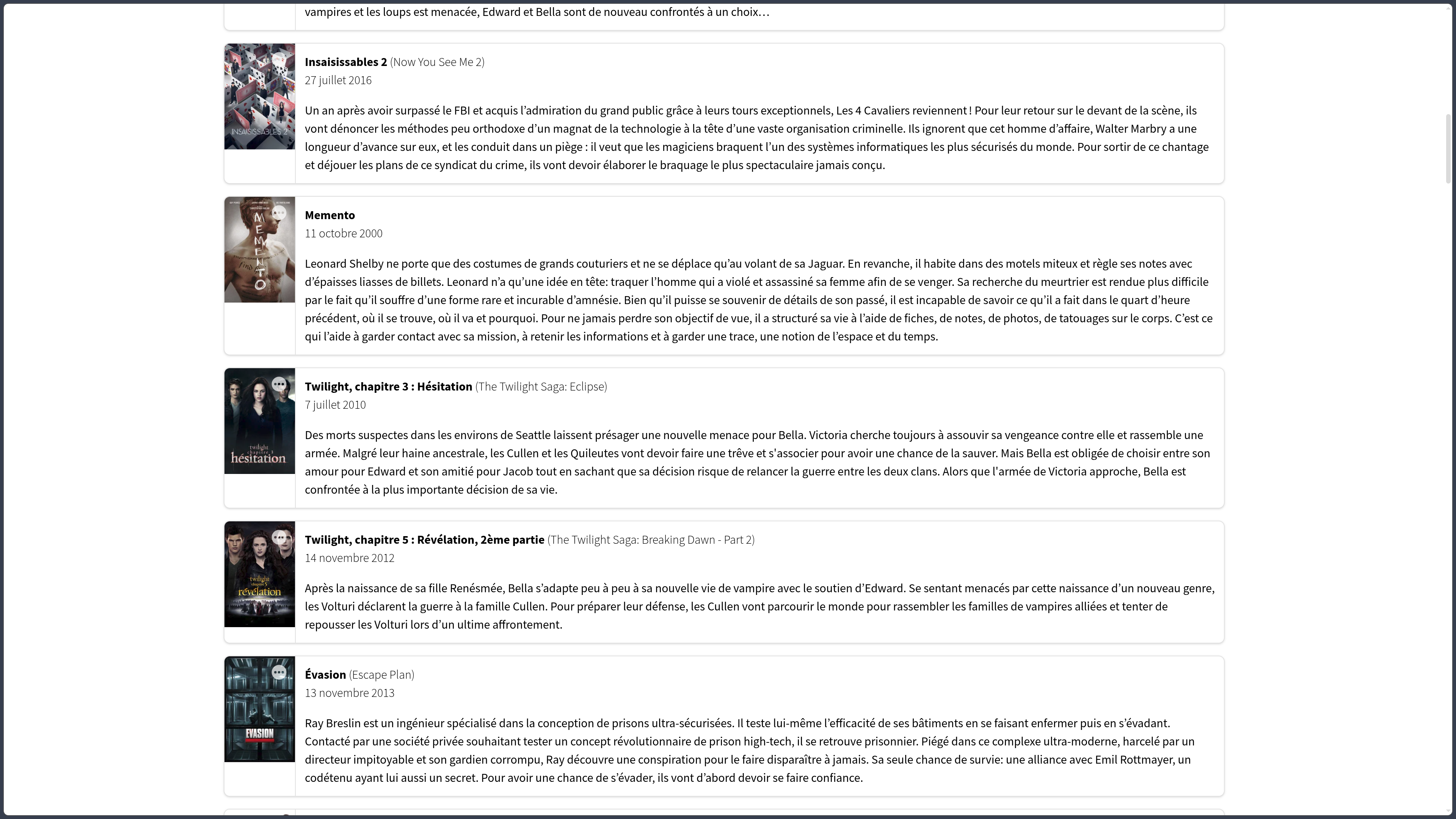
At the beginning of the 2000s, Summit was associated with the international sales of Memento, directed by Christopher Nolan.
The thriller, built around a protagonist suffering from memory loss, became one of the most acclaimed independent films of its era.
Its critical and commercial success illustrated the kind of project Summit knew how to support: films with strong identities and significant international potential despite structures far removed from major Hollywood blockbusters.
This culture remained important even after Summit became a far more ambitious studio.
A growing presence in financing
Summit also expanded its activities into larger productions.
Depending on the project, the company operated as a sales agent, co-producer or financing partner.
This flexibility allowed it to work with both independent producers and companies already connected to major studios.
Summit’s model was then strongly based on a sophisticated understanding of international film financing.
2005 — Mr. & Mrs. Smith
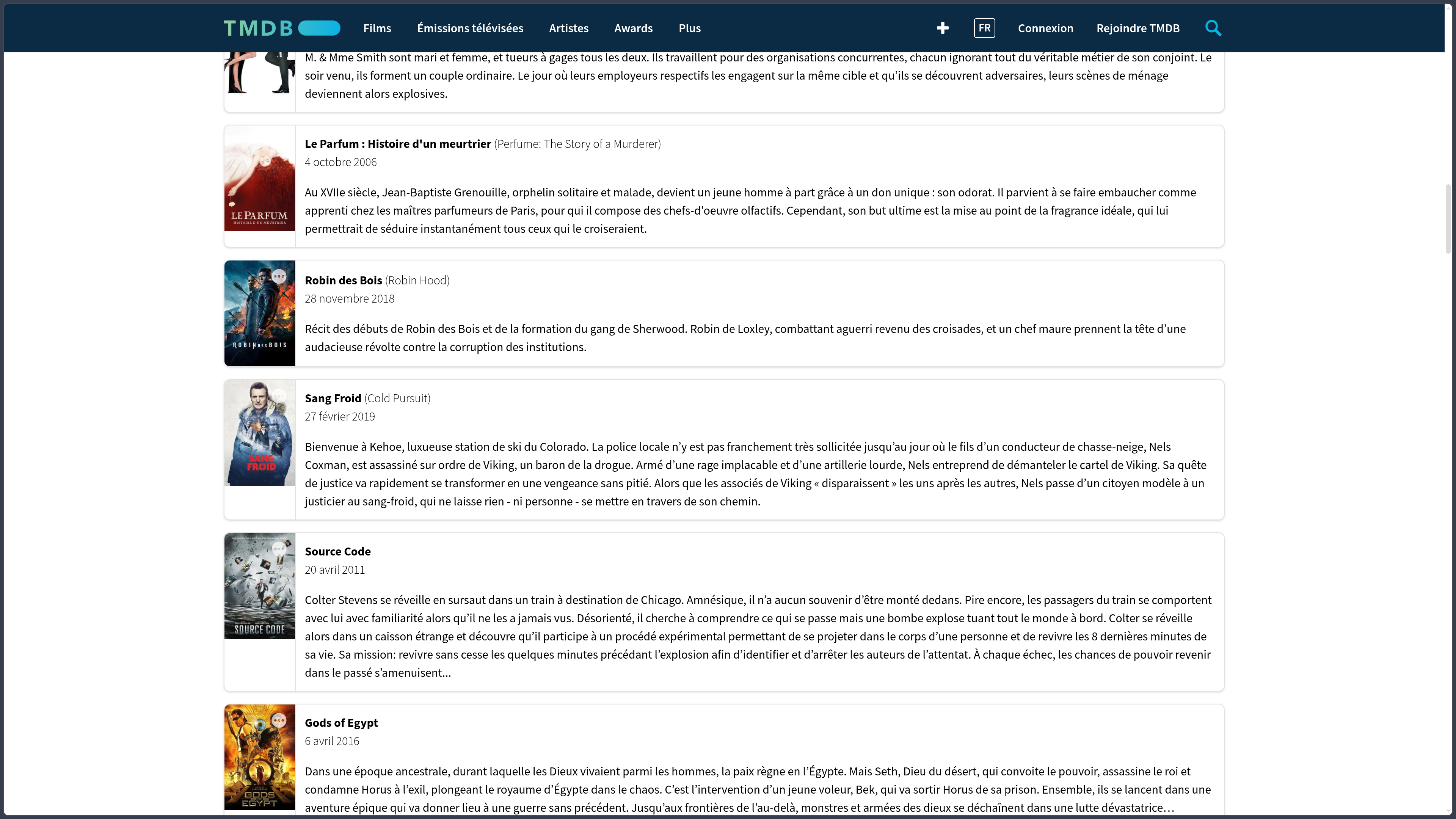
Summit notably participated in the financing and international sales of Mr. & Mrs. Smith, directed by Doug Liman and starring Brad Pitt and Angelina Jolie.
The film’s worldwide success confirmed the company’s ability to work on Hollywood productions aimed at very broad audiences.
Summit was no longer associated only with small independent films.
Its international expertise allowed it to participate in projects with much larger budgets and ambitions.
2006 — Step Up
In 2006, Step Up became another important project in Summit’s evolution.
The dance-centered film starring Channing Tatum and Jenna Dewan performed better than expected.
It launched a series of films that continued for several years.
Step Up demonstrated Summit’s ability to turn a relatively simple concept into an international franchise.
This success came just as the company was preparing for a much deeper industrial transformation.
2006-2007 — Summit becomes a full studio
In the mid-2000s, Summit reached a decisive turning point.
Rob Friedman, a former Paramount Pictures executive, joined Patrick Wachsberger to build a structure capable not only of selling films internationally but also of producing, marketing and distributing them directly in the United States.
Major financing was arranged with Merrill Lynch and other investors.
The company now had significantly greater resources to develop its own slate.
From 2007, Summit notably operated a genuine domestic distribution infrastructure in the United States.
The company now functioned as an integrated independent studio, while retaining the international expertise on which its reputation had been built.
A mini-major strategy
Summit then sought to occupy a position between independent companies and major studios.
It remained much smaller than Warner Bros., Disney, Universal or Paramount, but now had enough resources to acquire projects, produce films, organize marketing and handle distribution.
This structure gave Summit more agility than traditional majors.
It could bet on productions with controlled budgets while looking for properties capable of becoming franchises.
This strategy would find its perfect example with Twilight.
2008 — Twilight transforms Summit
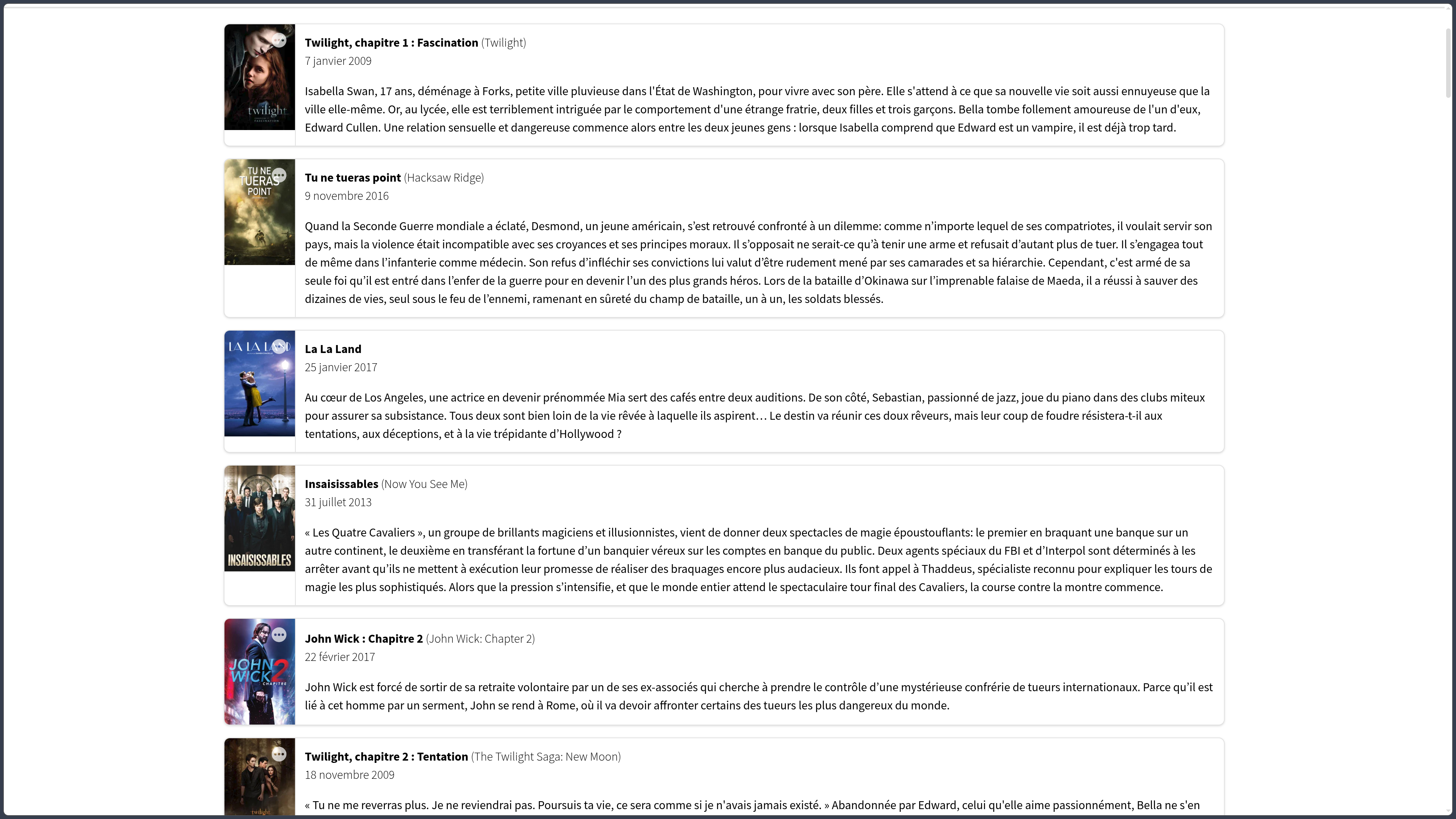
In 2008, Summit released Twilight, adapted from the first novel by Stephenie Meyer.
Director Catherine Hardwicke cast Kristen Stewart as Bella Swan and Robert Pattinson as vampire Edward Cullen.
The film had a much smaller budget than the largest fantasy franchises of the period.
Its success nevertheless far exceeded expectations.
The combination of the novels’ readership, young audiences and intense media coverage transformed Twilight into a global phenomenon.
For Summit, the result was enormous.
The studio now had a franchise capable of financing a large part of its growth.
The Twilight Saga
Summit quickly developed sequels.
New Moon was released in 2009, followed by Eclipse in 2010.
The final novel was adapted into two films: Breaking Dawn – Part 1 in 2011 and Breaking Dawn – Part 2 in 2012.
Kristen Stewart, Robert Pattinson and Taylor Lautner became international stars.
The franchise grossed more than several billion dollars worldwide and placed Summit in an exceptional position for an independent studio of its size.
The Twilight Saga therefore became the most important property in Summit’s history.
2009 — The Hurt Locker
The same period brought Summit success of a completely different kind.
The Hurt Locker, directed by Kathryn Bigelow, follows an American bomb disposal unit during the Iraq War.
Summit notably handled its U.S. distribution.
The film earned far less than Twilight but received extraordinary critical recognition.
At the 2010 Academy Awards, The Hurt Locker won six awards, including Best Picture and Best Director for Kathryn Bigelow.
Summit therefore demonstrated that it could simultaneously manage a global commercial franchise and support a prestigious independent film.
Knowing and RED
The studio also developed other productions aimed at mainstream audiences.
Knowing, starring Nicolas Cage, was released in 2009 and combined science fiction with disaster cinema.
In 2010, RED brought together Bruce Willis, Morgan Freeman, John Malkovich and Helen Mirren in an action comedy adapted from a DC property.
The success of RED led to a sequel.
These films helped Summit diversify its slate and avoid depending exclusively on Twilight.
Source Code
In 2011, Summit distributed Source Code, directed by Duncan Jones and starring Jake Gyllenhaal.
The film combines thriller, science fiction and a time-loop concept around a man repeatedly reliving the final minutes before a train explosion.
Its critical success helped strengthen Summit’s reputation in genre cinema.
The studio continued alternating between mainstream entertainment and projects built around more unusual concepts.
A highly attractive company
As Twilight generated enormous revenue, Summit became a particularly attractive acquisition target in an industry where libraries and franchises were becoming increasingly valuable.
The company possessed not only a global franchise, but also a distribution infrastructure, international expertise and a growing film library.
Lionsgate, another major independent studio in the middle of its own expansion, was looking to increase its scale and influence against the majors.
The two companies therefore became especially complementary.
2012 — Lionsgate acquires Summit Entertainment
In January 2012, Lionsgate acquired Summit Entertainment.
The transaction brought together two of the most important independent studios in the American market.
Lionsgate notably gained the Twilight franchise, Summit’s international operations and its expertise in production and distribution.
Executives Rob Friedman and Patrick Wachsberger subsequently took major roles within the combined film operations.
The acquisition significantly contributed to Lionsgate’s transformation into a much larger global player.
Summit continues as a label
The acquisition did not immediately erase Summit Entertainment.
The name continued to be used as a label within Lionsgate.
Films developed or distributed after the acquisition were therefore still presented under the Summit banner.
The brand allowed Lionsgate to preserve an identity already familiar to audiences and the industry while gradually integrating the operations of both companies.
2012 — The Perks of Being a Wallflower
That same year, Summit distributed The Perks of Being a Wallflower, written and directed by Stephen Chbosky from his own novel.
The film stars Logan Lerman, Emma Watson and Ezra Miller.
More intimate than Twilight or the studio’s large action productions, it gradually became an important work in 2010s teen cinema.
It illustrates Summit’s continued interest in productions aimed at younger audiences without necessarily seeking to build a franchise.
2013 — Warm Bodies
In 2013, Warm Bodies offered a romantic and humorous variation on the zombie film.
Adapted from Isaac Marion’s novel, it stars Nicholas Hoult and Teresa Palmer.
The production fits with Summit’s experience adapting stories for teen and young adult audiences.
It also arrived shortly after the end of Twilight and allowed the label to explore other fantasy worlds.
Now You See Me
Also in 2013, Now You See Me brought together Jesse Eisenberg, Mark Ruffalo, Woody Harrelson, Isla Fisher, Dave Franco, Michael Caine and Morgan Freeman.
The film combines illusionism, heist cinema and thriller elements.
Its success launched a franchise continued with Now You See Me 2 and later developments.
The property gradually became one of the important universes in the broader Lionsgate catalog.
2014 — Divergent
Summit also participated in the development of Divergent, adapted from Veronica Roth’s novel.
The film stars Shailene Woodley as Tris Prior in a futuristic society divided into factions.
Released in 2014, it performed well enough to launch several sequels.
Insurgent followed in 2015 and Allegiant in 2016.
The series confirmed the importance of the young adult market to Summit-related operations after the Twilight phenomenon.
2016 — La La Land
One of the greatest critical successes associated with Summit after its integration into Lionsgate came with Damien Chazelle’s La La Land.
The film stars Ryan Gosling and Emma Stone in a contemporary musical set in Los Angeles.
Presented by Summit Entertainment and distributed within the Lionsgate ecosystem, it achieved major commercial and critical success.
It received fourteen Academy Award nominations and won six awards, including Best Director for Damien Chazelle and Best Actress for Emma Stone.
La La Land showed that the Summit label could remain associated with projects far removed from the fantasy franchises that had made it famous.
2017 — The Shack
In 2017, The Shack, adapted from William P. Young’s novel, was presented under the Summit Entertainment label.
The film notably stars Sam Worthington and Octavia Spencer.
The continued use of the Summit banner several years after the acquisition confirmed the brand’s continuity within Lionsgate.
Summit now functioned less as a completely autonomous studio and more as one of the group’s film labels.
2018 — Blindspotting
In 2018, Blindspotting was also presented as a Summit Entertainment production, in association with Codeblack Films and Snoot Entertainment.
Written by and starring Daveed Diggs and Rafael Casal, the film explores friendship, identity, police violence and urban transformation in Oakland.
Its profile, very different from Summit’s historic franchises, reflects the range of projects with which the label could still be associated.
An identity integrated into Lionsgate
Over time, the boundaries between Summit and Lionsgate’s other film operations became less visible to general audiences.
Lionsgate is now the group’s principal public-facing brand.
Summit nevertheless remains identifiable in the credits of certain productions and in the history of franchises absorbed into the Lionsgate catalog.
Its legacy is particularly visible around The Twilight Saga, Step Up and several films developed during its independent period.
What sets it apart
Expertise built through international sales
Summit did not begin as a traditional Hollywood studio.
Its first specialty was selling films internationally.
This origin gave the company a distinctive understanding of independent financing, foreign distributors and the value a project could hold across different markets.
When Summit later became a full studio, this experience became an important advantage in developing films intended for worldwide release.
A remarkable evolution into a studio
Summit’s history developed in several stages.
First an international seller, the company gradually became a co-producer and financier before creating genuine domestic distribution operations.
By the mid-2000s, it could perform almost every function of a studio: development, production, acquisition, marketing, international sales and distribution.
This rapid transformation explains its ability to capitalize fully on Twilight’s success.
Twilight as the accelerator
The Twilight Saga was the major turning point in Summit’s history.
The first film was not produced with the resources of Hollywood’s largest franchises.
Its success nevertheless transformed an independent company into a studio with a worldwide franchise.
The five films gave Summit visibility and financial value far beyond what its size only a few years earlier would have suggested.
Twilight therefore remains inseparable from the studio’s historical identity.
A balance between commercial cinema and acclaimed films
Summit is not defined by Twilight alone.
The company is associated with films such as Memento, The Hurt Locker, Source Code, The Perks of Being a Wallflower and La La Land, depending on the period and the role it played.
This diversity shows an ability to support both commercial projects and more distinctive or prestigious works.
The Best Picture Oscar won by The Hurt Locker remains one of the strongest symbols of this dimension.
An important player in young adult cinema
With Twilight, followed later by Divergent, Summit played an important role in the rise of young adult adaptations in Hollywood.
These productions relied on highly engaged reader communities and characters capable of accompanying audiences across several films.
This experience strongly influenced the label’s identity during the 2000s and 2010s.
A label that survived its acquisition
Lionsgate could have eliminated the Summit brand entirely after the 2012 acquisition.
The name nevertheless continued to appear on different productions.
This continuity allowed Summit to retain its own identity within a larger group, even though its industrial autonomy became far more limited than it had been before the acquisition.
Good to know
- Summit Entertainment was founded in 1991, initially focusing on international sales.
- The company developed its international structure in the early 1990s around figures such as Patrick Wachsberger, Bob Hayward and David Garrett.
- Summit gradually began participating in film financing and production during the 1990s.
- Its historic expertise was largely built around marketing films across international territories.
- Summit became involved with several significant independent productions before becoming a fully integrated U.S. studio.
- Memento was among the films associated with its international operations in the early 2000s.
- Mr. & Mrs. Smith illustrates its participation in larger Hollywood productions.
- Step Up, released in 2006, launched a long-running franchise.
- In the mid-2000s, Summit significantly strengthened its operations with the arrival of Rob Friedman alongside Patrick Wachsberger.
- The company established genuine domestic U.S. distribution operations beginning in 2007.
- Twilight, released in 2008, transformed Summit into a major player in American independent cinema.
- The Twilight Saga consists of five films released between 2008 and 2012.
- The franchise grossed more than $3 billion worldwide.
- The Hurt Locker, distributed in the United States by Summit, won six Academy Awards including Best Picture.
- Knowing, RED and Source Code contributed to the diversification of its catalog.
- Lionsgate acquired Summit Entertainment in January 2012.
- After the acquisition, Summit continued to exist as a film label within Lionsgate.
- The Perks of Being a Wallflower was released in 2012.
- Warm Bodies and Now You See Me were released in 2013.
- Divergent launched a new young adult franchise in 2014.
- La La Land, presented under the Summit banner, won six Academy Awards.
- Films such as The Shack and Blindspotting later continued to use the Summit Entertainment name.
- Summit Entertainment remains associated with Lionsgate, which still counts The Twilight Saga among its major franchises.