



Overview
New Line Cinema is an American film studio founded in 1967 by Robert Shaye in New York.
Originally, New Line was not a major Hollywood studio but a small independent distribution company specializing in films aimed notably at college campuses and audiences outside mainstream commercial cinema.
This position outside the major studio system gradually became a strength. New Line developed a reputation around genre cinema, original productions and films capable of reaching highly targeted communities.
The decisive turning point came in 1984 with Wes Craven’s A Nightmare on Elm Street. The success of the film and its sequels transformed Freddy Krueger into a horror icon and gave New Line the resources to continue expanding.
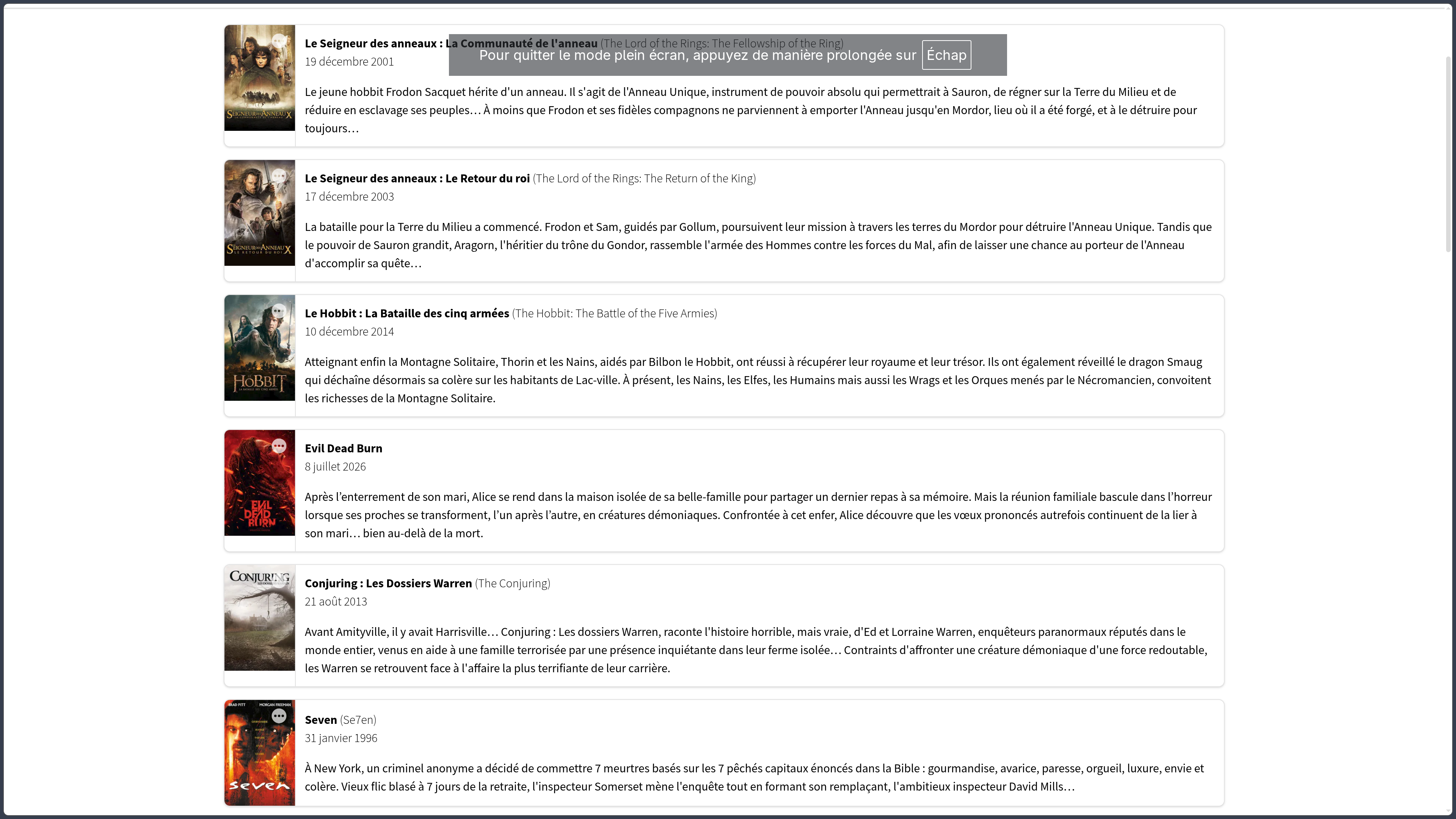
The company later diversified with films such as Teenage Mutant Ninja Turtles, The Mask, Dumb and Dumber, Se7en, Austin Powers, Blade and Rush Hour.
At the beginning of the 2000s, New Line took a considerable risk with the adaptation of J. R. R. Tolkien’s The Lord of the Rings. Produced as a trilogy largely filmed in one continuous production, the undertaking became one of the greatest successes in the studio’s history.
The Lord of the Rings: The Return of the King notably won eleven Academy Awards in 2004, including Best Picture.
After being acquired by Turner Broadcasting in 1994 and then becoming part of Time Warner in 1996, New Line lost its largely autonomous studio status in 2008 and was integrated more directly into Warner Bros.
It did not disappear, however.
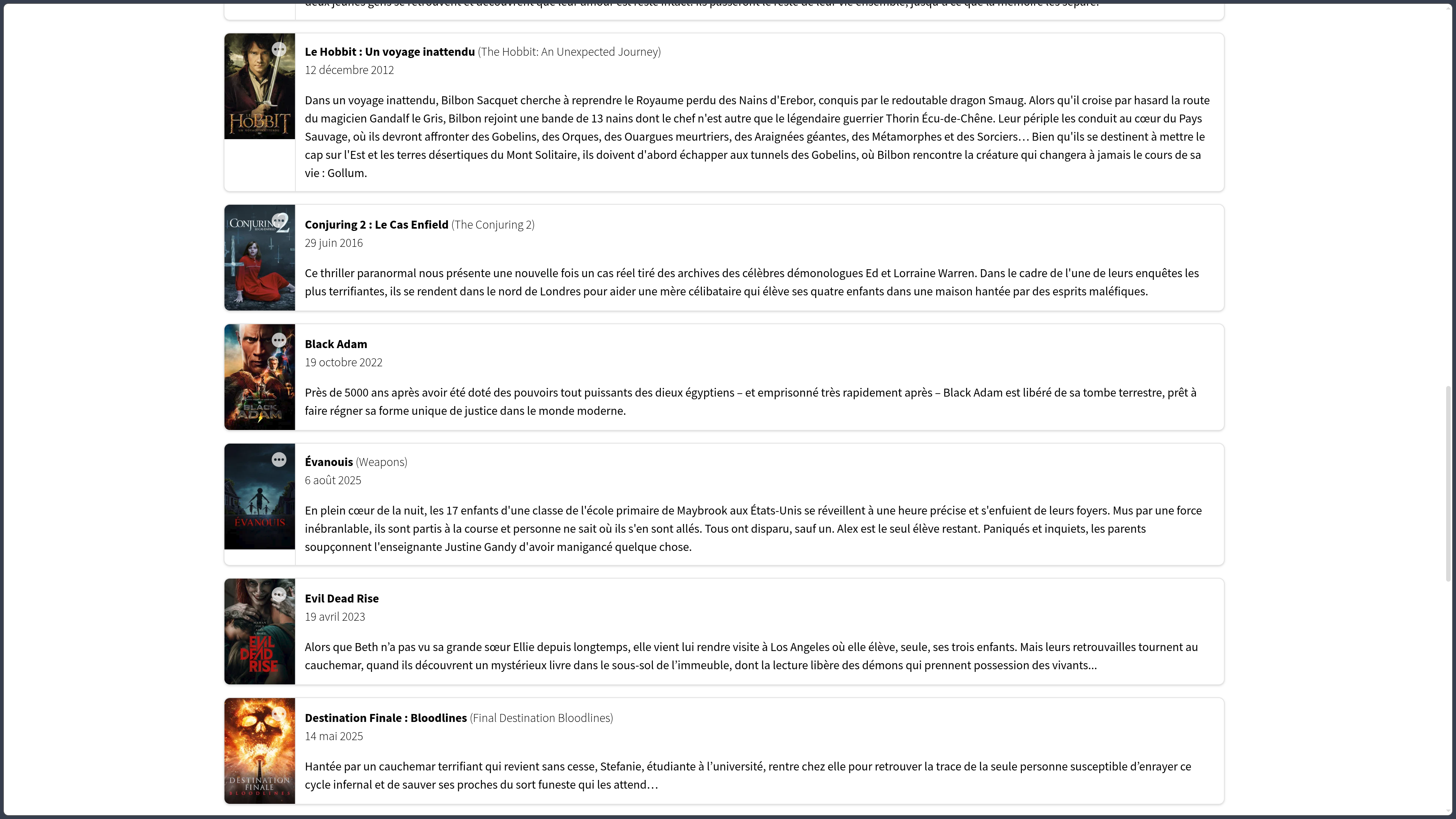
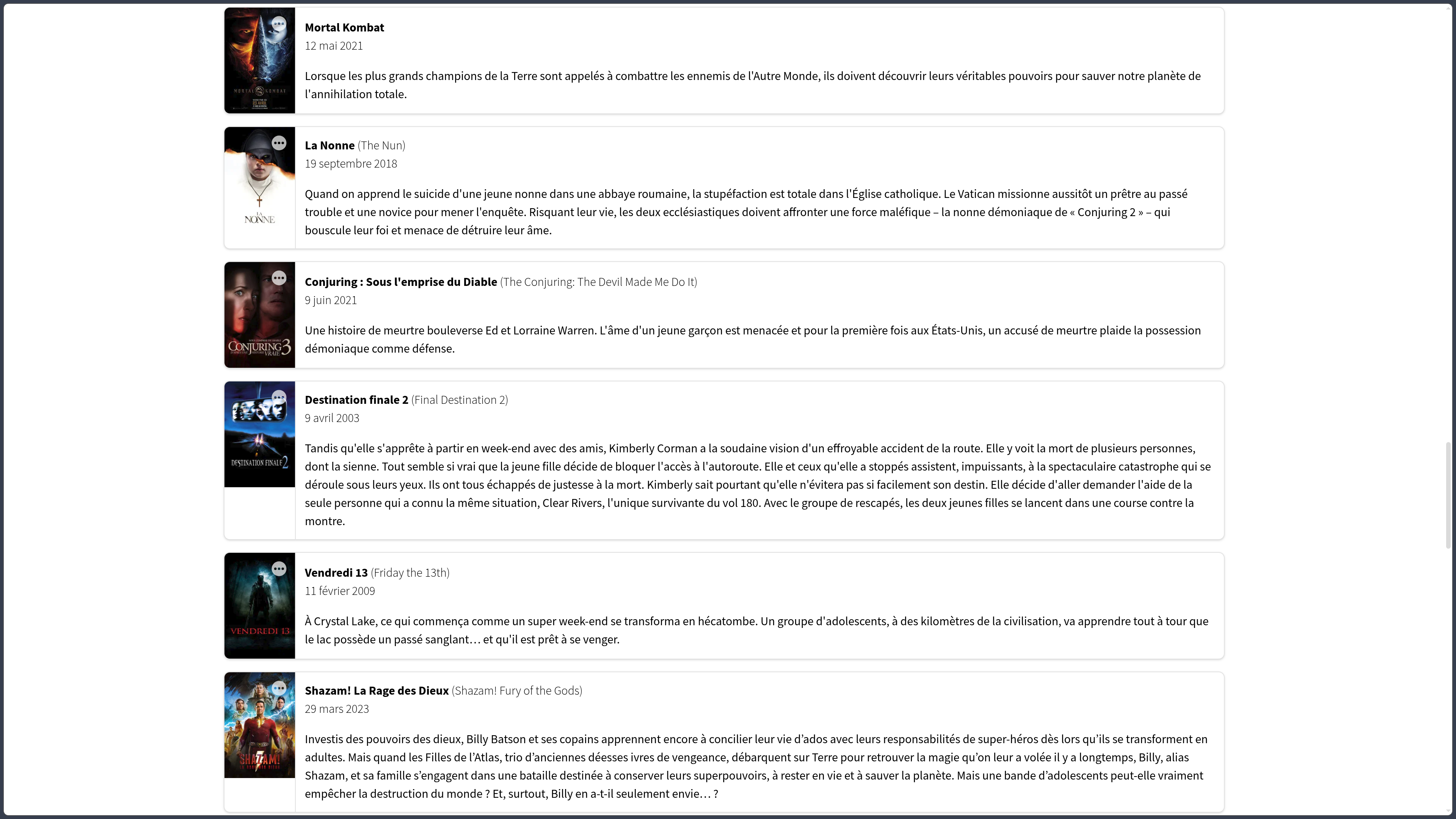
New Line Cinema has continued as a distinct production label, particularly active in horror and franchise filmmaking, with projects including The Conjuring, Annabelle, It, Final Destination, Mortal Kombat, Companion and Weapons.
History
1967 — Robert Shaye founds New Line Cinema
Robert Shaye founded New Line Cinema in New York in 1967.
The company started with extremely limited resources and focused on distributing films to college audiences.
Shaye quickly identified a market for works that major distributors considered too marginal, too old or too difficult to market to mainstream audiences.
New Line began notably by exploiting cult films and alternative productions through American college campuses.
This approach allowed the company to grow without directly competing with the major studios on their own ground.
The 1970s — Independent cinema and counterculture
During the 1970s, New Line consolidated its identity as an independent distributor.
The company became interested in exploitation films, foreign cinema, horror and works associated with the counterculture.
It notably helped bring films by John Waters, including Pink Flamingos, to new audiences.
New Line also helped circulate films with strong potential among specific communities but which did not necessarily fit the criteria of mainstream commercial cinema.
This understanding of niche audiences became one of the company’s fundamental strengths.
From distribution to production
At the beginning of the 1980s, Robert Shaye wanted to move beyond distribution alone.
Producing films directly would allow New Line to gain greater creative control and, above all, retain a larger share of the revenue when a film succeeded.
This development remained risky for a company with resources far below those of the major studios.
The project that would permanently transform New Line came from director Wes Craven.
1984 — A Nightmare on Elm Street changes everything
In 1984, New Line produced A Nightmare on Elm Street.
The film introduced Freddy Krueger, a killer capable of attacking his victims through their dreams.
Made on a relatively modest budget, the film became a major success and led to numerous sequels.
Freddy became one of the defining horror icons of the 1980s.
The franchise was so important to the company’s future that New Line earned the nickname “The House that Freddy Built.”
Revenue generated by the films allowed the studio to develop more ambitious projects and gradually move beyond its status as a small specialized distributor.
The 1990s — New Line becomes a true studio
During the 1990s, New Line greatly expanded its activities.
Teenage Mutant Ninja Turtles, released in 1990, demonstrated that the company could handle a popular production aimed at a very broad audience.
New Line then developed an extremely varied catalog.
The Mask, starring Jim Carrey, and Dumb and Dumber became major comedy successes.
Se7en, directed by David Fincher, became one of the decade’s defining thrillers.
At the same time, the company developed several new franchises including Austin Powers, Blade and Rush Hour.
This ability to move from horror to comedy, thriller, martial arts and comic-book adaptations turned New Line into a much more serious competitor to Hollywood’s major studios.
1994 — Acquisition by Turner Broadcasting
In 1994, New Line Cinema was acquired by Turner Broadcasting System.
The deal dramatically changed the scale of the company while initially allowing it to retain significant autonomy.
New Line thus became part of a group with much broader media and entertainment resources.
The studio nevertheless continued operating under its own name and developing its own productions.
1996 — New Line joins Time Warner
Two years later, Turner Broadcasting merged with Time Warner.
New Line therefore found itself within the same corporate group as Warner Bros.
Despite this new proximity, New Line continued for several years to operate as a relatively autonomous structure, with its own executives, strategy and films.
This distinction matters for PANACHES: New Line films from this period should not be retroactively treated as Warner Bros. Pictures productions.
The two labels belonged to the same group but remained separate production entities.
Blade, Rush Hour and Austin Powers
The late 1990s were an especially dynamic period.
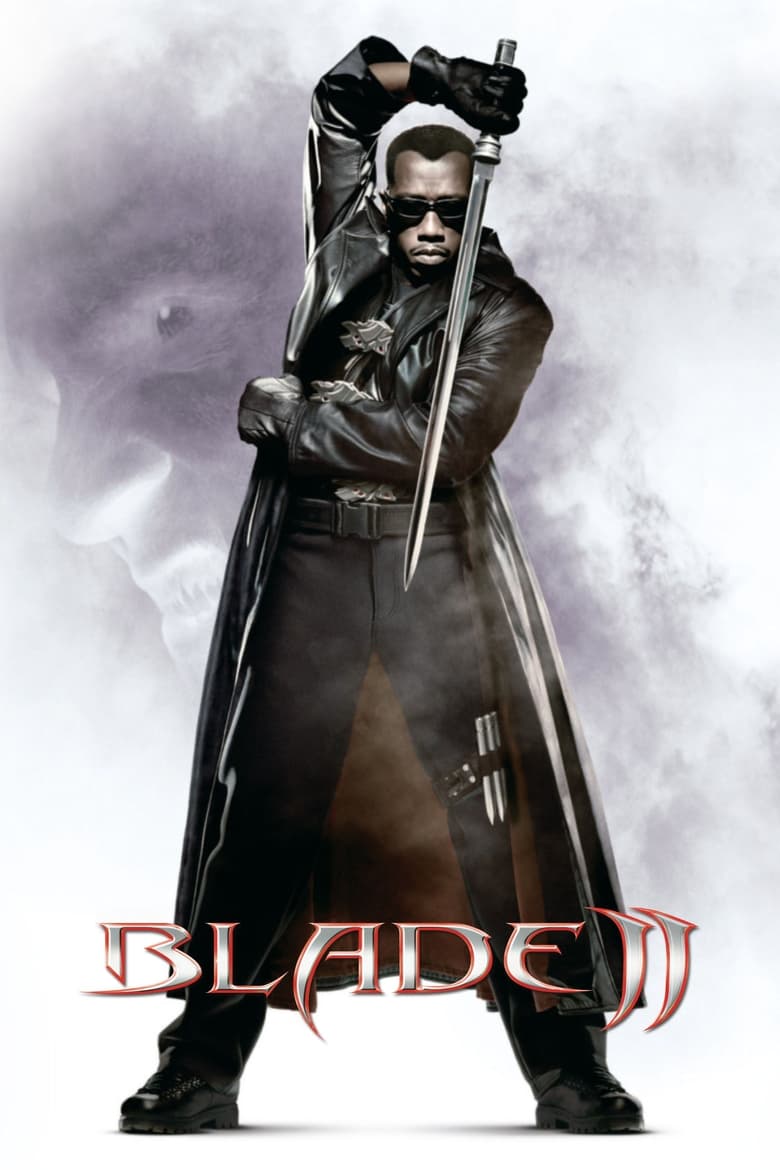
Blade, released in 1998 and adapted from the Marvel character, became an important success and contributed to the gradual return of comic-book adaptations to cinemas.
That same year, Rush Hour, starring Jackie Chan and Chris Tucker, launched a franchise combining action and comedy.
The Austin Powers series, which began in 1997, became one of the major popular comedy franchises of the period.
New Line had now demonstrated its ability to develop several franchises at once without relying solely on Freddy Krueger.
2001 — The enormous gamble of The Lord of the Rings
The most ambitious project in New Line’s history took shape at the end of the 1990s.
Director Peter Jackson wanted to adapt J. R. R. Tolkien’s The Lord of the Rings.
While other configurations had considered a reduced adaptation, New Line ultimately accepted the idea of producing three films corresponding to the three main volumes of the story.
The decision represented a considerable financial risk.
The three films were developed and filmed in an exceptional continuous production in New Zealand.
The Fellowship of the Ring was released in 2001, followed by The Two Towers in 2002 and The Return of the King in 2003.
The triumph of The Lord of the Rings
The trilogy became an enormous commercial and critical success.
It demonstrated that an especially ambitious fantasy adaptation could reach a worldwide audience and sustain several large-scale films.
The Return of the King achieved a historic performance at the Academy Awards: it won all eleven awards for which it was nominated, including Best Picture and Best Director for Peter Jackson.
The trilogy permanently transformed New Line’s status.
A studio once associated with college distribution and modest horror films was now behind one of the most prestigious and successful film productions of the early twenty-first century.
An identity that remains eclectic
The success of The Lord of the Rings did not lead New Line to abandon other kinds of films.
The company continued producing comedies, romances, genre films and projects made at very different budget levels.
Elf, The Notebook, Wedding Crashers and Hairspray illustrate this diversity.
New Line therefore retained a more flexible culture than a studio focused entirely on blockbusters.
2007-2008 — A difficult period and the end of autonomy
At the end of the 2000s, several productions delivered less favorable results.
The Golden Compass, adapted from Philip Pullman’s novel and released in 2007, was notably intended to launch a major international fantasy franchise.
Despite some commercial performance, the project did not deliver the results expected by New Line, particularly given its cost and the structure of its international distribution rights.
In February 2008, Time Warner announced a major restructuring.
Historic executives Robert Shaye and Michael Lynne, who had joined New Line’s leadership and played a major role in its development, left the company.
New Line then ceased operating as a fully autonomous studio and was integrated directly into Warner Bros.
New Line does not disappear
The 2008 integration could have resulted in the complete disappearance of the name.
Warner nevertheless chose to retain New Line Cinema as a production label.
The studio now works with Warner Bros. infrastructure for distribution, marketing and several industrial functions while continuing to develop projects under its own name.
This structure remains visible today: some productions are identified as New Line Cinema while being distributed by Warner Bros. Pictures.
Returning to Middle-earth with The Hobbit
New Line later returned to Tolkien’s universe with The Hobbit.
Again directed by Peter Jackson, the new trilogy began with An Unexpected Journey in 2012, followed by The Desolation of Smaug and The Battle of the Five Armies.
These films were produced under a different corporate structure from the first trilogy, with Warner Bros., New Line and MGM among the partners involved.
They nevertheless continued the historic relationship between New Line and cinematic adaptations of Middle-earth.
That relationship remains important enough for Warner Bros. Pictures and New Line to continue developing new film projects connected to Peter Jackson, Fran Walsh and Philippa Boyens.
The 2010s — Horror becomes central again
Another major transformation came with The Conjuring in 2013.
Directed by James Wan, the film became a major success and launched a universe that would include Annabelle, The Nun and several sequels to The Conjuring.
Horror thus became one of New Line’s central pillars again, almost thirty years after the success of Freddy Krueger.
The studio also developed It, a new adaptation of Stephen King’s novel.
The first film, released in 2017, became an enormous success and was followed by It Chapter Two in 2019.
This partial specialization in horror gave New Line a particularly clear identity within the Warner group.
Final Destination, Mortal Kombat and other franchises
At the same time, New Line continued maintaining several older properties.
The Final Destination franchise, launched in 2000, returned with Final Destination Bloodlines in 2025.
The studio also participated in the new cinematic adaptation of Mortal Kombat, launched in 2021.
New Line therefore alternates between new properties and returning franchises that already have established audiences.
This approach closely reflects the model that fueled its growth during the 1980s and 1990s.
A new generation of genre filmmaking
New Line also continues taking risks on original projects.
Companion, released in 2025, combines science fiction, thriller and horror.
Weapons, directed by Zach Cregger, continues this presence in contemporary genre cinema.
These productions demonstrate that New Line has not simply become a manager of historic franchises.
The label still leaves room for new projects that could eventually develop into important new properties.
A distinct place alongside Warner Bros. Pictures
New Line Cinema belongs to the same film organization as Warner Bros. Pictures, but the two names are not interchangeable.
The Warner Bros. Motion Picture Group has continued to include Warner Bros. Pictures, New Line Cinema and Warner Bros. Pictures Animation as separate structures.
A New Line production can be distributed under the Warner Bros. Pictures banner without ceasing to be a New Line production.
This remains visible in recent films such as Companion and The Conjuring: Last Rites, which are identified as New Line productions distributed by Warner Bros. Pictures.
2026 — A new parent company, but New Line remains active
On October 6, 2026, Paramount Skydance completed its acquisition of Warner Bros. Discovery.
The combined group adopted the name Skydance.
This transaction once again changed New Line’s ultimate parent company but did not represent the closure of the studio.
New Line remains a film label attached to the Warner organization and therefore retains its historical continuity from 1967.
As with its acquisition by Turner and later integration into Time Warner and Warner Bros., these changes are best understood as changes in ownership rather than the creation of new entities.
What sets it apart
A studio built from the margins of Hollywood
New Line was not born as a major studio.
It began with very limited capital, an alternative distribution model and films aimed at audiences often overlooked by Hollywood’s major companies.
This origin partly explains its historical ability to identify genres, communities and properties with potential far greater than their initial scale suggested.
The studio built itself by turning several projects considered risky into popular phenomena.
“The House that Freddy Built”
Few franchises have been as important to the survival and growth of a studio as A Nightmare on Elm Street was to New Line.
The success of Freddy Krueger gave the company the resources needed to expand and produce more films.
The nickname “The House that Freddy Built” perfectly summarizes this stage of its history.
Several decades later, horror remains a fundamental part of New Line’s identity.
From small budgets to Middle-earth
New Line’s evolution is remarkable.
The company moved from films distributed on college campuses and modest horror productions to a trilogy such as The Lord of the Rings, one of the most ambitious film projects of its era.
This ability to change scale without completely abandoning genre productions is one of the studio’s most distinctive characteristics.
A historic relationship with horror
New Line possesses one of the most important horror legacies among major American labels.
A Nightmare on Elm Street, Final Destination, The Conjuring, Annabelle, The Nun and It represent several very different generations of the genre.
This tradition continues with contemporary productions such as Companion and Weapons.
New Line can therefore maintain major franchises while continuing to test new ideas in a genre that has historically been central to its identity.
An identity preserved within Warner
Since 2008, New Line has no longer operated with the industrial independence it once possessed.
Warner Bros. did not eliminate the label, however.
This decision preserves an identity distinct from Warner Bros. Pictures, particularly for certain genre films, comedies and historic franchises.
For PANACHES, it therefore makes sense to keep New Line Cinema and Warner Bros. Pictures as separate entities, while clearly indicating that they belong to the same corporate organization.
A lasting connection to Middle-earth
One of the strongest creative and commercial relationships in New Line’s modern history remains its connection to The Lord of the Rings.
The The Lord of the Rings and The Hobbit trilogies placed New Line at the heart of Middle-earth’s cinematic history.
Warner Bros. Pictures and New Line continue developing this legacy through new projects associated with Peter Jackson, Fran Walsh and Philippa Boyens.
The studio therefore retains a specific role in the cinematic development of this universe within the Warner organization.
Good to know
- New Line Cinema was founded in 1967 in New York by Robert Shaye.
- The company began as an independent distributor, notably targeting college campuses.
- Its initial capital was extremely limited compared with the resources of Hollywood’s major studios.
- During the 1970s, New Line developed a reputation around alternative, genre and countercultural cinema.
- A Nightmare on Elm Street, released in 1984, profoundly transformed the studio’s future.
- The success of Freddy Krueger earned New Line the nickname “The House that Freddy Built.”
- Teenage Mutant Ninja Turtles became a major success in 1990.
- During the 1990s, New Line notably developed The Mask, Dumb and Dumber, Se7en, Austin Powers, Blade and Rush Hour.
- Turner Broadcasting System acquired New Line in 1994.
- Turner’s merger with Time Warner in 1996 placed New Line within the same group as Warner Bros.
- New Line nevertheless retained substantial autonomy for several years.
- The Lord of the Rings: The Fellowship of the Ring was released in 2001.
- Peter Jackson’s trilogy became one of the greatest successes in New Line’s history.
- The Return of the King won eleven Academy Awards, including Best Picture.
- In 2008, New Line was integrated more directly into Warner Bros. and ceased operating as an autonomous studio.
- Historic executives Robert Shaye and Michael Lynne left the company at that time.
- New Line nevertheless continued to exist as a distinct production label.
- The 2010s saw the development of The Conjuring Universe and the success of the It adaptations.
- Other franchises associated with the label include Final Destination, Mortal Kombat and several properties from its historic catalog.
- Recent films such as Companion, Final Destination Bloodlines, Weapons and The Conjuring: Last Rites confirm that New Line remains active.
- New Line belongs to the same film organization as Warner Bros. Pictures but remains a distinct brand and label.
- Since October 6, 2026, its ultimate corporate parent has been part of the new Skydance group created through Paramount Skydance’s acquisition of Warner Bros. Discovery.