





Overview
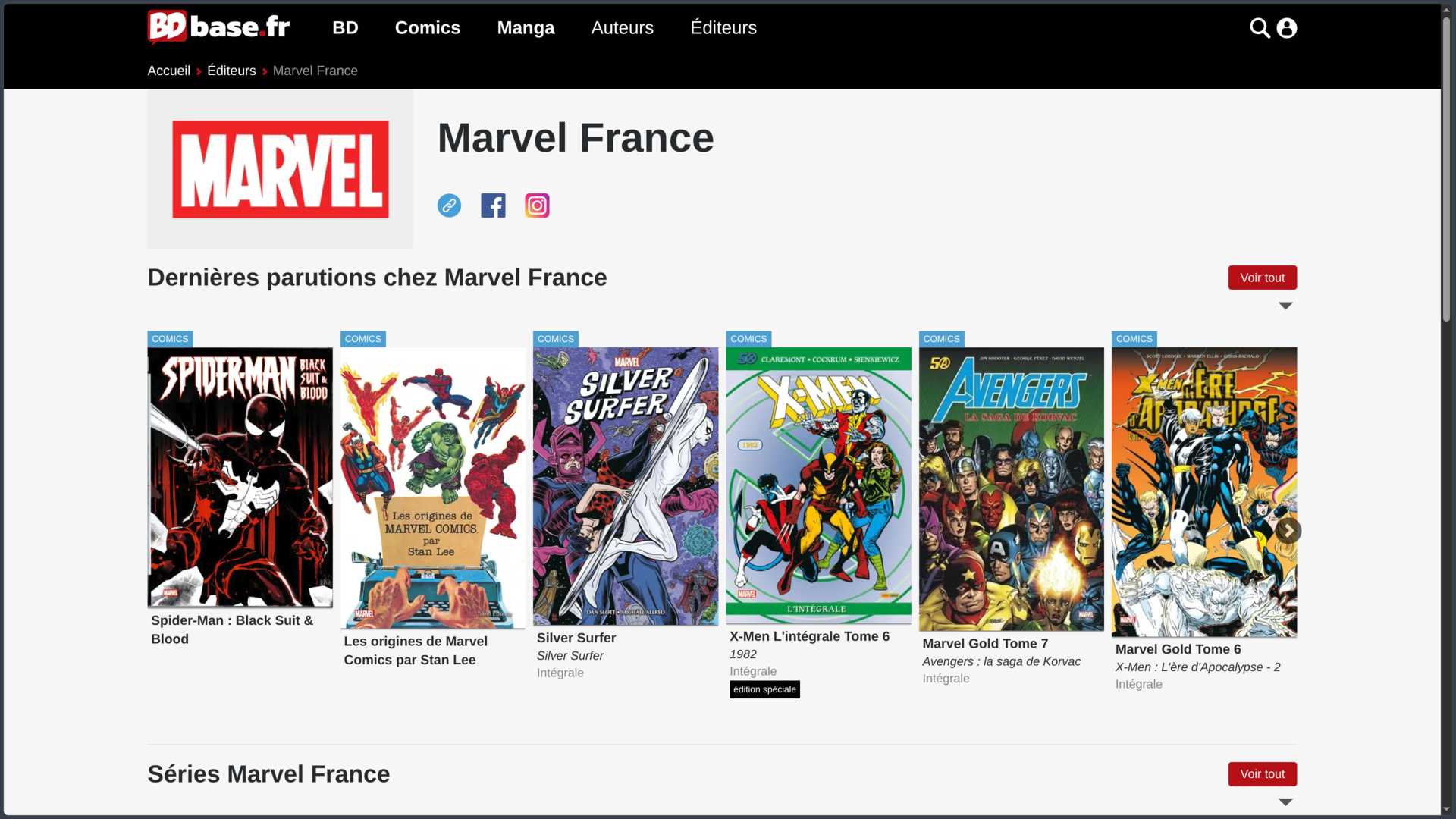
Marvel France is the name under which Panini began developing the French publication of Marvel Comics titles in 1997.
The label appeared at a turning point in the history of superheroes in France. For several decades, Marvel characters had notably been published by Lug and later Semic, through magazines that became iconic among French readers, including Strange, Titans and Spécial Strange. When Panini took over the publication of Marvel comics, a new era began.
In February 1997, five magazines officially launched this new publishing line: Avengers, Marvel, Silver Surfer, Spider-Man and X-Men. They were soon joined by other publications devoted to Wolverine, Hulk, X-Force, Fantastic Four and major events across the Marvel Universe.
Marvel France gradually developed an increasingly broad range of publications. Alongside magazines sold through newsstands, the label expanded into bookstore editions capable of offering complete stories, classics, collected editions and works aimed at more mature readers.
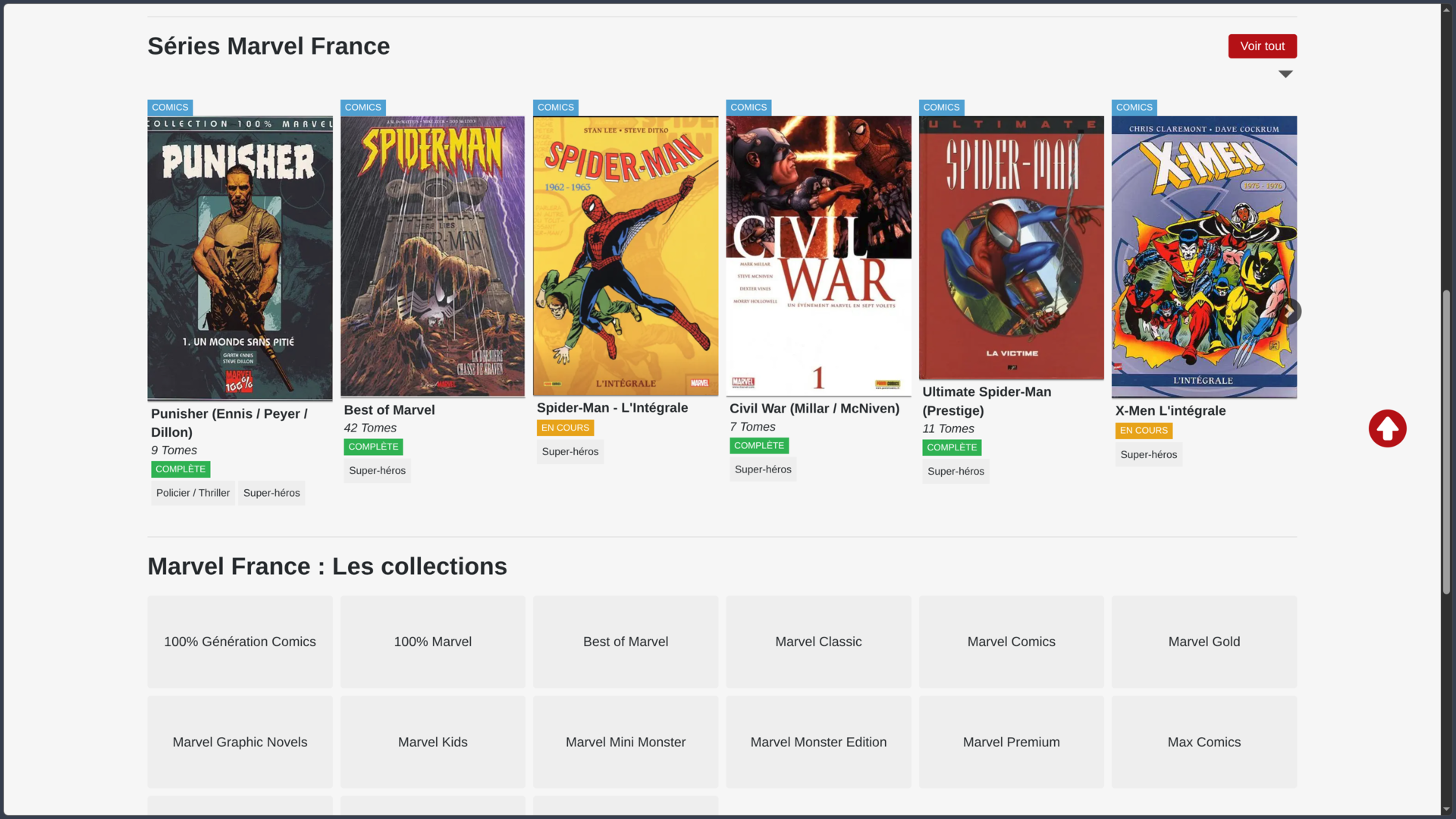
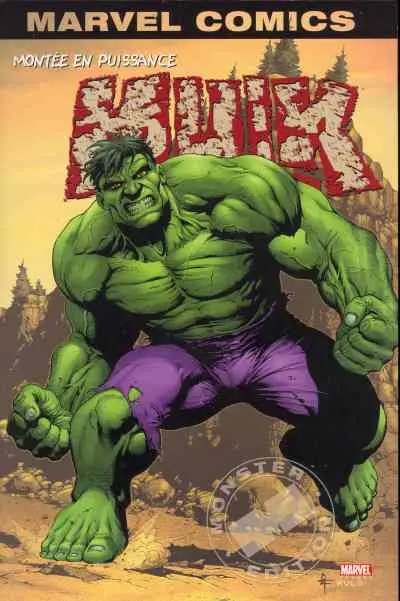
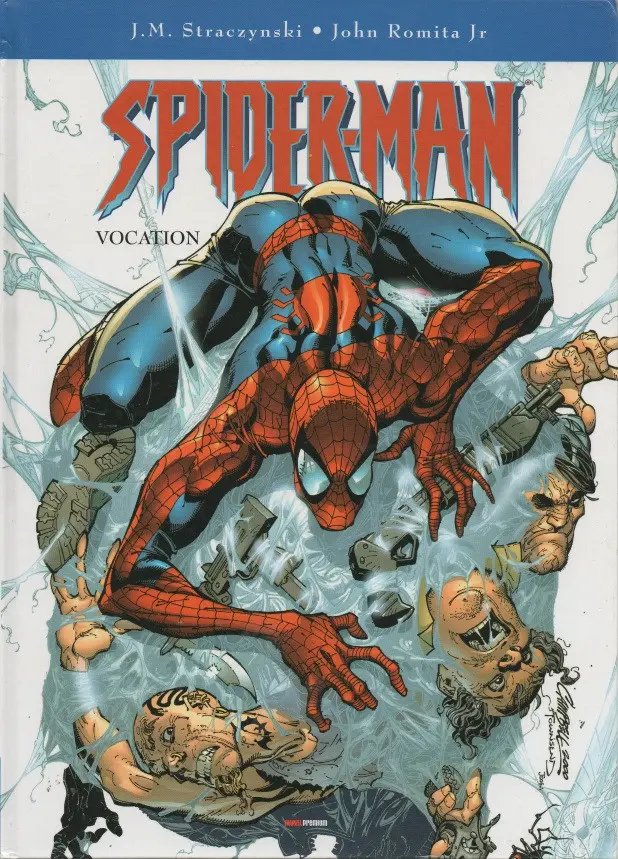
Collections such as 100% Marvel, Best of Marvel, Marvel Graphic Novels, Marvel Monster Edition, Marvel Premium, Marvel Gold and Max Comics contributed to this diversification.
Throughout the 2000s, the Panini Comics identity gradually became more prominent. Marvel France therefore ceased to be the publisher’s main visible brand, while Panini continued to manage and expand Marvel’s French-language catalog.
History
1997 — Panini takes over Marvel publishing in France
The history of Marvel France truly begins in 1997.
Marvel Entertainment had acquired the Panini Group a few years earlier and decided to publish its comics more directly in several European markets.
In France, Semic lost the Marvel license. Panini took over through the Marvel France label.
In January 1997, the first publications were previewed at the Angoulême International Comics Festival.
The following month saw the release of the first issues of Avengers, Marvel, Silver Surfer, Spider-Man and X-Men, launched with particularly recognizable metallic covers.
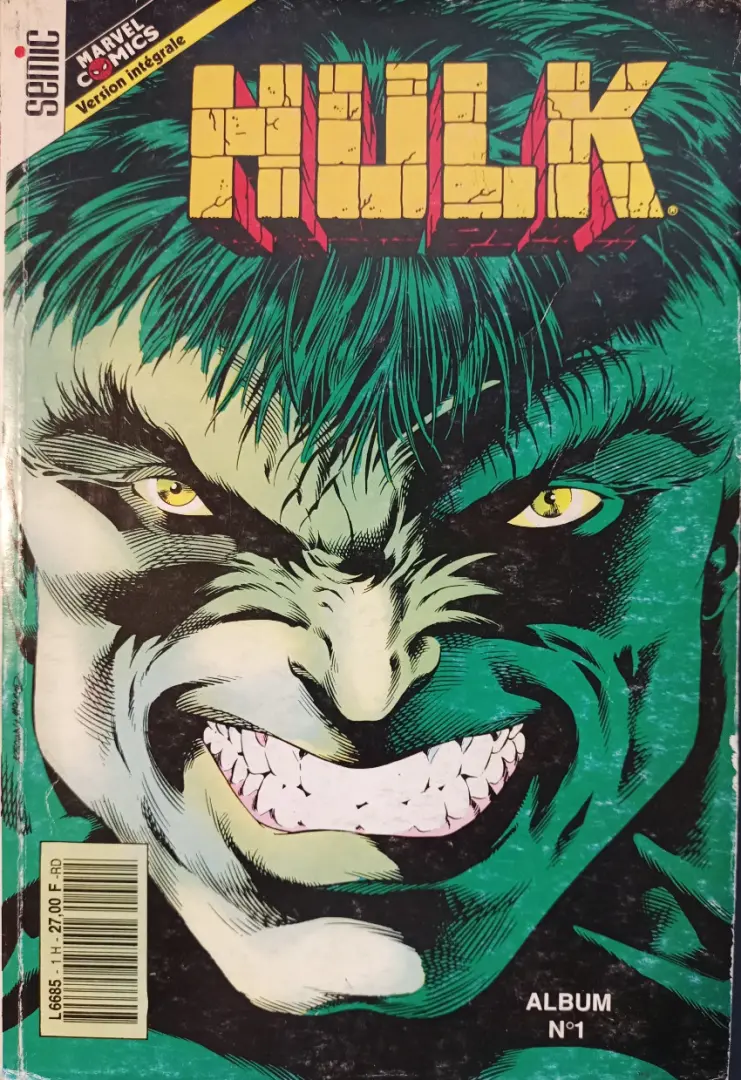
Maintaining continuity for Semic readers
The change of publisher did not always mean starting again from zero.
For some series, Panini chose to preserve continuity with Semic’s previous publications. Wolverine, for example, continued an existing numbering sequence rather than immediately restarting at issue 1.
This approach helped limit disruption for French readers who had long been accustomed to following Marvel characters through regular magazines.
Marvel France nevertheless quickly developed its own titles, its own editorial organization and a new visual identity.
Late 1990s — Building a new Marvel range
The catalog quickly expanded around the major families of the Marvel Universe.
Spider-Man, the X-Men, Wolverine, the Avengers, Hulk, the Fantastic Four, Daredevil, Punisher and various mutant teams gradually received regular publications or special issues.
Magazines such as Marvel Top, Marvel Méga, Marvel Select, Spider-Man Extra, X-Men Extra and various mutant-focused titles also provided room for mini-series, crossovers and stories that were difficult to fit into the main magazines.
Marvel France therefore continued the historical model of French comics periodicals while regularly adapting its range to the rhythm of American publications.
The expansion into bookstores
Newsstand distribution remained essential, but Marvel France also developed a major presence in bookstores.
This evolution made it possible to publish comics in formats different from traditional periodicals: hardcover or paperback albums, complete stories, collected editions and prestige volumes.
The 100% Marvel collection became one of the emblematic formats of this policy, alongside lines such as Best of Marvel, Marvel Graphic Novels, Marvel Premium, Marvel Monster Edition and later Marvel Gold.
These collections also helped bring major stories from Marvel history back into circulation, including Kraven’s Last Hunt, Age of Apocalypse, Weapon X and Demon in a Bottle, while also publishing contemporary works.
The 2000s — Diversifying audiences and formats
During the 2000s, Marvel France accompanied a particularly rich period in Marvel’s publishing history.
The Ultimate universes, launched in the United States to offer new versions of classic characters, quickly found a place in France through titles including Ultimate Spider-Man and Ultimate X-Men.
Other series such as Daredevil, Punisher, Hulk, Ghost Rider, Elektra and Sentry benefited from collections designed to publish longer stories and, in some cases, material intended for more mature audiences.
Large-scale publishing events also became increasingly important. Crossovers and storylines involving several series could be spread across magazines, albums and special collections.
This multiplication of formats gradually transformed the way Marvel comics were distributed and read in France.
From Marvel France to Panini Comics
During the 2000s, Panini Comics gradually became the group’s main publishing identity for comics.
The Marvel France name, which had been highly visible when the line launched in 1997, slowly faded as an independent brand.
This did not mean the disappearance of the catalog. Marvel series continued to be published by Panini, which regularly expanded and renewed its collections.
The change therefore corresponded more closely to a shift in publishing identity than to an actual closure.
A legacy still present at Panini
In 2026, Panini Comics remains the French publisher of Marvel comics and continues to release both new American material and classic works from the House of Ideas.
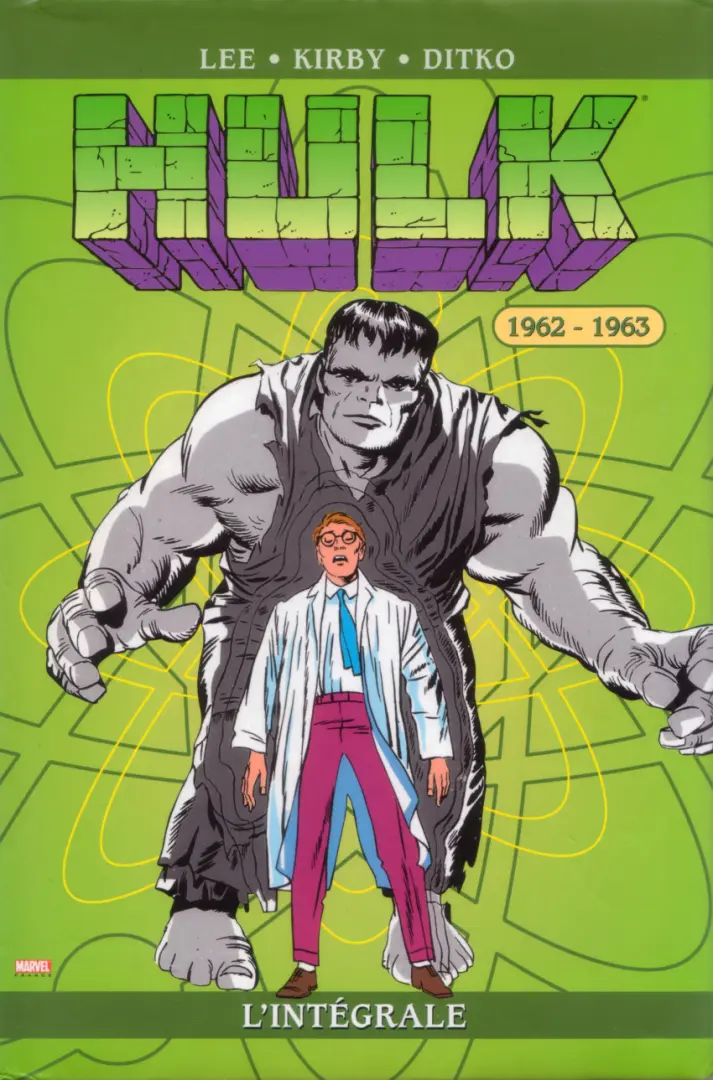
Formats have evolved considerably since 1997: chronological collected editions, omnibus volumes, Deluxe editions, accessible collections, children’s albums and prestige editions now complement periodical publications.
Historical labels such as 100% Marvel are still in use, creating direct continuity with collections developed during the Marvel France era.
Marvel France therefore belongs mainly to Panini’s publishing history today, but its launch in 1997 marked the beginning of a period that continues under the Panini Comics name.
What sets it apart
A major turning point in Marvel’s French publishing history
The arrival of Marvel France marked an important change after several decades dominated by Lug and later Semic.
Panini did not simply take over a handful of series: the company assumed responsibility for a large part of the Marvel Universe on the French market.
The simultaneous launch of several magazines in 1997 clearly symbolized the transition from one publishing era to another.
A combination of newsstand and bookstore publishing
Marvel France developed two complementary ways of reading comics.
The newsstand format allowed readers to follow American series regularly through magazines containing several episodes, while the bookstore market offered complete stories, more prestigious editions and heritage reprints.
The coexistence of these two models significantly broadened the range of Marvel comics available in France.
Collections that became familiar to French readers
Marvel France and Panini gradually developed an architecture of collections that made it easier for readers to identify the type of book being offered.
100% Marvel hosted many complete stories and contemporary series, Best of Marvel brought major stories back into focus, while Marvel Graphic Novels, Marvel Premium, Marvel Monster Edition and Marvel Gold addressed other formats and reading habits.
This publishing structure had a lasting influence on the way Marvel material was organized for French bookstores.
Broad access to the Marvel catalog
The volume of material published was another defining feature of Marvel France.
Beyond Spider-Man and the X-Men, the label regularly gave visibility to many characters and teams, including Avengers, Fantastic Four, Daredevil, Punisher, Hulk, Wolverine, Ghost Rider, Elektra, Silver Surfer and many others.
This scale allowed French readers to access an increasingly large portion of Marvel’s American output.
The starting point of the Panini Comics era in France
Marvel France also has an importance that goes beyond its own name.
The label represents the historical starting point of Panini’s comics publishing activity in France. As Panini Comics gradually became the main identity, the teams, Marvel catalog and many of the collections developed since 1997 continued to evolve.
Marvel France is therefore less a vanished publisher than an early publishing identity whose direct successor is today’s Panini Comics.
Good to know
- Marvel France was launched by Panini in France in 1997.
- The label took over from Semic for the French publication of Marvel comics.
- The first new publications were previewed at the Angoulême Festival in January 1997.
- Avengers, Marvel, Silver Surfer, Spider-Man and X-Men were among the five magazines launched in February 1997.
- Some publications initially maintained numbering continuity with earlier Semic editions.
- The catalog quickly expanded to include Wolverine, Hulk, Fantastic Four, Daredevil, Punisher, Ghost Rider and many other characters.
- Historical collections include 100% Marvel, Best of Marvel, Marvel Graphic Novels, Marvel Monster Edition, Marvel Premium, Marvel Gold and Max Comics.
- Marvel France published both newsstand magazines and bookstore editions.
- During the 2000s, the Panini Comics name gradually replaced Marvel France as the main publishing identity.
- Marvel France therefore did not experience a clear-cut closure: its activities and catalog continued under the Panini Comics identity.
- In 2026, Panini Comics continues to publish Marvel comics in France in many formats, from new releases to collected editions and heritage publications.