


Presentation
Lightstorm Entertainment is an American film production company founded in 1990 by filmmaker James Cameron and producer Lawrence Kasanoff. Closely associated with Cameron's career, it develops feature films combining large-scale spectacle, science fiction, adventure storytelling and technological research.
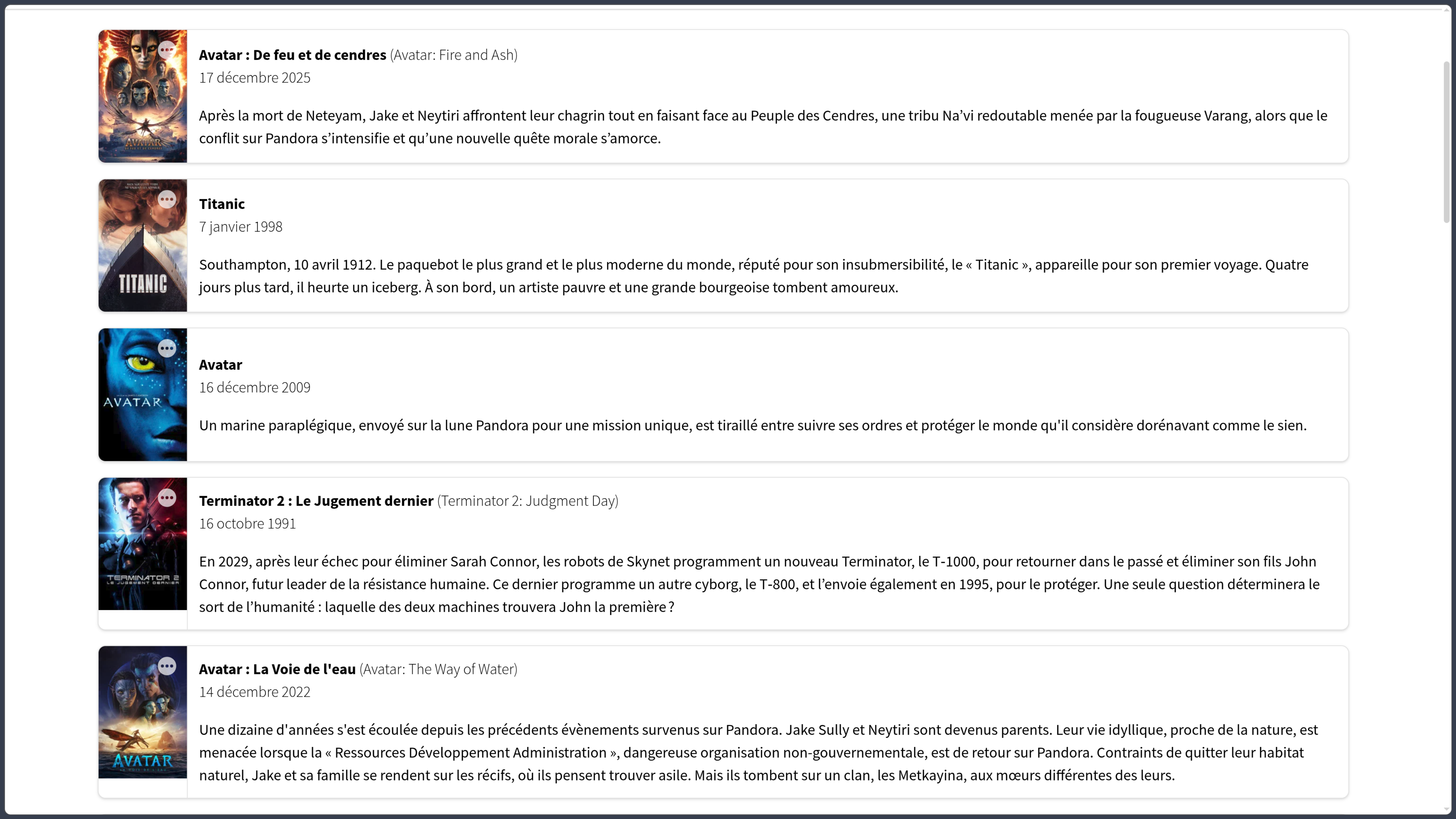
Its catalog includes several major Hollywood productions, notably Terminator 2: Judgment Day (1991), True Lies (1994), Titanic (1997) and the Avatar franchise, launched in 2009.
Lightstorm is distinguished by its involvement in multiple stages of filmmaking. Rather than limiting itself to financing or arranging production partnerships, the company participates in production planning, the development of new camera and performance-capture techniques, and the coordination of creative and technical teams.
This approach is particularly evident in the Avatar films, which combine live performances, performance capture, digital environments and stereoscopic cinema. Lightstorm works closely with Wētā FX, the New Zealand visual effects company, to bring these productions to the screen.
The partnership between James Cameron and producer Jon Landau also played a central role in the company's history. Following Titanic, they continued their collaboration on Avatar and its sequels until Landau's death in July 2024.
Lightstorm Entertainment remains active, focusing primarily on the development of the Avatar universe in collaboration with 20th Century Studios and the technical teams responsible for creating Pandora.
History
1990–1991 — Foundation and Terminator 2
James Cameron founded Lightstorm Entertainment in 1990 with Lawrence Kasanoff, a producer previously active in film and home entertainment. The new company provided Cameron with an organization dedicated to developing ambitious projects.
Cameron had already established a reputation for science fiction and visual effects through The Terminator (1984), Aliens (1986) and The Abyss (1989). However, all three films predated Lightstorm's establishment and were not originally produced under its banner.
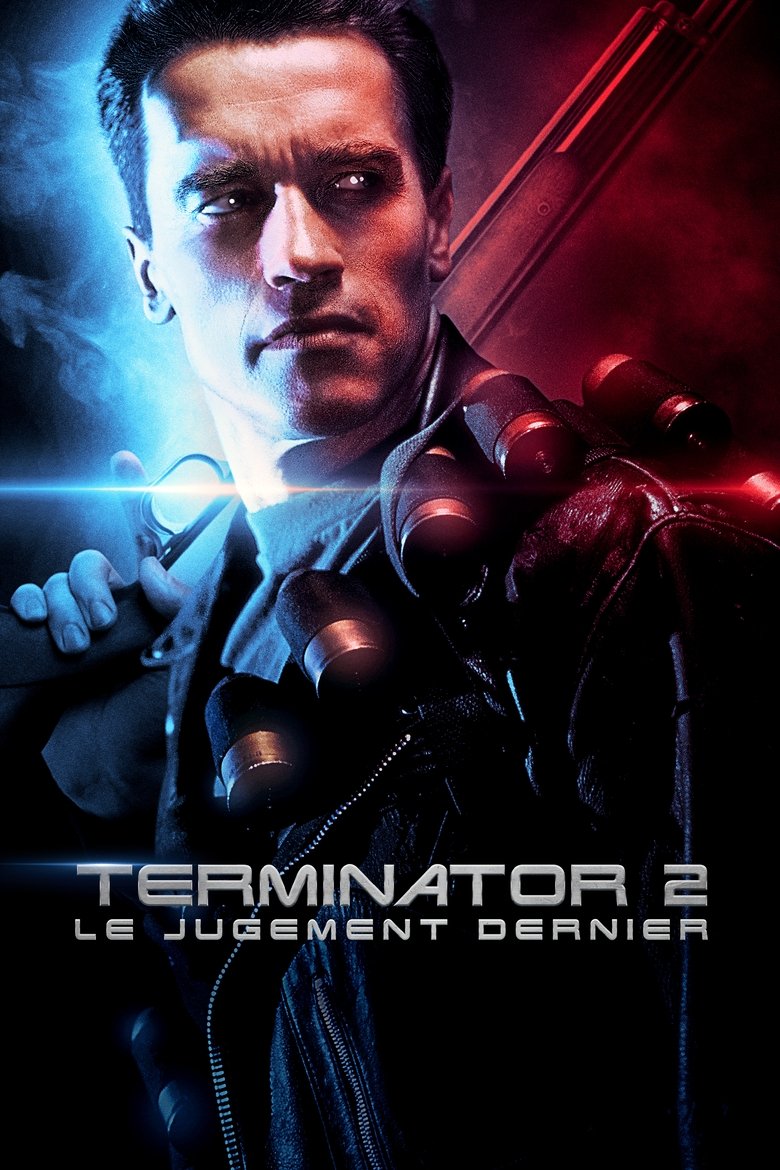
The company's first major production was Terminator 2: Judgment Day (1991), directed by Cameron and starring Arnold Schwarzenegger, Linda Hamilton and Edward Furlong.
The film continues the story of Sarah Connor and her son John, who are threatened by a new Terminator capable of changing its physical appearance. Its production combined Stan Winston's practical effects and mechanical creations with computer-generated imagery developed by Industrial Light & Magic.
The digital transformation of the liquid-metal antagonist represented an important advance in cinematic visual effects. Terminator 2 won four Academy Awards in 1992, including Best Visual Effects.
The film established Lightstorm as a company capable of managing technically demanding productions alongside major Hollywood partners.
1992–1994 — Diversification and True Lies
During the early 1990s, Lightstorm also explored activities beyond conventional film production.
In 1992, the company established an agreement with Sony Music Entertainment covering soundtracks and music publishing. The partnership included the creation of Lightstorm Music, intended to release film music and work with recording artists.
Lawrence Kasanoff subsequently left Lightstorm to pursue his own production ventures.
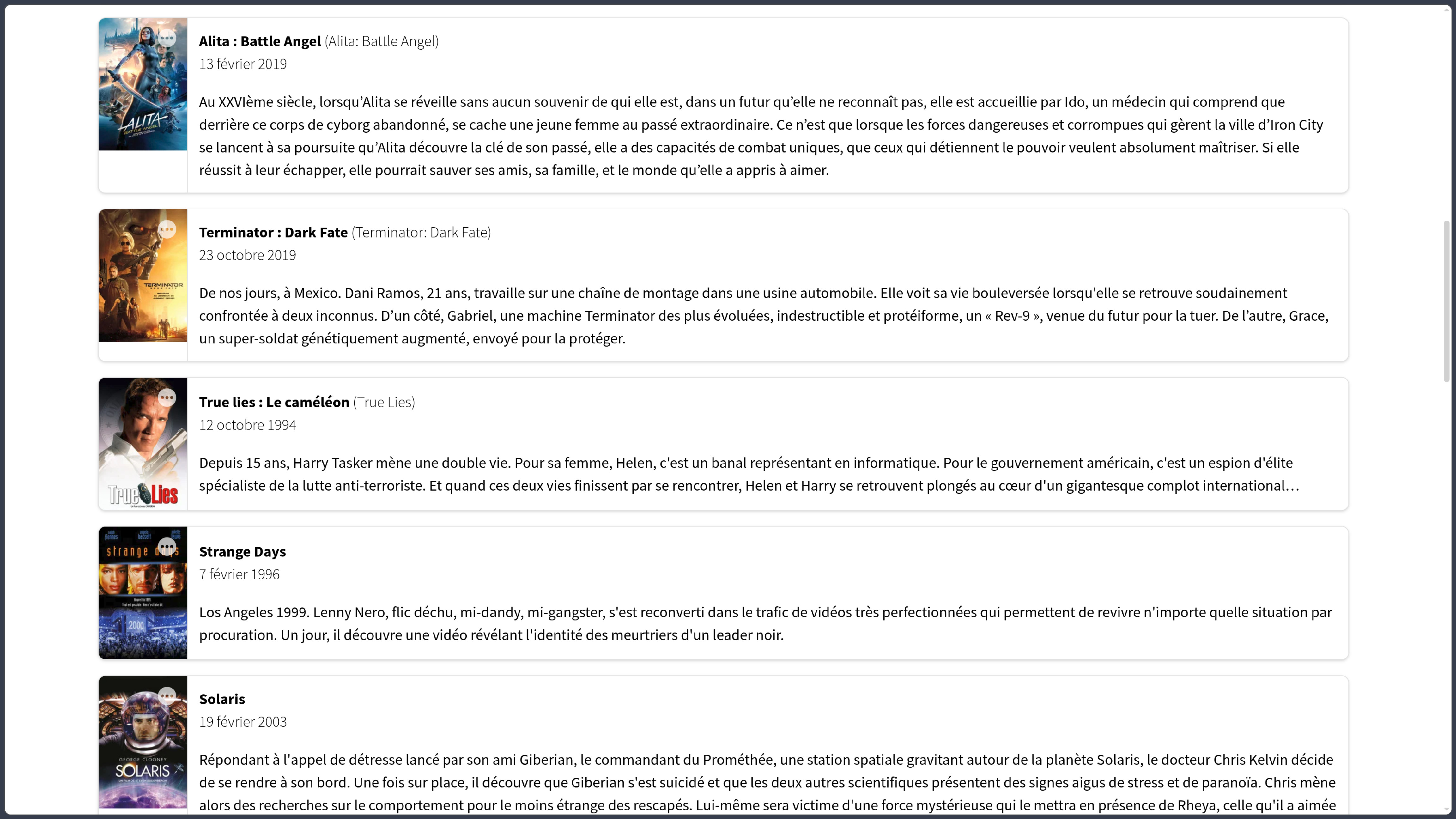
In 1994, the company produced True Lies, directed by James Cameron and starring Arnold Schwarzenegger, Jamie Lee Curtis and Tom Arnold.
Based on Claude Zidi's French film La Totale !, the feature combines espionage, action and domestic comedy. Its central character is a secret agent whose family knows nothing about his profession.
The production includes elaborate stunt sequences, aerial action and the use of Harrier military aircraft.
True Lies reinforced Cameron and Lightstorm's interest in combining live-action filmmaking, complex practical stunts and visual effects.
1995–1997 — Titanic and the Partnership with Jon Landau
During the mid-1990s, Lightstorm undertook the production of Titanic, James Cameron's epic drama about the sinking of the British passenger liner in April 1912.
To prepare the film, Cameron made several dives to the actual wreck. This research informed the historical reconstruction and visual design of the production.
Producer Jon Landau, a former senior executive at 20th Century Fox, became one of Cameron's most important collaborators. Their partnership helped coordinate an exceptionally complex production involving full-scale sets, underwater photography, models and digital effects.
Much of the film was shot at Fox Baja Studios, constructed near Rosarito, Mexico. A massive recreation of the ship was built for exterior scenes and the sinking sequences.
Released in December 1997, Titanic stars Leonardo DiCaprio and Kate Winslet in a fictional love story set against historical events.
The film achieved extraordinary international success. It received fourteen Academy Award nominations and won eleven awards in 1998, including Best Picture and Best Director.
It also became the first film to earn more than $1 billion at the worldwide box office. The production marked a decisive moment in Lightstorm's history and in the creative partnership between Cameron and Landau.
1998–2009 — Developing the Technology Behind Avatar
Following Titanic, James Cameron devoted considerable attention to research and technological development for future film productions.
He worked on documentaries involving deep-sea exploration and continued experimenting with digital cameras and stereoscopic filmmaking.
The Avatar project, originally conceived years earlier, gradually became feasible as motion-capture and computer-animation techniques advanced.
Lightstorm developed a production process for recording actors' physical movements and facial expressions, allowing those performances to be transferred to computer-generated characters.
The production also used a virtual camera system through which Cameron could explore the digital environments of Pandora and compose shots using previously recorded performances.
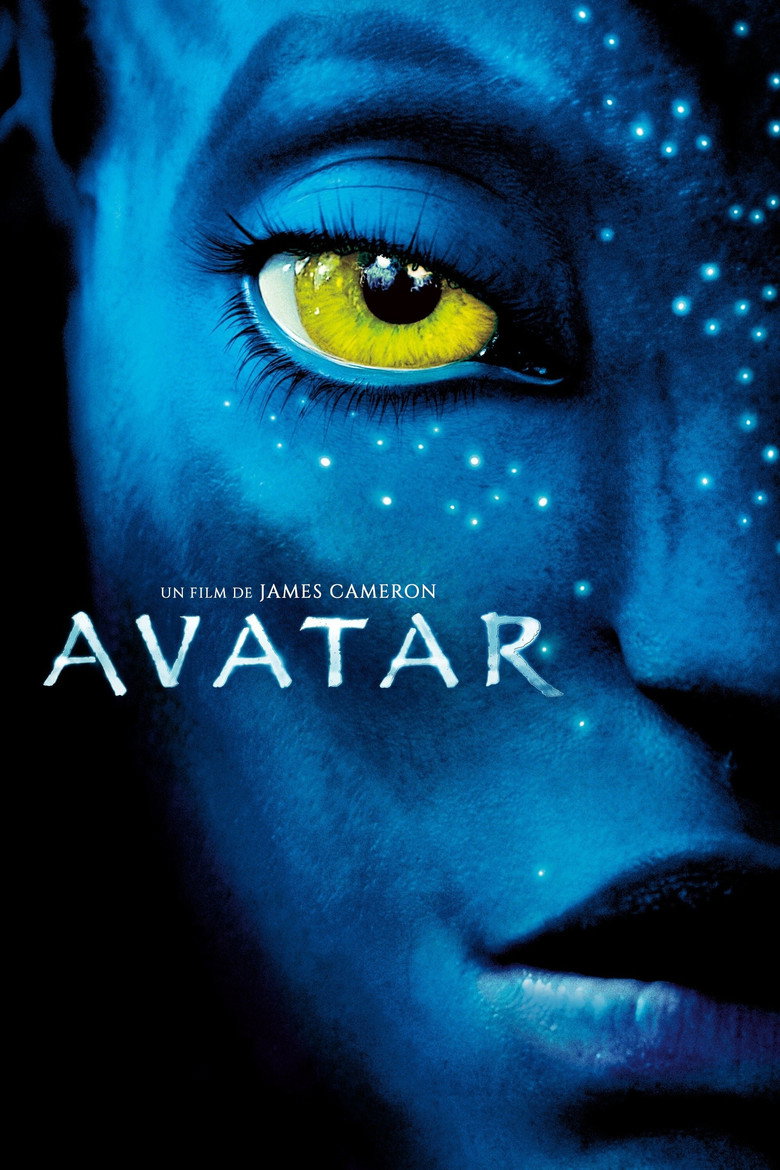
Created in collaboration with Weta Digital, now known as Wētā FX, Avatar was released in December 2009.
The film follows Jake Sully's arrival on Pandora, a moon inhabited by the Na'vi and threatened by human resource extraction. Sam Worthington, Zoe Saldaña and Sigourney Weaver are among its principal performers.
The combination of performance capture, digital visual effects and stereoscopic projection made Avatar a major milestone in digital filmmaking.
It won three Academy Awards in 2010, including Best Visual Effects, Best Cinematography and Best Art Direction, and became the highest-grossing film worldwide at the time.
2010–2019 — Pandora, New Partnerships and Alita
The success of Avatar led Lightstorm to develop several sequels exploring Pandora in greater depth.
The company continued researching performance capture and virtual production in collaboration with Weta Digital and software developers.
In 2012, Autodesk announced a partnership with Lightstorm and Weta Digital to develop new virtual production technologies.
The Avatar franchise also expanded beyond cinema. In September 2011, Disney, Fox and Lightstorm announced an agreement to create themed environments inspired by Pandora at Disney parks.
James Cameron, Jon Landau and their teams collaborated with Walt Disney Imagineering on the creative development. The first area, Pandora – The World of Avatar, opened at Disney's Animal Kingdom in Florida in 2017.
In 2019, Lightstorm participated in Alita: Battle Angel, directed by Robert Rodriguez and produced by James Cameron and Jon Landau, among others.
Based on Yukito Kishiro's manga Gunnm, the film follows a young cyborg living in a futuristic society. It uses performance-capture and digital animation techniques developed through Lightstorm's work on Avatar.
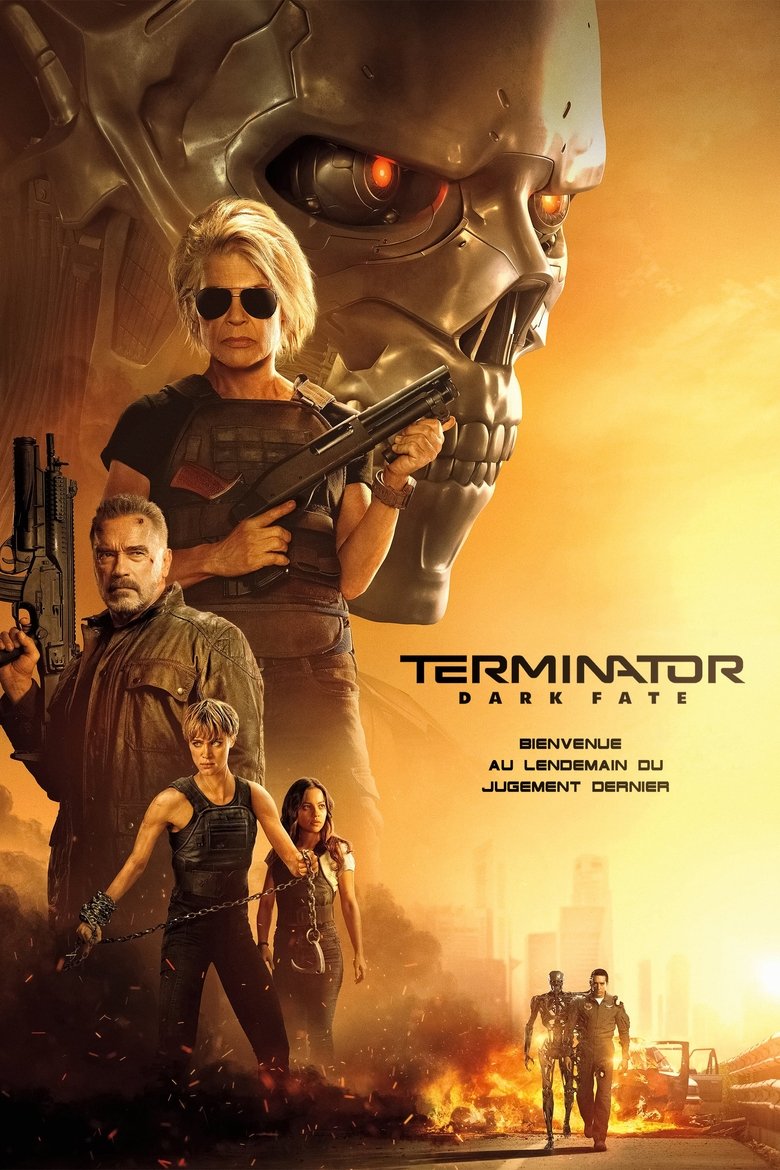
That same year, Lightstorm was associated with Terminator: Dark Fate, directed by Tim Miller and starring Linda Hamilton, Arnold Schwarzenegger and Mackenzie Davis.
Cameron returned to the franchise as a producer and contributed to the story, without directing the film himself.
Both productions demonstrated Lightstorm's ability to work with filmmakers other than Cameron while maintaining its expertise in science-fiction production.
2022 — Avatar: The Way of Water
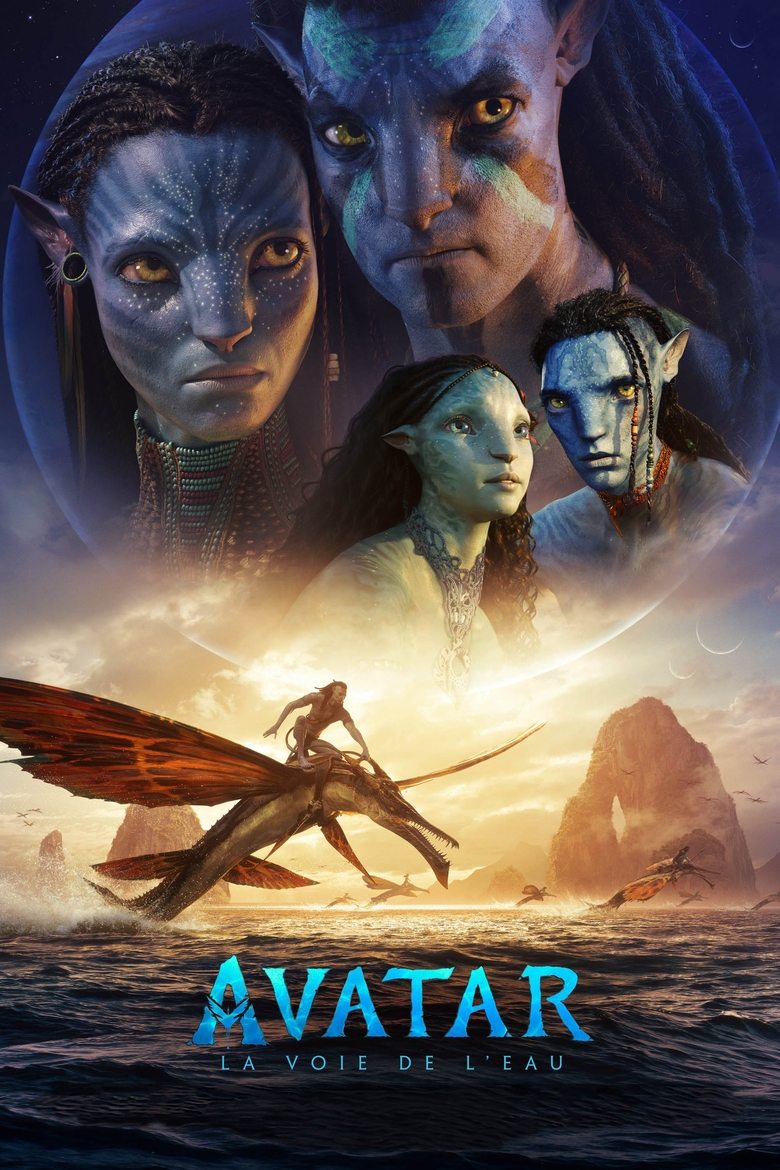
In December 2022, Avatar: The Way of Water, the second film in the franchise, reached theaters. It was directed by James Cameron and produced with Jon Landau.
The story returns to Jake Sully, Neytiri and their family as they face new threats on Pandora. It introduces ocean-dwelling communities and explores the planet's marine ecosystems.
The production represented another technological milestone for Lightstorm.
To record performances underwater, the team developed specialized motion-capture techniques. Two large tanks were built at the company's Manhattan Beach production facilities in California.
The systems needed to capture movement both above and below the water's surface, requiring substantial technical adaptations involving optical tracking and lighting.
The film was developed in close collaboration with Wētā FX, which created its digital characters, underwater environments and advanced water simulations.
This process made it possible to combine performances genuinely recorded underwater with fully digital cinematic imagery.
Avatar: The Way of Water earned more than $2 billion worldwide and won the Academy Award for Best Visual Effects in 2023.
2024–2025 — Jon Landau's Death and Avatar: Fire and Ash
On July 5, 2024, Jon Landau died at the age of 63. The producer of Titanic and the Avatar franchise had held senior management positions at Lightstorm Entertainment and worked alongside James Cameron for several decades.
His death occurred while further Avatar sequels were already in production.
In 2025, Lightstorm and 20th Century Studios continued their partnership with Avatar: Fire and Ash, the franchise's third feature film, directed by Cameron.
The story returns to the Sully family and introduces additional communities on Pandora, including a Na'vi clan associated with volcanic regions. Oona Chaplin joined the cast as Varang.
The production continued using performance-capture systems, digital environments and filmmaking technologies developed for the preceding installments.
Released theatrically in December 2025, the film retained Jon Landau among its credited producers. Several longtime Lightstorm collaborators also contributed to the production, including visual effects supervisor Richard Baneham.
That same year, the two-part documentary Fire and Water: Making the Avatar Films, produced by 20th Century Studios and Lightstorm Entertainment, premiered on Disney+.
It examines the filming methods, technical research and experiences of the teams involved in the Avatar productions.
What Sets It Apart
A Production Company Built Around James Cameron's Creative Vision
Lightstorm Entertainment developed an organizational model enabling its founder to undertake projects requiring extensive preparation and research.
Its operations combine historical and scientific research, screenplay development, technical experimentation, complex shoots and coordination of visual effects teams.
This distinguishes it from companies primarily acting as financial investors, although Lightstorm also collaborates with major distributors and financing partners.
Major Contributions to Digital Visual Effects
Lightstorm's productions accompanied several important developments in modern filmmaking.
Terminator 2 demonstrated the use of computer-generated imagery to depict a character capable of changing its appearance.
Titanic combined full-scale sets, models, practical effects and digital imagery to reconstruct a historical maritime disaster.
With Avatar, the company further developed performance capture and virtual camera systems, allowing an extensively digital fictional world to be built around actors' performances.
Technical Research for Underwater Filmmaking
Marine exploration has been a recurring interest in James Cameron's work.
For Avatar: The Way of Water, Lightstorm and its partners developed systems capable of recording actors' movements and expressions while submerged.
These recordings provided the foundations for digital characters and environments. The process required particularly close collaboration among filmmakers, engineers, artists and visual effects specialists.
Long-Standing Creative and Industrial Partnerships
Lightstorm's history is shaped by recurring collaborations with producers, technicians and specialist companies.
Jon Landau played a central role in organizing Cameron's major productions, while Wētā FX helped create the characters and environments of Avatar.
Partners including 20th Century Fox, later 20th Century Studios, provided distribution and helped finance these productions.
The company has also worked with other directors, including Robert Rodriguez on Alita: Battle Angel and Tim Miller on Terminator: Dark Fate.
Key Facts
- Founded: 1990, in the United States.
- Founders: James Cameron and Lawrence Kasanoff.
- Location: California, with major production facilities in Manhattan Beach.
- First major production: Terminator 2: Judgment Day (1991).
- Terminator 2: Four Academy Awards in 1992, including Best Visual Effects.
- Music: Lightstorm Music was established through a Sony Music Entertainment agreement announced in 1992.
- Titanic: Eleven Academy Awards in 1998, including Best Picture.
- Jon Landau: Longtime producer and Lightstorm executive, who died on July 5, 2024.
- Avatar: Franchise launched in 2009 in collaboration with 20th Century Fox and Weta Digital.
- Technology: Development of performance capture, virtual camera systems and underwater filming techniques.
- Technical partners: Wētā FX and Autodesk have collaborated on the company's production technologies.
- Disney parks: Creative involvement in Pandora – The World of Avatar, which opened in Florida in 2017.
- Other directors: Productions include Robert Rodriguez's Alita: Battle Angel and Tim Miller's Terminator: Dark Fate.
- Avatar: The Way of Water: Won Best Visual Effects at the 2023 Academy Awards.
- Avatar: Fire and Ash: Third installment in the franchise, released in December 2025.
- Documentary: Fire and Water: Making the Avatar Films, released on Disney+ in November 2025.
- Status: Active, primarily focused on the development and production of the Avatar universe.