



Overview
Le Lombard is a Belgian publishing house specializing in comics, founded in Brussels in 1946 by Raymond Leblanc.
Its history begins with one of the most important periodicals in Franco-Belgian comics: Journal Tintin.
In the aftermath of the Second World War, Raymond Leblanc wanted to create a weekly magazine for young readers and convinced Hergé to become its main artistic figure.
The first issue was published in Belgium on September 26, 1946, alongside its Dutch-language counterpart Kuifje.
Several creators who would later occupy a major place in the history of European comics quickly gathered around Tintin.
Edgar P. Jacobs notably launched Blake and Mortimer there, while Paul Cuvelier developed Corentin. Other creators gradually joined the magazine and helped turn it into one of the major creative centers of Franco-Belgian comics.
Le Lombard did not remain only a press publisher.
From 1950, the company began publishing in album form some of the series popularized in its weekly magazine.
This evolution gradually transformed Le Lombard into a full comics publisher.
For several decades, magazine publication and albums operated together.
The periodical served as an editorial laboratory where readers discovered new characters and authors before many stories continued their lives in album form.
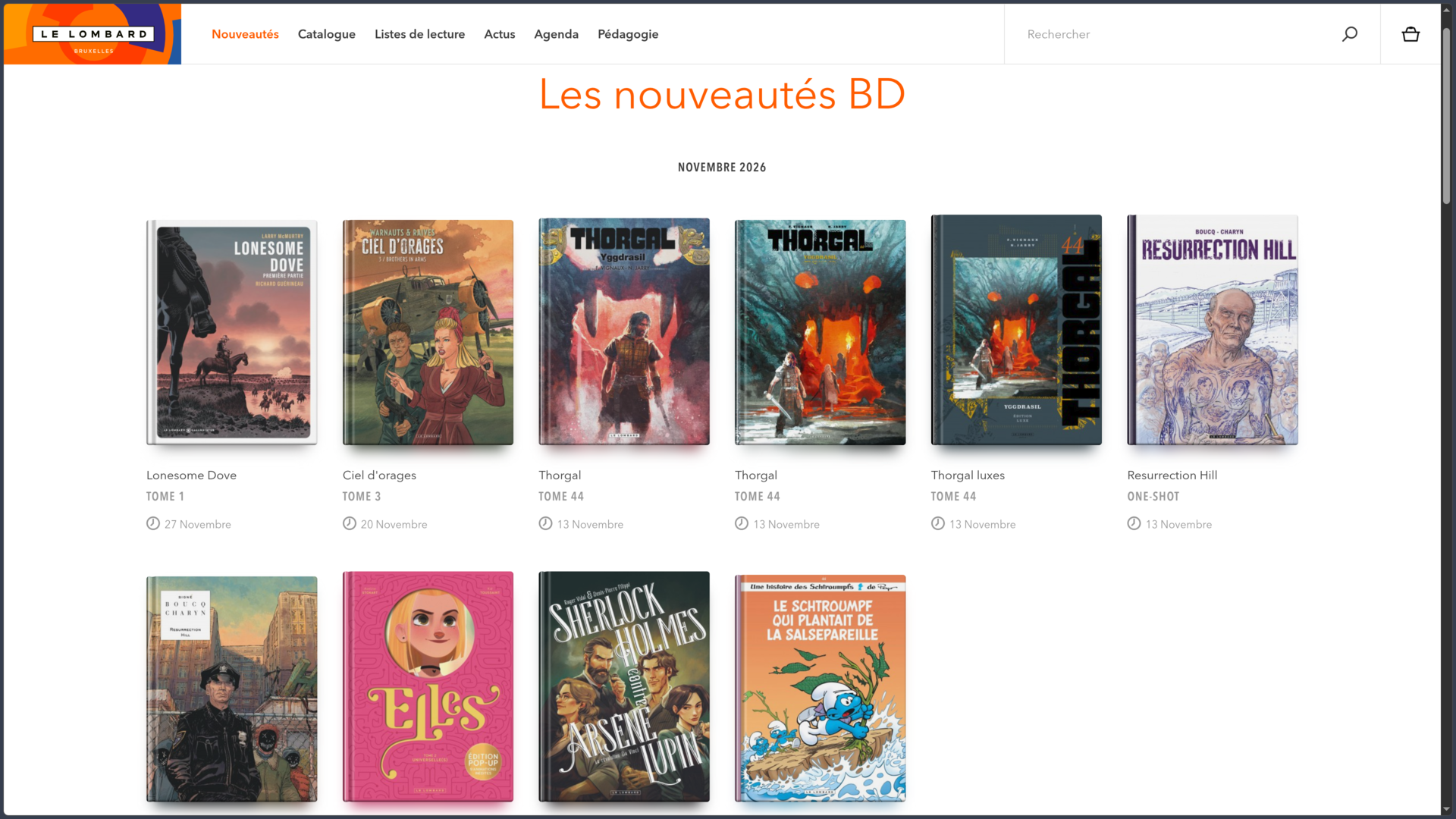
This organization allowed the emergence or development of series such as Ric Hochet, Chick Bill, Michel Vaillant, Corentin, Comanche, Jonathan, Buddy Longway, Léonard and Thorgal.
Through these works, Le Lombard strongly contributed to the identity of what came to be known as the Franco-Belgian school of comics.
Adventure, westerns, humor, crime, fantasy and historical stories coexist in a catalog that has never relied on a single genre.
The Journal Tintin slogan — aimed at readers “from 7 to 77” — summarizes this ambition to reach several generations.
The company’s history changed profoundly during the 1980s.
In 1986, Le Lombard joined the Média-Participations group.
Journal Tintin ceased publication in 1988 in its French-language version, before its final editorial successor disappeared in the following years.
The end of the magazine did not mean the end of the publishing house.
Le Lombard continued its activity around its album catalog and gradually developed new series, collections and generations of creators.
Today, its catalog combines several layers of comics history.
Major heritage series remain present through new albums, collected editions and reissues, while the publisher develops contemporary creations for both younger and adult readers.
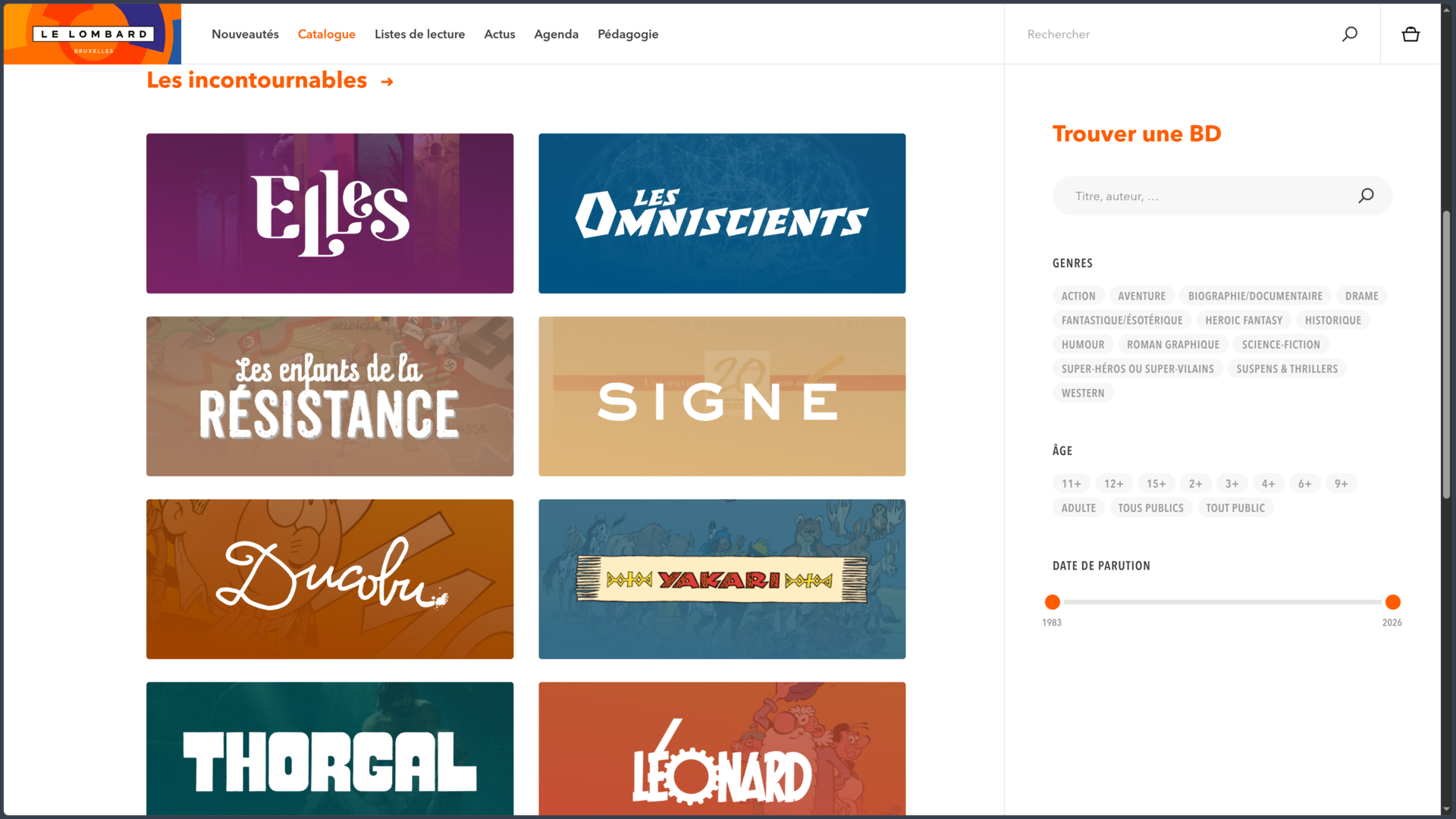
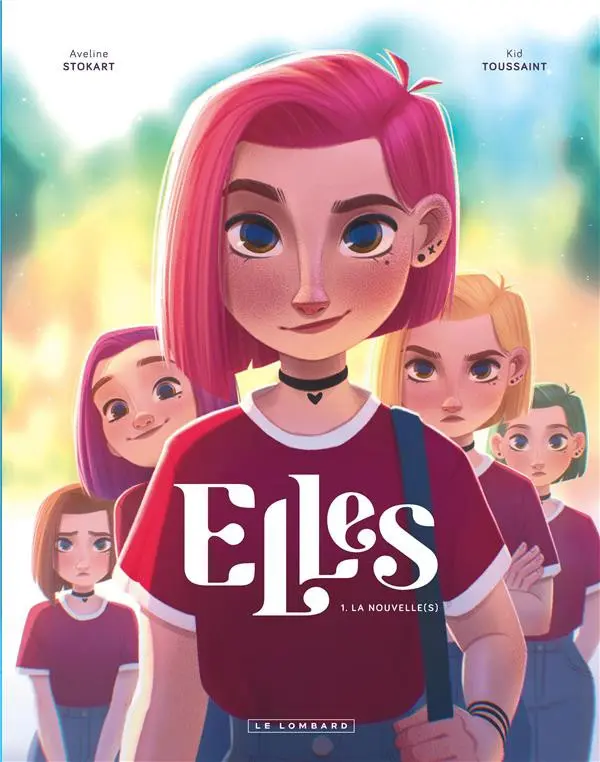
Titles such as Les Enfants de la Résistance, Elles, Ernest & Rebecca, Klaw and Les Omniscients notably illustrate the renewal of its youth and adventure catalog.
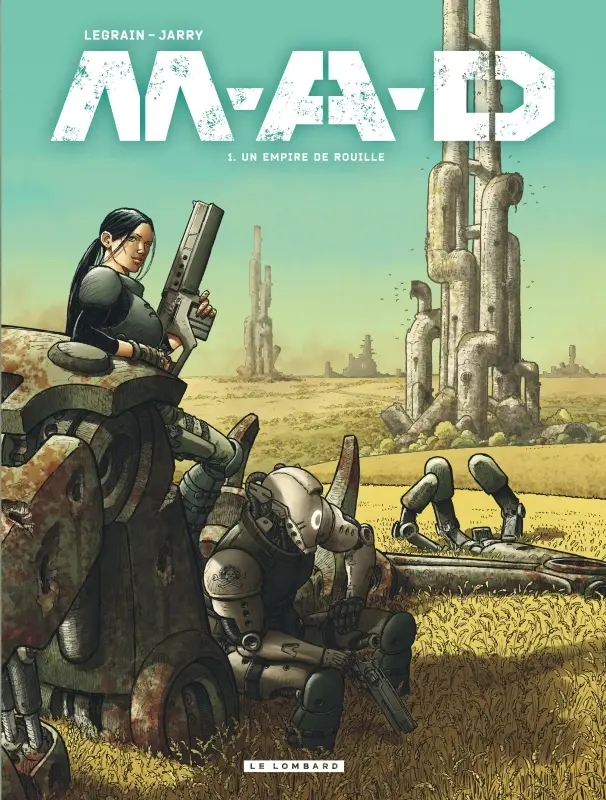
The catalog also includes graphic novels, biographies, documentaries, thrillers, westerns, historical stories, fantasy and science fiction.
The Signé collection is one of the clearest expressions of this approach centered on creator-driven works and more self-contained stories.
Le Lombard also develops an educational dimension around some of its series.
Resources linked to Yakari, Les Enfants de la Résistance, Ernest & Rebecca and albums dealing with ecology are made available to teachers and younger readers.
In another form, this activity extends the historical vocation of Journal Tintin: using comics both as entertainment and as a gateway to other forms of knowledge.
In 2026, the publisher is also continuing its editorial diversification.
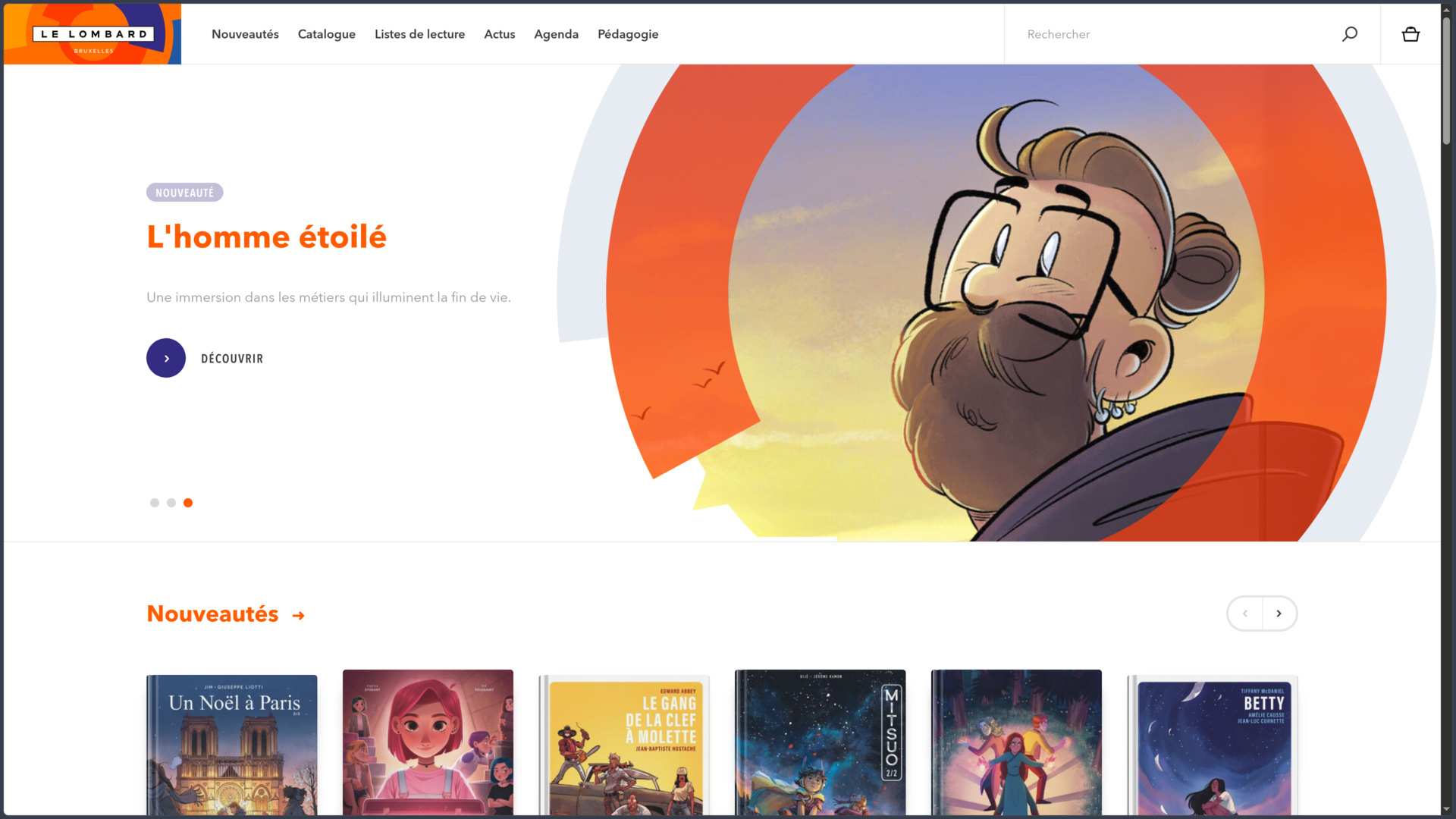
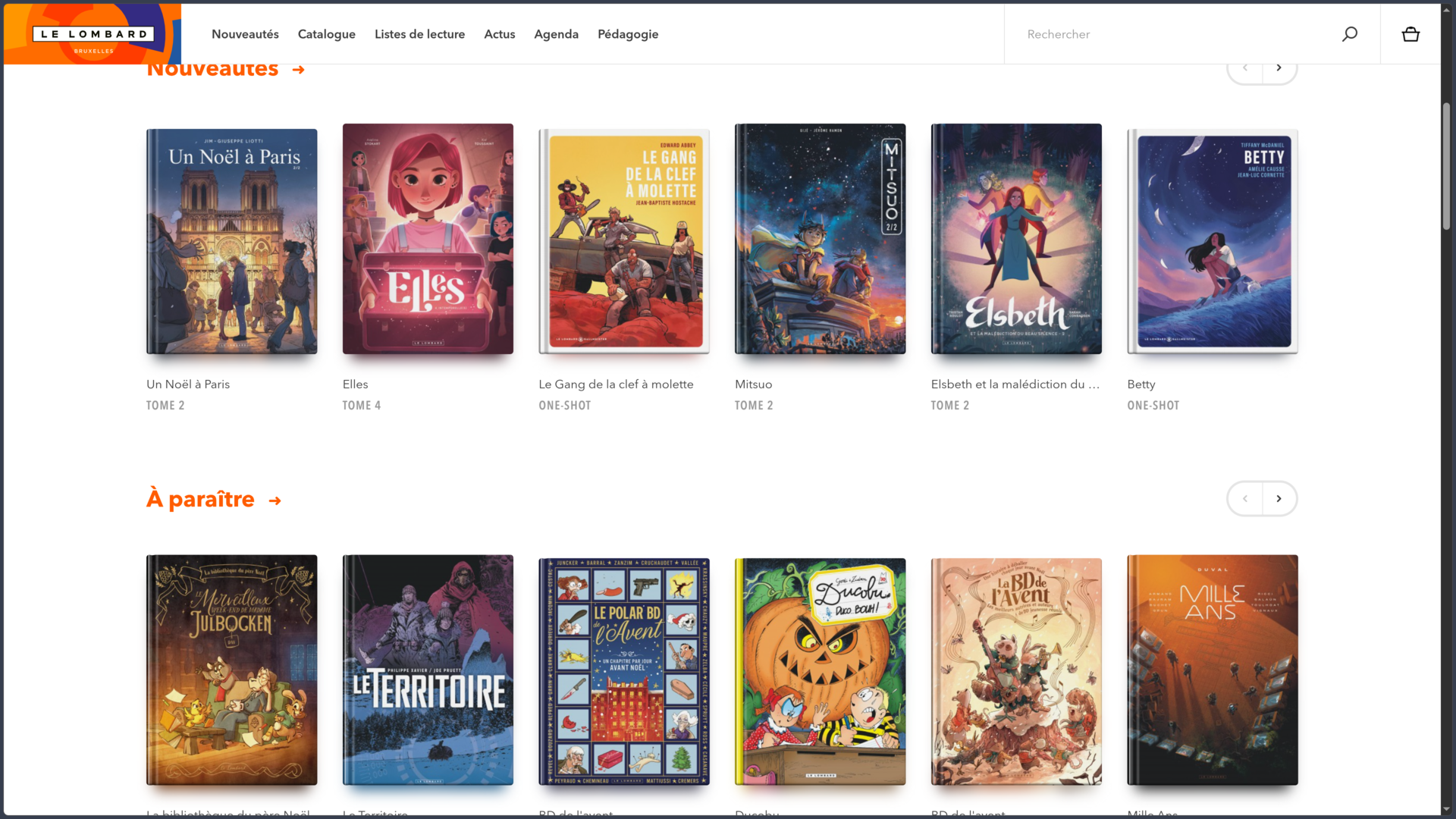
A partnership with Gallmeister has led to a collection of comic adaptations of novels from its catalog, including Betty by Tiffany McDaniel and The Monkey Wrench Gang by Edward Abbey.
This initiative illustrates how contemporary Le Lombard seeks to connect its comics heritage with other forms of literature.
History
1946-1949 — The birth around Journal Tintin
Éditions du Lombard was founded on August 8, 1946 in Brussels by Raymond Leblanc.
The main project was the creation of a new periodical for young readers.
Raymond Leblanc convinced Hergé, whose professional situation remained complicated in the immediate post-war period, to take part in the project.
A first team formed around him, notably including Edgar P. Jacobs, Paul Cuvelier and Jacques Laudy.
On September 26, 1946, the first issue of Journal Tintin was published in Belgium.
It was an immediate success.
The magazine quickly developed its identity around major adventure stories, with Tintin as its emblematic character but also with new series created directly for its pages.
In 1948, a French edition of the magazine was launched with the support of Georges Dargaud.
The title thus reached an audience far beyond Belgium.
1950-1960 — From magazine to album publishing
The success of the periodical led Raymond Leblanc to develop album publishing.
From 1950, Le Lombard began publishing series that had appeared or been popularized in the magazine.
This transformation gradually established a model that became central to Franco-Belgian comics: prepublication in a magazine, followed by publication in album form.
The catalog grew as Journal Tintin welcomed new creators.
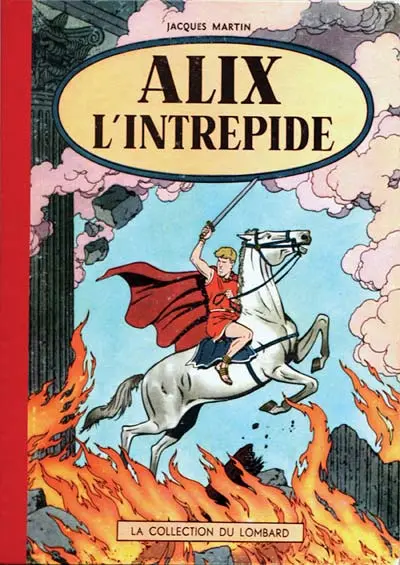
Jacques Martin, Tibet, Raymond Macherot, Dino Attanasio, Willy Vandersteen and many others contributed to this period of expansion.
Le Lombard gradually became, alongside publishers such as Dupuis, Casterman and Dargaud, one of the major structural players in French-language comics.
1960s-1970s — The era of major Franco-Belgian series
During the 1960s and 1970s, Journal Tintin continued renewing its team.
Adventure, humor, western and crime series appeared or gained increasing importance.
Ric Hochet, created by Tibet and André-Paul Duchâteau, became one of the publisher’s major crime series.
Comanche, by Greg and Hermann, contributed to renewing the western genre.
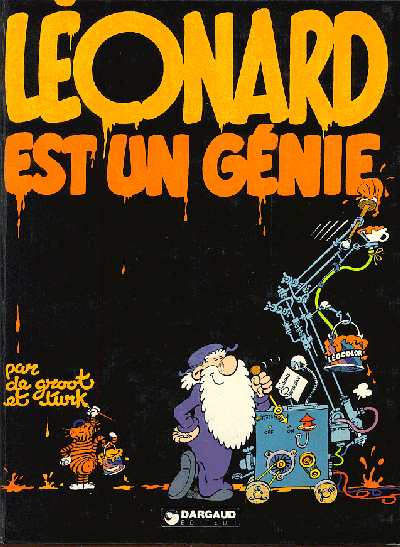
Léonard, created by Turk and Bob de Groot, developed a humorous approach that would continue for decades.
The 1970s also saw the arrival of creators and series that helped change the tone of the catalog.
Derib developed Buddy Longway, while Cosey created Jonathan.
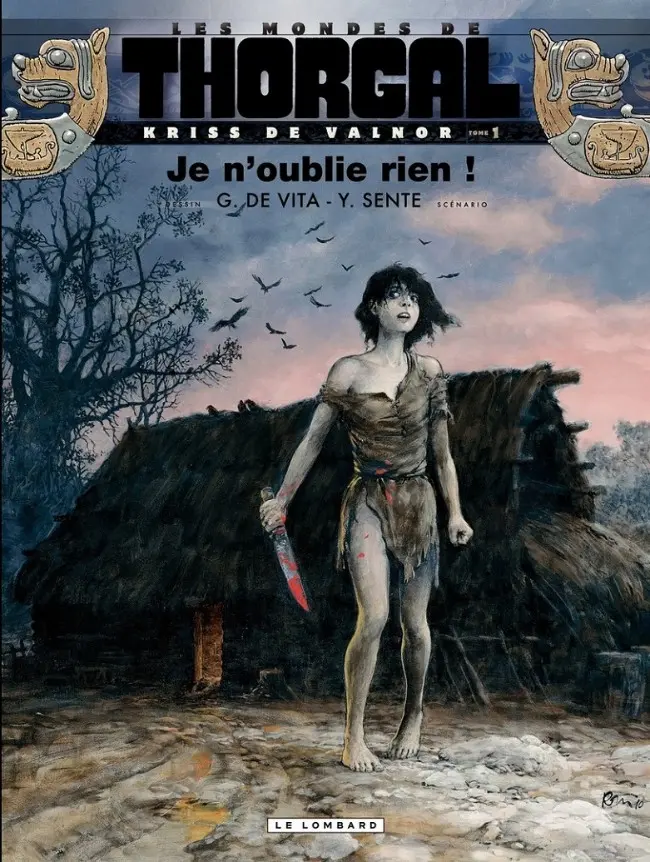
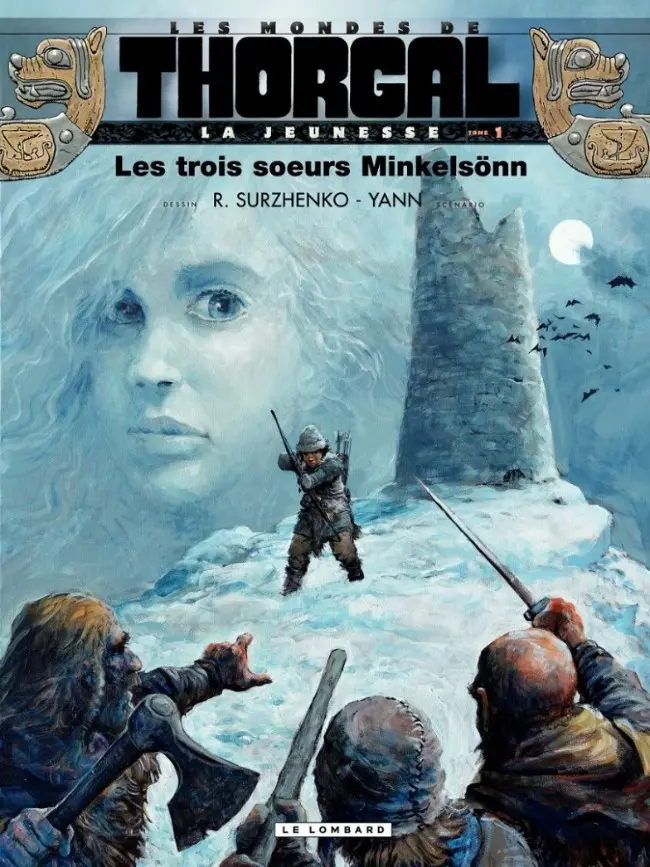
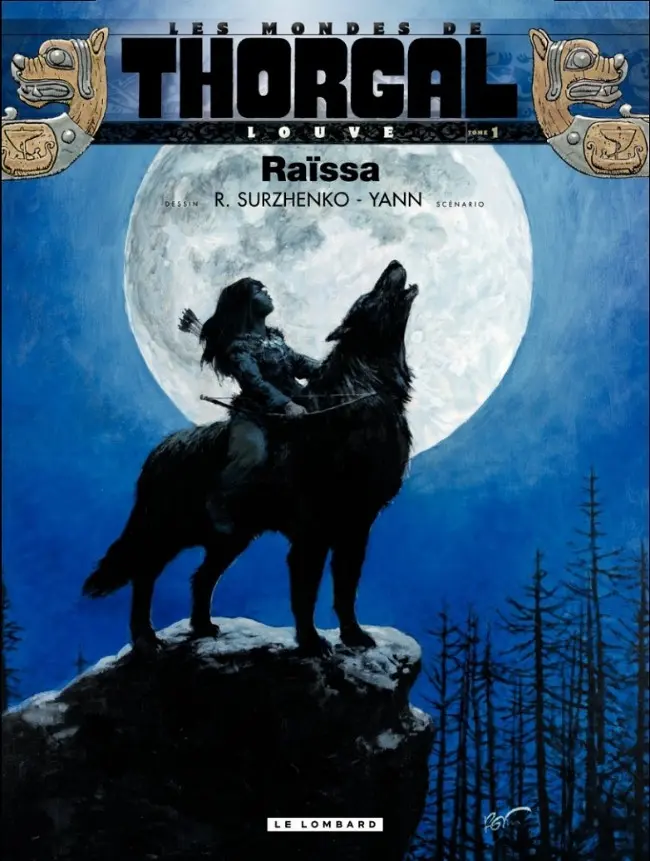
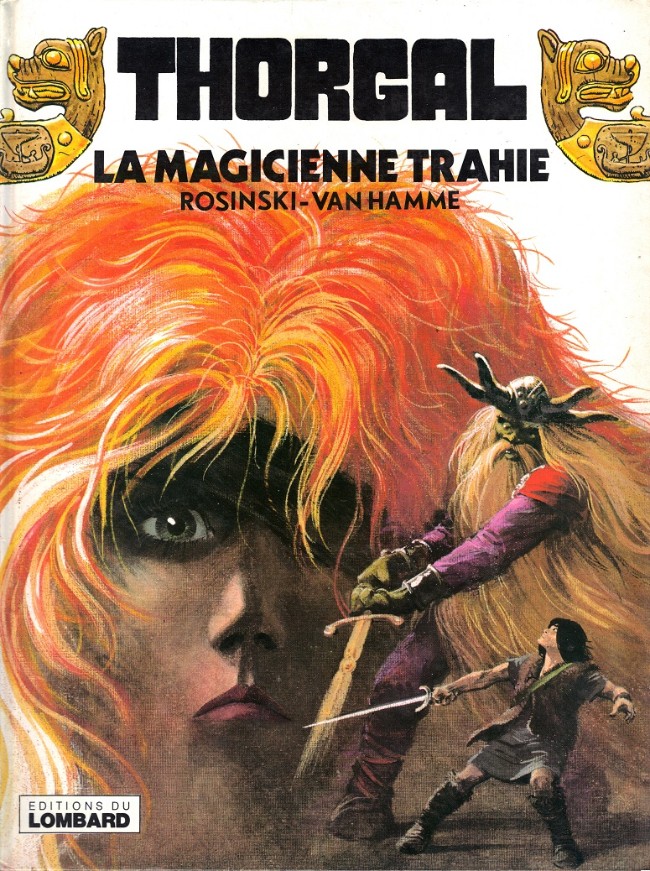
In 1977, Jean Van Hamme and Grzegorz Rosiński launched Thorgal in the pages of Journal Tintin.
The series combines adventure, mythology, fantasy and science fiction and gradually became one of the major properties in Le Lombard’s catalog.
1980s-1990s — Média-Participations and the end of Journal Tintin
The 1980s marked a major transformation in the comics market.
Specialized magazines gradually lost the central role they had played in previous decades, while albums became increasingly independent.
In 1986, Raymond Leblanc sold Le Lombard to the Média-Participations group.
The publisher thus joined a group that would become one of the leading European players in comics.
Journal Tintin ceased publication in French in 1988.
Different attempts followed it, notably Tintin Reporter and then Hello Bédé, but the era of the major weekly prepublication magazine was definitively coming to an end.
Hello Bédé disappeared in 1993.
Le Lombard then had to operate fully as an album publisher, independently of the magazine that had accompanied its entire early history.
1990s-2000s — Renewing the catalog
After the disappearance of Tintin press titles, Le Lombard gradually reorganized its catalog.
The major historical series remained present, but the publisher simultaneously sought new creators and new formats.
Collections such as Signé placed greater emphasis on complete works, personal stories and albums aimed at adult readers.
Le Lombard also developed several collections devoted to thrillers, adventure and contemporary series.
New generations of creators thus joined a catalog that now had to exist without the prepublication system of Journal Tintin.
The publisher nevertheless retained its historical logic: making long-running popular series coexist with creator-driven works.
Since the 2010s — Heritage, youth and new creations
Le Lombard’s contemporary catalog continues to rely on its major series while developing new works.
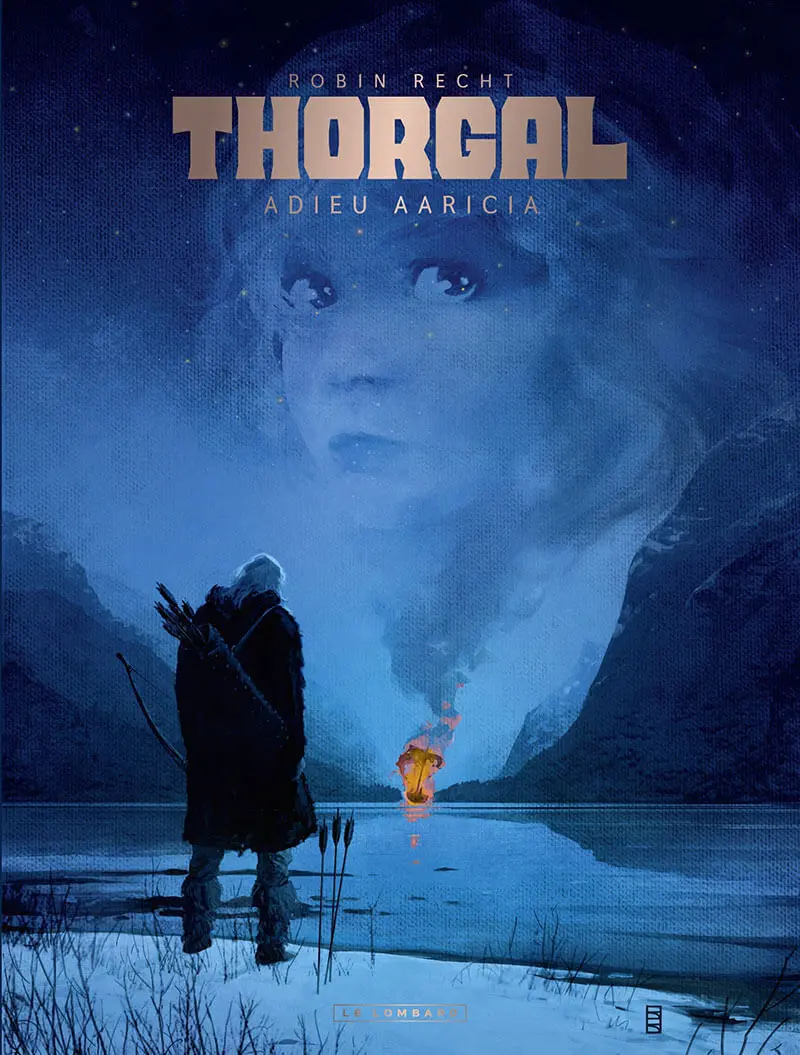
Thorgal, Yakari, Léonard and adventures linked to certain historical heroes remain present in different forms.
Alongside them, new series such as Les Enfants de la Résistance, Klaw, Elles, Les Omniscients and Ernest & Rebecca have appeared.
Le Lombard also develops documentary and educational albums, graphic novels, and works devoted to history, science and social issues.
This diversification gradually moves the image of the company away from a catalog built only around traditional adventure comics.
In 2023, for Le Lombard’s 77th anniversary, a special issue of Journal Tintin was published.
More than eighty authors and artists took part in the project, bringing historical characters into dialogue with contemporary creation.
In 2026, Le Lombard opened a new bridge with literature by partnering with Gallmeister to adapt several novels into comics.
Nearly eighty years after its creation, the publisher therefore continues to combine heritage, popular series and editorial renewal.
What sets it apart
A history directly connected to the birth of modern Franco-Belgian comics
Le Lombard did not simply publish several major comics series.
It helped build the editorial model that allowed many of them to develop.
Journal Tintin served for several decades as a place of publication, discovery and development for numerous European creators.
Stories were read every week before reaching bookstores in album form.
This history explains why Le Lombard’s heritage extends far beyond its current catalog.
The publisher is directly connected to a period when major weekly magazines structured French-language comics creation.
A catalog capable of spanning several generations
Some Le Lombard series have several decades of history.
Thorgal, Yakari, Léonard, Ric Hochet and other heroes originating from Journal Tintin continue to exist through reissues, collected editions, new adventures and spin-off series.
The publisher therefore has to manage two missions simultaneously: preserving and promoting its heritage while creating new universes.
This continuity allows works discovered by several generations of readers to coexist within the same catalog.
From youth comics to adult graphic novels
The historical image of Journal Tintin might suggest that Le Lombard remains primarily a publisher for young readers.
Its contemporary catalog is much broader.
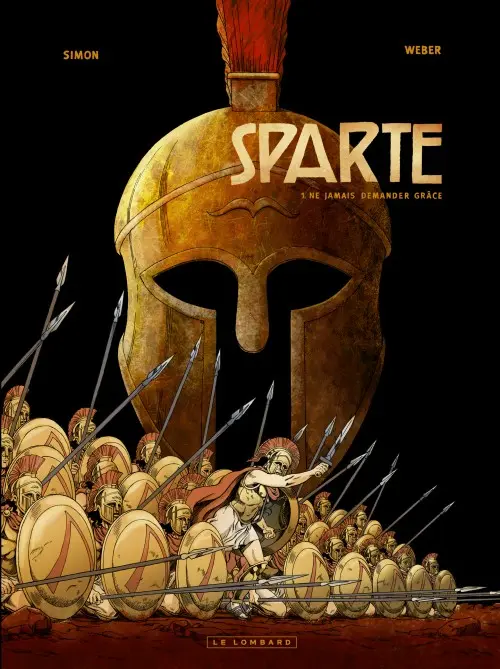
The company publishes comics for children and teenagers, but also thrillers, westerns, historical stories, graphic novels, biographies, documentaries and works aimed at adults.
The Signé collection particularly symbolizes this second side by focusing on creator-driven works often conceived as self-contained narratives.
Le Lombard can therefore simultaneously publish an accessible youth series for early readers and a graphic novel intended for an adult audience.
Preserving heritage without limiting itself to nostalgia
Le Lombard regularly highlights its history.
Collected editions, reissues, books devoted to Journal Tintin and anniversary celebrations help preserve the works and creators associated with the publisher.
But heritage is not treated as something separate from contemporary creation.
The anniversary issue of Journal Tintin published in 2023, for example, involved numerous contemporary creators.
Older series can also be continued by new creative teams.
This approach allows the historical catalog to keep evolving rather than being preserved only as an archive.
Using comics as a bridge toward other subjects
Part of Le Lombard’s catalog has a documentary or educational dimension.
Les Enfants de la Résistance notably provides a way to address the Second World War with younger readers.
Other books deal with ecology, science, history and social issues.
The publisher also develops resources for teachers.
With the collection created in partnership with Gallmeister, this bridge now also extends to contemporary literature.
Comics thus become a way to transmit, explain or adapt other forms of narrative without abandoning their own visual language.
Good to know
- Le Lombard was founded in Brussels in 1946 by Raymond Leblanc.
- The company was originally created around Journal Tintin, whose first issue was published in Belgium on September 26, 1946.
- Comics album publishing developed from 1950 onward.
- Le Lombard contributed to the development of many major Franco-Belgian series, including Thorgal, Ric Hochet, Léonard, Corentin, Comanche, Jonathan and Buddy Longway.
- Média-Participations acquired Le Lombard in 1986; the publisher still belongs to the group in 2026.
- Journal Tintin ceased French-language publication in 1988, before the disappearance of its successor Hello Bédé in 1993.
- The contemporary catalog includes both heritage series and creations such as Les Enfants de la Résistance, Elles, Ernest & Rebecca, Klaw and Les Omniscients.
- The Signé collection is devoted to graphic novels and creator-driven works mainly aimed at adult readers.
- In 2023, Le Lombard celebrated its 77th anniversary with a special issue of Journal Tintin bringing together more than 80 authors and artists.
- In 2026, Le Lombard launched a collection of comic adaptations of novels with Gallmeister.
- The publisher’s Belgian headquarters are located in Brussels, and the current legal entity is Dargaud-Lombard SA – Lombard SA.
- The company is currently headed by Christel Hoolans.