
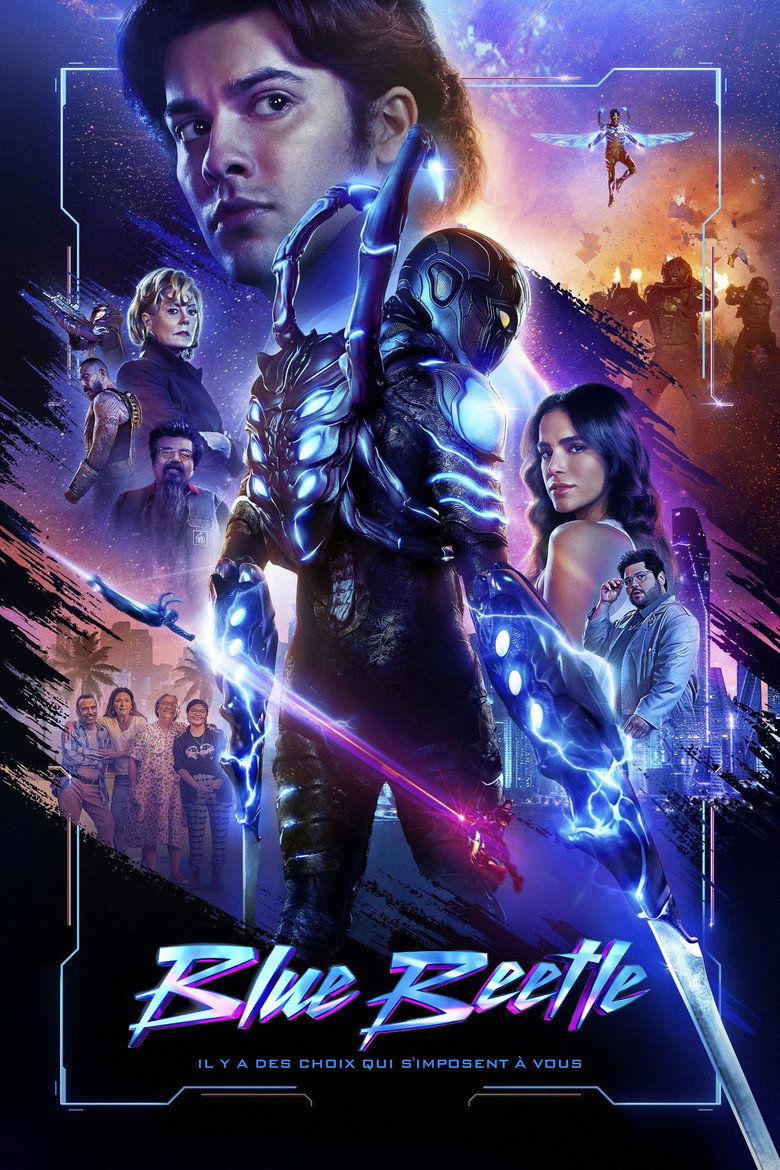

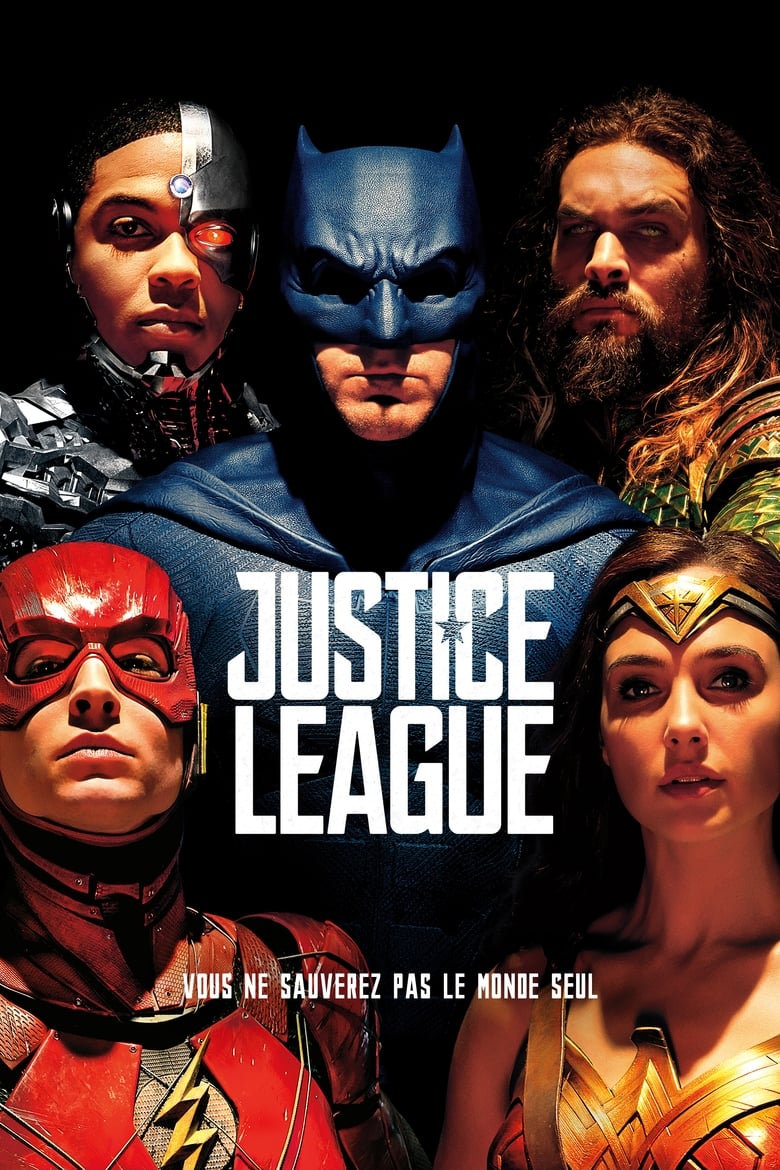


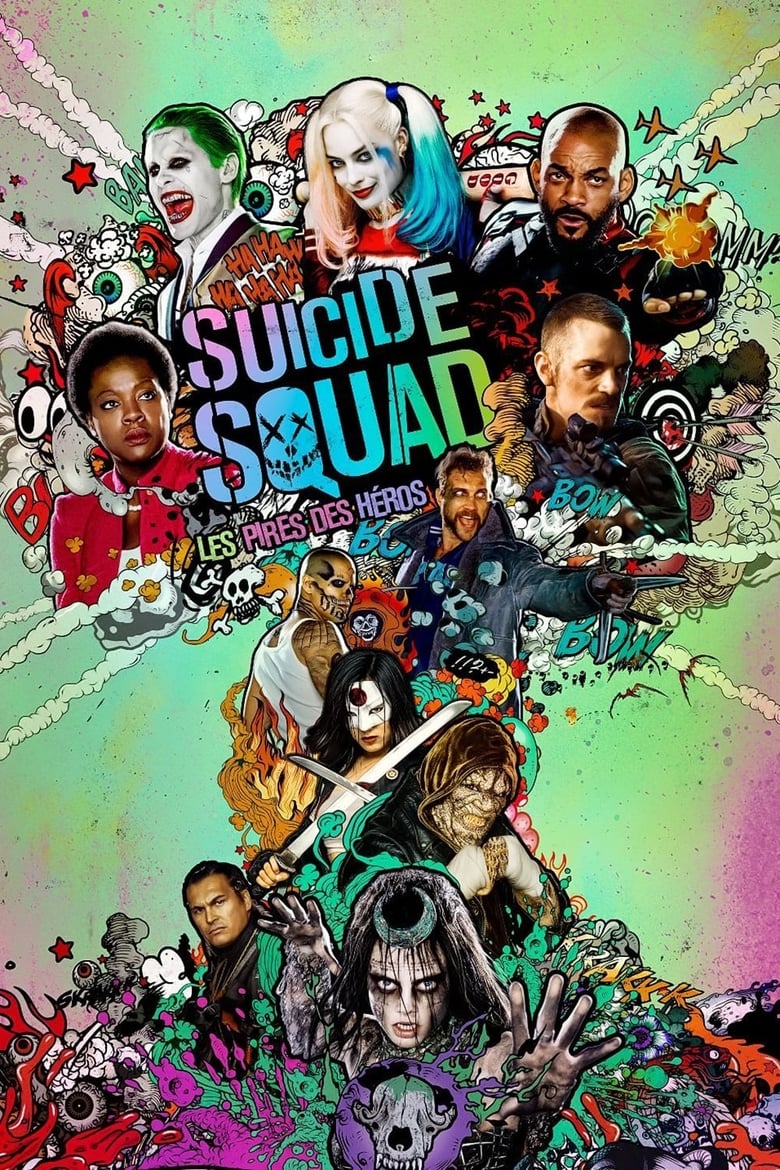
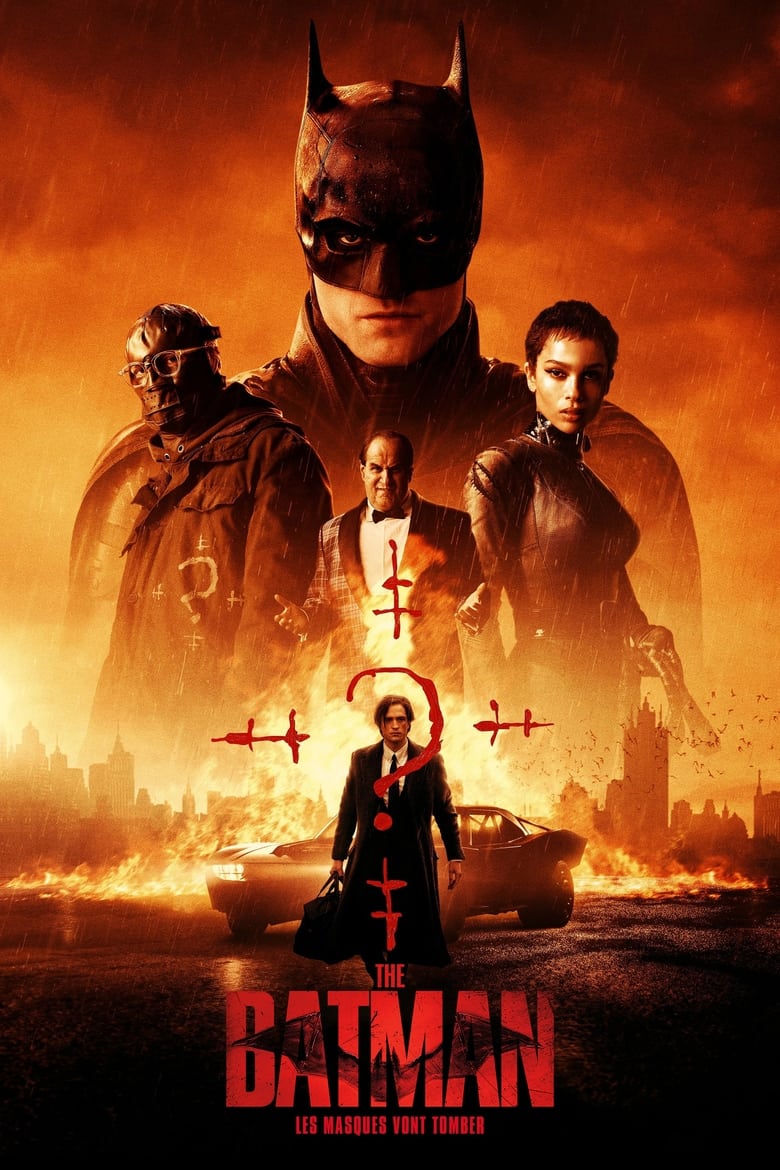
Overview
DC Studios is an American company responsible for developing screen productions based on the characters and universes of DC.
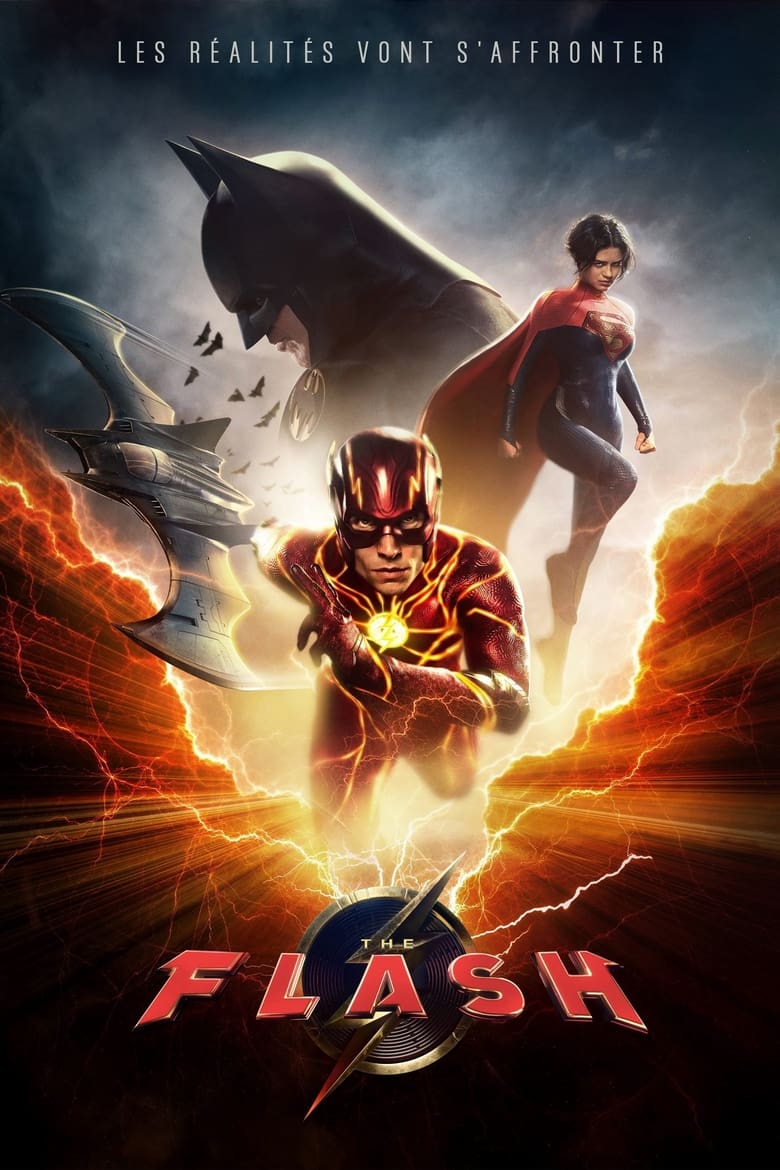
The structure was created in 2016 within Warner Bros. under the name DC Films, with Geoff Johns and Jon Berg at its head. Its initial goal was to better coordinate film adaptations of characters such as Batman, Superman, Wonder Woman, Aquaman, The Flash and Suicide Squad.
This first period mainly accompanied the development of the DC Extended Universe (DCEU), which had begun before the formal creation of DC Films with Man of Steel in 2013.
After several reorganizations, Walter Hamada took charge of DC film productions in 2018. This period saw DCEU films coexist with more independent projects such as Joker and The Batman, which did not share the same continuity.
A much deeper change came in 2022. Following the creation of Warner Bros. Discovery, DC Films was replaced by DC Studios, jointly led by James Gunn and Peter Safran.
Their mandate extends beyond cinema: DC Studios now oversees a unified strategy covering films, television series and animation, with a new shared universe, the DC Universe (DCU), alongside standalone works grouped under the DC Elseworlds label.
History
2016 — Creation of DC Films
In May 2016, Warner Bros. reorganized the supervision of its DC adaptations.
The decision followed the release of Batman v Superman: Dawn of Justice, whose critical reception highlighted the difficulties involved in coordinating a coherent DC cinematic universe.
A dedicated division, DC Films, was then structured around Jon Berg, a Warner Bros. executive, and Geoff Johns, a major figure at DC Entertainment.
The goal was to centralize the development of DC films more effectively while preserving a degree of creative freedom for filmmakers.
DC Films therefore took charge of a franchise that had already begun with Man of Steel in 2013 and continued with Batman v Superman and Suicide Squad in 2016.
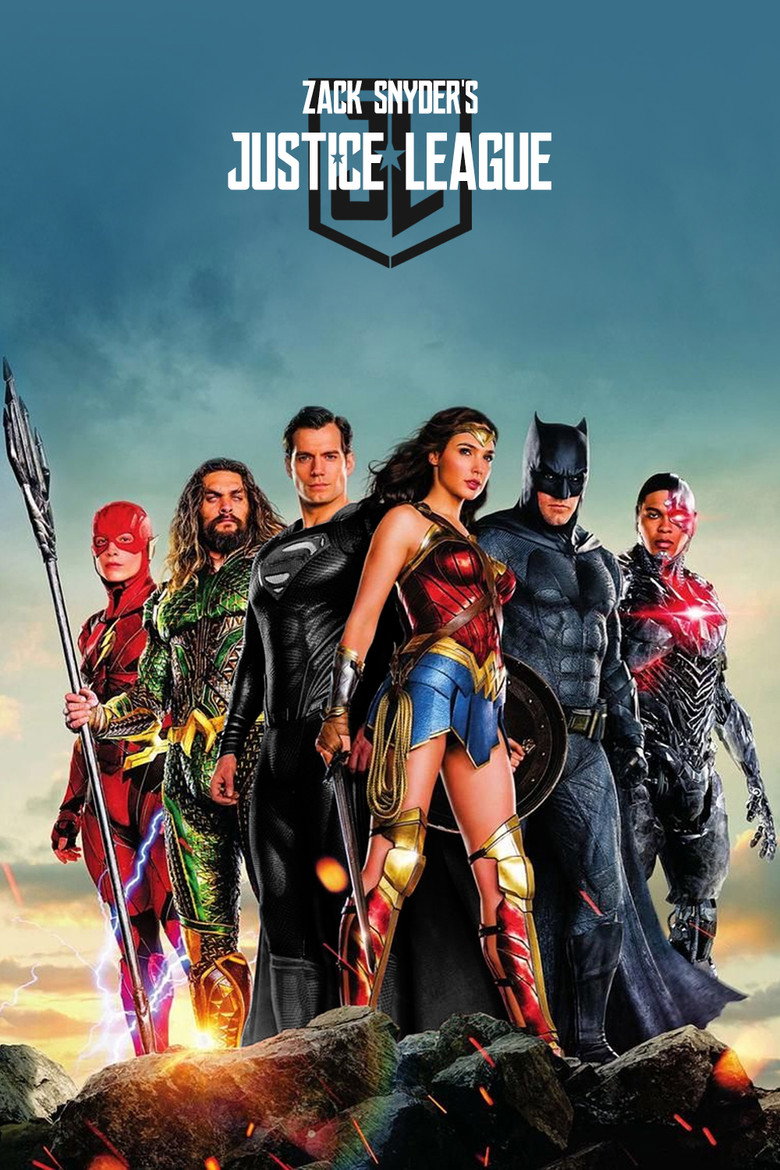
Wonder Woman and Justice League
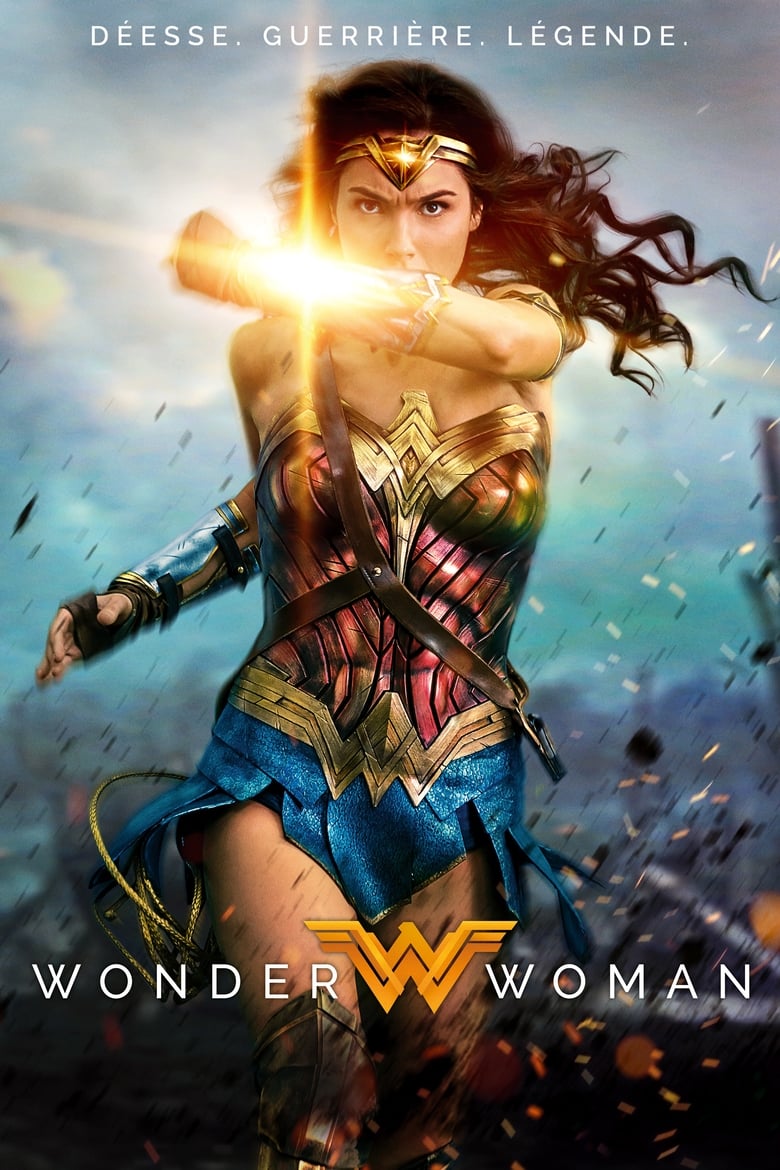
In 2017, Wonder Woman, directed by Patty Jenkins, became one of the major critical and commercial successes of this first period.
The film demonstrated that a DCEU character could develop a strong individual identity while still belonging to a larger universe.
That same year, Justice League went through an especially difficult production.
Creative changes during its development and its subsequent reception led Warner Bros. to reconsider the organization of its DC films once again.
2018 — Walter Hamada takes charge
In January 2018, Walter Hamada was appointed to oversee film productions based on DC properties at Warner Bros.
His arrival marked a shift in strategy.
Rather than attempting to connect every production systematically, the studio gave more room to stories capable of functioning independently.
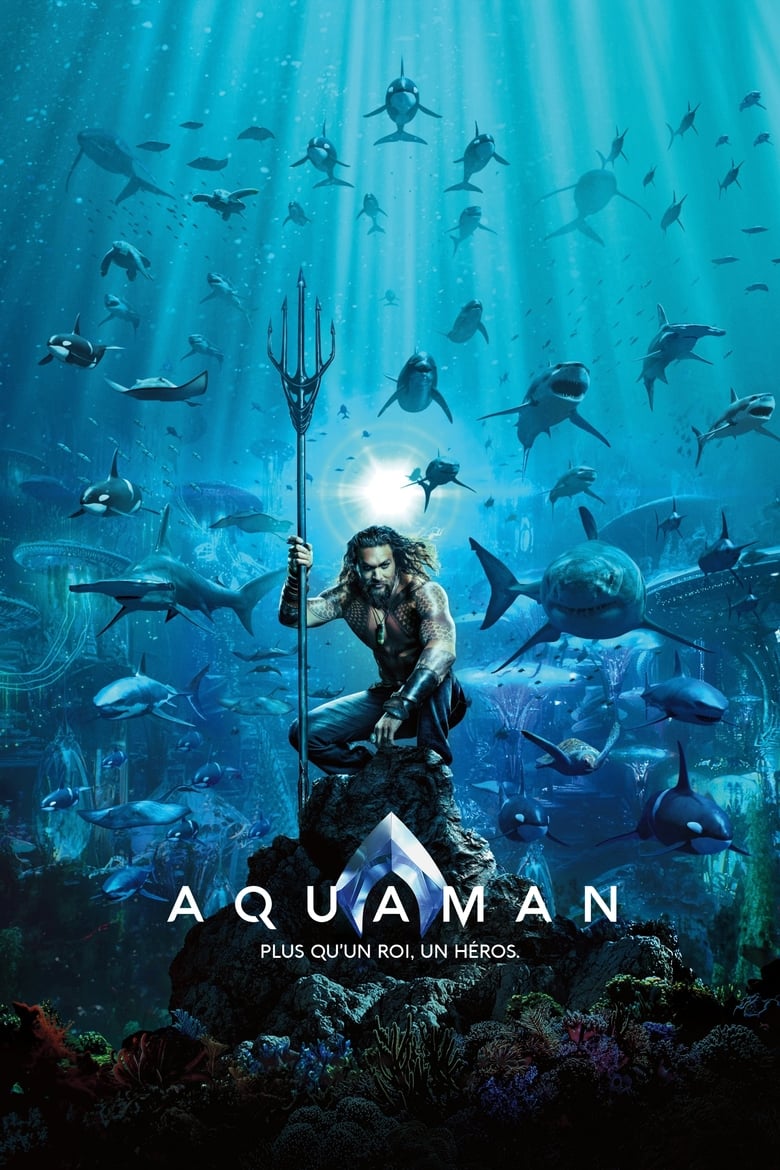
This approach notably accompanied the success of Aquaman, released in 2018, which became one of the biggest commercial successes for a film based on a DC character.
Universes that are no longer necessarily connected
The following period confirmed this strategy of diversification.
In 2019, Todd Phillips’ Joker developed a completely standalone version of the character with no connection to the DCEU.
The film achieved enormous international success and demonstrated that a DC adaptation could exist outside a shared universe.
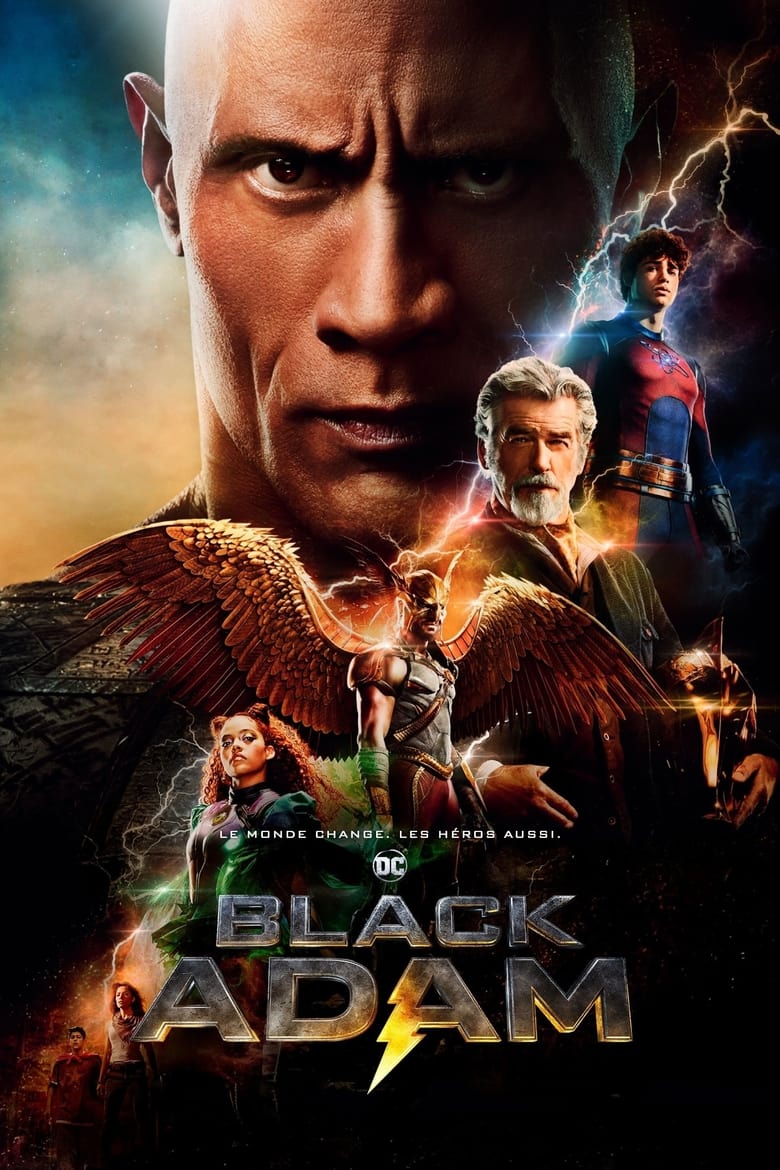
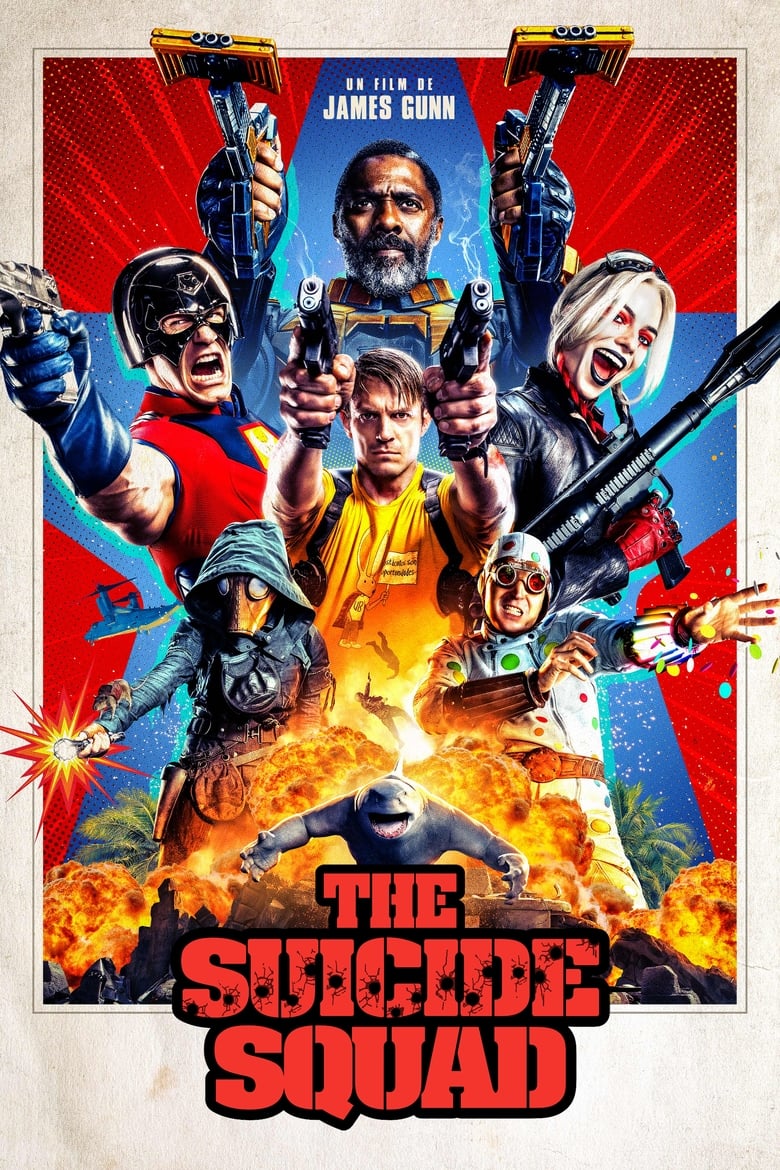
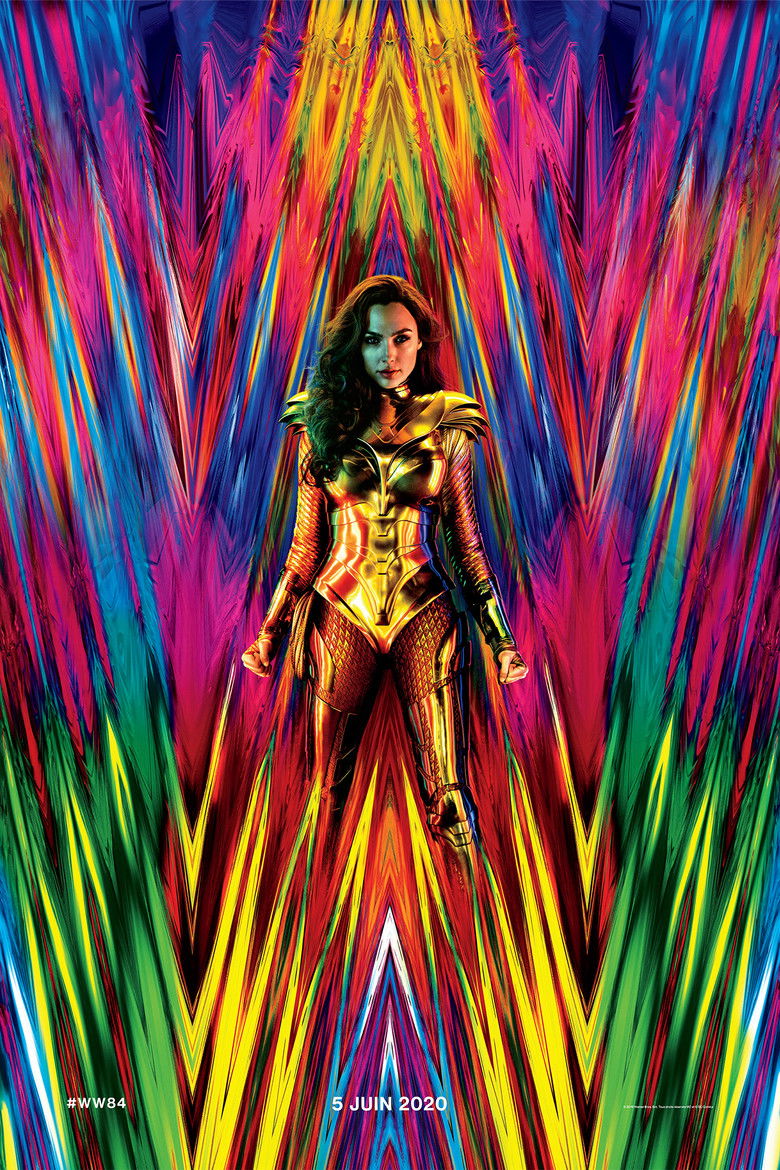
At the same time, DCEU-related productions continued with films such as Birds of Prey, Wonder Woman 1984, The Suicide Squad and Black Adam.
The Batman, directed by Matt Reeves and released in 2022, similarly developed an independent universe starring Robert Pattinson as Bruce Wayne.
DC therefore found itself operating several parallel continuities rather than a single unified universe.
2022 — Warner Bros. Discovery reorganizes DC
In 2022, the merger of WarnerMedia and Discovery created Warner Bros. Discovery.
The new leadership sought to fundamentally restructure the management of DC characters.
Walter Hamada left his position in the fall of 2022.
In October, James Gunn and producer Peter Safran were chosen to lead a new structure: DC Studios.
They became joint Co-Chairmen and CEOs of the studio.
DC Films therefore gave way to an organization with a much broader mandate.
DC Studios replaces DC Films
The transformation went beyond a simple name change.
DC Studios was given the mission of developing a coherent strategy around major DC productions across film, television and animation.
James Gunn primarily oversees the creative side, while Peter Safran contributes his experience as a producer and executive.
The pair then began constructing a new shared universe intended to succeed the DCEU.
2023 — Gods and Monsters
In January 2023, Gunn and Safran presented the first projects in the new DC Universe.
This first chapter, titled Chapter One: Gods and Monsters, included several films and television series.
Announced projects notably included Superman, The Brave and the Bold, Supergirl, Swamp Thing, The Authority, Lanterns, Paradise Lost and Booster Gold.
The goal is to build a continuity in which the same characters can move between cinema, television and animation.
Not every DC project is intended to belong to this universe, however.
Productions set in standalone continuities can be identified as DC Elseworlds, allowing certain alternate versions of Batman and other characters to continue alongside the DCU.
2024 — Creature Commandos opens the new continuity
The animated series Creature Commandos, launched in 2024, became the first production in the new DCU.
Written by James Gunn, it follows a unit made up of monstrous characters recruited for dangerous missions.
Its importance goes beyond animation: characters and actors can theoretically move from one medium to another within the same universe.
This approach directly reflects DC Studios’ ambition to bring film, television and animation closer together.
2025 — Superman launches the DCU in cinemas
In 2025, Superman, written and directed by James Gunn, became the first DC Studios feature film to fully launch the new universe in cinemas.
David Corenswet plays Clark Kent / Superman, alongside Rachel Brosnahan as Lois Lane and Nicholas Hoult as Lex Luthor.
The film does not simply restart the character’s story from his origins: it places him directly in a world where other heroes already exist.
This approach allows DC Studios to introduce a broader universe without necessarily dedicating an origin film to every character.
2026 — Supergirl continues the new universe
In 2026, Supergirl continues the cinematic development of the DCU.
Directed by Craig Gillespie and starring Milly Alcock as Kara Zor-El, the film builds on the character as introduced within the new continuity.
DC Studios is simultaneously developing several television series and feature films intended to expand this universe.
The studio also maintains projects that can exist outside the main continuity when their creative identity justifies it.
What sets it apart
One structure for several media
The main difference between the former DC Films and DC Studios lies in the scope of its mandate.
DC Films was primarily focused on feature films.
DC Studios instead aims to coordinate film, television and animation under a unified creative strategy.
A character can therefore appear in different formats without necessarily being reinvented every time the medium changes.
DC Universe and Elseworlds
DC Studios does not seek to force every adaptation into a single continuity.
The DC Universe is the main shared universe developed by Gunn and Safran.
Independent works can continue to exist in a separate category generally known as DC Elseworlds.
This structure theoretically allows DC to maintain both a broad shared continuity and adaptations with greater creative freedom.
An exceptional legacy of characters
The studio has access to a catalog drawn from nearly a century of DC publishing.
Superman, Batman, Wonder Woman, Green Lantern, The Flash, Aquaman, Supergirl, Harley Quinn, Joker, Swamp Thing and the Justice League are among the best-known characters and teams in popular culture.
This depth allows DC Studios to alternate between globally famous figures and much less frequently adapted characters.
Clearly identified creative leadership
Since 2022, DC Studios has been led by the James Gunn – Peter Safran partnership.
Gunn brings his experience as a writer and director, notably from Guardians of the Galaxy, The Suicide Squad and Peacemaker.
Safran brings extensive production experience, particularly around The Conjuring, Aquaman and Shazam! franchises.
Their partnership is intended to combine creative direction and production strategy within the same structure.
A different relationship with filmmakers
DC has historically developed several adaptations strongly shaped by their directors.
The films of Christopher Nolan, Zack Snyder, Todd Phillips and Matt Reeves all possess very different identities.
DC Studios seeks to preserve room for this approach while simultaneously developing a more organized shared universe.
The coexistence of the DCU and Elseworlds directly addresses this historic characteristic of DC adaptations.
Good to know
- DC Films was created in May 2016 within Warner Bros.
- Jon Berg and Geoff Johns were the first executives to lead the structure.
- The studio was initially tasked with better coordinating productions within the DC Extended Universe.
- The DCEU itself began before DC Films, with Man of Steel in 2013.
- Walter Hamada took charge of DC films in 2018.
- This period saw the DCEU coexist with standalone productions such as Joker and The Batman.
- In 2022, Warner Bros. Discovery fundamentally reorganized its DC-related activities.
- James Gunn and Peter Safran took charge of the new structure in late 2022.
- DC Films became DC Studios, with a broader mandate covering film, television and animation.
- Gunn and Safran serve as Co-Chairmen and CEOs of DC Studios.
- The new DC Universe is organized into chapters, with the first titled Gods and Monsters.
- Creature Commandos, launched in 2024, became the first production in the new DCU continuity.
- Superman, released in 2025, became the first feature film of the new DC Studios era and the cinematic launch of the DCU.
- Supergirl, released in 2026, continues this continuity with Milly Alcock as Kara Zor-El.
- Projects set outside the main continuity can be grouped under the DC Elseworlds label.
- In 2026, DC Studios remains active under the leadership of James Gunn and Peter Safran.