










































































Overview
Columbia Pictures is an American film studio officially founded on January 10, 1924 by Harry Cohn, Jack Cohn and Joe Brandt. Born in Hollywood from their earlier company Cohn-Brandt-Cohn Film Sales, it became one of the major names in the American film industry over the course of the twentieth century.
Its beginnings were nevertheless modest. Columbia initially operated among the independent studios grouped under the nickname Poverty Row, far from the financial power of Hollywood’s major companies at the time.
Its collaboration with director Frank Capra played a decisive role in its rise. Films such as It Happened One Night helped transform the studio’s reputation during the 1930s and establish it among Hollywood’s major players.
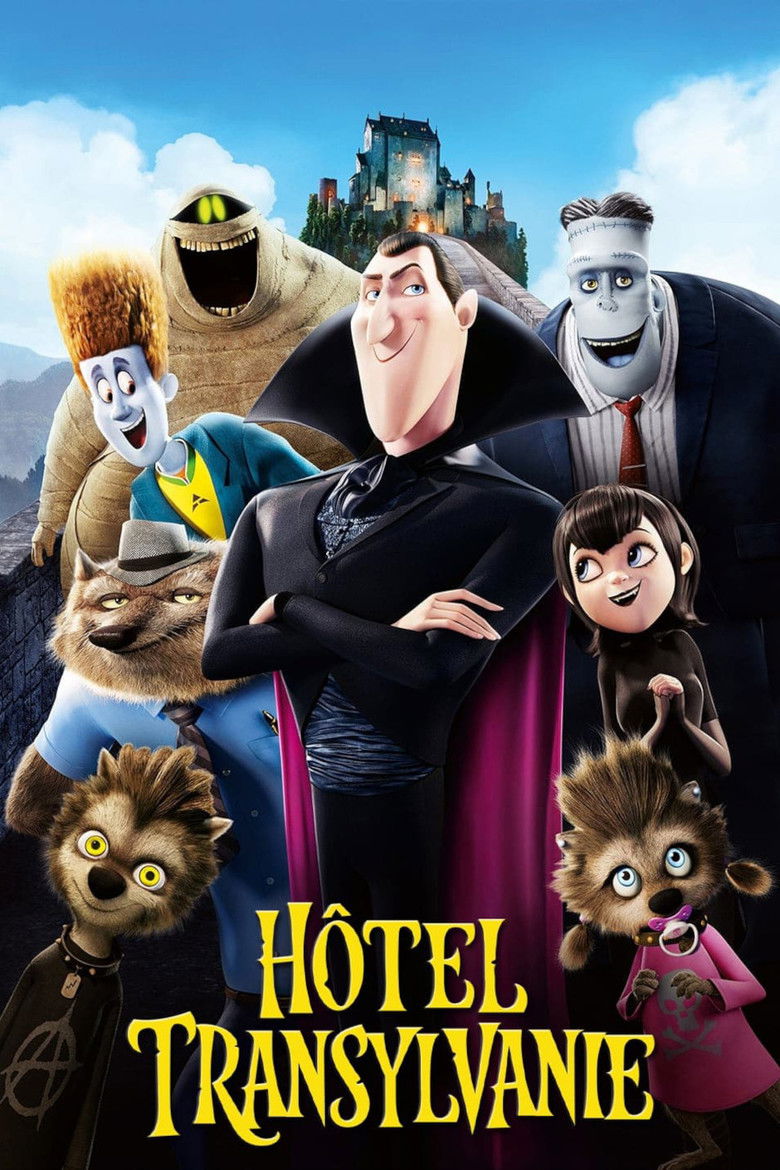
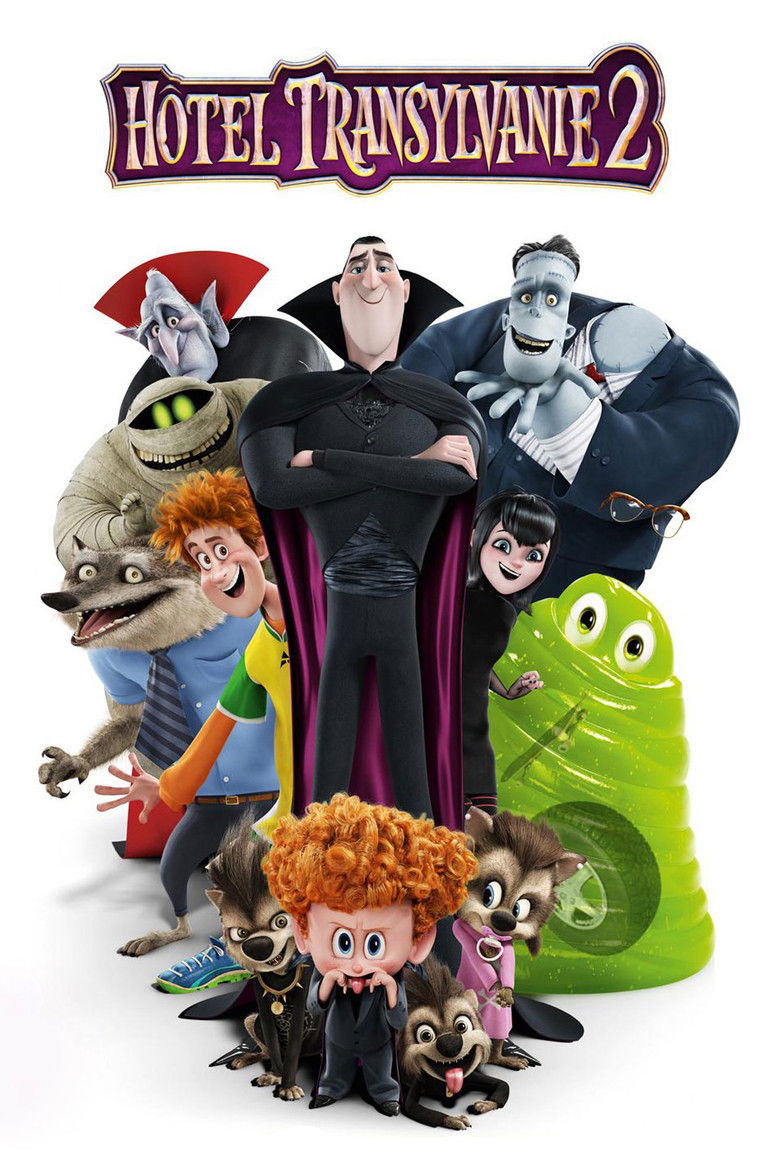
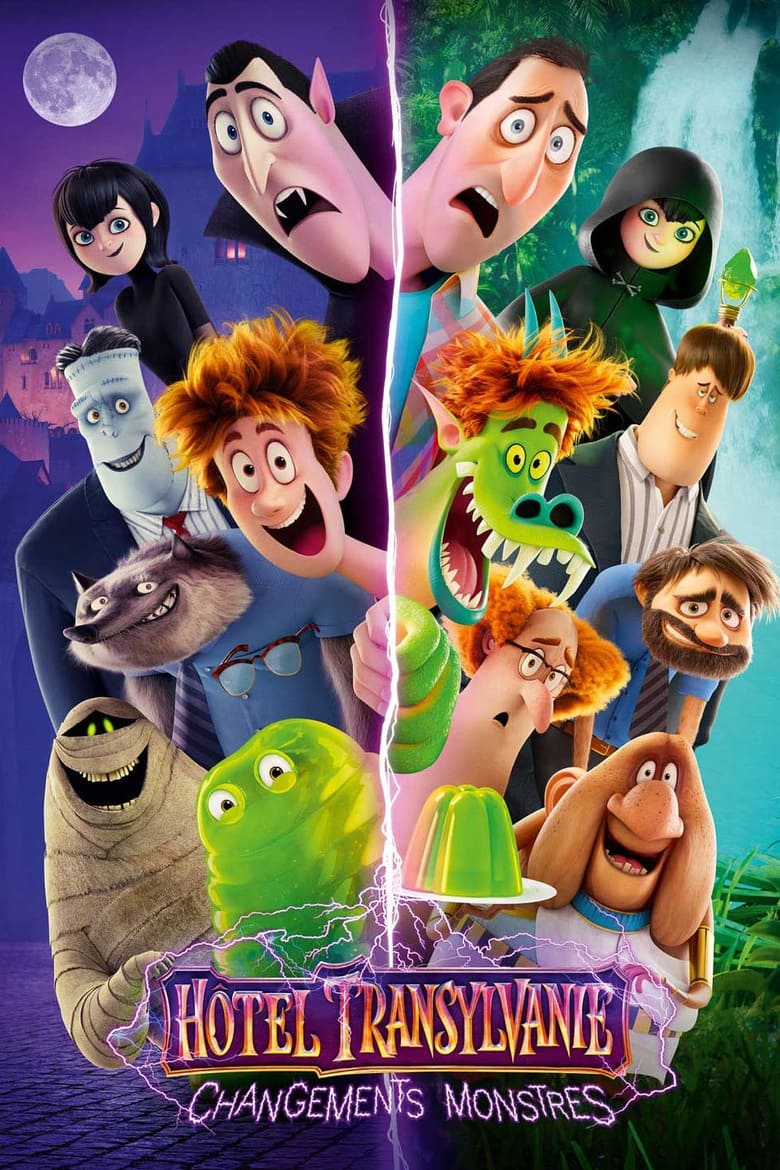
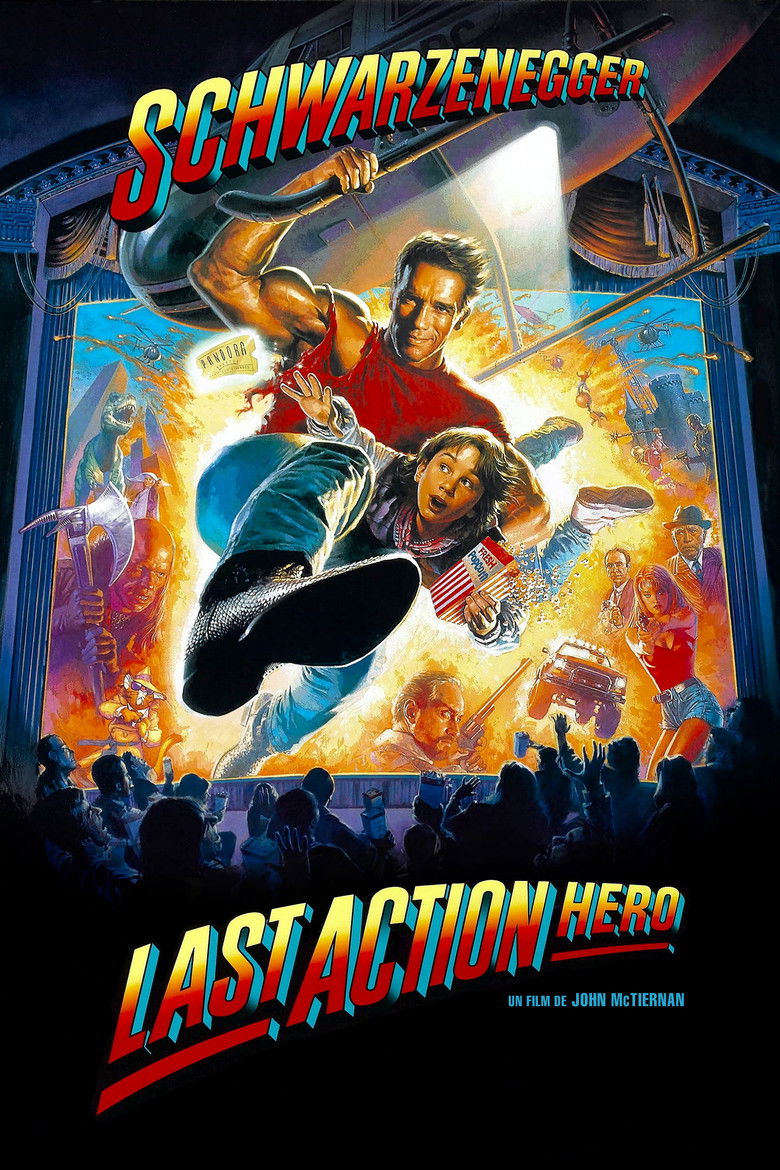
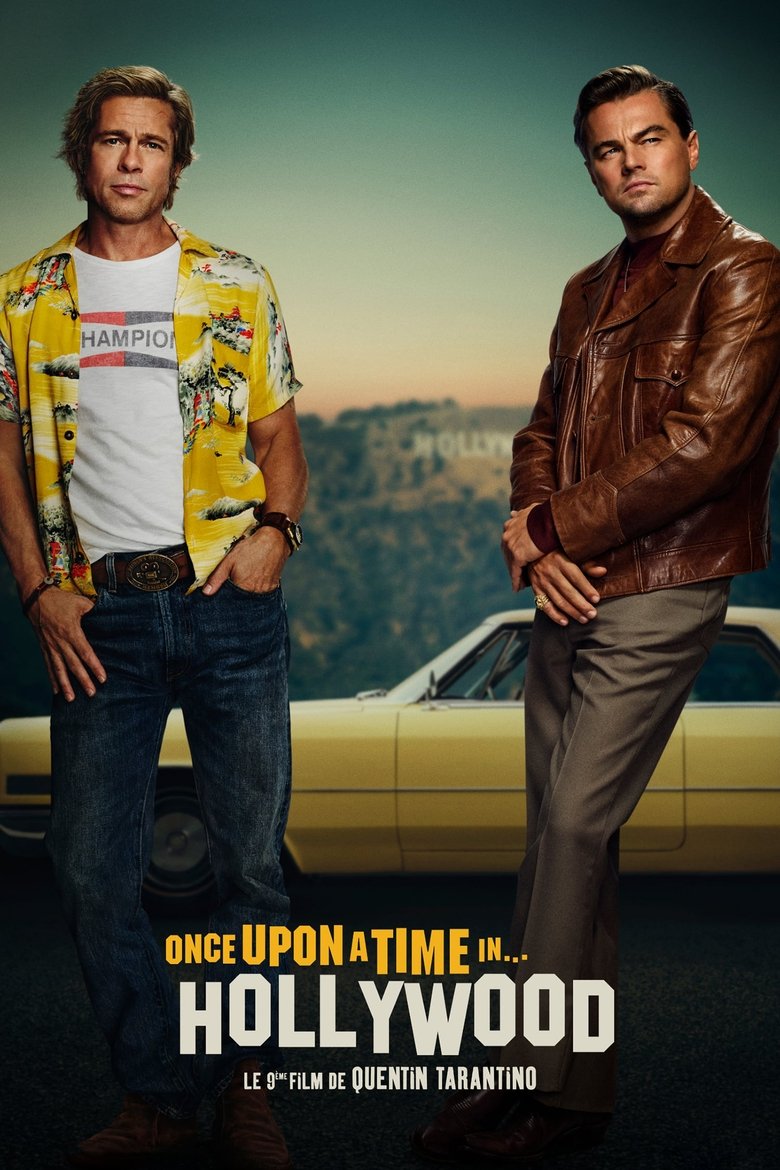
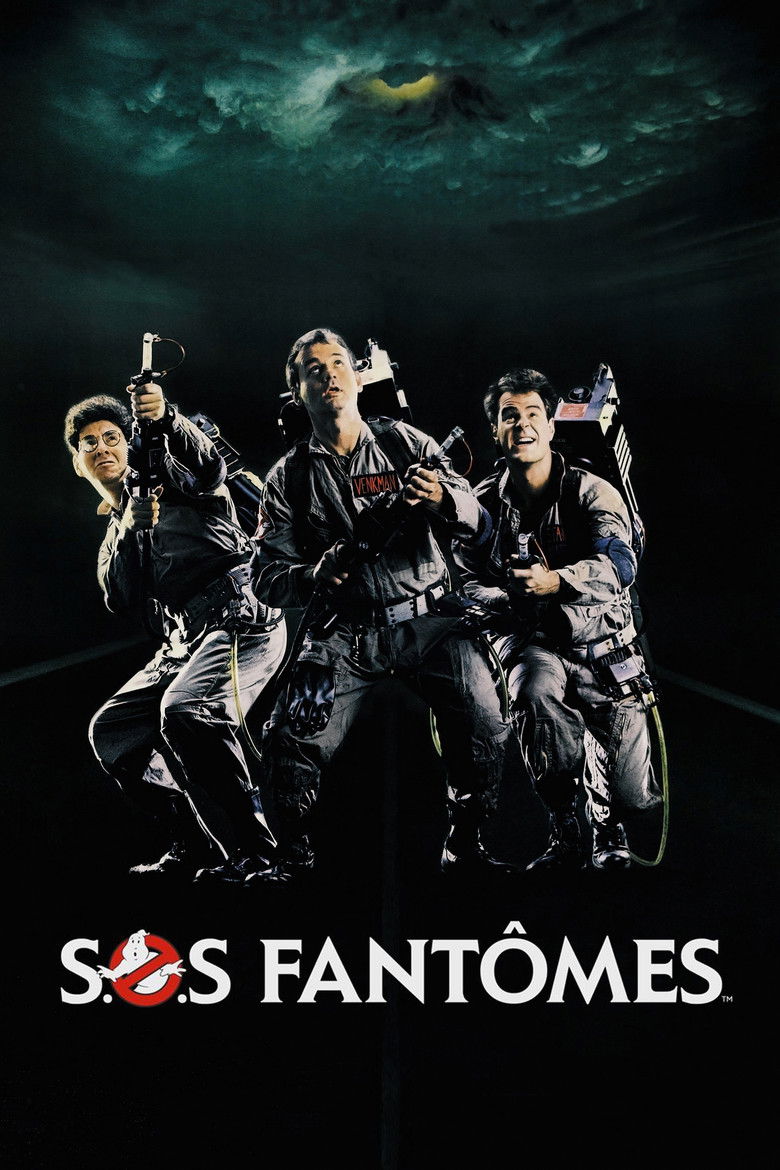
Over the decades, Columbia produced or distributed films across an extremely wide range of genres: comedy, drama, historical cinema, science fiction, action, fantasy and auteur filmmaking. Its history is associated with works such as It Happened One Night, From Here to Eternity, On the Waterfront, Lawrence of Arabia, Taxi Driver, Close Encounters of the Third Kind, Ghostbusters, Men in Black, The Social Network and Once Upon a Time… in Hollywood.
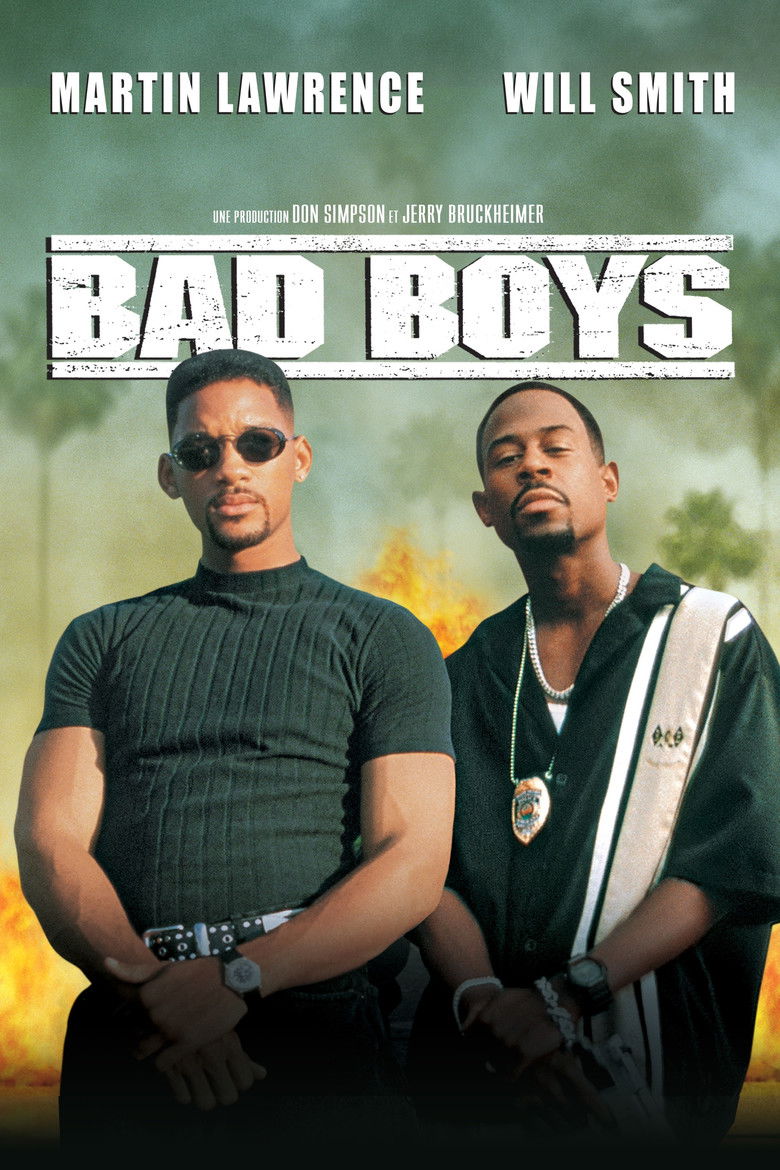
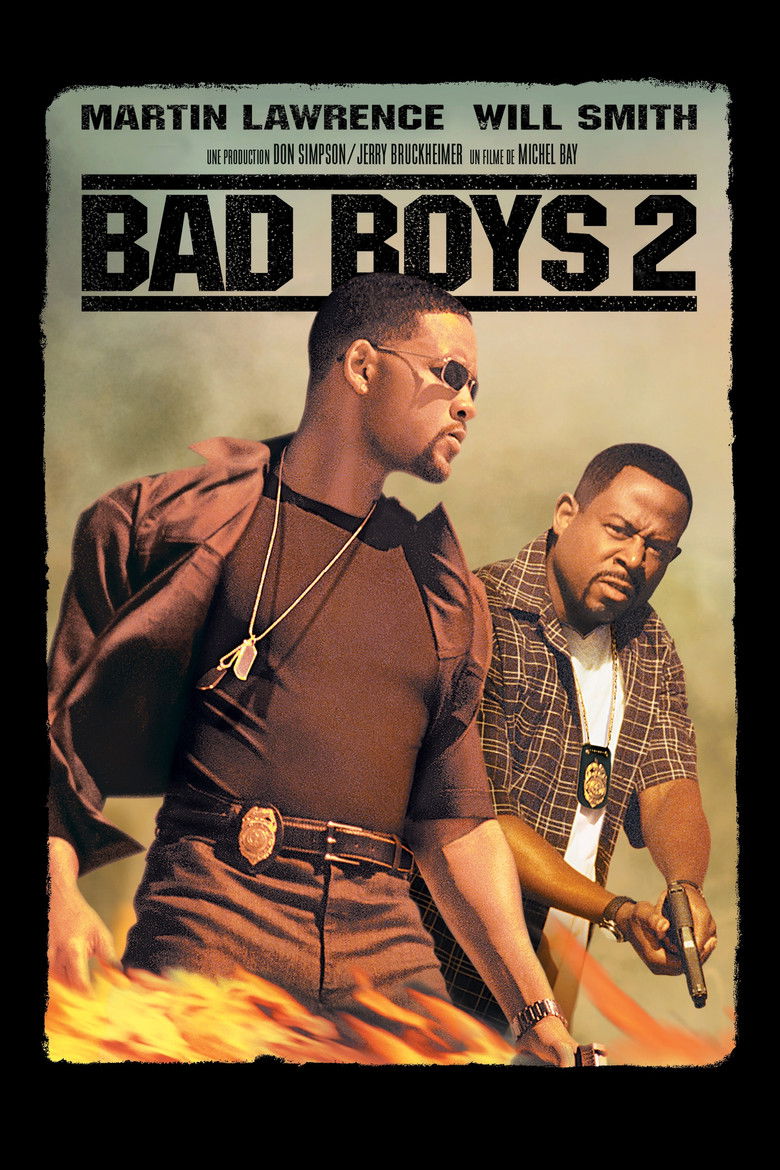
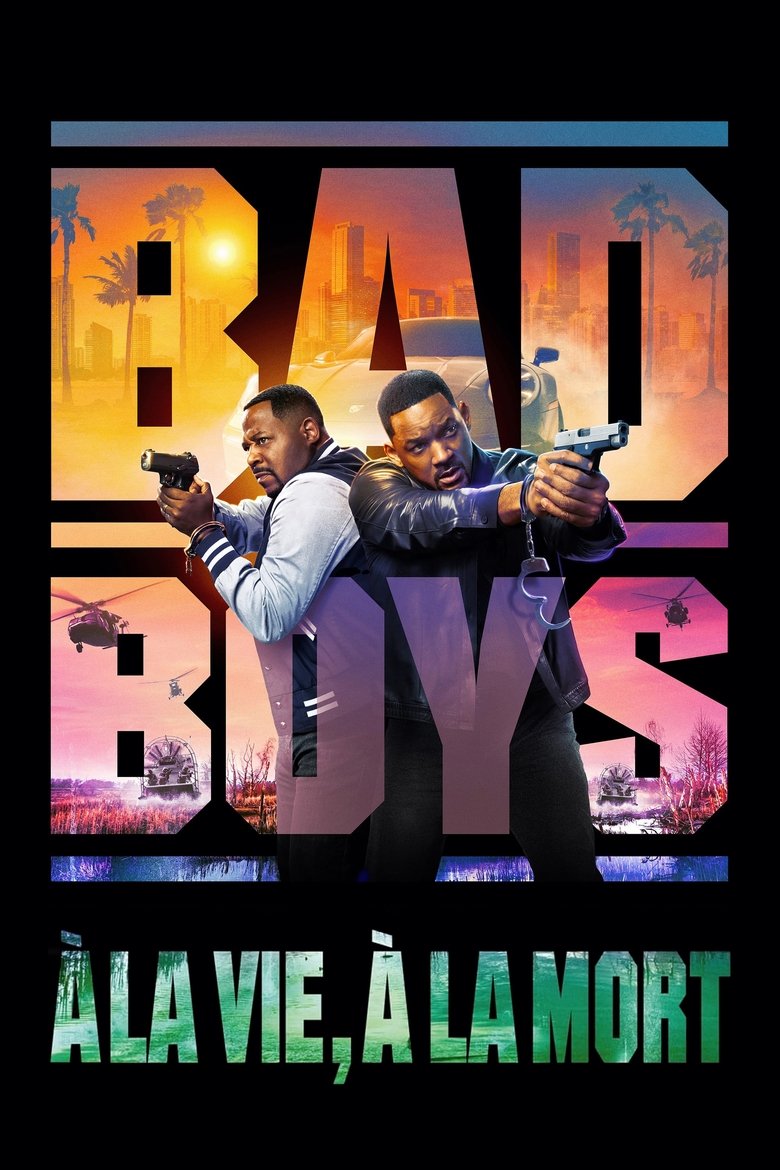
Since its acquisition by Sony in 1989, Columbia Pictures has been one of the main film labels within Sony Pictures Entertainment. It remains active today in film production and distribution, particularly around franchises such as Spider-Man, Ghostbusters, Bad Boys and Jumanji.
History
1918-1924 — From CBC Film Sales to Columbia Pictures
The history of the studio began before Columbia was officially created.
In 1918, brothers Harry and Jack Cohn joined forces with Joe Brandt to establish Cohn-Brandt-Cohn Film Sales, commonly abbreviated as CBC.
The company worked with limited resources and produced low-budget films in an environment where the major Hollywood companies already controlled a large part of production and distribution.
On January 10, 1924, CBC officially became Columbia Pictures Corporation.
The change of name reflected a new ambition: to build a more prestigious identity and move beyond the image of the small independent company associated with its beginnings.
The 1920s-1930s — Frank Capra and the rise of the studio
The arrival of Frank Capra was one of the most important events in Columbia’s early history.
The director made several films for the studio and accompanied its transition into talking pictures. The Donovan Affair, released in 1929, notably became Columbia’s first fully talking feature film.
Its breakthrough came with It Happened One Night in 1934.
The romantic comedy starring Clark Gable and Claudette Colbert won the five major Academy Awards: Best Picture, Best Director, Best Actor, Best Actress and Best Adapted Screenplay.
The success profoundly changed Columbia’s status. A studio that had previously been considered a secondary player could now rival the major Hollywood companies in prestige.
From the 1940s to the 1960s — Columbia becomes a major studio
Columbia consolidated its position over the following decades.
The company developed larger productions and worked with numerous directors and stars. It also became interested in television relatively early, developing activity in the new medium from the late 1940s onward.
Cinema nevertheless remained at the heart of its identity.
Films such as All the King’s Men, From Here to Eternity, On the Waterfront, The Bridge on the River Kwai and Lawrence of Arabia strengthened the studio’s prestige and accumulated awards and critical recognition.
Columbia thus definitively moved from the status of a small independent company to that of a major Hollywood studio.
The 1970s — New Hollywood and new generations
Like the rest of the American film industry, Columbia accompanied the transformations of cinema during the 1960s and 1970s.
The studio became associated with works that participated in the renewal of American cinema, including Easy Rider at the end of the 1960s and Taxi Driver by Martin Scorsese in 1976.
This period saw auteur cinema, major commercial productions and new forms of storytelling tied more directly to changes in American society coexist within the same studio.
At the end of the decade, Kramer vs. Kramer became another major critical success and notably won the Academy Award for Best Picture.
1982 — Acquisition by Coca-Cola
In 1982, Columbia Pictures was acquired by The Coca-Cola Company.
The acquisition represented a major transformation in the studio’s history, as it became part of a group whose main business was far removed from cinema.
Columbia nevertheless continued to produce and distribute numerous successful films during this period.
The 1980s notably saw the emergence of Ghostbusters, whose first film was released in 1984 and became one of the most recognizable franchises associated with the studio.
Columbia also expanded its activities in television and home video, accompanying new ways of distributing and consuming films.
1989-1991 — Columbia joins Sony
In 1989, Sony Corporation acquired Columbia Pictures Entertainment from Coca-Cola.
The deal was one of the most high-profile international acquisitions in Hollywood history at the time and allowed Sony to add a major film business to its technology and music activities.
In 1991, the overall company was renamed Sony Pictures Entertainment.
Columbia Pictures did not disappear, however. The name continued to be used as one of the group’s primary film production labels, while the studio now benefited from Sony’s international infrastructure.
The 1990s-2000s — Major franchises and new successes
Under Sony, Columbia continued a strategy combining original films and major franchises.
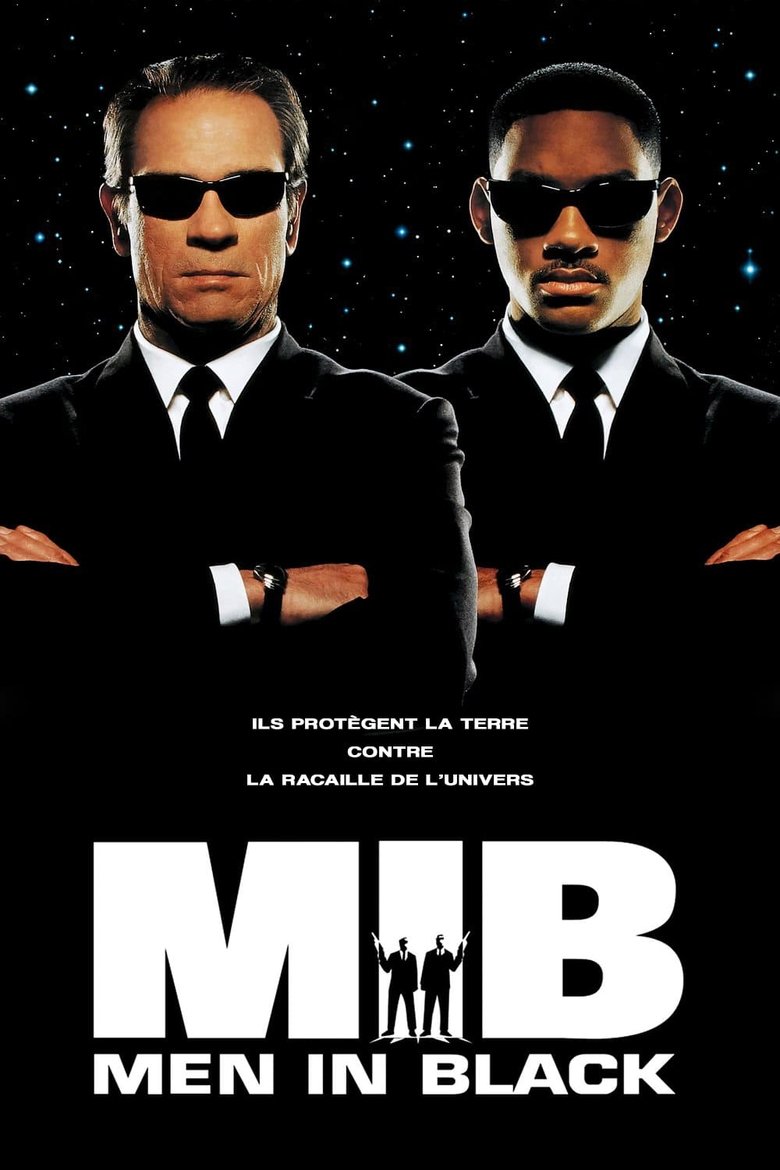
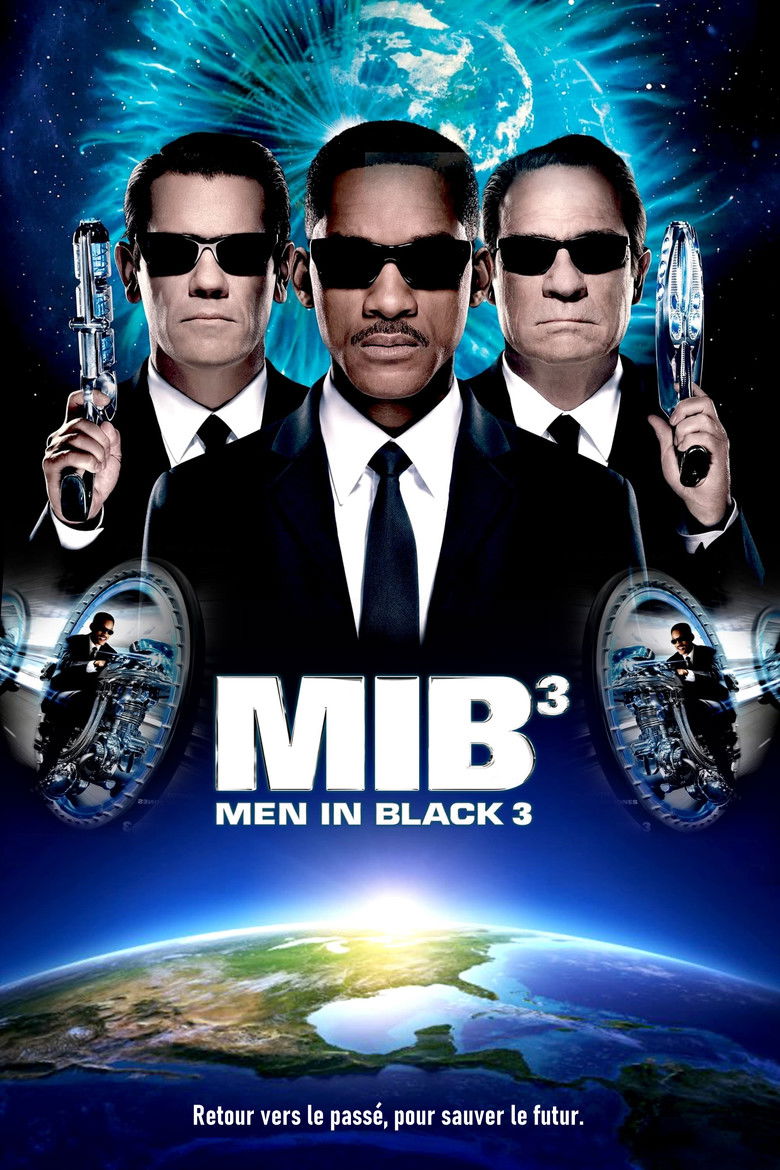
Men in Black, launched in 1997, blended science fiction and comedy and became a successful international series.
A particularly important milestone came in 2002 with Spider-Man, directed by Sam Raimi and starring Tobey Maguire.
The film helped drive the development of modern superhero cinema and led to a trilogy. The film rights connected to Spider-Man later became one of the most strategically important parts of the Sony Pictures catalog.
At the same time, Columbia continued to release very different kinds of films, ranging from major commercial productions to works by acclaimed filmmakers.
The 2010s-2020s — Between heritage and global franchises
In the twenty-first century, Columbia continued to draw on its history while developing new successes.
The studio supported films such as The Social Network, Once Upon a Time… in Hollywood and Little Women, while also renewing several franchises.
Jumanji reached a new generation of viewers with Welcome to the Jungle and The Next Level. Ghostbusters returned with new films, while the cinematic universe connected to Spider-Man characters became increasingly important.
Collaborations surrounding Spider-Man notably allowed the production of new films centered on the character as well as works connected to his wider universe.
In 2024, Columbia Pictures officially celebrated its centenary.
More than a century after its creation, the studio remains a central component of the Sony Pictures Motion Picture Group.
What sets it apart
From Poverty Row to one of Hollywood’s major studios
The history of Columbia Pictures is first and foremost one of remarkable ascent.
Unlike several major studios that were built from the beginning around substantial infrastructure, Columbia started as a small independent company with relatively limited resources.
Its work with Frank Capra and the successes achieved during the 1930s gradually allowed the studio to transform its image and join Hollywood’s major companies.
This trajectory remains an important part of its historical identity today.
A history connected to many filmmakers
Columbia has never been defined solely by a handful of franchises.
Over the course of its history, the studio has worked with filmmakers from very different eras and sensibilities, from Frank Capra to David Lean, Elia Kazan, Martin Scorsese, Steven Spielberg, David Fincher and Quentin Tarantino.
This diversity explains the coexistence within its catalog of large-scale spectacles, popular comedies, auteur films, dramas and genre productions.
A filmography rich in award-winning films
Columbia also holds one of Hollywood’s most prestigious film legacies.
According to Sony, films associated with the studio have won twelve Academy Awards for Best Picture, including It Happened One Night, From Here to Eternity, On the Waterfront, The Bridge on the River Kwai, Lawrence of Arabia, Kramer vs. Kramer and Gandhi.
These awards reflect Columbia’s place in American film history beyond its commercial successes alone.
The torch-bearing woman, an iconic visual identity
Few studio logos are as instantly recognizable as the one associated with Columbia Pictures.
The female figure holding a torch, often referred to as the Columbia Lady, has appeared before the studio’s films for generations and has undergone several graphic reinterpretations over time.
This visual identity became strong enough to symbolize the studio independently of Sony and remains one of the historic emblems of Hollywood cinema.
A historic studio at the heart of a contemporary group
Columbia has belonged to Sony since 1989 but retains its name and identity.
It should therefore not be confused with Sony Pictures Entertainment: Columbia is one of the group’s main production studios, while Sony Pictures encompasses a much broader range of activities and labels.
In 2026, the Motion Picture Group notably includes Columbia Pictures, TriStar Pictures, Screen Gems, 3000 Pictures, Sony Pictures Animation, Stage 6 Films, AFFIRM Films and Sony Pictures Classics.
Columbia nevertheless remains one of the central historic brands within this group.
Good to know
- Columbia Pictures Corporation was officially founded on January 10, 1924.
- It succeeded Cohn-Brandt-Cohn Film Sales, created in 1918 by Harry Cohn, Jack Cohn and Joe Brandt.
- Columbia’s early facilities were located in the area of Hollywood known as Poverty Row.
- Frank Capra played a decisive role in the studio’s rise during the 1920s and 1930s.
- It Happened One Night won five major Academy Awards in 1935, including Best Picture.
- Columbia developed an activity in television from 1948 onward and later moved into home video from the end of the 1970s.
- The Coca-Cola Company acquired Columbia Pictures in 1982.
- Sony acquired Columbia Pictures Entertainment in 1989.
- The overall company was renamed Sony Pictures Entertainment in 1991, while Columbia Pictures remained an active film label.
- According to Sony, Columbia is associated with twelve Best Picture-winning films over the course of its history.
- Emblematic films and franchises include It Happened One Night, Lawrence of Arabia, Taxi Driver, Ghostbusters, Men in Black, Spider-Man and many other titles.
- The famous torch-bearing woman is the studio’s historic visual identity.
- Columbia Pictures celebrated its 100th anniversary in 2024.
- In 2026, Columbia Pictures remains one of the main studios within the Sony Pictures Motion Picture Group.