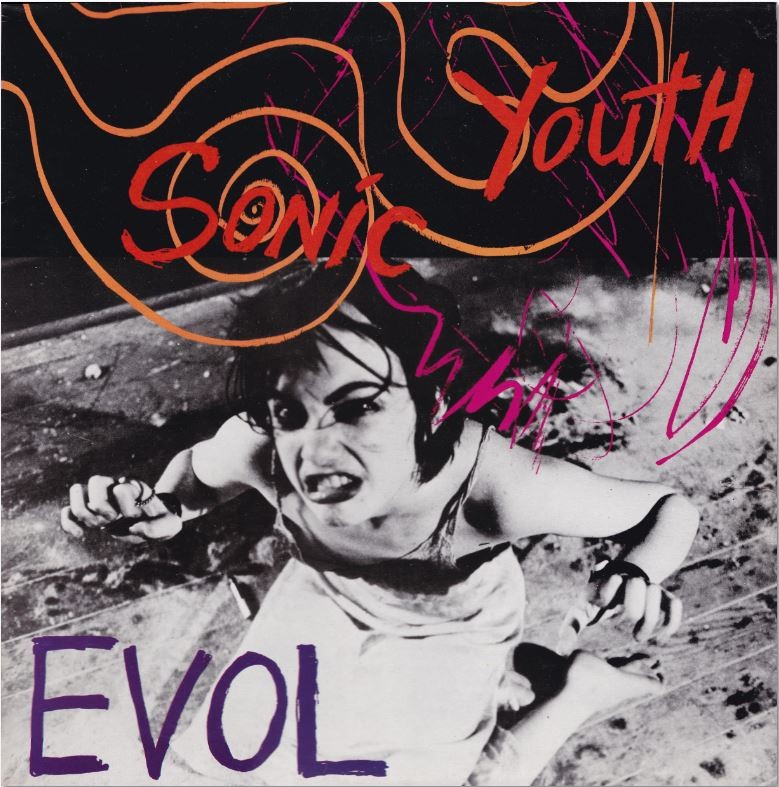
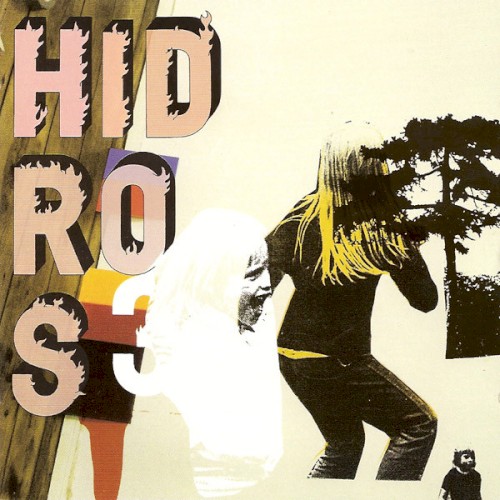
Sonic Youth was an American alternative rock band formed in New York City in 1981. Emerging from the experimental no wave scene, the group developed a sound based on unconventional tunings, dissonant guitars and contrasts between noise and melody. With albums including EVOL, Daydream Nation, Goo and Dirty, it helped shape American alternative rock. Its experimental approach, connections to contemporary art and influence on independent music scenes became defining elements of its legacy.
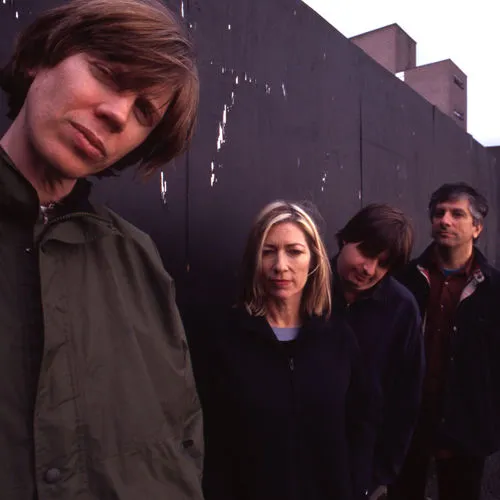
Sonic Youth
Unconventional guitar tunings, walls of noise and the freedom of experimental rock.
Details
- Type
- Music
- Countries
- 🇺🇸 United States
- Genres
- Rock, Alternative rock, Indie rock
- Albums
- 17
Synopsis
Sonic Youth
Glossary terms: Album, Avant-garde, Avant-garde, Avant-garde, Composition, Contemporary art, Development, Drum kit / drums, Experimental music, Line level, Melody, Noise, Rhythm, Rock, Song, Technique, Tuning, Visual arts
Line-up
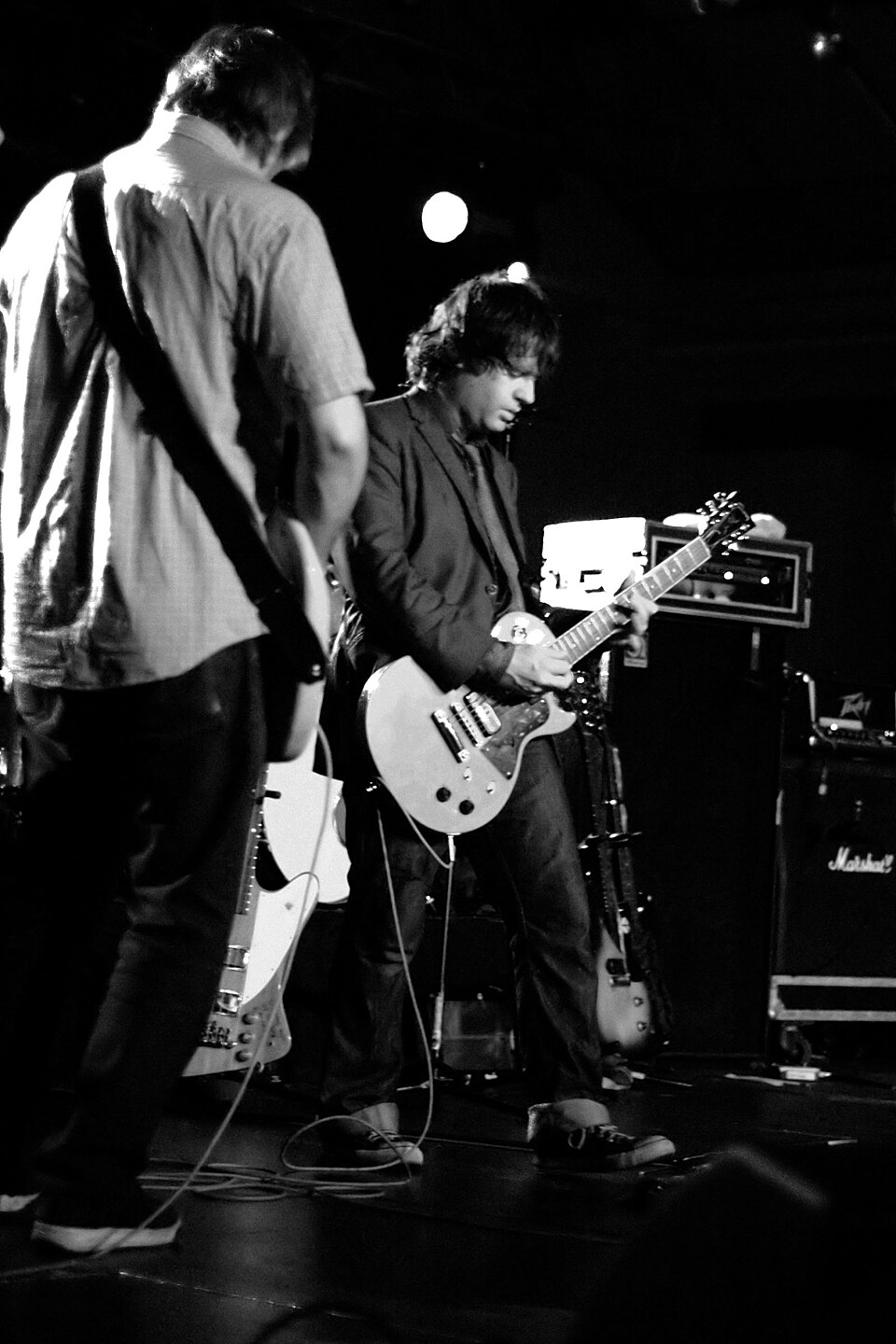
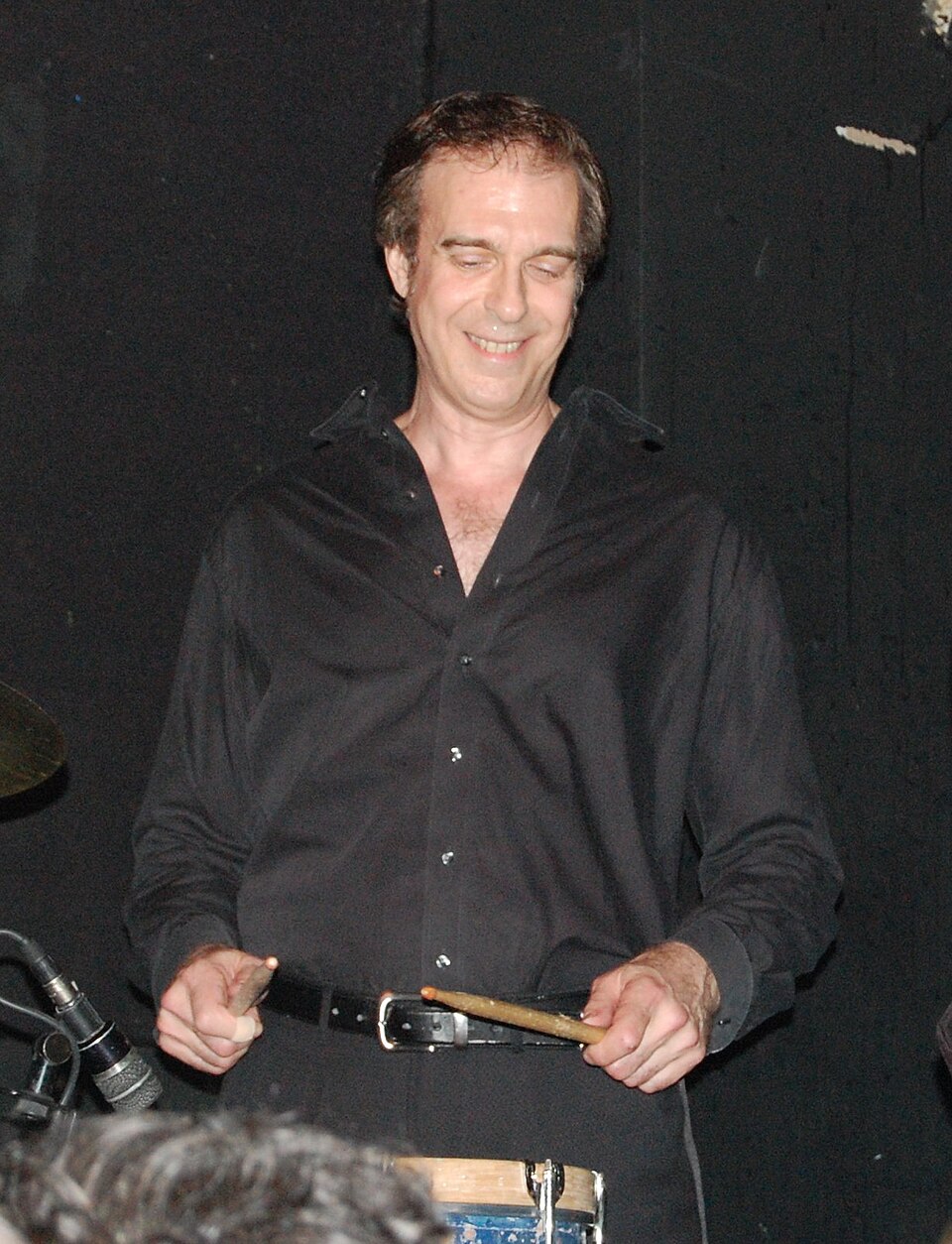
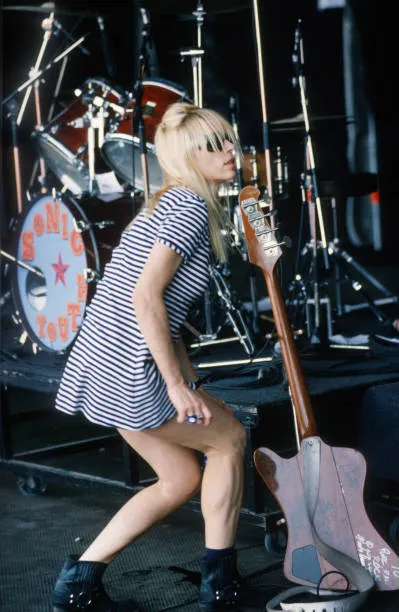
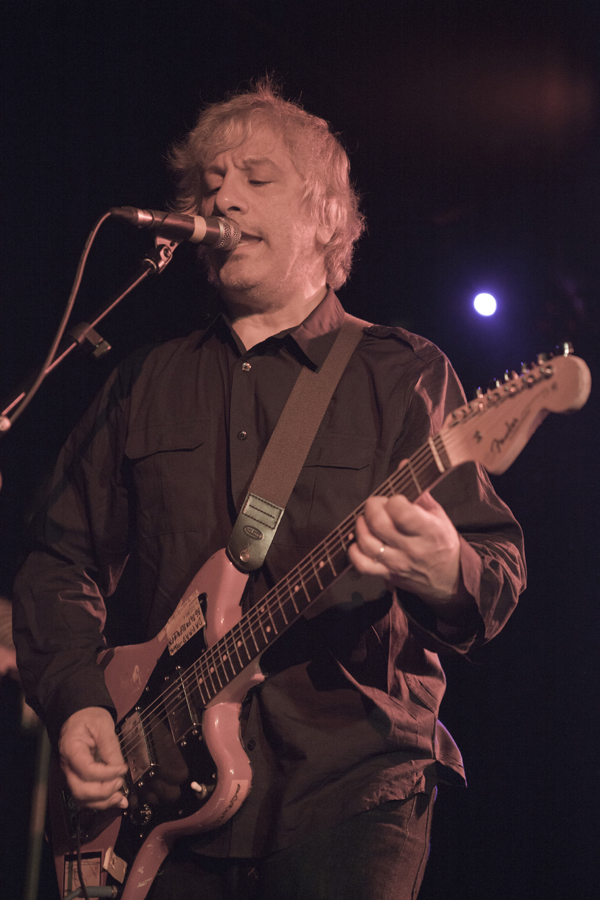
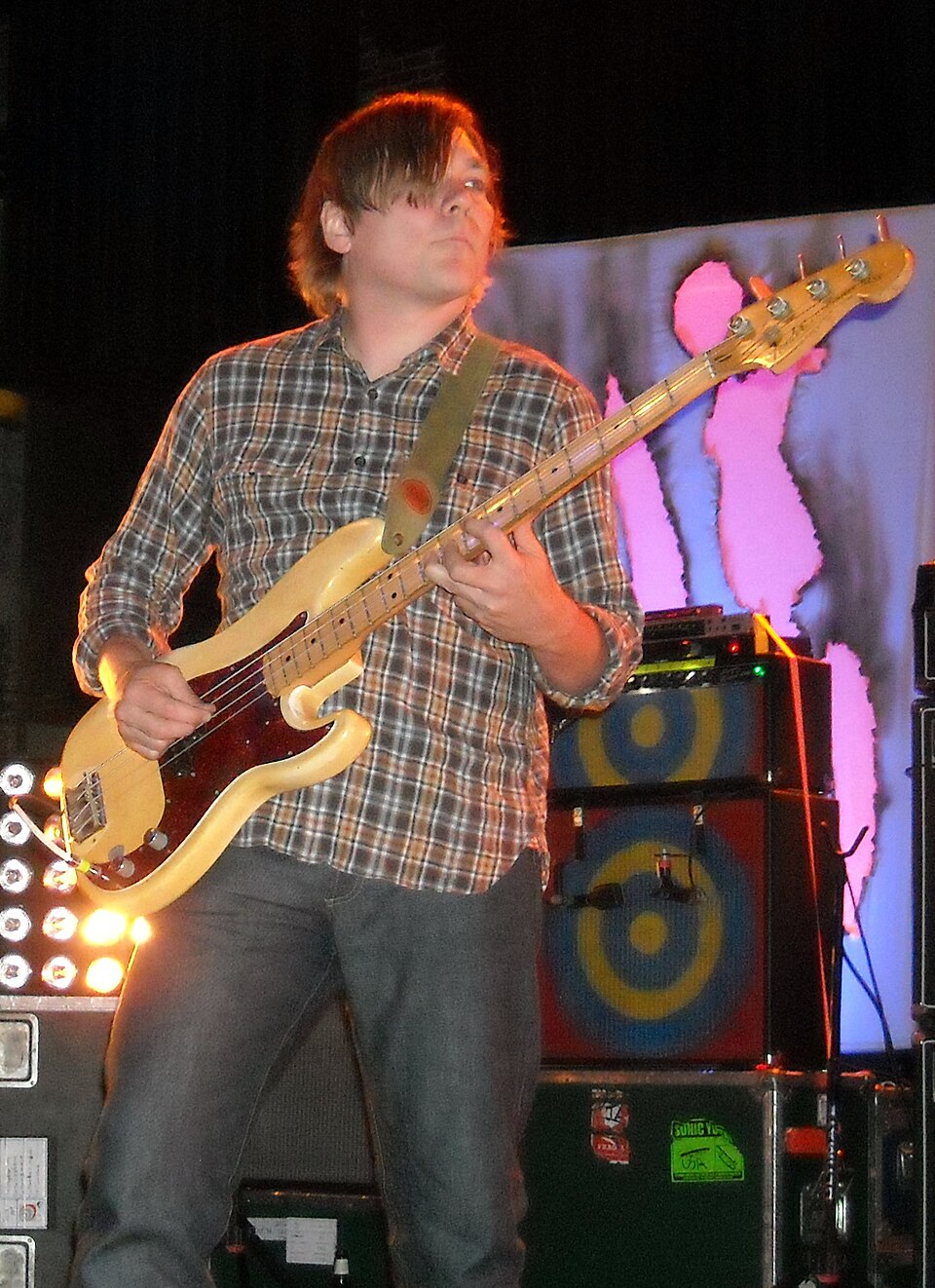
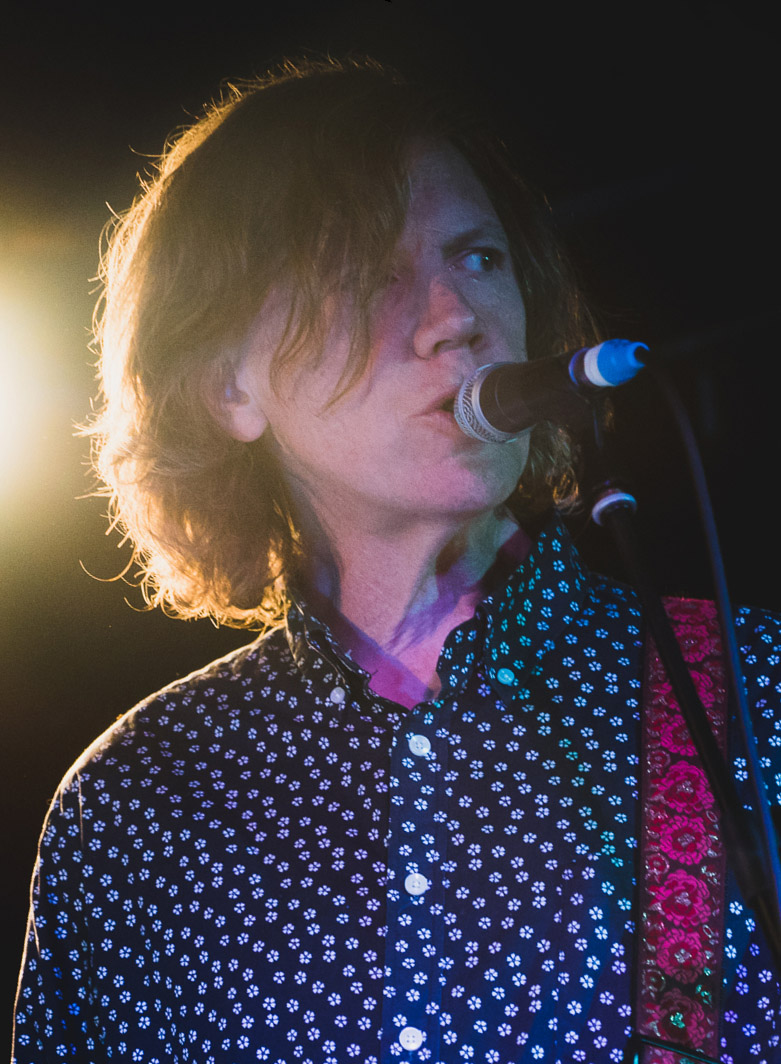
Band members (10)
Trailer
Watch the trailer
Overview
Presentation
Sonic Youth was an American band formed in New York City in 1981 by Thurston Moore, Kim Gordon and Lee Ranaldo. Emerging from the no wave scene, it developed an experimental sound combining dissonant guitars, alternative tunings and punk influences. Following Confusion Is Sex (1983) and Bad Moon Rising (1985), the arrival of drummer Steve Shelley accompanied a shift toward more structured compositions, particularly on EVOL (1986) and Sister (1987).
With Daydream Nation (1988), featuring Teen Age Riot, Silver Rocket and The Sprawl, Sonic Youth established a balance between improvisation, noisy textures and melody. The band reached a wider audience with Goo (1990), featuring Kool Thing and Dirty Boots, followed by Dirty (1992), which included 100% and Sugar Kane. These albums accompanied the rise of American alternative rock.
Sonic Youth continued experimenting on Washing Machine (1995), Murray Street (2002) and Sonic Nurse (2004), alternating extended instrumental passages with more accessible songs. The Eternal (2009) became its final studio album. The band ceased activity in 2011, following the separation of Kim Gordon and Thurston Moore, while its members pursued individual projects and archival recordings continued to be released.
Key Takeaways
Sonic Youth was distinguished by its use of unconventional guitar tunings, feedback and experimental playing techniques. Its instruments produced sometimes abrasive textures, combined with melodic lines and rhythms rooted in indie rock.
The band also maintained close connections to the visual arts. Its album covers featured works by artists including Gerhard Richter, Raymond Pettibon and Mike Kelley, reflecting its interest in artistic avant-garde movements.
Conclusion
Sonic Youth played a significant role in the development of American alternative rock. Its career connected New York's experimental music scene, noise rock and the rise of independent music during the 1990s.
Did You Know?
- Origins: New York City, United States; formed in 1981.
- Classic lineup: Thurston Moore, Kim Gordon, Lee Ranaldo and Steve Shelley.
- Other members: Richard Edson and Bob Bert on drums during the early years; Jim O'Rourke and Mark Ibold during later periods.
- Landmark albums: EVOL (1986), Sister (1987), Daydream Nation (1988), Goo (1990), Dirty (1992) and The Eternal (2009).
- Signature songs: Schizophrenia, Teen Age Riot, Kool Thing, Dirty Boots, 100%, Bull in the Heather and Incinerate.
- Musical techniques: alternative tunings, prepared guitars, feedback and improvisation.
- Visual arts: Daydream Nation features a painting by Gerhard Richter; the cover of Goo was created by Raymond Pettibon.
- Final period: The Eternal appeared in 2009; the band became inactive following its 2011 concerts.
Link graph
Open in the full graphLoading the graph…
Only the strongest links are shown.
View the list ({count})
Discography
Discography (17)