Giacomo Puccini (1858–1924) was an Italian composer and a major figure of Romantic opera and the Italian operatic tradition. His music is characterized by dramatic intensity, expressive melodies and refined orchestration, exploring human passions and conflicts through powerful musical storytelling. Following in the tradition of Giuseppe Verdi and incorporating elements associated with verismo, he helped transform opera around the turn of the twentieth century. La Bohème, Tosca, Madama Butterfly and Turandot remain among his most celebrated works.
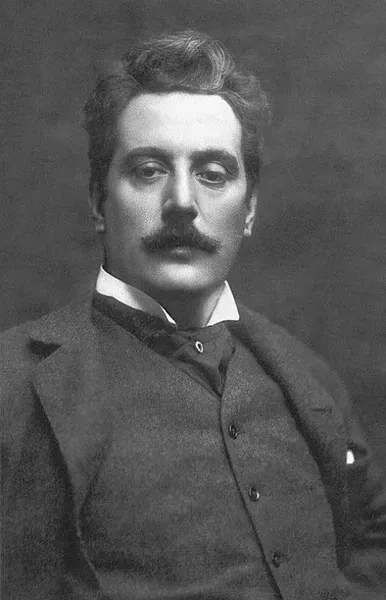
Giacomo Puccini
From human passions to great tragedies, opera becomes an intense musical experience.
Details
- Type
- Music
- Countries
- 🇮🇹 Italy
- Genres
- Classical, Romantic music, Opera
- Albums
- 3
Synopsis
Giacomo Puccini
Glossary terms: Character, Composer, Composition, Melody, Opera, Orchestration, Register, Springing
Trailer
Watch the trailer
Overview
Presentation
Giacomo Puccini (1858–1924) was an Italian composer recognized as one of the leading figures of opera in the late nineteenth and early twentieth centuries. Born in Lucca into a musical family, he studied at the Milan Conservatory before devoting himself to musical theatre. His first major success, Manon Lescaut, premiered in 1893 and established his international reputation.
His compositions follow the Italian operatic tradition while developing a distinctive dramatic language. Puccini paid particular attention to characterization, the relationship between voices and orchestra, and the emotional progression of his stories. His collaborations with librettists Luigi Illica and Giuseppe Giacosa produced several of his greatest operas, including La Bohème, Tosca and Madama Butterfly.
Key Points
Puccini's musical language is distinguished by lyricism, theatrical expression and richly colored orchestration. He employed recurring musical motifs, fluid transitions and dramatic contrasts to accompany character development. His vocal writing combines expressive intensity with memorable melodies.
His major works include La Bohème, portraying the lives of Parisian artists, Tosca, a drama involving love and political power, and Madama Butterfly, a tragedy set in Japan. His final opera, Turandot, features particularly expansive orchestration and the celebrated aria Nessun dorma. His collection of three one-act operas, Il trittico, also demonstrates his ability to explore different dramatic styles.
Conclusion
Giacomo Puccini holds a central position in the history of Italian opera. By combining melodic tradition, orchestral innovation and theatrical intensity, he contributed significantly to the development of modern operatic expression. His compositions remain among the most frequently performed works in the international repertoire.
Did You Know?
- Birth: December 22, 1858, in Lucca; died November 29, 1924, in Brussels.
- Education: he studied at the Milan Conservatory, notably under Amilcare Ponchielli.
- Major operas: La Bohème premiered in 1896, Tosca in 1900 and Madama Butterfly in 1904.
- Final work: Turandot remained unfinished at his death and was completed by Franco Alfano before its 1926 premiere.
- Torre del Lago: he lived there for much of his career; his former residence is now a museum dedicated to his memory.
Link graph
Open in the full graphLoading the graph…
Only the strongest links are shown.
View the list ({count})
Discography
Discography (3)


